This fight has dragged on so long that many gun owners assume it must be over by now. It is not.
The rule itself may be collapsing, but the controversy is bigger than one regulation.
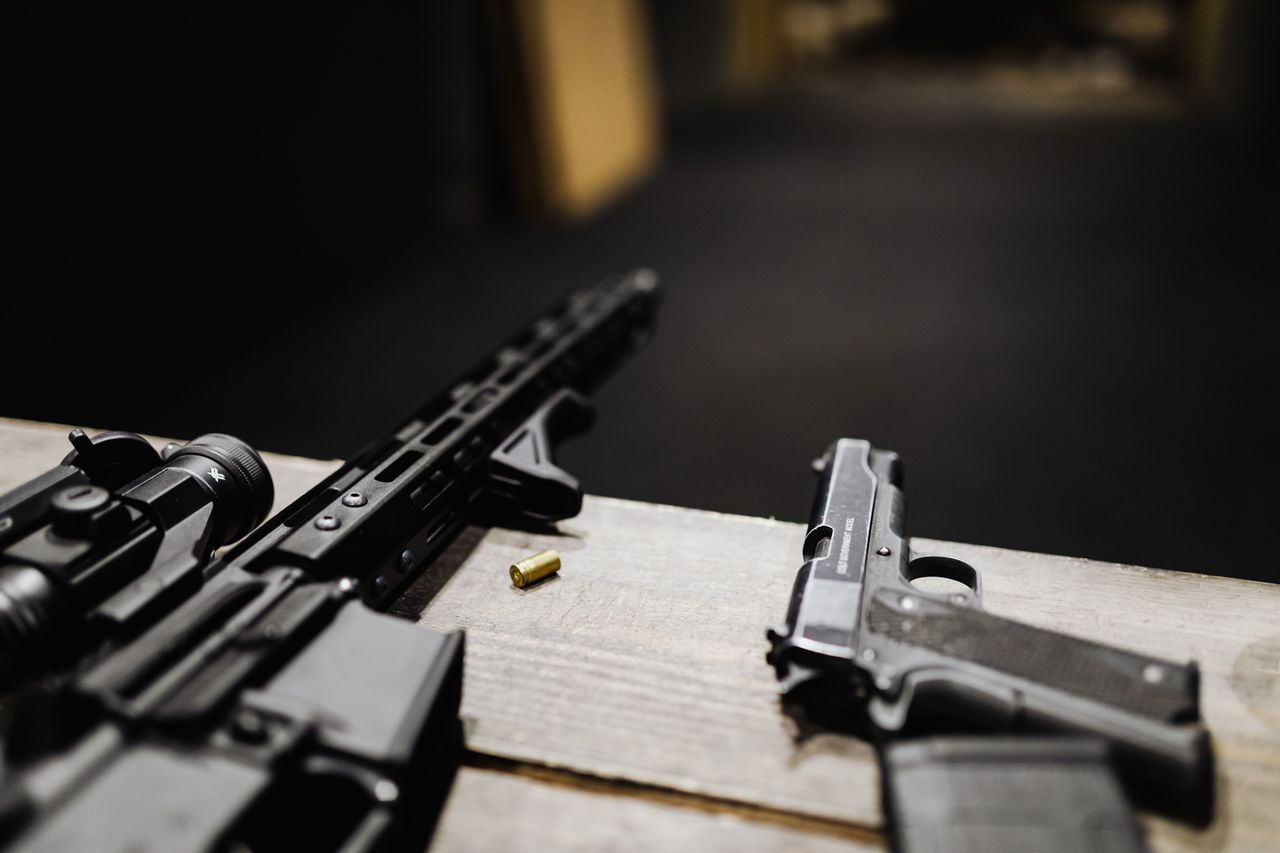
The ATF’s 2023 stabilizing brace rule tried to treat many braced pistols as rifles, and in many cases as short-barreled rifles regulated under the National Firearms Act. That mattered because short-barreled rifles carry registration and tax requirements, plus possible criminal exposure for unlawful possession. The agency said the issue was not the label “brace” by itself, but whether the firearm was really designed and intended to be fired from the shoulder.
That rule immediately triggered intense backlash from manufacturers, gun-rights groups, disabled shooters, and many owners who had bought braced firearms under earlier ATF guidance. Critics said the government had spent years sending mixed signals, approving products, then reversing course after millions of braces were already in circulation. The result was not just policy anger. It was a due process problem in the eyes of many courts and litigants.
By 2026, ATF itself was effectively conceding the rule had become legally unstable. In May 2026, the agency proposed removing the 2023 brace language from the regulatory definition of rifle, saying multiple courts had enjoined, stayed, or vacated the rule and that it had rarely been in effect. That sounds decisive, but it does not erase the underlying legal questions that produced the fight in the first place.
The courts did not all object for exactly the same reason.n

A lot of public discussion treats the brace cases as if judges simply declared braces legal and moved on. That is not what happened. Many of the major rulings focused on administrative law, especially whether ATF followed the Administrative Procedure Act when it changed positions and whether the final rule strayed too far from the proposal put out for public comment.
The Fifth Circuit’s decision in Mock was especially important because it said challengers were likely to succeed on the claim that the final rule was not a logical outgrowth of the proposed rule. That may sound technical, but it matters a great deal. Agencies can revise proposals, but they cannot bait the public with one framework and then finalize something materially different after the comment period closes.
Then came the district court ruling in 2024 vacating the rule in Mock, a major blow that turned a preliminary legal warning into a direct invalidation. Other courts also blocked enforcement in different ways and for different groups. So even when gun owners heard that the rule had been stopped, the legal map remained patchy, shaped by injunction scope, membership-based relief, venue, and ongoing appeals.
A vacated rule does not answer the statutory question everyone is really arguing about

Even if the 2023 rule disappears for good, the harder question remains: what does the statute already cover? ATF has said in its 2026 reform materials that whether a firearm with something called a brace is actually a short-barreled rifle is ultimately a factual question under the statute Congress wrote, not just under any one rule. In plain English, the agency is signaling that repeal of the rule is not the same as surrendering the field.
That is one reason the issue still feels unsettled. Many gun owners hear “the brace rule is dead” and assume braces are broadly safe again. But the government’s position is more limited. It is backing away from one specific regulatory approach while preserving the idea that some firearms with rear attachments can still qualify as NFA-regulated rifles depending on design, configuration, and intended use.
This distinction is easy to miss and politically explosive once understood. The fight was never only over paperwork in the Federal Register. It was also about whether Congress’s decades-old definition of rifle can stretch to modern accessories that blur the line between pistol and shoulder-fired weapon. Courts can strike down a rule without fully resolving that deeper interpretive battle.
The Supreme Court changed the atmosphere even outside the Braceros cases.
The brace litigation also unfolded during a broader judicial shift against aggressive agency interpretations. The Supreme Court’s recent skepticism of federal agencies, especially when criminal consequences are tied to regulatory reinterpretation, changed how lower courts viewed cases like this one. That context made the ATF rule look more vulnerable than it might have a decade earlier.
Gun-rights lawyers repeatedly argued that the brace rule did more than clarify existing law. They said it effectively created new criminal exposure for ordinary owners who had relied on prior agency positions. In that environment, judges became more alert to fair notice problems, separation-of-powers concerns, and the danger of letting an agency redraw the line on a heavily regulated product after years of mixed guidance.
The broader firearms landscape reinforced that shift. Cases involving bump stocks, ghost gun kits, and public carry restrictions all fed into the same national argument over who gets to define the reach of gun laws: Congress, agencies, or courts. So even though the brace rule is its own dispute, it became part of a much bigger test case about the limits of federal administrative power.
Millions of existing firearms made this more than an abstract legal dispute.e

One reason the brace fight would never stay narrow is the sheer number of affected firearms. ATF estimated that millions of stabilizing braces and brace-equipped firearms were already in circulation when it moved to finalize the 2023 rule. That transformed the issue from a technical classification question into a mass compliance problem touching retailers, makers, owners, gunsmiths, and secondary-market sellers.
The rule offered a temporary registration pathway and waived the usual $200 making tax for qualifying Form 1 applicants during the compliance window that ended on May 31, 2023. Even so, many owners did not trust the process, did not think the rule was lawful, or simply could not tell whether their specific setup fell within the agency’s factors. That uncertainty became one of the strongest practical arguments against the rule.
ATF still has a page addressing pending forbearance applications tied to the now-vacated rule, which shows how messy the aftermath became. When a rule touches millions of products and prompts a rush of filings, reversals do not cleanly reset the system. They leave behind stranded applications, inconsistent expectations, and a lingering fear that the same issue could return in a new form.
Politics changed the government’s strategy, but not the legal landscape underneath
The latest twist is political as much as legal. In 2026, ATF and the Justice Department moved into what the agency calls a “new era of reform” and formally proposed rescinding the brace rule. That is an extraordinary turn for a regulation once defended as a major public-safety measure. It reflects not only courtroom defeats but also a change in enforcement philosophy and executive branch priorities.
Still, policy reversals do not settle precedent. A future administration could try a narrower brace rule, a different interpretive memo, or case-by-case enforcement based directly on statutory definitions. Because courts struck at least some broad rulings on procedural grounds, not every decision answers how far Congress’s actual text reaches. That leaves room for the same fight to come back wearing different clothes.
There is also the question of nationwide certainty. Gun owners want a simple yes-or-no answer. But administrative repeal, district court vacatur, circuit-level reasoning, and statutory ambiguity do not produce simplicity. They produce a legal landscape where today’s relief can feel real and still remain fragile, especially when the underlying law has not been amended by Congress.
What would actually settle the matter for good

The cleanest solution would be congressional action. If lawmakers want braces excluded, included, or treated under a separate standard, Congress can write that directly into federal law. That would dramatically reduce the space for agencies to improvise and for courts to guess how a 1934 statute applies to a 21st-century accessory that did not exist when the law was written.
Short of that, a definitive Supreme Court ruling squarely addressing the statutory meaning of these firearms could bring more clarity. But even that might not end every dispute, because configuration-specific questions would still remain. Firearms law often turns on details that sound small but matter legally, such as dimensions, intended method of fire, marketing, accessory design, and overall build.
So the reason this fight is still not settled is simple: the rule is only one layer of the conflict. The deeper dispute is about statutory meaning, agency power, criminal notice, and the limits of executive reinterpretation. Until Congress speaks clearly or the Supreme Court settles the core question, pistol braces will remain one of the clearest examples of how a regulation can fall apart while the controversy behind it keeps going.