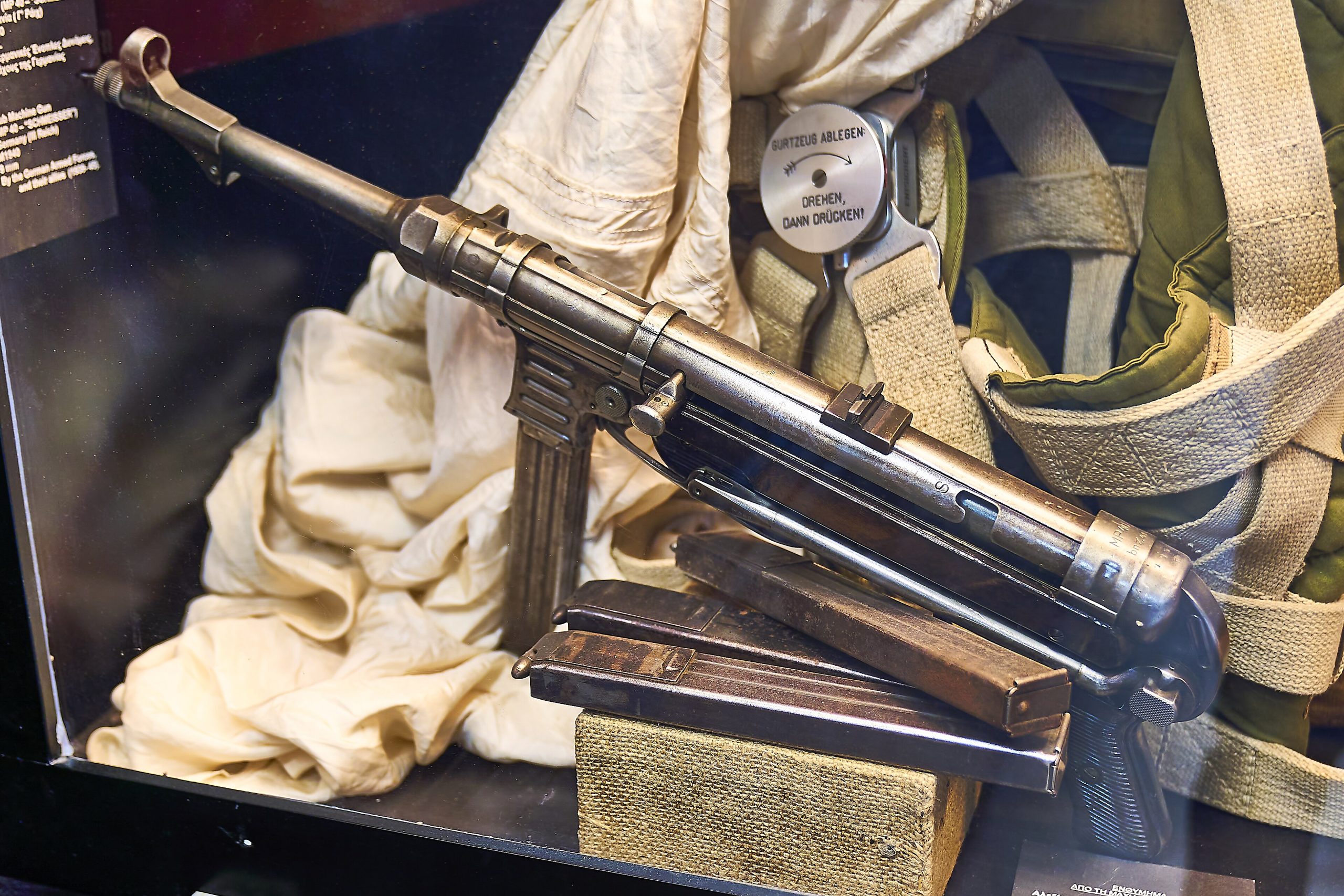
It is one of the most famous guns of the 20th century. It is also one of the most misunderstood by name alone.
The Name Sounds Personal, But It Really Isn’t

A lot of people assume “MP40” must mean a designer named MP or a direct reference to Hugo Schmeisser. That is understandable, because wartime small arms are often tied in popular memory to a single inventor.
But the actual designation is much drier. “MP” stands for Maschinenpistole, the German term for submachine gun, and “40” points to 1940, the year the simplified production model entered serial manufacture.
That means the official name was more bureaucratic than biographical. It described a class of weapon and a model year, not a tribute to the person most people now associate with it.
So Where Did The Wrong Name Come From?
The confusion grew because Allied soldiers and postwar collectors often called the MP40 a “Schmeisser.” That nickname stuck in movies, memoirs, and surplus-gun culture, even though the label was technically wrong.
One reason is that Hugo Schmeisser was already a famous German gun designer. He had real credibility from earlier submachine-gun work, and his patents were well known in the firearms world.
Patent records show Schmeisser held a magazine patent for machine pistols, a detail that fed the misunderstanding because the MP40 used a box magazine pattern linked to his earlier work. Over time, one patented component became, in the public mind, proof that he designed the whole gun.
Who Actually Shaped The MP40?
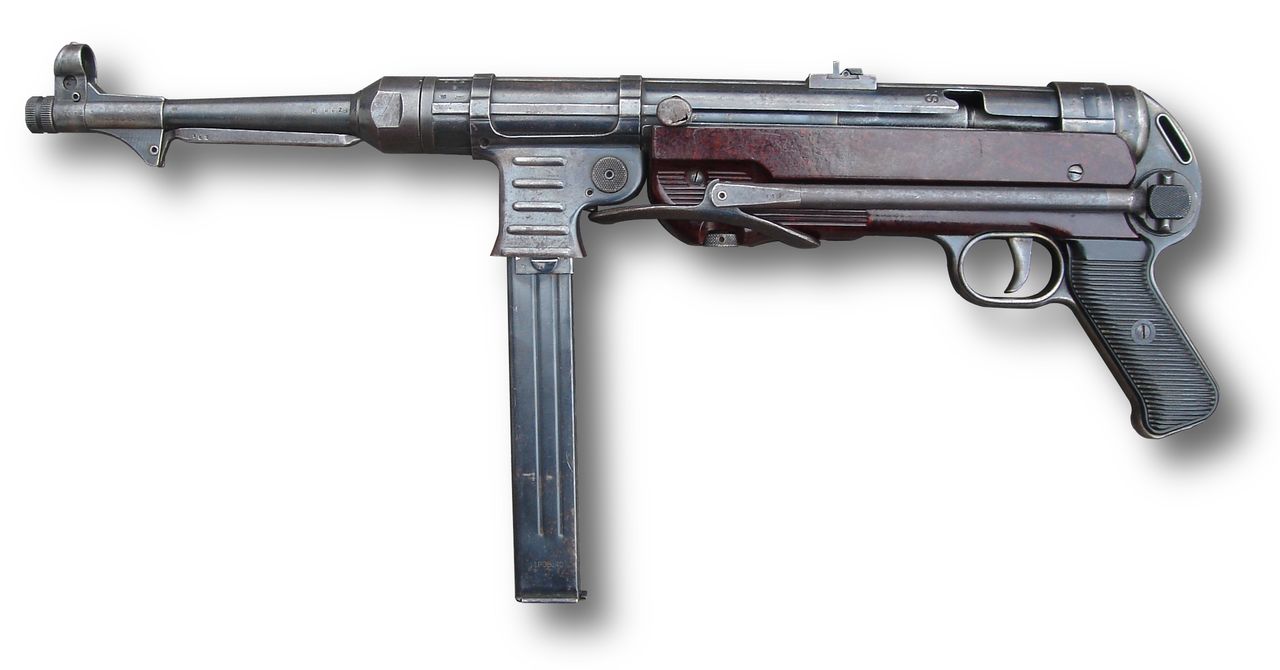
The strongest claim goes to Heinrich Vollmer and the Erma company. Firearms historians tracing the gun’s development point to Erma’s EMP36 prototype as a major step toward the MP38 and then the MP40.
According to detailed technical analysis published by Forgotten Weapons, the EMP36 carried key layout features that clearly anticipate the later service gun. Vollmer’s work is especially visible in the compact shape, folding stock concept, and overall handling philosophy.
The MP38 came first as a more expensive machined design. The MP40 followed as a wartime simplification that used more stamped parts, making it faster and cheaper to build in large numbers once Germany was fully mobilizing for industrial war.
Why Schmeisser’s Name Stayed Attached Anyway
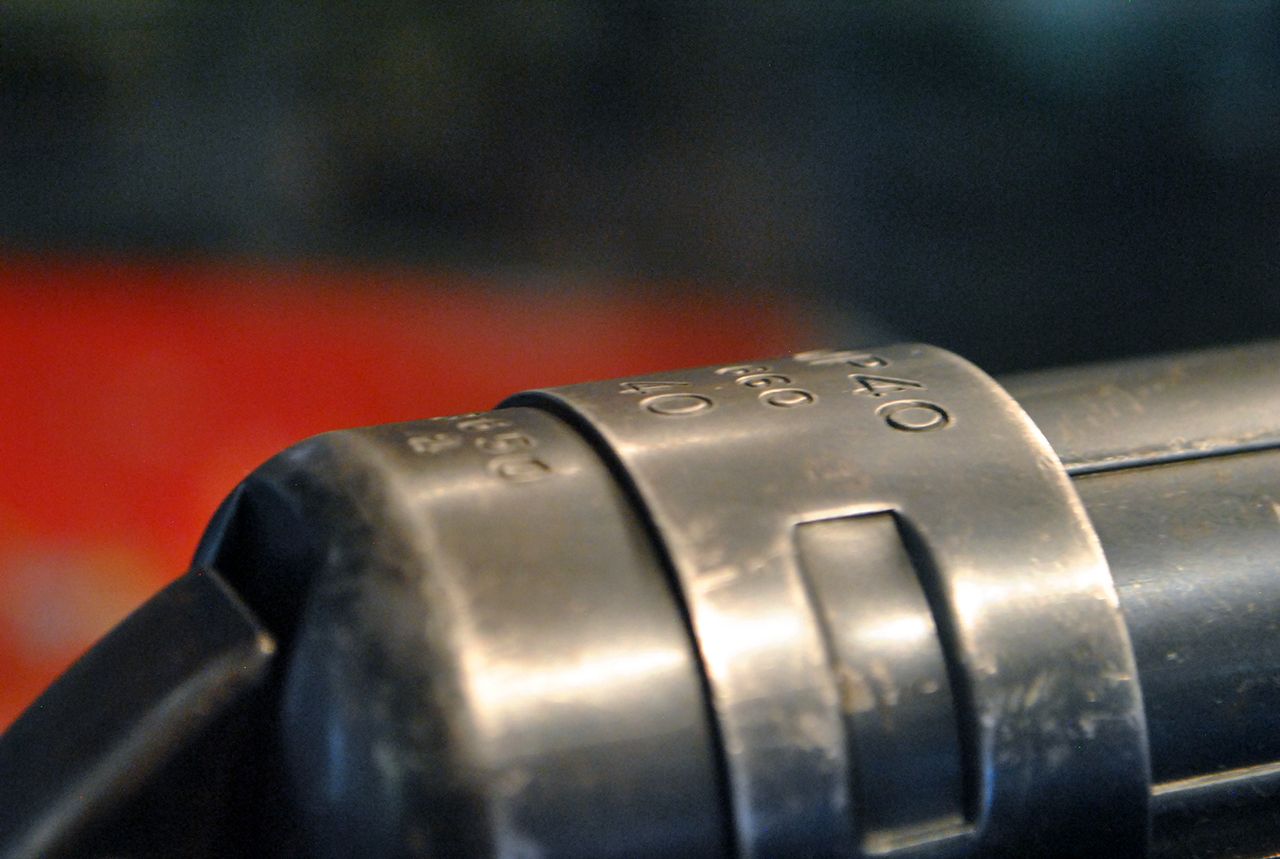
Names in weapons history often stick for emotional reasons, not technical ones. “Schmeisser” was easier to remember, easier to say, and already connected with German automatic weapons in the public imagination.
There was also a legal and industrial wrinkle. Schmeisser’s patent work on magazines gave his name a tangible link to the weapon family, even if that link was narrower than most people realized.
Once front-line soldiers, intelligence reports, and later war films repeated the term, the error became self-reinforcing. A catchy nickname can outlive factory records, engineering drawings, and careful historical research by decades.
The MP40 Was A Team Product Of German Industry
Another reason the myth survives is that people like tidy stories. In reality, the MP40 was not the product of one lone genius sketching a masterpiece on a workbench.
It emerged from a chain that included earlier German submachine-gun development, army requirements, prototype trials, industrial redesign, and mass-production pressures. Erma played a central role, while firms such as Steyr also manufactured the weapon in quantity during the war.
That broader context matters because it explains why the gun looks the way it does. The MP40 was built for practical wartime production, portability, and controllable automatic fire, not for preserving any one inventor’s pure original vision.
Why The Misnomer Still Matters Today
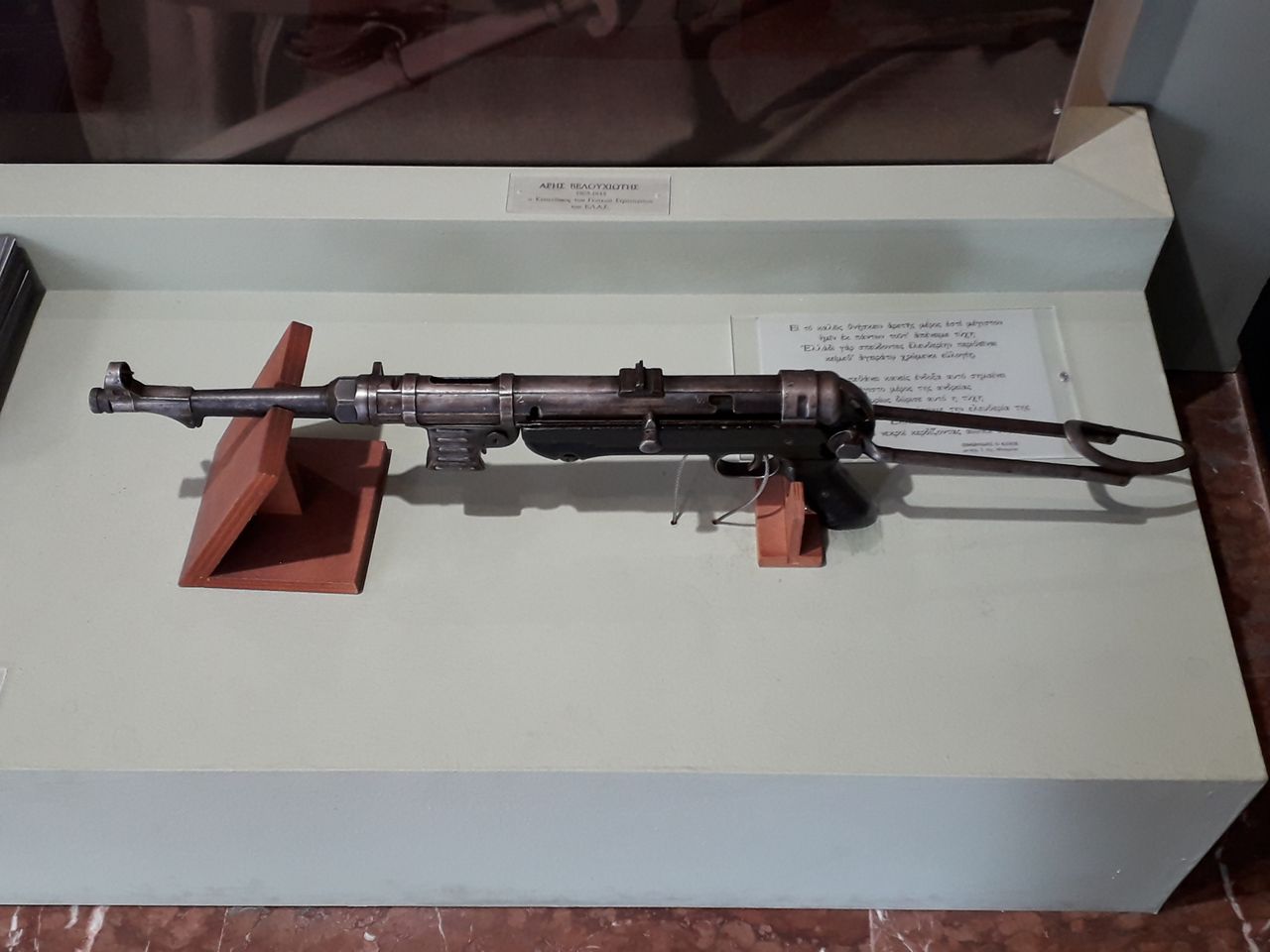
This may sound like trivia, but it is a useful reminder about how military history gets flattened into legend. Repetition can make a mistake feel true, especially when pop culture keeps reinforcing it.
Calling the MP40 a “Schmeisser” is not just a small naming error. It blurs the work of Heinrich Vollmer, obscures Erma’s role, and hides how much weapons development depends on companies, patents, tooling, and state procurement systems.
So the MP40 is named after a man who never designed it only in the loose, popular sense. Officially, it was never named after him at all, and that is exactly the point.