Some cartridges disappear when the uniforms move on. The .45-70 Government did the opposite.
It started with a serious military pedigree
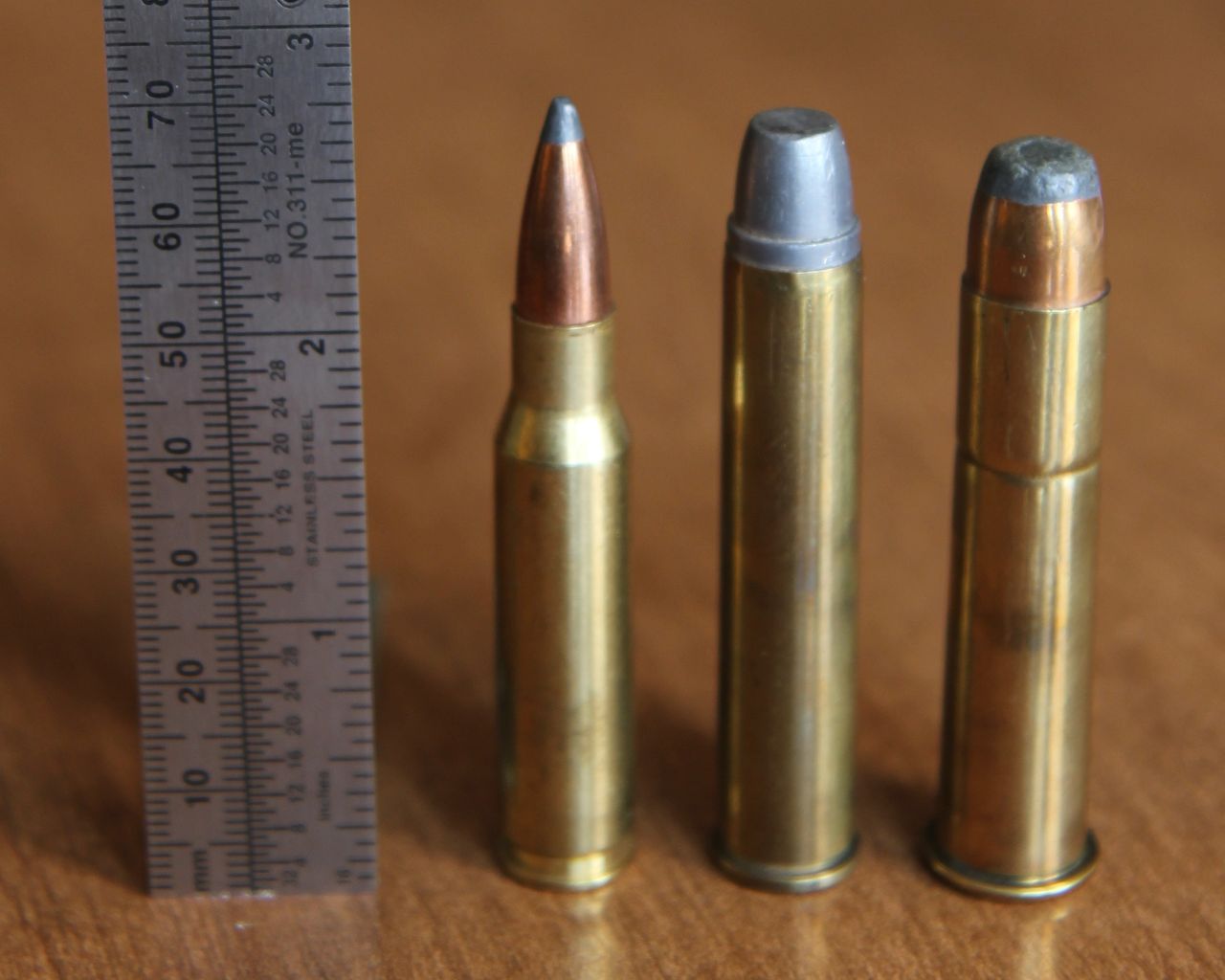
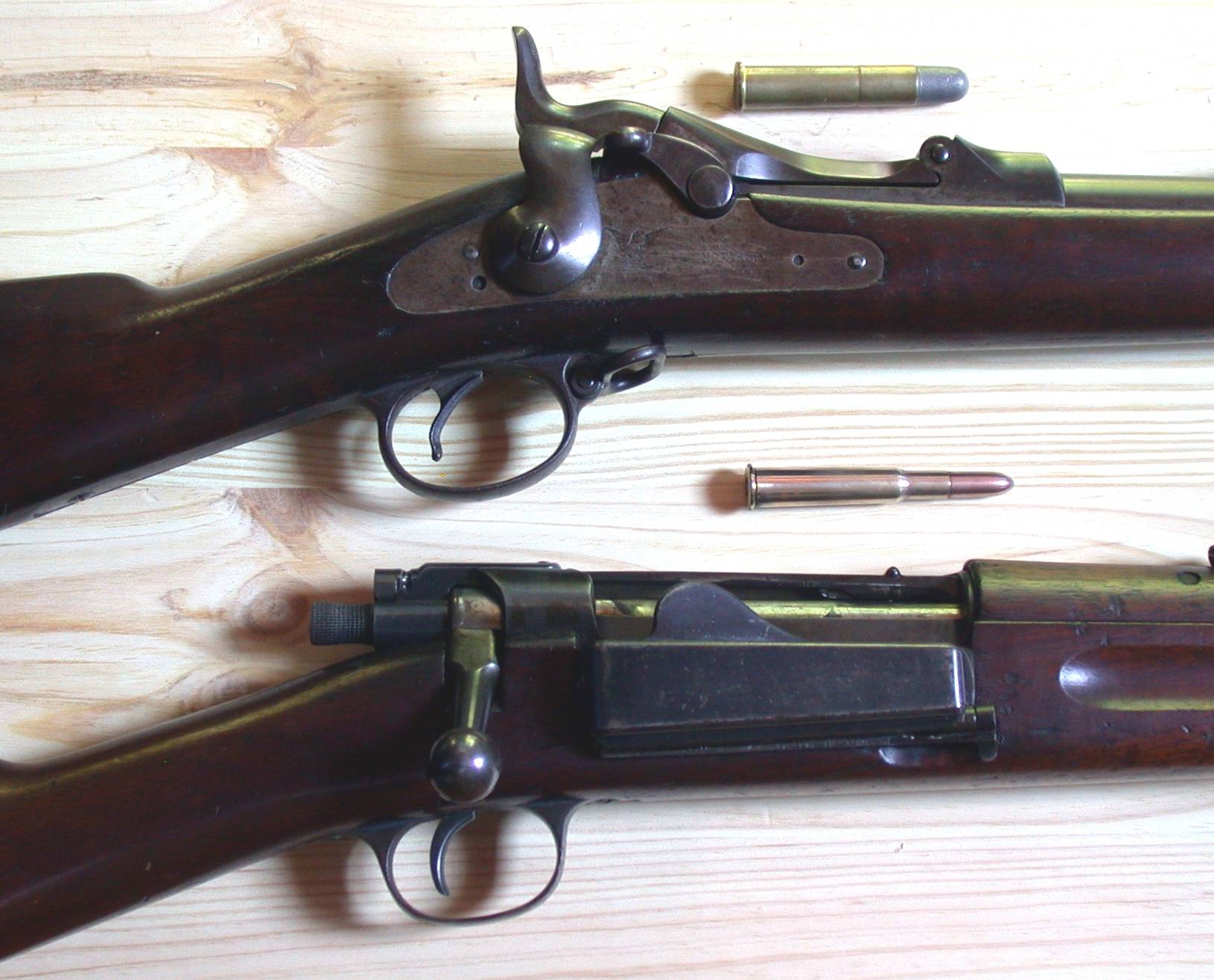
The .45-70 Government arrived in 1873 with the Springfield Model 1873, and its name told you exactly what it was: a .45-caliber bullet over 70 grains of black powder. That kind of plainspoken labeling fit the era. It was built for a government that wanted standardization, reach, and dependable power from a service rifle.
Springfield Armory records show the trapdoor rifles and carbines in .45 caliber served widely on the frontier, and more than 500,000 were produced in that family. The National Park Service notes later variants also used heavier 500-grain bullets in some loadings. That gave the cartridge an early reputation for authority, not novelty.
Even after the Army adopted the Krag-Jorgensen in 1892, the old .45-70 did not vanish overnight. Army historical material shows the transition took time, with some units still carrying .45-caliber Springfields into the Spanish-American War period. That long overlap helped the round move from military issue to civilian familiarity.
Civilian shooters already had reasons to keep it alive
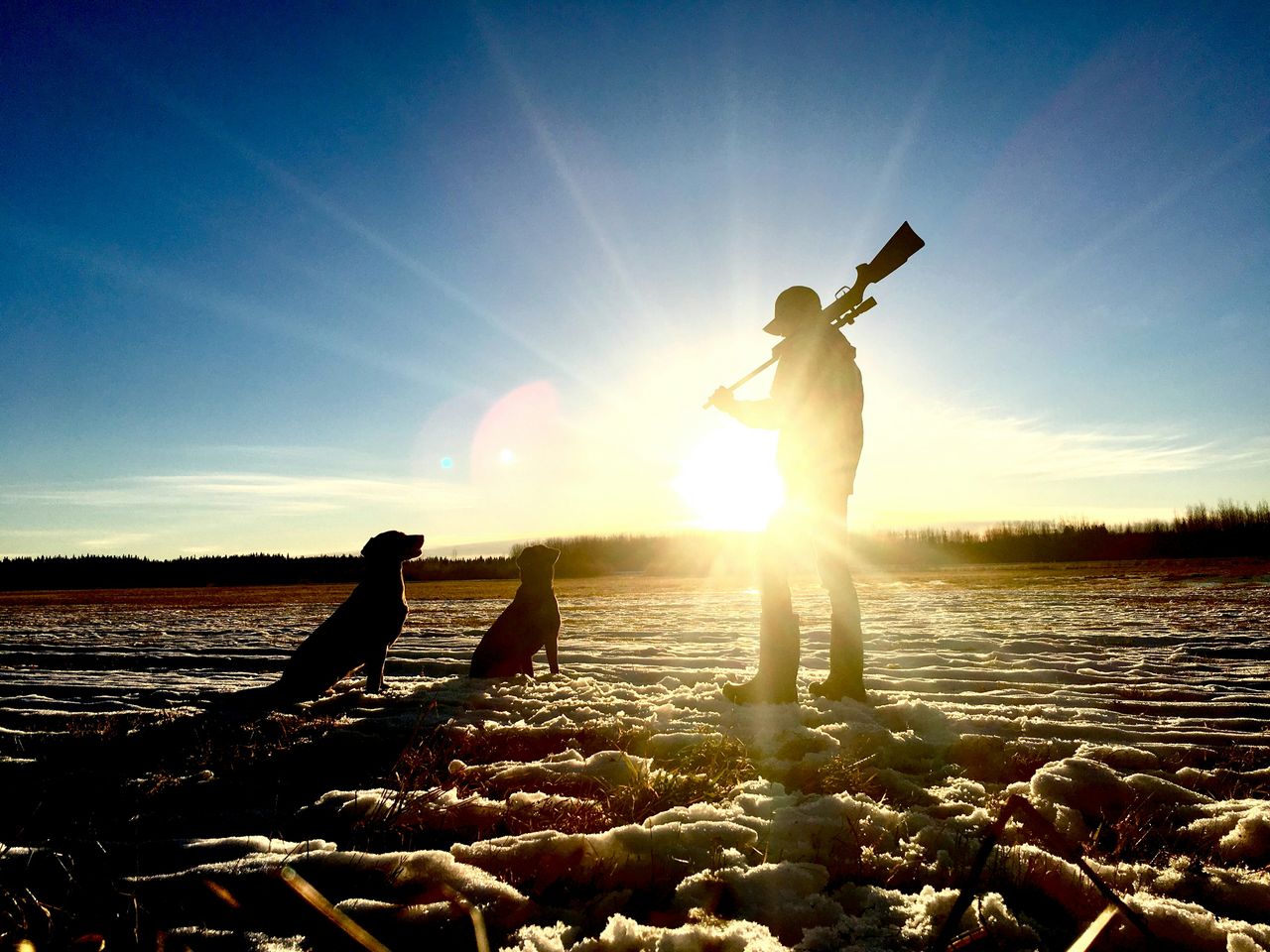
Military retirement usually kills a cartridge when nobody outside government wants it. The .45-70 escaped that fate because hunters, ranchers, and outdoorsmen had already found uses for it. It hit hard, penetrated well, and worked at the distances where a lot of real hunting actually happens.
Marlin’s own company history points to the Model 1881 as an early repeating rifle chambered for big bores like the .45-70. That mattered. Once the cartridge moved from single-shot military rifles into repeaters, it became more useful to ordinary shooters who cared less about parade-ground doctrine and more about fast handling in the field.
The round also fit the American frontier mindset. It was simple, visible in effect, and forgiving of imperfect conditions. In an age before laser rangefinders and premium optics, that kind of practical power went a long way toward building loyalty.
Lever actions gave it a second life
The biggest reason the .45-70 survived is that rifle makers kept finding new homes for it. Stronger lever guns, especially the Winchester 1886 and later the Marlin 1895, let the cartridge evolve beyond its original black-powder envelope. Same basic case, very different potential.
Modern manufacturers still lean into that formula. Ruger’s 2021 relaunch of the Marlin 1895 SBL put .45-70 front and center, which says a lot about enduring demand. Henry continues to chamber multiple rifles in .45-70 as well, pitching the round for large game, deer, bear, hogs, moose, and elk at practical hunting distances.
That continuing factory support is everything. A cartridge survives when rifle companies keep building guns for it, ammo makers keep loading it, and customers keep buying both. The .45-70 has managed that cycle for well over a century.
It stayed useful because power never goes out of style

The .45-70 is not sleek, flat-shooting, or subtle. That is part of the appeal. At close to moderate ranges, a heavy bullet moving at sensible speed solves problems with blunt efficiency, especially on large animals where penetration and bullet construction matter more than velocity bragging rights.
Federal’s published data for a 300-grain .45-70 load lists muzzle velocity around 1,850 fps, which is plenty for the cartridge’s intended role. Hornady has argued that modern bullet design, especially FTX-style projectiles, helped stretch the round’s practical field reach beyond the old rainbow-trajectory stereotype.
Nobody serious claims it is the best answer for every hunt. But that was never the test. The test was whether it remained effective enough to justify its recoil, arc, and limited range advantages. For many hunters, especially in thick cover, the answer stayed yes.
It adapted to modern ammo without losing its identity
A major secret to the .45-70’s longevity is that it evolved in layers. Old trapdoor Springfields need mild ammunition. Stronger lever actions can handle more. Modern single-shots and very strong actions can go farther still. Few 19th-century cartridges have remained relevant by stretching across that many eras of gun design.
Hornady specifically notes that .45-70 load levels differ by platform strength, which is a polite way of saying the cartridge has grown up carefully rather than all at once. That flexibility let reloaders and manufacturers modernize performance without abandoning the original case dimensions that made the round famous.
So the .45-70 never had to become something else. It stayed itself recognizably while absorbing better powders, stronger actions, and smarter bullets. That balance between tradition and usable improvement is rare in the firearms world.
The legend matters almost as much as the ballistics
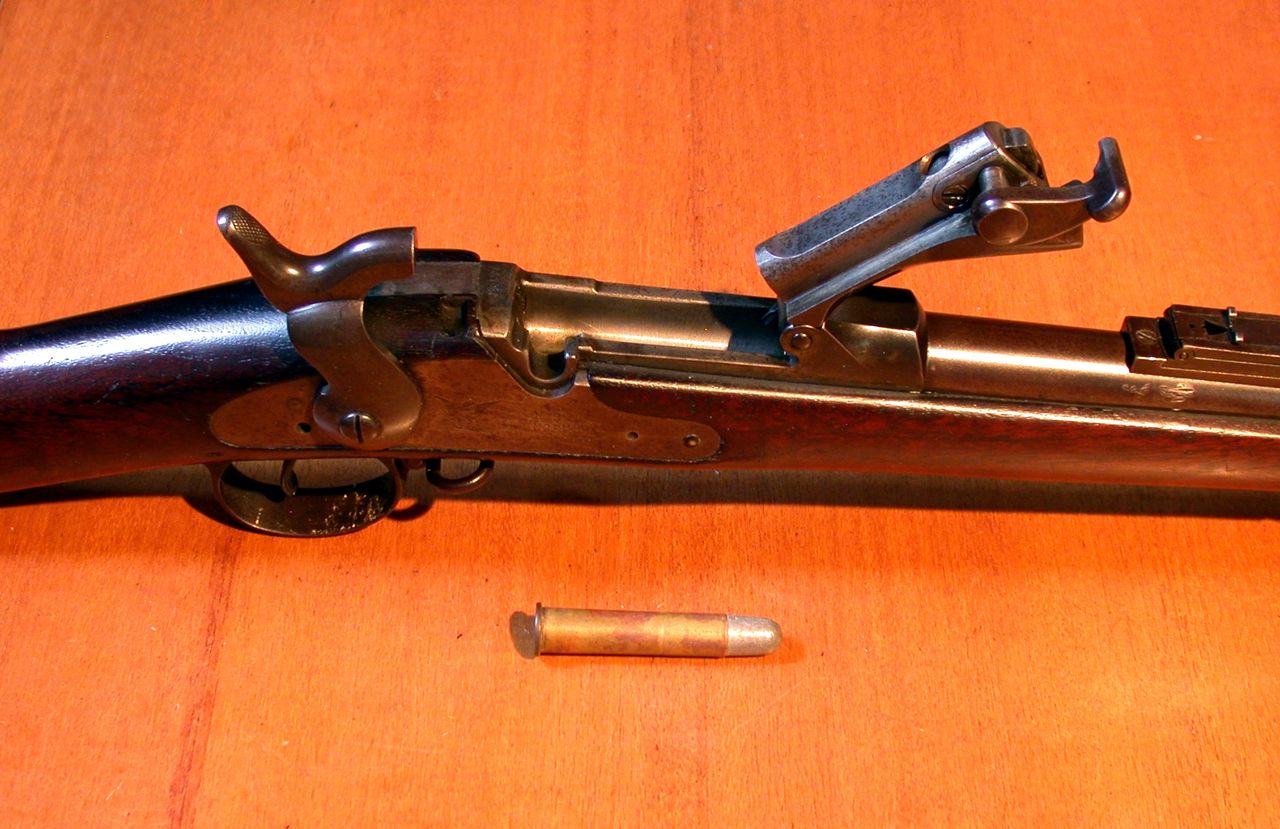
Cartridges survive on performance, but they endure on story. The .45-70 carries military history, buffalo-era imagery, lever-gun romance, and backcountry credibility all at once. That combination is hard to beat, even in a market crowded with faster, flatter, newer options.
Writers at Field & Stream and Outdoor Life still talk about .45-70 guide guns as sensible bear-country companions, especially in short, quick-handling rifles. That keeps the cartridge visible to a new generation of hunters who may never own a trapdoor Springfield but still understand the appeal of a hard-hitting lever gun.
In the end, the .45-70 Government survived because it never became irrelevant where real people used rifles. The Army moved on for good reasons. The rest of America did not, and that made all the difference.