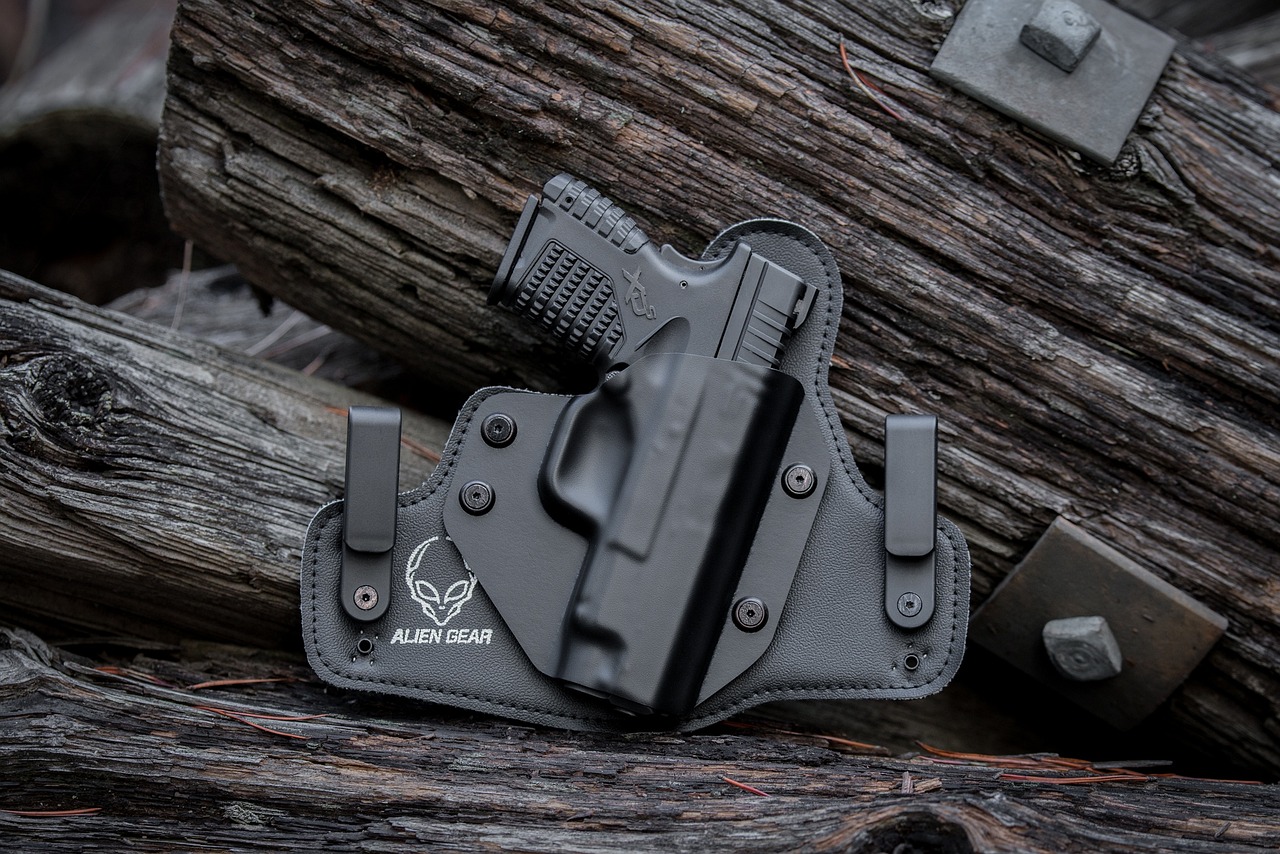
Some gear changes happen loudly. The important ones usually happen in silence.
The old recommendations were not wrong, but they were built for a different moment

For years, experienced carriers recommended what made sense at the time: larger compact pistols, heavier calibers, plain iron sights, and setups proven by police duty use. That advice came from real experience, not marketing. The problem is that the context around concealed carry has changed faster than many people expected.
A decade ago, a trusted recommendation often meant a Glock 19-sized pistol, maybe a .40 S&W holdover, or a slim single-stack 9mm for deep concealment. Those guns earned their reputations honestly. They were reliable, easy to support with holsters and magazines, and close enough to what instructors and law enforcement were carrying that parts, classes, and institutional knowledge all flowed in the same direction.
But experienced carriers are now reassessing those legacy recommendations because the tradeoffs look different in 2026 than they did in 2016. The FBI’s widely circulated 9mm white paper helped formalize the modern argument that better shooter control, higher capacity, and reduced recoil matter more than caliber nostalgia. That logic has only become more persuasive as ammunition performance and pistol design improved. According to the NSSF, compact and subcompact handguns continue to dominate concealed-carry demand, which tells you where the practical market has gone, even if old advice still echoes in gun shops and online debates.
Recoil management is beating caliber loyalty in the real world

One of the biggest reasons seasoned carriers are changing guns is brutally simple: guns that are easier to shoot well tend to get carried longer and practiced with more often. That sounds obvious, but it cuts directly against years of macho gun culture that treated harsher recoil as a fair price for seriousness. Many veterans of the .40 era have quietly concluded that the price was too high.
The modern 9mm argument is not really about fashion. It is about measurable performance under realistic conditions. The FBI training rationale that pushed agencies back toward 9mm emphasized less recoil, faster follow-up shots, improved qualification outcomes, and no meaningful terminal disadvantage when duty ammunition is properly selected. Even people who never cared what the FBI carried noticed the practical lesson: if one cartridge lets more people shoot faster and more accurately, it wins more often where it counts.
That same logic now affects gun size and weight. A heavier, wider pistol may be pleasant on the range, but if it drags on the belt, prints under summer clothes, or gets left at home during quick errands, its theoretical benefits collapse. Many experienced carriers are not moving to smaller 9mm pistols because they have become less serious. They are doing it because years of daily carry taught them that convenience is not separate from readiness. It is part of it.
The rise of optics-ready carry guns changed the recommendation map
Another major reason old favorites are losing ground is the rapid normalization of pistol-mounted red dots. This is not just a competition trend anymore. Training circles around Rangemaster and other respected instructors have spent the last few years wrestling with the same question, and the answer is increasingly clear: optics are no longer fringe equipment for dedicated carriers.
Law enforcement adoption matters here because it changes the entire ecosystem. Surveys reported by Police Magazine and Police1 in 2025 found broad agency authorization for pistol optics, with many officers already carrying them on duty or backup guns. That shift affects holster design, aftermarket support, instructor curriculum, and the number of shooters who can offer serious advice based on hard use rather than theory. Once duty optics became normal, civilian carry recommendations started changing, too.
This has created a quiet split between guns people used to recommend and guns they recommend now. A once ideal pistol may still run flawlessly, but if it is not optics-ready, has a dated sight system, or requires expensive custom milling to keep up, experienced carriers start asking harder questions. They are not abandoning proven guns because those pistols failed. They are moving on because the standard for what counts as complete has changed.
Tiny guns got better, and that broke the old compromise.
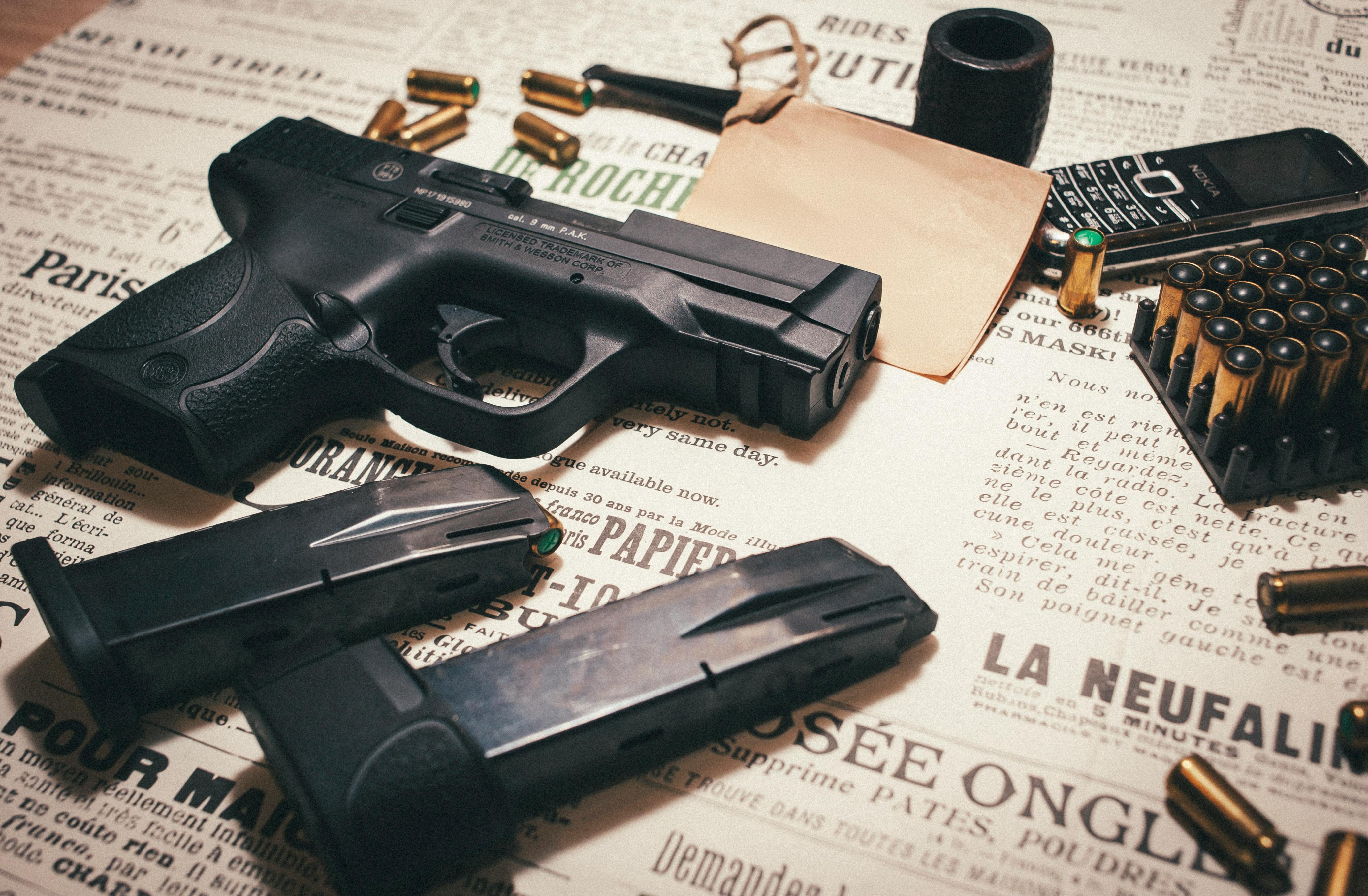
For a long time, small carry guns were tolerated more than loved. They concealed well, but they were snappy, low-capacity, and harder to shoot with confidence. The traditional advice was predictable: carry the biggest pistol you can reasonably hide, because micro guns were emergency tools, not primary fighting pistols. That advice made sense when most tiny pistols genuinely shot like punishment.
What changed is that the new generation of micro-compacts narrowed the performance gap. Better magazine engineering gave carriers double-digit capacity in much smaller frames. Improved grip textures, flatter triggers, and better recoil spring tuning made many of these guns far more manageable than the old pocket-pistol class. That is one reason market studies from the NSSF and industry shipping trends from NASGW keep showing strength in compact and subcompact categories.
For experienced carriers, this creates an uncomfortable but liberating realization: some of the guns they dismissed years ago are now good enough to replace the larger pistols they once considered minimum acceptable standards. Not every micro-compact is easy to shoot, and not every shooter should downsize. But the old rule that smaller always meant dramatically worse is simply less true now. As soon as that changed, long-standing recommendations began to soften.
Training culture is exposing the difference between admiration and actual carry.
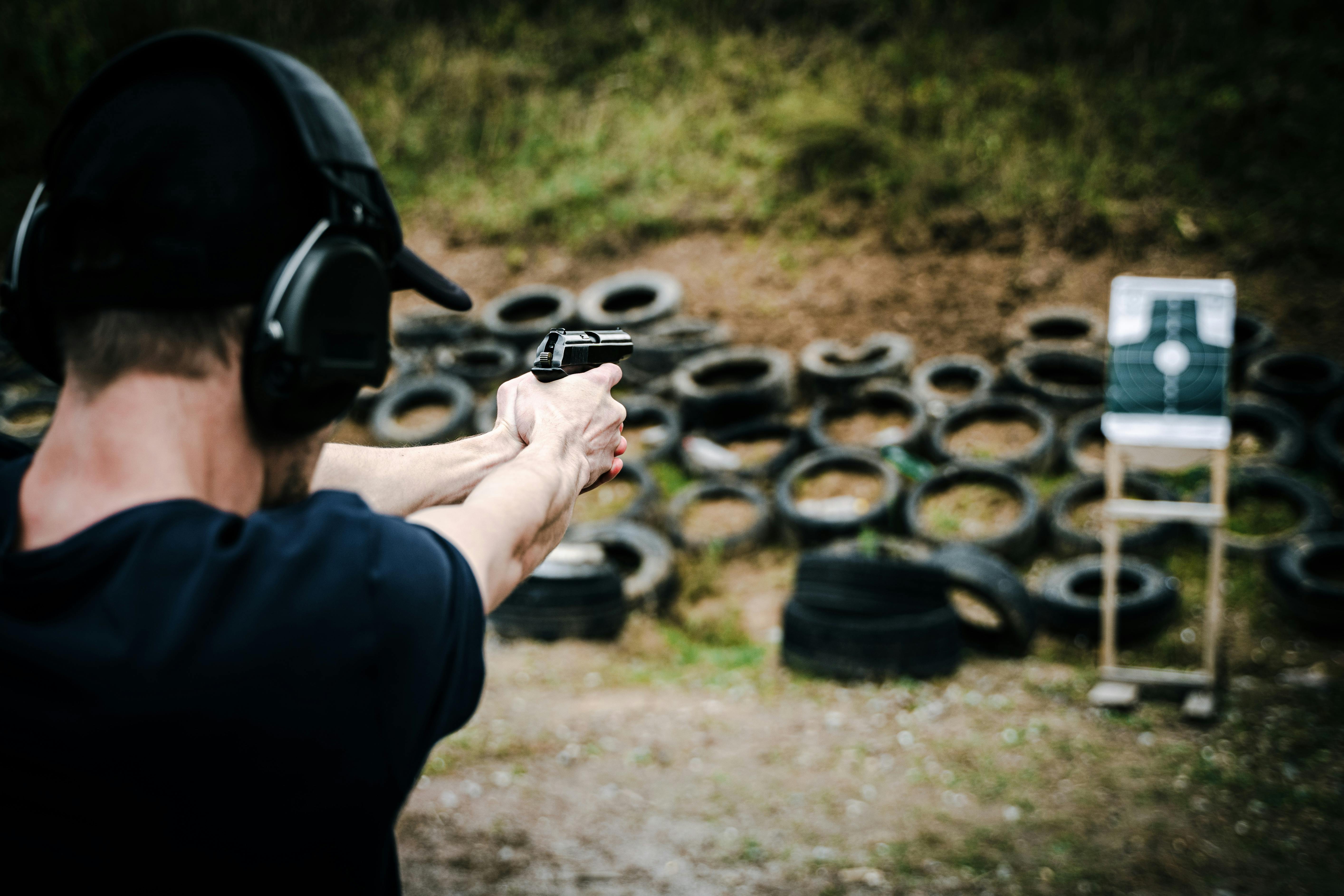
A lot of beloved gun recommendations survived because they were aspirational. People admired them, shot them well in structured range sessions, and spoke about them with the confidence that comes from expertise. But real concealed carry is not a weekend class. It is heat, fatigue, wardrobe restrictions, long drives, office chairs, family routines, and the temptation to leave inconvenient gear behind.
That is why serious instructors often talk less about ideal guns and more about repeatable habits. The FBI’s training documentation underscores a simple truth: proficiency is perishable, and a carry gun only matters if the user can remain competent with it. In the broader training world, instructors discussing optics and carrying guns repeatedly note the same challenge from the other side: new equipment helps, but only if the shooter actually trains enough to exploit it.
Experienced carriers are, therefore, auditing their own lives more honestly. The full-size metal pistol they love may shoot beautifully, but the lighter polymer gun is the one that stays on their person for 14 hours. The old single-stack may hide easily, but a newer compact with better capacity and an optic cut may be the one they practice with more. Quietly moving away from an old recommendation is often less a rejection of the gun than an admission about human behavior.
Reliability standards have become harsher, not looser
There is also a more technical reason for the shift: veteran carriers are more demanding now than they used to be. As the market matured, people began expecting carry guns to do more at once. A serious pistol now has to be reliable with defensive ammunition, tolerate mounted optics, survive high round counts, fit modern holsters, and remain shootable in smaller dimensions. That is a taller order than “it goes bang and conceals okay.”
Older recommendations were often made in a narrower universe. Back then, a gun could be excellent even if it had lower capacity, awkward sights, a proprietary rail, or limited aftermarket support. Today, those shortcomings feel larger because the alternatives are stronger. A gun that once seemed like the obvious answer can start looking like a legacy choice once compared against newer designs built around current expectations.
That is why the shift feels quiet rather than dramatic. Most experienced carriers are not denouncing the guns they used to praise. They still respect them. They may still own them. But recommendation standards evolve when the baseline improves. The same trainer who once told students to accept a hard-kicking subcompact or an irons-only workhorse may now steer them toward a softer-shooting 9mm, an optics-ready slide, and a gun small enough to carry daily without excuses.
What this quiet migration really says about the future of carry guns
The deeper story is not that veteran carriers were wrong before. It is that experience keeps teaching the same hard lesson: the best carry gun is the one that survives contact with ordinary life. That means acceptable recoil, enough capacity, dependable performance, easy concealment, and sights the shooter can use fast under pressure. Increasingly, that package looks different from the one many experts recommended ten years ago.
This is also why the migration is happening without much fanfare. In gun culture, changing your mind can look like weakness, especially if you spent years defending a certain platform. But among people who have carried for a long time, practical humility usually wins. They are not chasing novelty. They are trimming away romance and keeping what still works.
So when experienced carriers move away from the guns they recommended for years, pay attention. That kind of change usually means the evidence piled up slowly and became impossible to ignore. The new consensus is not built around bigger calibers, brand loyalty, or nostalgia. It is built around shootability, consistency, modern optics, and the reality that a carry gun earns its place every single day, not just in the stories told about it.