Some cartridges fade away quietly.
The .30-30 never does, because it still works too well to disappear.
The word obsolete means different things to different hunters
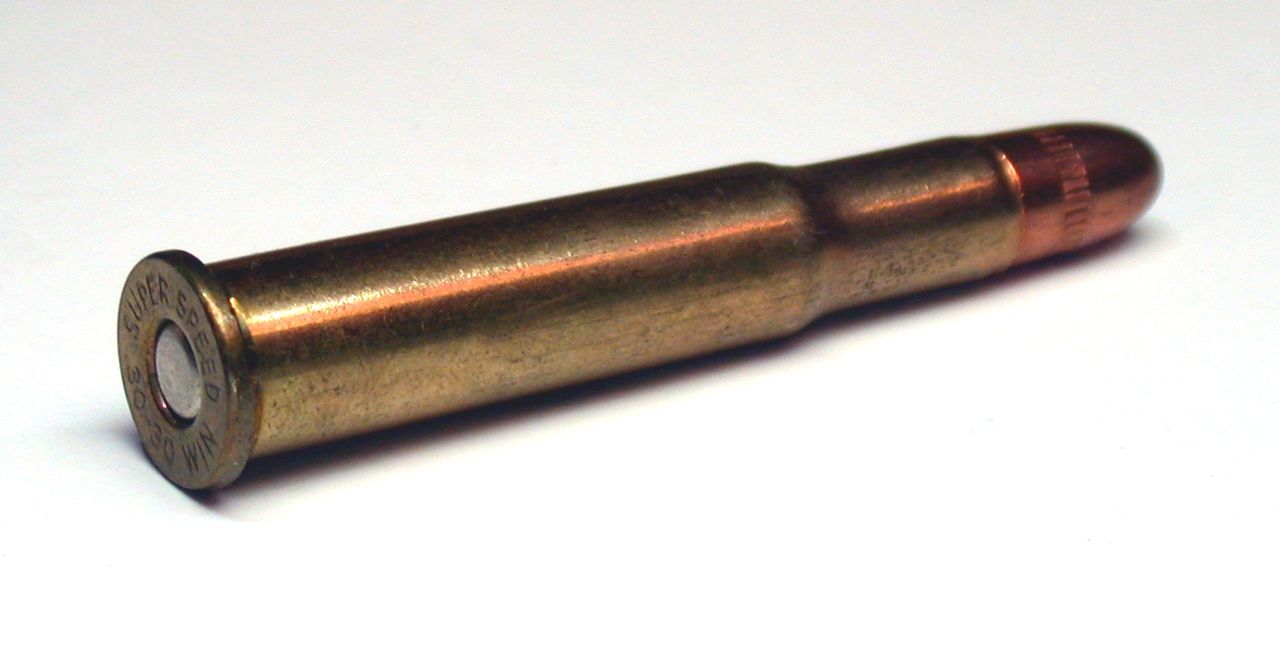
When hunters call the .30-30 obsolete, they usually do not mean it suddenly stopped killing deer. They mean the market moved on. Modern bolt guns, flatter-shooting cartridges, rangefinders, and dial-up optics changed expectations, especially for hunters who now see 300-yard performance as a basic standard.
That shift matters because the .30-30 was built for a different style of hunting. Introduced in 1895 for the Winchester Model 1894, it became America’s classic woods cartridge and earned a reputation for taking huge numbers of whitetails over the last century. Field & Stream and Kansas Wildlife & Parks both note that its deer-hunting legacy is hard to overstate.
So the argument is really about context. In open country, the .30-30 looks dated. In timber, creek bottoms, thickets, and broken hills, it still looks very smart.
Ballistics are the biggest reason critics keep taking shots at it
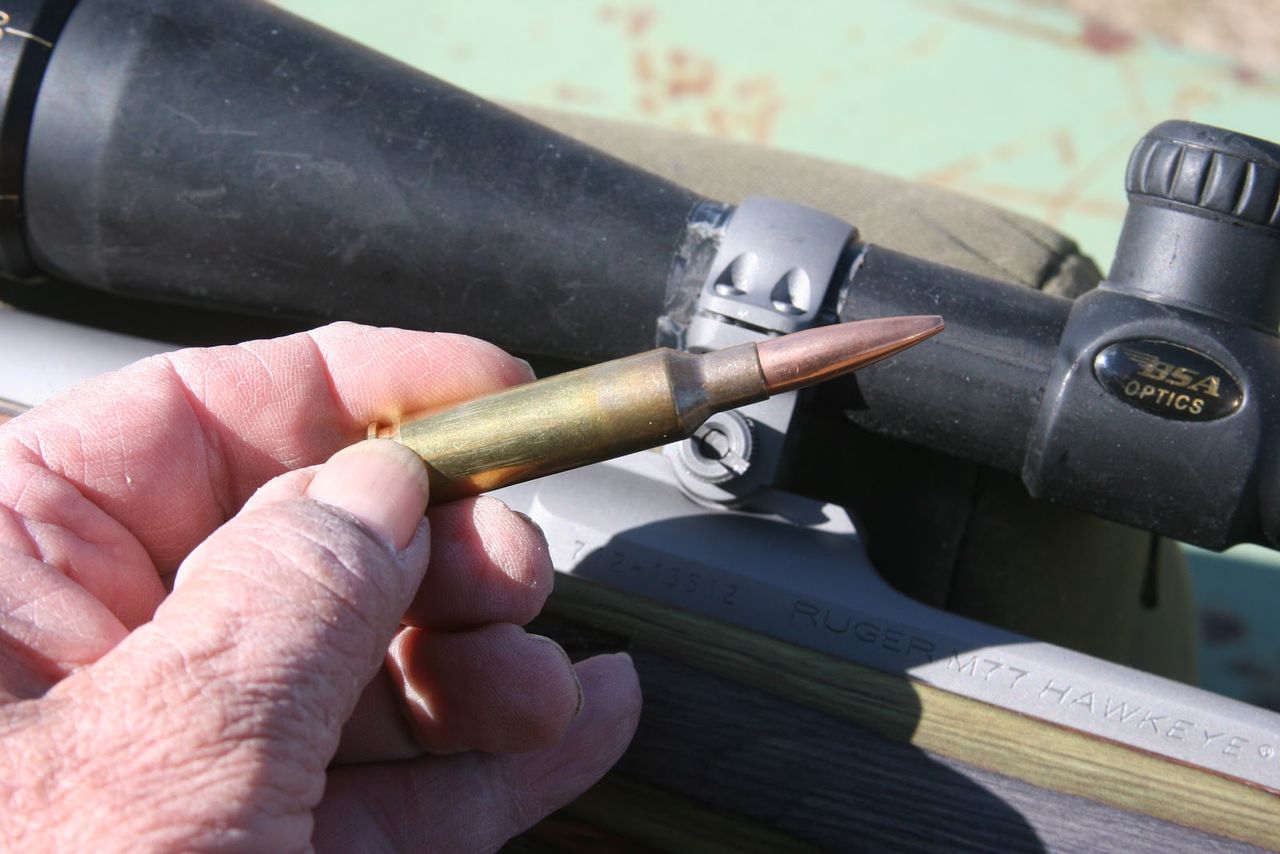
The .30-30’s critics usually start with trajectory, and they have a point. Traditional 150-grain and 170-grain loads are moderate-velocity rounds, not laser beams. Compared with cartridges like the .308 Winchester, .270 Winchester, or 6.5 Creedmoor, the .30-30 drops faster and gives hunters less margin for ranging errors.
That weakness became more obvious as hunting culture leaned into distance. According to recent coverage from Field & Stream and Outdoor Life, the cartridge’s biggest disadvantage is not power on deer-sized game but the fact that higher-velocity rounds extend practical range and opportunity. That is a real limitation, not internet snobbery.
Even so, limitation is not the same as uselessness. Inside 150 to 200 yards, especially in brush-country conditions, the .30-30 still delivers the kind of terminal performance hunters have trusted for generations.
Modern ammunition kept the old round more alive than many expected
If the .30-30 were truly dead, ammo companies would have stopped investing in it. They have not. Hornady’s LEVERevolution line was one of the biggest developments, using a flexible-tip bullet designed to be safer in tubular magazines while improving ballistic efficiency over classic flat- or round-nose designs.
That mattered because lever guns had long been tied to blunt bullet shapes for magazine safety. Better bullet design stretched the .30-30’s practical reach without asking hunters to abandon the rifle platform they already loved. Marlin literature has even described the cartridge, with modern spire-style flexible-tip ammunition in a 24″ barrel, as capable of turning into a 250-yard deer setup.
Traditional loads are still widely available too, which says a lot. You do not keep seeing factory support from major brands if demand has truly vanished.
The rifle platform drives the debate as much as the cartridge

A lot of this argument is really about lever actions. The .30-30 is inseparable from rifles like the Winchester 94 and Marlin 336, and those rifles carry both strengths and baggage. They are trim, quick to shoulder, easy to carry, and excellent in thick cover where fast shots happen at modest distance.
But they also compete in a market full of inexpensive, accurate bolt guns. Many new hunters can buy a budget bolt-action rifle with an optic-ready receiver and pair it with a flatter cartridge for less money than a desirable lever gun. That price-to-performance comparison makes the .30-30 look old-fashioned even when it remains effective.
At the same time, manufacturers keep bringing these rifles back because demand remains strong. Ruger reintroduced the Marlin 336 Classic in .30-30 in 2023, which is not something companies do for a cartridge nobody wants.
Culture, nostalgia, and hunting style keep the argument alive
The .30-30 also survives because hunting is not only about ballistic charts. For many people, it is a family rifle, a first deer rifle, or the gun that still feels right in November hardwoods. Hunters keep inheriting them, carrying them, and proving in real conditions that old tools can remain useful.
There is also a philosophical divide. One camp wants more range, more precision, and more versatility. The other values getting closer, moving quietly, and carrying a light rifle that points naturally. The .30-30 rewards the second style, which is why some hunters defend it so fiercely.
That emotional loyalty can make the debate sound irrational. It is not. It reflects two different ideas of what successful hunting should look like.
So is the .30-30 obsolete or just out of fashion
In the strict technological sense, yes, the .30-30 has been surpassed. Newer cartridges shoot flatter, hold energy better at distance, and fit today’s optics-driven hunting culture more neatly. If your world is bean fields, Western draws, or regular 300-yard shots, the .30-30 is no longer the obvious answer.
But obsolete should mean no longer useful, and that is where the claim falls apart. Outdoor Life recently called it the top-selling lever-action cartridge, and experienced gun writers still describe it as a fully viable deer round for 200 yards and in. That is not a museum piece. That is a specialist.
So hunters still argue because both sides are partly right. The .30-30 is outdated by modern standards, but in the places and distances it was built for, it is still very much alive.