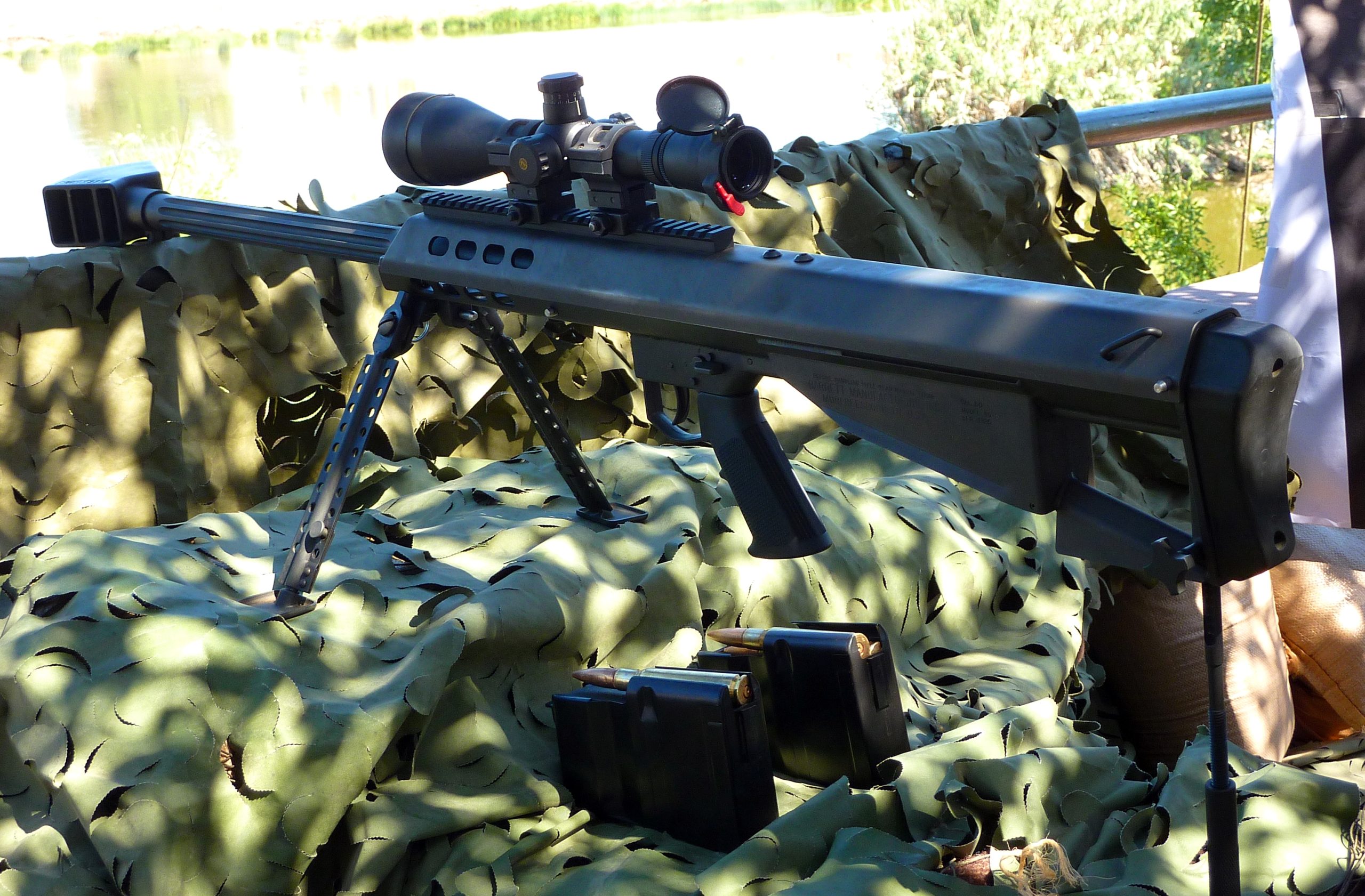
Bullpup rifles look unusual for a reason. Their layout is not a styling exercise, but a direct response to the problem of keeping a full-length barrel in a shorter overall package.
What makes a bullpup different
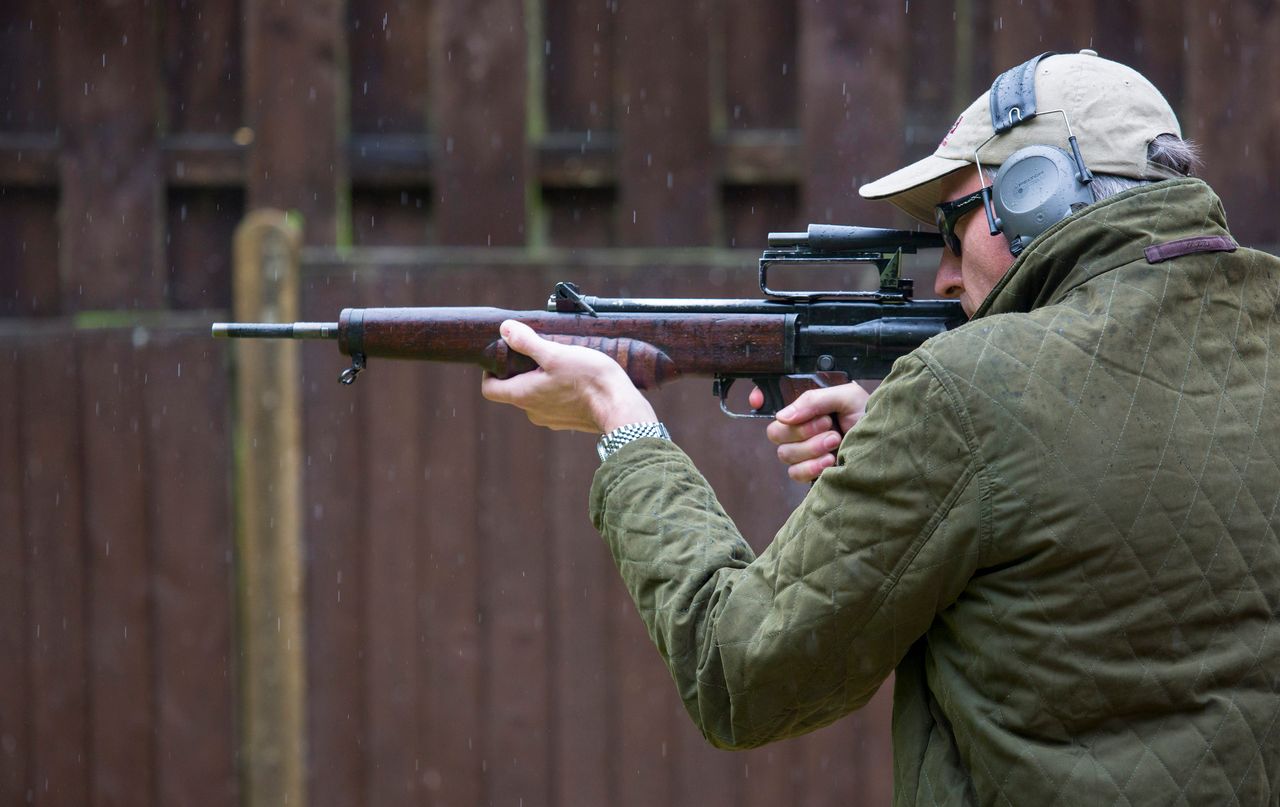
A bullpup rifle places the action, chamber, and magazine behind the trigger group instead of in front of it. In a conventional rifle, those components sit between the shooter’s hands, which stretches the gun forward and lengthens the receiver area.
By moving the mechanical core rearward into the stock, designers can shorten the firearm dramatically without cutting barrel length. That matters because barrel length still affects velocity, blast, and handling. The result is a rifle that can stay ballistically capable while becoming easier to maneuver in vehicles, hallways, and dense cover.
The Steyr AUG is one of the clearest examples of this idea in practice. Steyr says its bullpup design produces short overall length while retaining useful barrel options, including a 20″ barrel in a package measuring about 31″ overall, a dimension that would be much longer in a conventional layout.
Why shorter overall length is the main advantage
The biggest reason bullpups exist is efficiency of space. A designer can give the shooter a relatively long barrel while trimming inches off the rifle’s total length, which changes how the gun feels when moving through tight spaces.
That compactness has obvious military and law-enforcement appeal, but it also explains civilian interest. A shorter rifle is easier to store, easier to swing through a doorway, and less fatiguing when the muzzle is not projecting as far out in front. In practical use, that can make the gun feel faster even when actual weight is similar.
The British Army’s SA80 family shows this trade-off clearly. The service lists the rifle at 785 mm overall with a 518 mm barrel, illustrating the bullpup formula: keep a substantial barrel, but compress the rest of the rifle around it.
How the layout changes balance and handling
Shifting the action and magazine behind the firing hand moves more mass toward the shoulder. That usually creates a rear-biased balance, and many shooters notice the rifle feels lively when brought on target because less weight hangs out front.
This balance can be a real advantage during long periods of ready carry. The rifle often feels compact and centered, which helps in confined environments. Steyr describes the AUG as short and well balanced, and that reputation has followed bullpups for decades.
The trade-off is that balance is only one part of handling. Reloads happen farther back and closer to the shooter’s body, often out of direct view. Some users adapt quickly, while others find magazine changes slower than on rifles with a more familiar magazine well in front of the trigger.
The ergonomic compromises shooters notice first
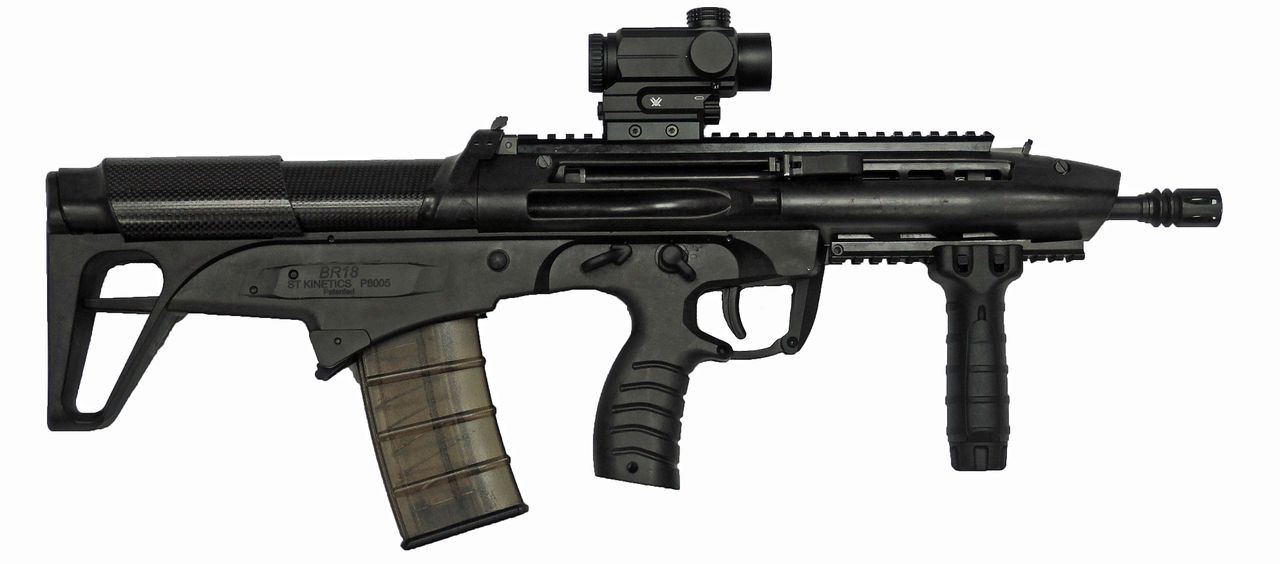
Bullpups ask the shooter to accept a different relationship with the controls. Because the magazine and chamber sit so far rearward, the manual of arms changes. Reaching the magazine release, charging handle, and bolt controls may require techniques that feel less intuitive to shooters raised on conventional rifle patterns.
Trigger feel is another common complaint. Since the trigger sits well ahead of the sear and firing components, designers usually rely on linkages or transfer bars. That extra mechanical distance can make the trigger feel heavier, less crisp, or less predictable than a comparable conventional rifle.
Ejection also becomes a bigger ergonomic issue. With the chamber near the face, handedness matters more. Some rifles solve this with reversible ejection, as Steyr notes on the AUG, while others use forward-eject systems; Desert Tech distinguishes between side-eject and forward-eject MDRX configurations for exactly this reason.
Why maintenance and access can be more complicated
Bullpup rifles are not automatically harder to maintain, but they often package parts more densely. The compact layout can complicate access to the chamber, fire-control linkage, and internal components compared with a traditional rifle that spreads parts over a longer receiver.
Design execution matters enormously here. The AUG earned a strong reputation partly because Steyr built in quick barrel changes and fast field stripping into major groups without tools. That shows a bullpup can be maintenance-friendly if engineers address the layout early rather than treating serviceability as an afterthought.
Still, the rearward action changes where fouling, heat, and mechanical access points live. Cleaning around the chamber area and diagnosing malfunctions can feel less straightforward for new owners. In short, the shorter exterior often means a more tightly packaged interior.
Why the design persists despite the trade-offs
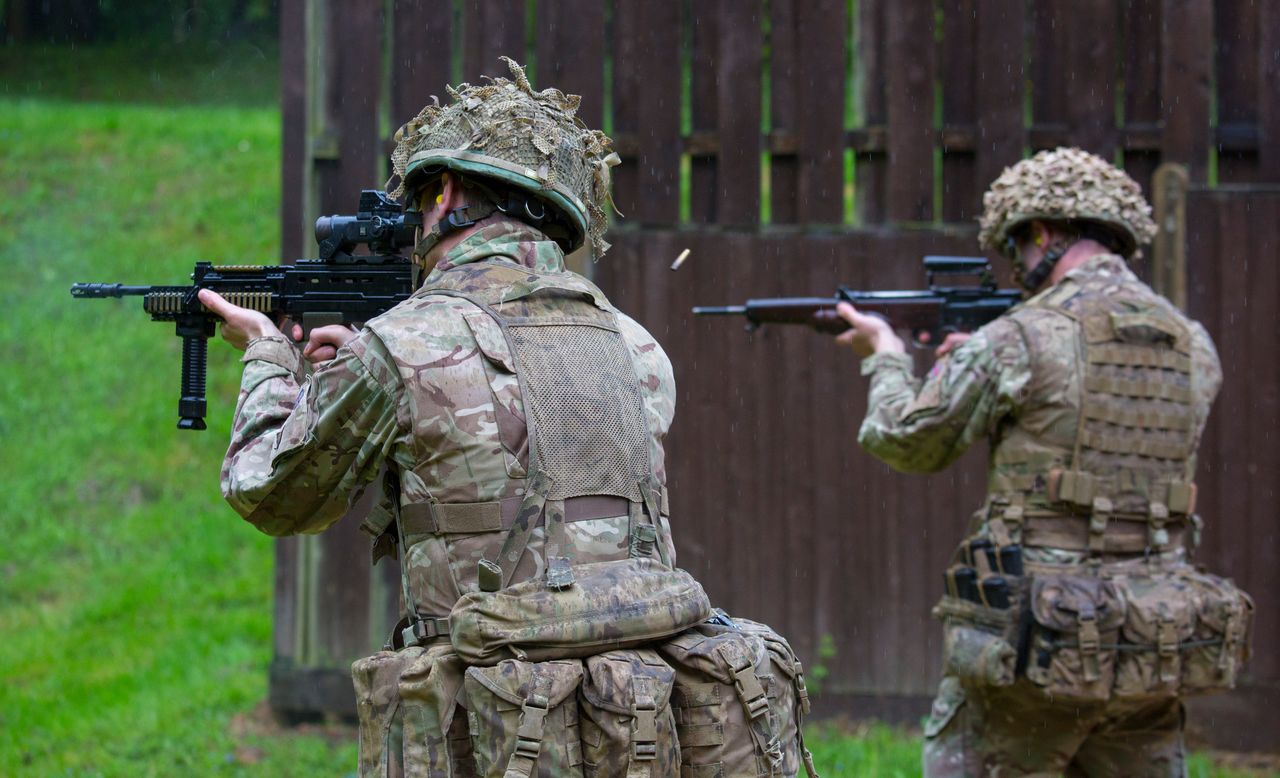
Bullpup rifles survive because the core advantage is real and easy to measure. They deliver more barrel in less total length, and for users working in cramped spaces, that benefit can outweigh unfamiliar controls, different reloads, and a less refined trigger.
That is why so many famous examples remain relevant, from the Steyr AUG to the FN P90 and the British SA80 family. Each reflects the same engineering decision: move the operating system rearward to gain compactness without surrendering performance.
In the end, the bullpup layout is not better in every category. It is a specialized answer to a specific design problem. If you value maneuverability and full-length ballistic potential above conventional ergonomics, the bullpup begins to make a lot of sense.