Some rifles impress on the rack. The Ruger M77 Hawkeye earns its reputation where the trail gets steep, the weather turns ugly, and a single shot has to count.
A rifle built around reliability first
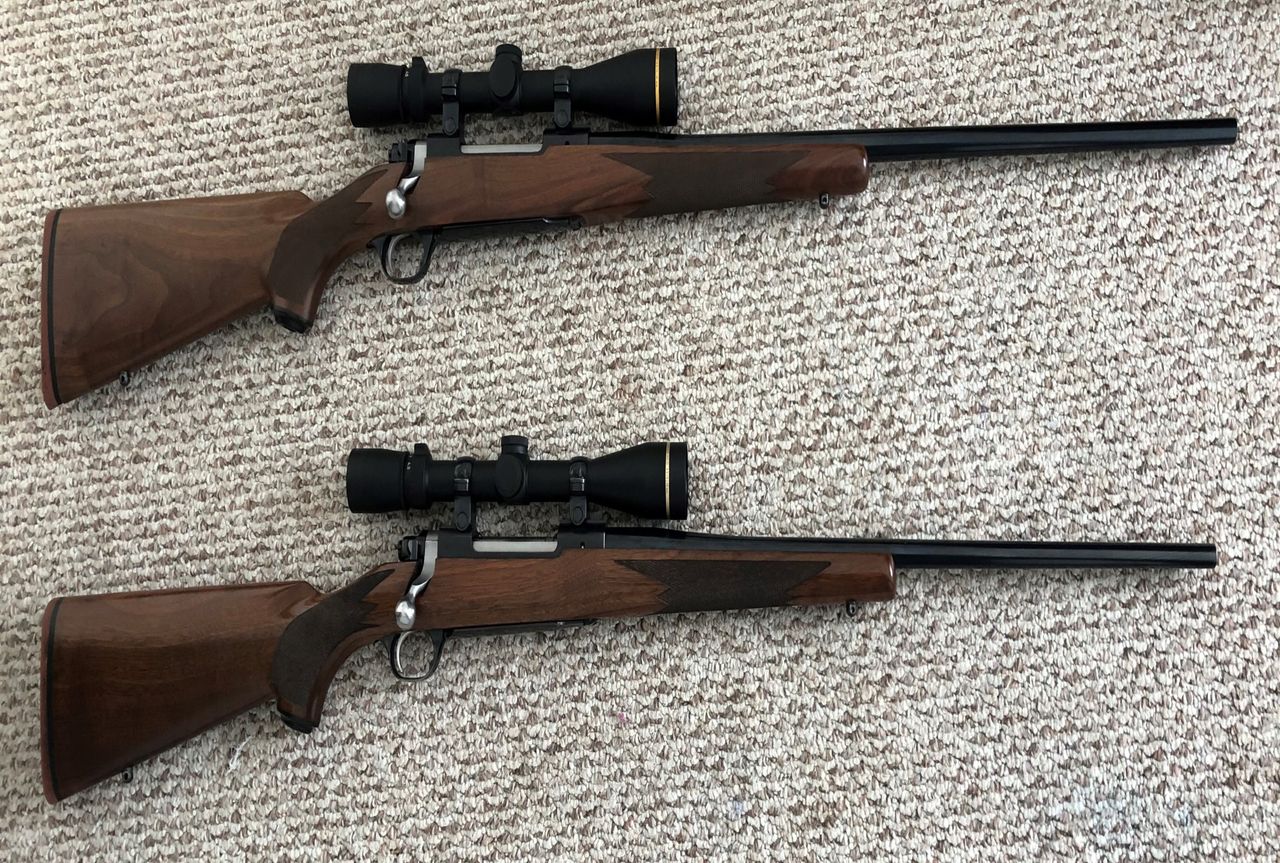
Backcountry hunters prize certainty, and the M77 Hawkeye has always sold certainty better than flash. Ruger’s own description of the platform highlights Mauser-type controlled-round feeding, a large claw extractor, and a three-position safety, which are old-school features for a reason: they keep the rifle running when conditions are less than polite.
That matters more in alpine basins and dark timber than it does on a square range. When a hunter is cycling the bolt from an awkward kneel or while braced against a pack, controlled feed can feel more reassuring than a push-feed system that depends on perfectly clean, perfectly calm handling.
Ruger also built the Hawkeye around hammer-forged barrels and a hinged steel floorplate for fast unloading in camp or at the truck. None of that is glamorous, but it is exactly the kind of practical engineering that appeals to hunters who care more about a clean kill and a safe descent than a trendy spec sheet.
Why the action still matters in rough country
The M77 Hawkeye’s appeal starts with its action, because backcountry rifles are used under stress. A steep sidehill, gloves, sleet, and a quick follow-up opportunity can expose weak ergonomics fast, and the Hawkeye’s controlled-feed layout is designed to stay composed during exactly those imperfect moments.
The three-position safety is another piece hunters appreciate more over time. Reviews from RifleShooter and American Hunter noted that it allows loading and unloading with the safety engaged, which is a meaningful field advantage when climbing into a saddle at dawn or clearing the rifle after a long stalk.
Then there is the LC6 trigger. Ruger introduced the Hawkeye line in 2006 with the LC6 as a major improvement over earlier versions, aiming for a cleaner break right out of the box. Hunters may still tune preferences around it, but the core point is simple: the rifle comes ready to hunt, not ready to become a gunsmithing project.
The Hunter model adds modern utility without losing character
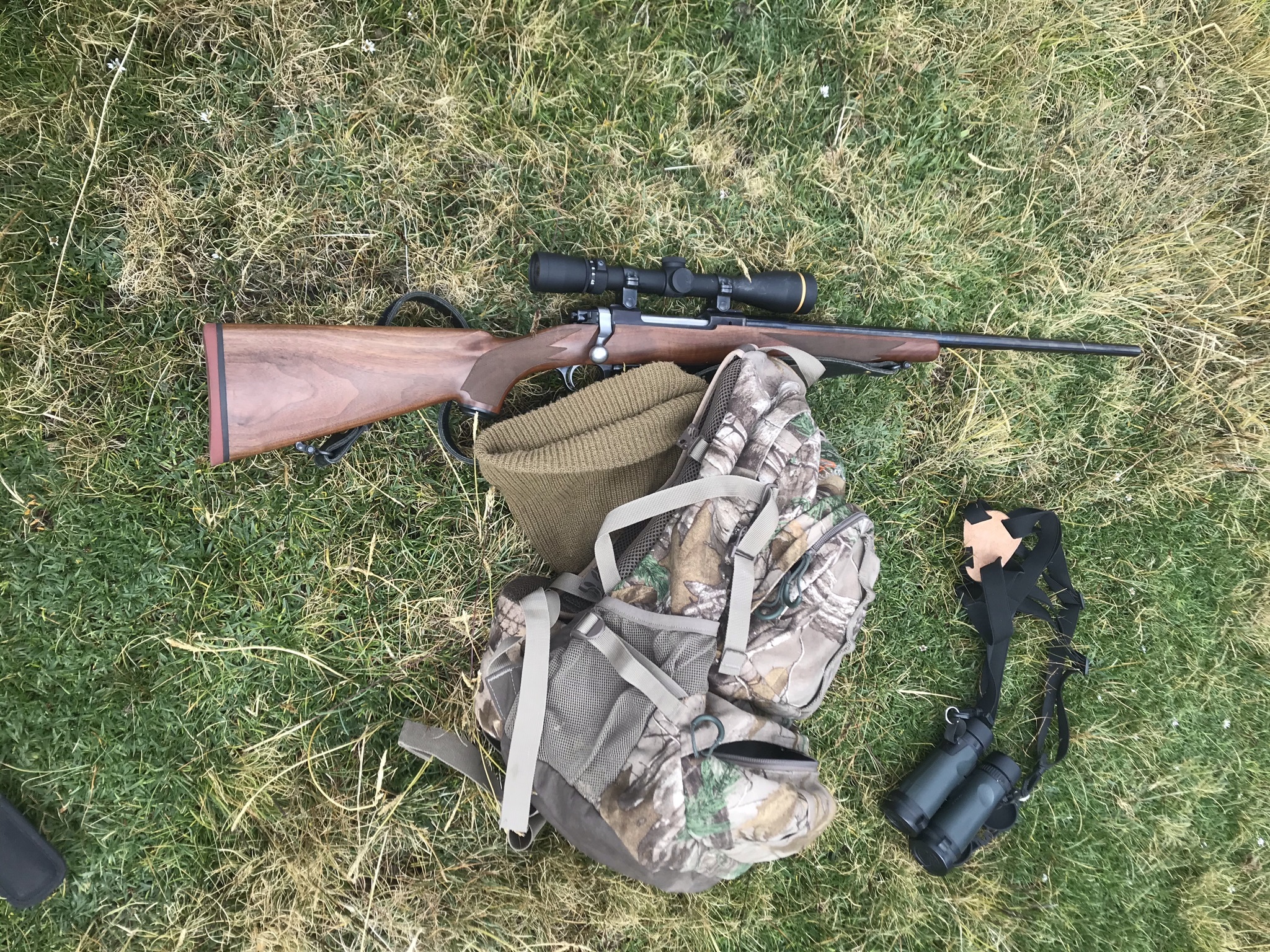
For many mountain hunters, the most interesting version is the Hawkeye Hunter. Ruger introduced it in 2019 with a cold hammer-forged satin stainless barrel, a factory-installed 20 MOA Picatinny rail, an American walnut stock, and a threaded muzzle, blending classic styling with the upgrades modern hunters actually use.
That mix is important. A lot of hunters still want walnut in the hands and steel in the action, but they also want to mount today’s optics securely and add a brake or suppressor where legal and appropriate. The Hunter acknowledges that reality without turning the rifle into a chassis-style system that feels out of place in traditional hunting country.
American Hunter described the Hawkeye Hunter as especially well suited to open country hunting, and that tracks with the rifle’s design. The 20 MOA rail supports longer-range optic setup, while the platform still keeps the familiar hunting-rifle balance that matters when shots appear fast and from uneven ground.
What backcountry hunters actually feel in the field
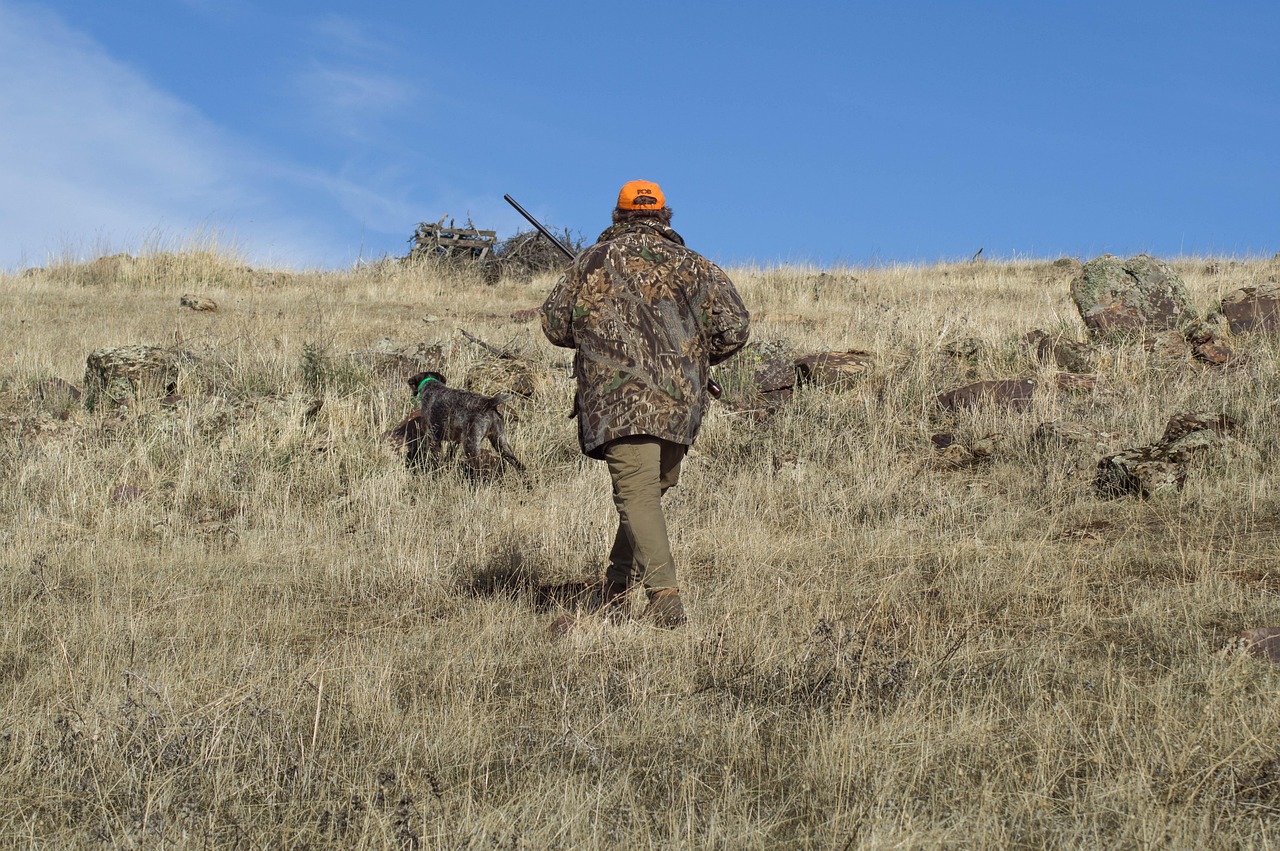
The first thing hunters notice is not benchrest precision but carry behavior. A backcountry rifle lives in the hand, over the shoulder, and lashed to a pack, so balance and snag resistance matter as much as group size. Hawkeye variants have long been marketed around practical handling, and that reputation persists because the rifle feels like a field tool, not a range toy.
The second thing is confidence. In rough weather, stainless steel and simple mechanics reduce worry. Hunters crossing shale, deadfall, or alder tangles tend to value rifles that can be knocked around a bit without drama, and the Hawkeye family has long occupied that rugged, no-nonsense lane in Ruger’s lineup.
Finally, there is the emotional factor that many hunters won’t call emotional. The Hawkeye still looks like a hunting rifle should look. That matters because gear people trust often gets carried more, practiced with more, and ultimately shot better when the one real opportunity of the season steps into view.
The tradeoffs are real, and serious hunters know it
The M77 Hawkeye is not the lightest rifle in camp, and it is not the cheapest path to sub-MOA bragging rights. Compared with many newer polymer-stocked rifles, it often asks the buyer to pay more for machining, steel, and old-pattern action features that do not always show up in a simple accuracy-per-dollar comparison.
That is why the Hawkeye tends to attract a specific kind of hunter. This buyer is usually less interested in chasing the lowest scale reading and more interested in owning a rifle that feels durable, field-repairable, and mechanically trustworthy over many seasons. It is a values decision as much as a ballistics decision.
Reviews over the years have consistently framed the Hawkeye Hunter as a classic-styled hunting rifle rather than a specialized long-range rig. That distinction is useful. Backcountry hunting is rarely a controlled, prone-only exercise, and many hunters would rather carry a rifle that feeds, balances, and unloads well than one optimized solely for paper performance.
Why the Hawkeye still makes sense today

The strongest case for the Ruger M77 Hawkeye is that it resists fads. In a market full of ultralight builds, detachable-magazine everything, and tactical crossover styling, the Hawkeye continues to offer a traditional receiver, controlled-feed action, steel floorplate, and safety system that experienced hunters still understand intuitively.
For backcountry hunters, that translates into a simple promise: fewer surprises when cold fingers, thin air, and a once-a-season shot raise the stakes. The rifle’s modernized Hunter version proves Ruger understands that optics and muzzle devices matter now, but the company wisely kept the Hawkeye’s center of gravity on field reliability rather than trend compliance.
What hunters really get from the Ruger M77 Hawkeye, then, is not just a rifle. They get a durable system with traditional manners, modern enough features, and the kind of mechanical honesty that still earns a place deep in the backcountry.