You can increase your chances of a successful hunt by understanding how scent control works. Animals like deer and elk have extraordinary senses of smell, detecting human odors from hundreds of yards away. Your scent lingers in the air, on clothing, and even on gear, alerting wildlife long before you appear. By applying science-based methods to reduce and manage your odor, you can move undetected, maintain stealth, and dramatically improve your opportunities in the field.
Understanding How Animals Detect Human Scent

You should know that most game animals rely on their noses more than their eyes or ears. Their olfactory systems contain millions of scent receptors that help them identify danger. Even slight wind changes can carry your scent across long distances. Understanding wind direction, humidity, and how scent molecules travel allows you to predict how animals might sense your presence before they see or hear you.
How Scent Molecules Spread in the Environment
You can think of scent molecules as invisible signals drifting through the air. Heat, air pressure, and moisture affect how they move and linger. Warm air rises, spreading scent upward, while cool air pushes it closer to the ground. Learning to read these environmental factors helps you position yourself more strategically. Controlling how scent disperses is as important as minimizing the scent itself.
The Role of Clothing and Gear in Scent Control
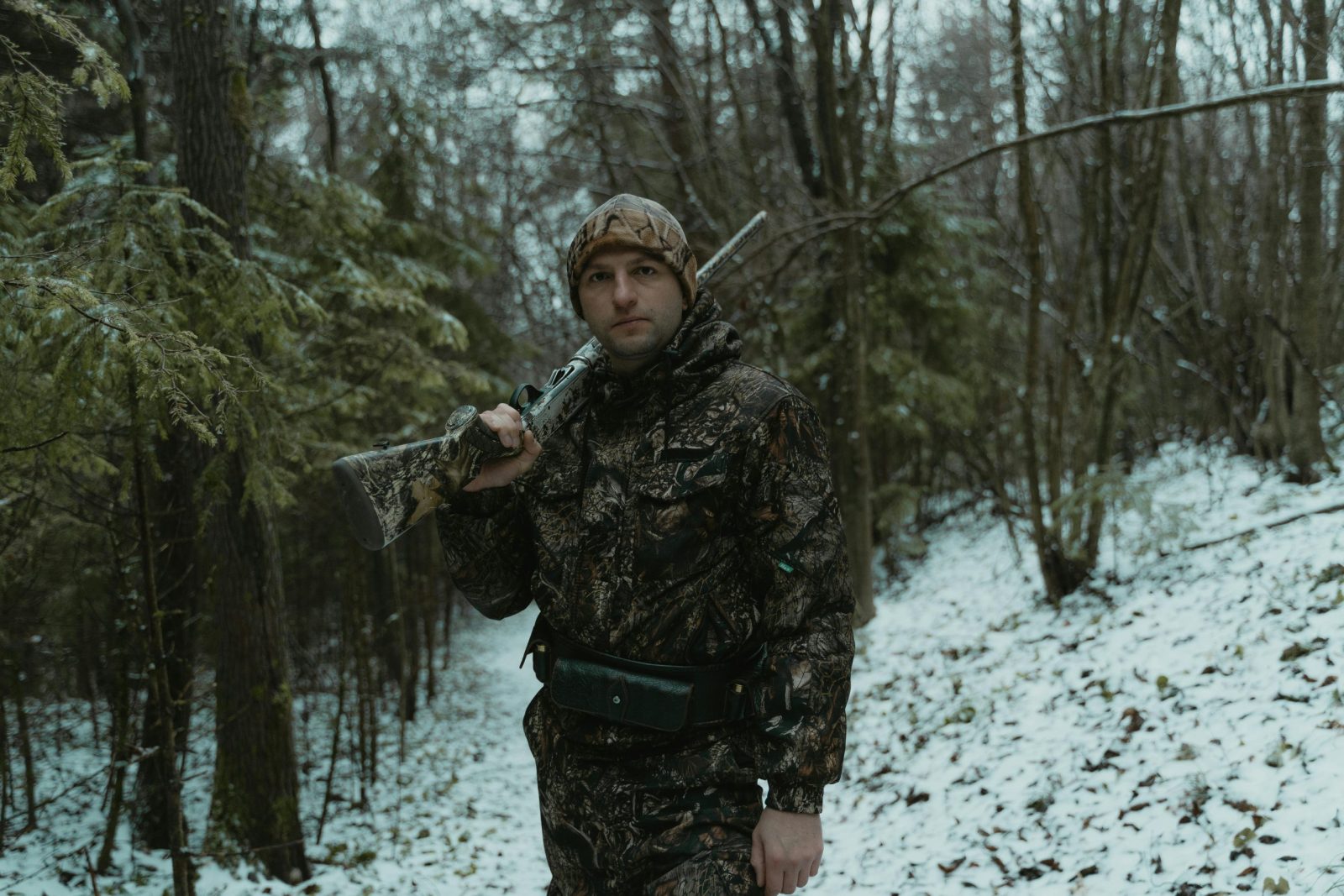
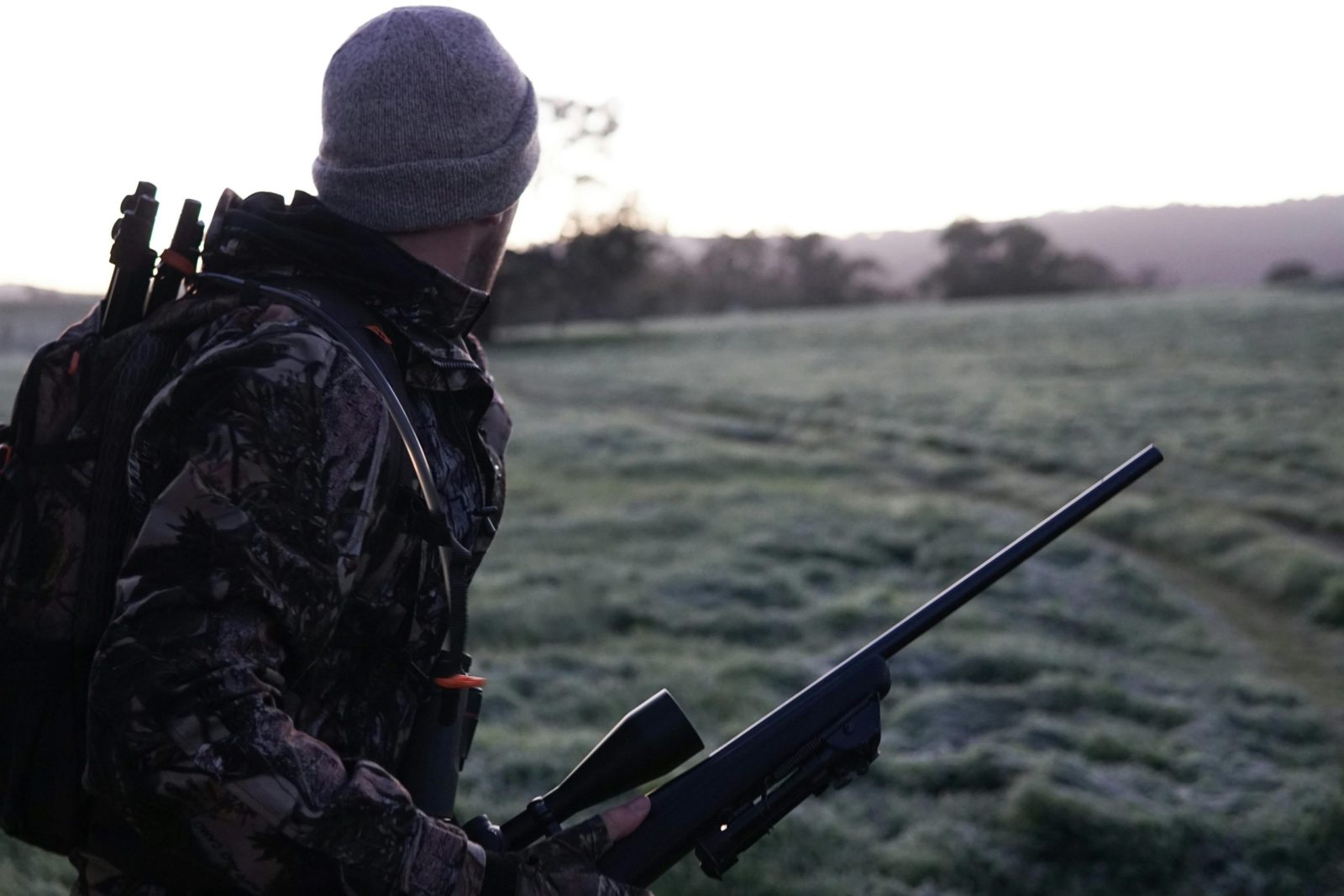
You should treat your clothing as a key part of your scent control plan. Synthetic materials can trap human odors, while specialized fabrics treated with carbon or silver help absorb them. Washing hunting clothes in unscented detergents and storing them in airtight containers prevents contamination. Paying attention to how your gear smells ensures you remain undetected even when conditions shift.
Skin and Sweat: The Main Sources of Odor
You can manage your natural scent by focusing on what your body produces. Sweat, oils, and bacteria create odors that animals detect quickly. Showering with scent-free soap before a hunt and avoiding scented deodorants or lotions makes a noticeable difference. Maintaining hygiene while reducing artificial smells helps you blend more effectively with your surroundings.
The Importance of Wind Direction and Positioning
You should always check wind direction before and during your hunt. Staying downwind of your target prevents your scent from blowing toward them. Lightweight wind-check powders or even natural indicators like leaves can show you where the air is moving. By reading the wind and adjusting your route, you can stay hidden and make a quiet, scent-free approach.
Using Scent Eliminators and Natural Cover Scents
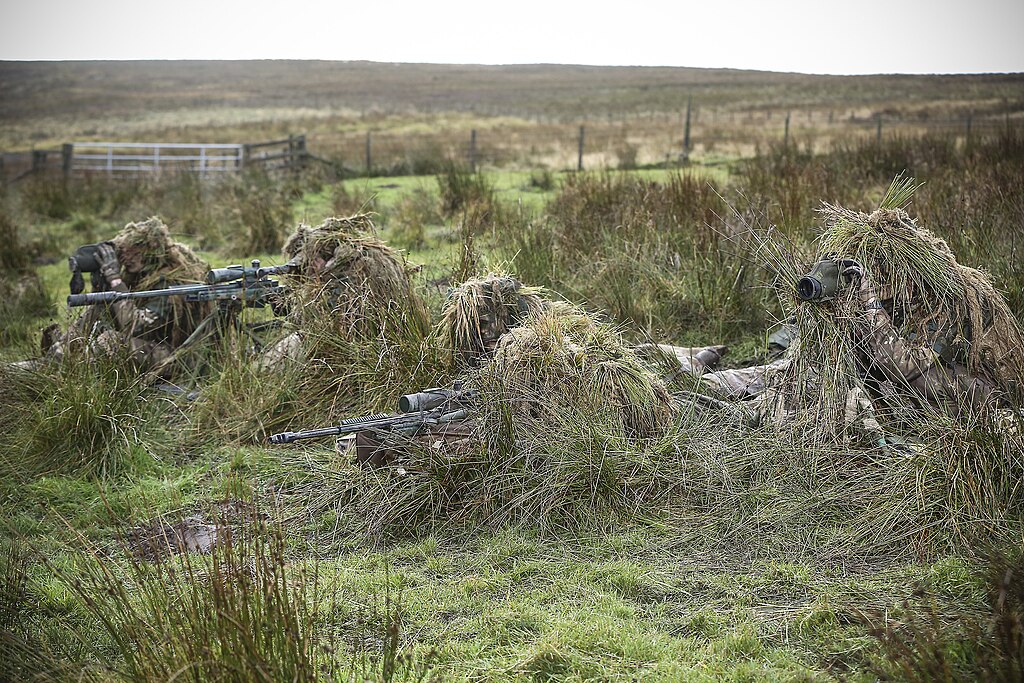
You can enhance your scent control by combining science with nature. Scent eliminators break down odor-causing compounds at a molecular level, reducing your scent signature. Some hunters use natural cover scents like pine, earth, or animal urine to mask remaining odors. Applying these carefully ensures animals notice the landscape, not the unfamiliar smell of a human nearby.
The Role of Diet in Scent Management
You should understand that what you eat affects how you smell. Foods like garlic, spicy dishes, or caffeine can change body odor as your body metabolizes them. Choosing neutral foods and staying hydrated can help minimize strong scents. In the days leading up to your hunt, cleaner eating supports your overall scent control strategy and complements your gear and hygiene efforts.
Why Scent Control Technology Keeps Evolving
You can see how modern scent control has become a mix of chemistry, engineering, and biology. Companies continue developing materials and sprays that absorb or neutralize human odors more efficiently. Hunters now use ozone generators, carbon-layered fabrics, and enzyme-based cleaners to stay invisible. This constant innovation reflects how seriously scent control influences success in the wild.
Balancing Science with Field Awareness

You should remember that scent control alone does not guarantee success. Combining scientific understanding with good tracking skills, patience, and awareness creates the best results. Observing animal behavior, adjusting to wind changes, and moving deliberately make your scent strategy work effectively. The science behind scent control gives you the edge, but your instincts complete the hunt.