Some rifles become legends in combat. Others become legends because they almost did.
The Strange Case Of An Adopted Rifle That Never Reached Troops

If you want the cleanest example of a rifle that was technically adopted but never truly entered production, it is the .276 Garand. In January 1932, the Army board recommended the .276 T3E2 Garand for adoption, according to American Rifleman. On paper, that sounds like the finish line. In reality, it was only the start of a bureaucratic knife fight.
The rifle had serious momentum. The Army even ordered 125 examples for further testing, which shows this was not some forgotten workshop oddity. It was a genuine contender, advanced enough to win official favor at a pivotal moment in U.S. ordnance history.
But adoption in military language can be slippery. A favorable board decision, even one using the word adopted, does not guarantee procurement at scale. That distinction is exactly why the .276 Garand remains such a fascinating almost-weapon.
Why The Army Wanted The .276 In The First Place
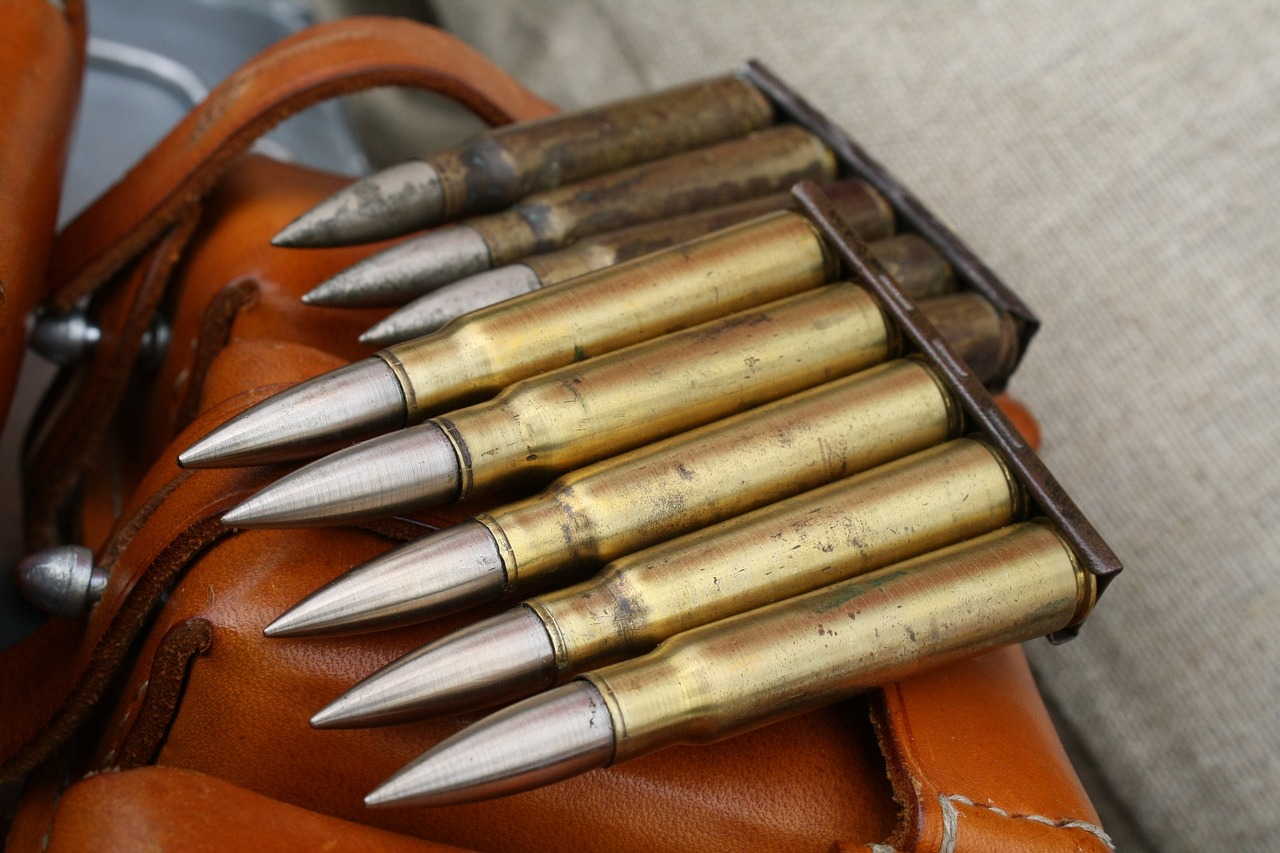
The .276 Garand appealed to ordnance thinkers because it promised a lighter, more controllable semiautomatic rifle. Compared with the full-power .30-06 service cartridge, the .276 round was seen as a smart compromise between recoil, soldier load, and battlefield practicality. For an infantryman expected to carry everything on his back, that mattered.
A lighter cartridge also meant more ammunition could be carried for the same weight. That is not a small detail; it shapes endurance, fire volume, and tactical flexibility. In an era when armies were still figuring out what a semiautomatic service rifle should be, the .276 looked forward-thinking.
There was also a broader institutional hope behind it. The Army was not just evaluating a rifle but reimagining infantry firepower. The .276 concept suggested a more modern battlefield doctrine before World War II had even begun.
Douglas MacArthur Killed It With One Decision
The turning point came from Army Chief of Staff Douglas MacArthur. He overruled the move to .276 and pushed the service back toward .30 caliber. His logic was brutally practical: the United States already had immense war reserves of .30-06 ammunition, and changing calibers during a tight budget era looked wasteful and risky.
That one decision changed firearms history. According to American Rifleman, trials continued with what became the T1E2, and by August 3, 1933, it was standardized as the U.S. Semi-Automatic Rifle, Caliber .30, M1. The Garand survived. The cartridge it was first poised to champion did not.
So the rifle that had effectively won in .276 form became famous only after being redesigned around .30-06. That makes the earlier version historically important but materially absent. It was adopted in principle, then erased by logistics.
Adopted On Paper Is Not The Same As Factory Production
This is where the story gets especially useful for general readers. Military adoption has layers: recommendation, standardization, pilot build, tooling, and mass production. The .276 Garand crossed the early thresholds, but it never made the leap into actual production lines serving the Army.
Springfield Armory still faced the enormous challenge of tooling for volume manufacture even after the later M1 was settled, as American Rifleman has noted in its history of the first Garands. If the finalized .30-caliber M1 was hard enough to industrialize, a dead-end .276 version had little chance once top leadership reversed course.
In other words, the .276 Garand was not a fake adoption story. It was a real adoption event overtaken by strategic reality. That is exactly what makes it technically adopted, yet never produced in any meaningful sense.
Why Collectors And Historians Still Care So Much
Collectors love edge cases, and this is one of the best. The .276 Garand captures a moment when the Army nearly chose a lighter-caliber future decades before intermediate cartridges became common military thinking. It is a reminder that weapons development is never purely about ballistics; supply chains, budgets, and politics usually get the last word.
Historians also care because the rifle illuminates how close-run the M1 story really was. Popular memory treats the Garand as inevitable, but it was anything but. Competing ideas, hostile reviews, redesigns, and senior-level intervention all shaped the final outcome.
That tension makes the .276 version more than trivia. It is a lost branch in the family tree of American infantry arms. You can see the future in it, even though soldiers never really carried it.
The Real Legacy Of The Rifle That Never Was

The irony is rich: the rifle that never entered production helped create one of the most successful service rifles in American history. Testing around Garand and rival designs exposed weaknesses, sharpened Army thinking, and forced hard choices about caliber, doctrine, and manufacturability. Even Melvin Johnson’s later challenge to the Garand pushed the debate further, according to the U.S. Army Ordnance Corps and American Rifleman.
So when people ask about a rifle that was adopted but never made, the .276 Garand is the answer worth knowing. It was close enough to win, official enough to count, and doomed enough to vanish. That combination gives it a special place in gun history.
It also delivers a timeless lesson. In military procurement, the best design does not always win as originally conceived. Sometimes history remembers the production model and forgets the adopted ghost that came first.