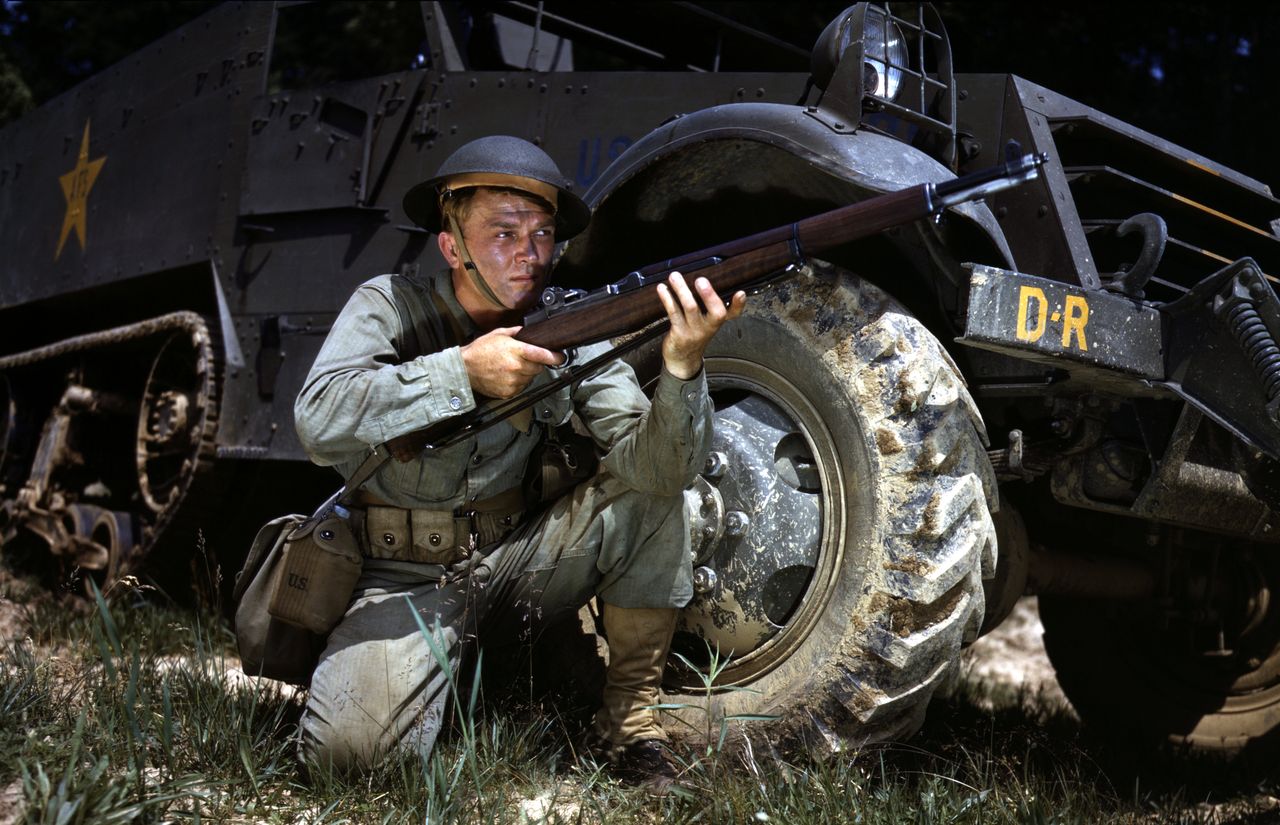
History sometimes turns on grand strategy, and sometimes it turns on a cartridge case.
The M1 Garand is a perfect example of a rifle whose entire fate changed when its ammunition changed.
A Rifle That Almost Wasn’t The Rifle We Remember
Most people know the M1 Garand as America’s classic .30-06 semi-automatic battle rifle. What gets forgotten is that the rifle nearly entered service in a different caliber entirely, and that change would have altered its design, logistics, and legacy.
In late 1920s and early 1930s testing, the U.S. Army seriously considered the .276 Pedersen cartridge. According to U.S. Army historical material, formal trials narrowed the field to two leading rifles in .276 caliber: the Pedersen and the Garand.
That alone is the twist. The Garand that won favor in testing was not yet the familiar .30-06 rifle that later marched through World War II. It was, in important ways, a different path for the same basic weapon.
Why The .276 Looked So Attractive
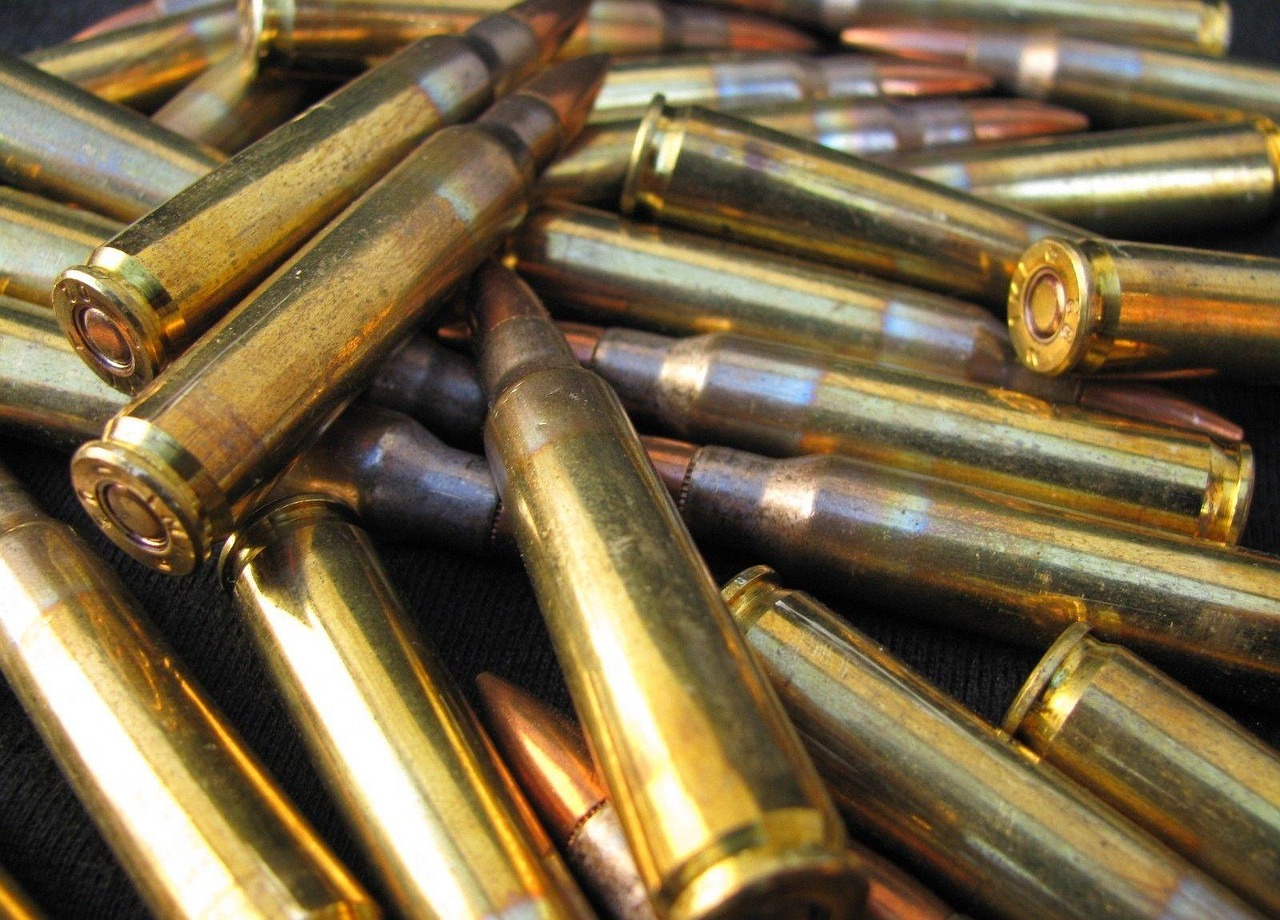
The .276 Pedersen promised several advantages that appealed to ordnance planners. It produced less recoil than .30-06, which could make a semi-automatic infantry rifle easier to control, quicker to fire accurately, and potentially friendlier to average soldiers.
At the time, that mattered a lot. Designers were trying to build a reliable self-loading service rifle in an era when weight, parts stress, and feeding problems could sink an otherwise brilliant concept. A smaller, lighter round seemed like a practical engineering answer.
There was also broader enthusiasm inside the Ordnance Department for modernizing both rifle and ammunition together. Period accounts in American Rifleman and later Army histories show that the .276 concept impressed influential evaluators enough that Garand himself was directed to build a .276 version of his design.
The Decision That Changed Everything
The turning point came when Army Chief of Staff Douglas MacArthur rejected a full shift to .276. Army historical publications say he insisted that development return to .30 caliber, largely because the United States already held vast stocks of .30-caliber ammunition and had an enormous logistical structure built around it.
That sounds bureaucratic, but it was strategic. Changing cartridges would not have meant replacing only rifles. It would have touched machine guns, reserve stocks, manufacturing lines, training systems, and wartime mobilization planning across the entire Army.
So the rifle’s future changed with the cartridge decision. The Garand moved forward not as the .276 rifle many evaluators had admired, but as the Rifle, Caliber .30, M1 that would ultimately be standardized in 1936.
How Ammunition Reshaped The Rifle Itself
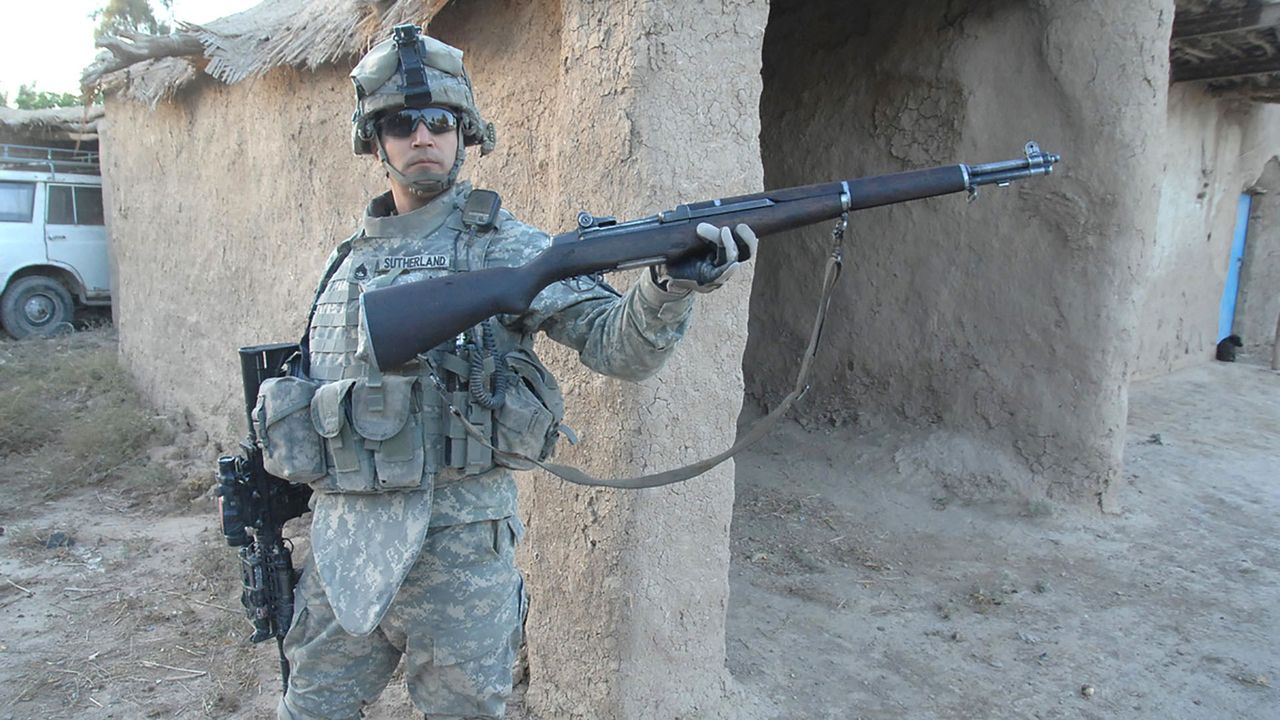
This was not merely a matter of rechambering a barrel. Ammunition changes had already forced Garand to revisit major operating concepts earlier in development, including abandoning a primer-actuated approach after changes in .30-caliber cartridge specifications made that mechanism less practical, as described by American Rifleman.
What emerged was a gas-operated rifle that matured into the M1. In other words, cartridge decisions were influencing not just ballistic performance, but the internal engineering logic of the gun itself.
That is why the Garand’s story is so revealing. The same designer, the same military requirement, and even the same broad ambition could still produce a meaningfully different rifle once ammunition policy shifted under it.
The Fate Of The Pedersen And The Rise Of The Garand
The irony is sharp. The Pedersen rifle and its .276 cartridge had real momentum, and the Pedersen T1 was even recommended for adoption by an Army service board before later competition exposed its weaknesses against Garand’s design, according to the National Park Service.
Meanwhile, Army histories note that advocates long argued the Pedersen deserved better, but official comparative testing ultimately favored the Garand. Once the caliber decision swung back to .30, the institutional tide moved even harder in Garand’s direction.
That gave the M1 a future the Pedersen never got. The rifle was no longer just a strong contender in a promising new caliber; it became the practical answer to America’s insistence on retaining .30-caliber continuity.
Why This Ammunition Choice Still Matters
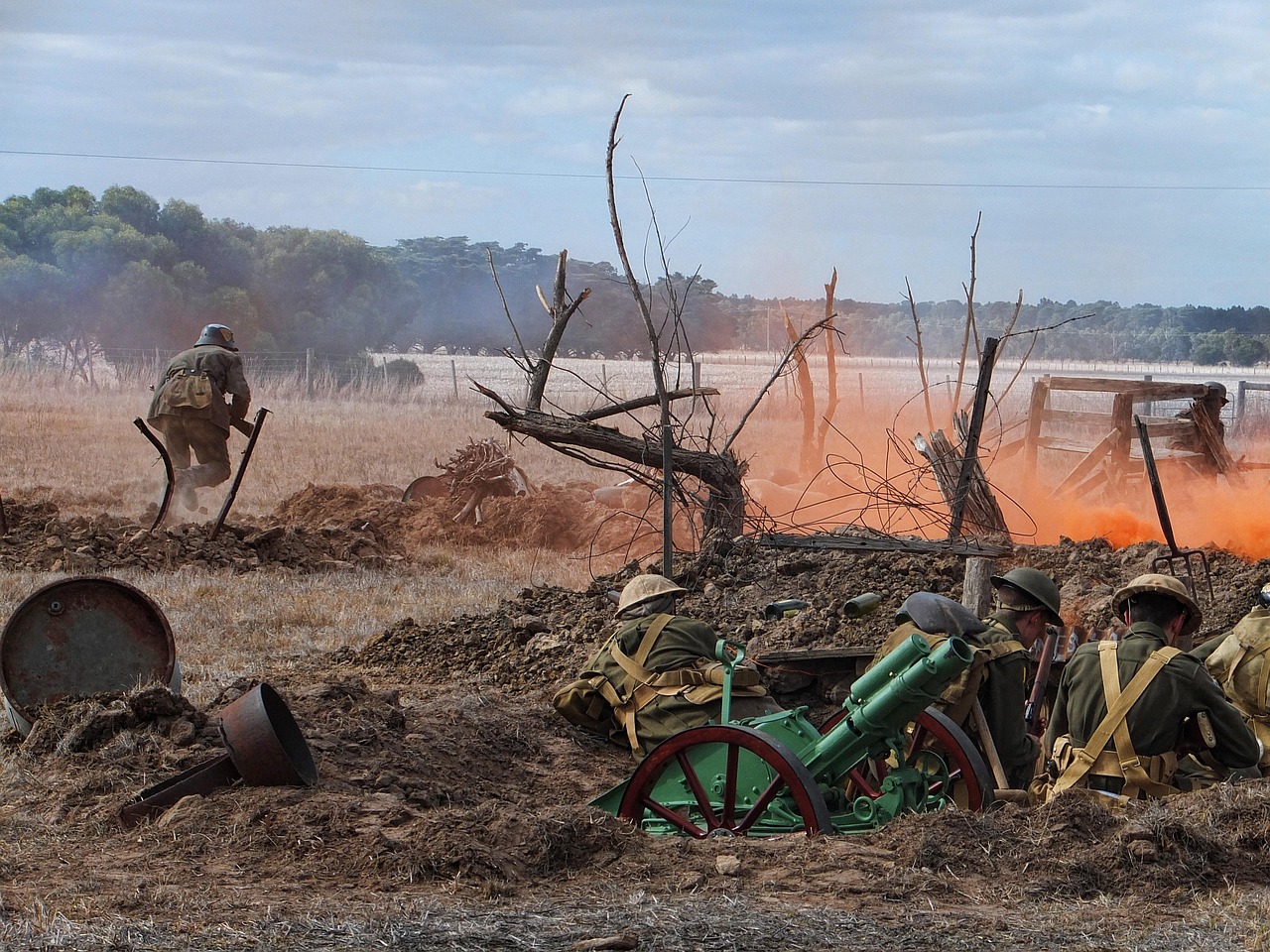
The result was enormous. The .30-06 Garand became one of the defining U.S. service rifles of the 20th century, prized for ruggedness, firepower, and battlefield impact. Army historical accounts and later military commentary make clear that its standardization fit the nation’s industrial and logistical realities on the eve of global war.
Had the .276 remained in favor, the Garand might still have served, but it would have entered history as a different rifle with different supply implications and perhaps a different pace of adoption. The Pedersen might also have remained a stronger rival for longer.
So when people remember the M1 Garand, they are really remembering the survivor of an ammunition argument. The rifle’s greatness was real, but its destiny was also decided by the cartridge America refused to abandon.