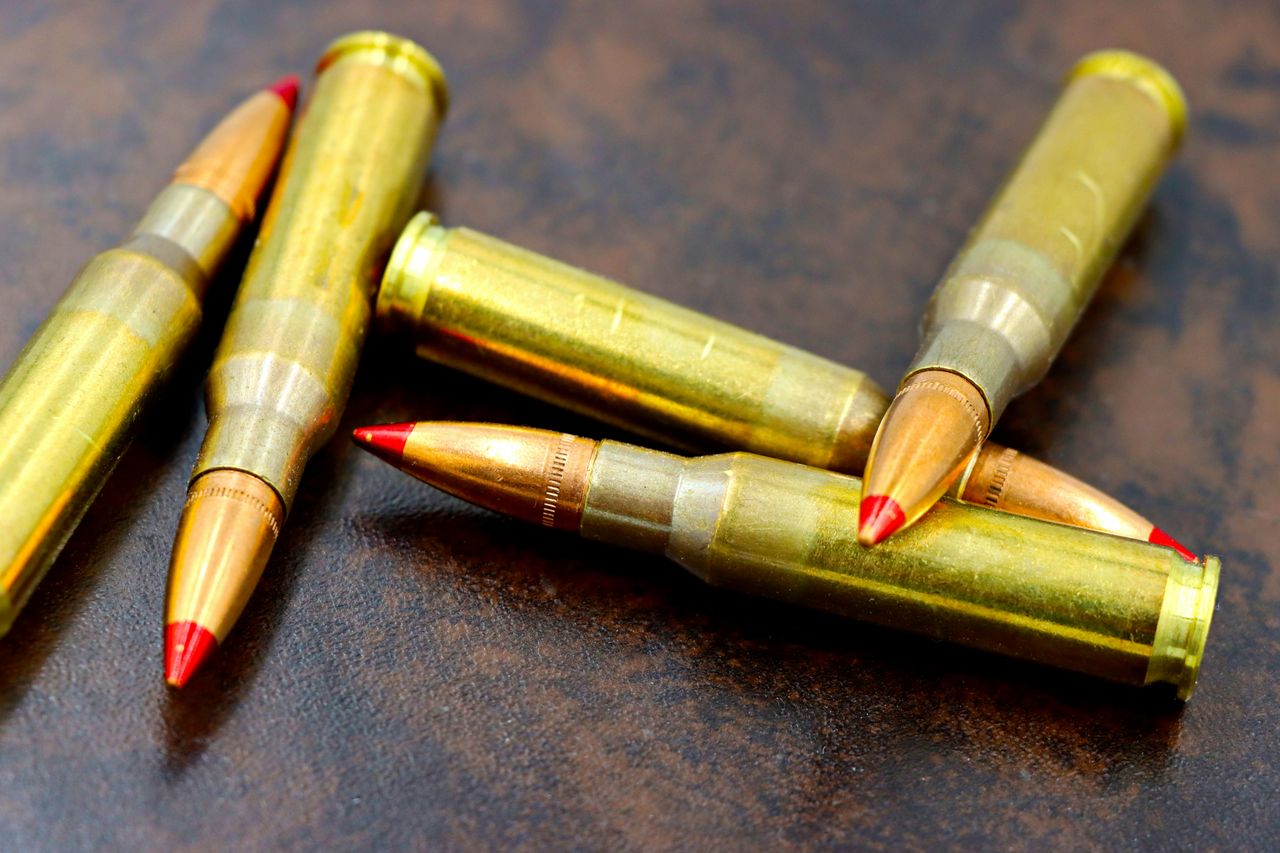
Few cartridge arguments get hunters talking faster than this one. Mention 6.5 Creedmoor and .308 Winchester around a campfire, and somebody is guaranteed to have an opinion.
Why this argument refuses to die

The reason this debate stays alive is simple: both cartridges work, and they work well. The .308 Winchester has decades of proven field use behind it, with a reputation built on reliability, availability, and broad effectiveness on North American game. The 6.5 Creedmoor, introduced much later, earned a following by delivering excellent long-range performance with mild recoil and efficient bullets.
Hunters often defend what they know, and for many people, the .308 is tied to tradition. It has military roots, a huge installed base of rifles, and a long record on deer, elk, hogs, and black bear. A lot of hunters learned to shoot with a .308 or a close relative, and that kind of familiarity creates loyalty that is hard to shake.
The 6.5 Creedmoor, meanwhile, arrived at the perfect moment. Precision shooting was booming, optics were improving, and more hunters were stretching shots farther than previous generations considered normal. Hornady designed it for consistency and high ballistic efficiency, and those strengths translated beautifully from target ranges to western hunting country.
What keeps the debate going is that each side can point to real results. The .308 crowd can say, correctly, that it has been getting the job done for generations. The 6.5 Creedmoor crowd can say, equally correctly, that modern bullet design and better exterior ballistics changed the conversation seriously.
Ballistics are where the Creedmoor built its reputation.n
If you look strictly at external ballistics, the 6.5 Creedmoor usually has the cleaner case. It commonly fires bullets in the 120-147 grain range, with many popular hunting loads around 140-143 grains. Thanks to high ballistic coefficients, those bullets tend to hold velocity well, drift less in wind, and drop less at extended distances than typical .308 hunting loads.
That matters most once ranges start stretching. At 300 yards, ds the differences can be noticeable, but by 500 yards they become harder to ignore. A 6.5 Creedmoor load with a sleek 143-grain bullet often arrives with less wind deflection than a .308 load firing a 150- or 165-grain bullet, and wind is often what causes real misses in the field.
None of that means the .308 is ballistically poor. Far from it. With the right bullet, especially in 168- and 175-grain offerings, .308 remains very capable and predictable, and there is an enormous amount of load data and field knowledge behind it.
Still, the 6.5 Creedmoor was almost purpose-built to make average shooters look better at distance. Fewer drops to manage and fewer winds to fight can increase confidence, particularly for hunters who do not spend every weekend practicing. That practical advantage is a major reason its supporters speak so confidently about it.
Recoil, shootability, and real-world accuracy matter more than pride.

For many hunters, recoil is the hidden factor that decides everything. On paper, people like to talk velocity, energy, and sectional density, but in actual field use, a cartridge that is comfortable to shoot often leads to better hits. In rifles of similar weight, 6.5 Creedmoor generally produces less recoil than .308 Winchester, and that is not a small detail.
Less recoil usually means less flinching, faster follow-up shots, and a better chance of seeing bullet impact through the scope. That last point is especially valuable when hunting open country, where spotting your own shot can tell you immediately whether a correction is needed. Newer hunters, smaller-framed shooters, and even experienced hunters recovering from shoulder issues often notice the difference right away.
The .308 is not punishing, especially compared with magnums, but it has more shove. In a light mountain rifle, that extra push can become more noticeable during practice sessions. And practice matters more than caliber debates ever do.
This is one area where modern rifle makers have helped the 6.5 Creedmoor immensely. Factory rifles in 6.5 often show very good out-of-the-box accuracy, and the cartridge has a reputation for being easy to tune. Whether that is due to efficient case design, common twist rates, or simply excellent factory ammunition, the result is the same: a lot of hunters shoot it very well.
Hunting performance on deer, elk, and hogs is where opinions get sharp.r

On deer-sized game, both cartridges are highly effective with proper bullets and reasonable shot placement. Whitetails, mule deer, pronghorn, and feral hogs routinely fall to either round, and field reports from guides across the country support that. In this class of game, the debate often comes down less to lethality and more to preferred recoil, expected range, and bullet choice.
The 6.5 Creedmoor has earned praise for deep penetration from relatively slender bullets, especially premium loads built around controlled-expansion designs. Its high sectional density helps, and many hunters report clean pass-throughs on broadside deer. That has led some shooters to describe it as performing bigger than its paper ballistics suggest.
Elk is where the argument gets hotter. Plenty of elk have been cleanly taken with 6.5 Creedmoor, especially by disciplined hunters who keep shots reasonable and use strong bullets. But many veteran hunters still prefer the .308 because it launches heavier projectiles, offers a wider comfort margin on larger-bodied animals, and carries an image of authority that the Creedmoor still does not fully match in some camps.
That does not make the .308 automatically superior for every hunt. It does mean many hunters see it as the safer all-around choice when game gets tougher, angles get imperfect, or distance judgment gets messy. In real hunting, those factors matter just as much as what a ballistic chart says at the kitchen table.
Ammunition availability and rifle options still favor the old workhorse

One of the strongest practical arguments for the .308 Winchester is availability. Walk into a small-town hardware store, a rural sporting goods counter, or a gas station near hunting country, and there is a good chance .308 will be on the shelf. That matters more than enthusiasts sometimes admit, especially during travel hunts or years when ammunition supply gets tight.
The .308 also benefits from sheer variety. There are lightweight deer loads, heavier controlled-expansion elk loads, target loads, reduced-recoil options, and a mountain of military and surplus-related support in the broader ecosystem. Reloaders have long enjoyed easy access to components, brass, powders, and bullet choices.
The 6.5 Creedmoor is no longer rare, of course. It has become one of the most popular rifle cartridges in America, and major manufacturers support it heavily. In many large stores, there may be nearly as many 6.5 options as .308 options, especially in regions where long-range shooting has become part of hunting culture.
Even so, .308 still tends to hold the edge in universal access and rifle selection. There are simply more legacy rifles chambered for it, from bolt guns to semiautos. For hunters who value simplicity and the ability to find ammo almost anywhere, that old advantage still carries real weight.
Hunting style usually decides the winner more than numbers do
A tree-stand whitetail hunter in thick eastern woods has very different needs than a spot-and-stalk mule deer hunter in Wyoming. That is where this debate becomes more useful and less emotional. The best cartridge is often the one that fits the terrain, the typical shot distance, and the hunter’s level of practice.
If most shots happen inside 200 yards, the practical difference between 6.5 Creedmoor and .308 Winchester is smaller than internet arguments suggest. Both will put deer down decisively, both can be zeroed simply, and both can be trusted from common factory rifles. In that setting, the .308’s extra bullet weight and easy ammo access may look more appealing than the Creedmoor’s sleeker trajectory.
In more open country, where shots of 300-500 yards are realistic, the 6.5 Creedmoor starts to show why it developed such a devoted audience. Its flatter flight and lighter recoil make it easier for many hunters to place shots precisely. Precision is not glamour in hunting. It is ethics.
That is why experienced guides often steer clients toward the cartridge they shoot best, not the one that wins online debates. A calm hunter with a 6.5 Creedmoor who practices regularly is usually better equipped than a hunter carrying a .308 out of habit, but dreading recoil and rarely confirming zero.
The honest answer is that both deserve their place in the field
The most sensible conclusion is also the least dramatic: neither cartridge makes the other obsolete. The .308 Winchester remains one of the most versatile, proven, and practical hunting rounds ever made. The 6.5 Creedmoor deserves its popularity because it genuinely offers advantages in recoil control, wind drift, and long-range precision.
Hunters who prioritize tradition, heavier bullets, broad ammo availability, and confidence in larger game will keep choosing .308, and they have good reasons. Hunters who want a softer-shooting rifle that excels in open country and rewards careful shot placement will keep reaching for 6.5 Creedmoor, and they have good reasons, too.
In a way, the debate continues because both cartridges are close enough in overall usefulness to keep the argument alive. If one clearly outclassed the other in every category, the discussion would have ended years ago. Instead, what we have are two excellent tools optimized for slightly different priorities.
So the next time this argument starts at camp, the smartest answer may be the simplest one. Pick the cartridge that fits your hunting, your rifle, and your shooting habits. Dead-center hits settle debates much faster than brand loyalty ever will.