For a moment, the Luger looked like it might have a future in American service. Then the Army changed the question entirely.
America’s First Look At The Luger
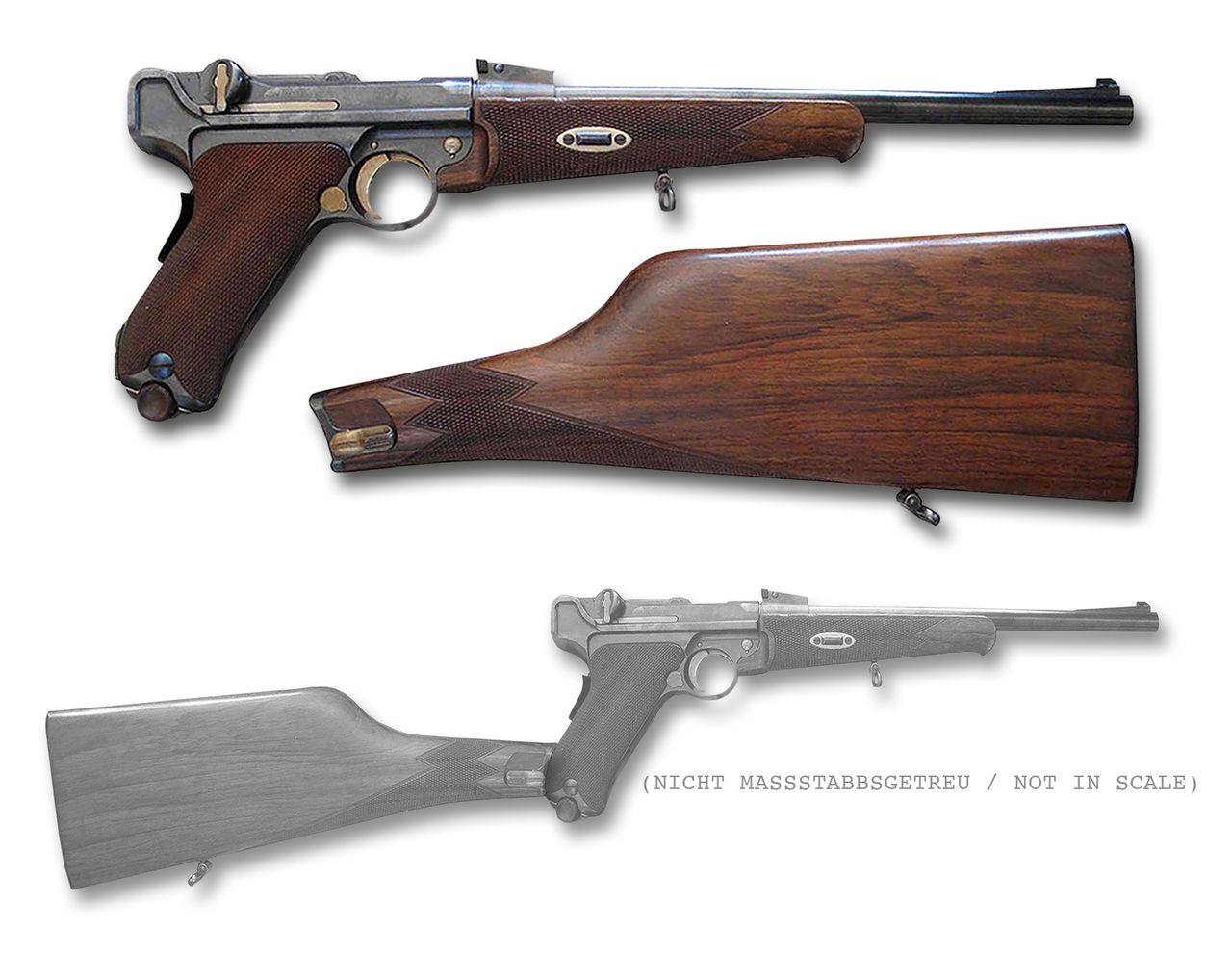
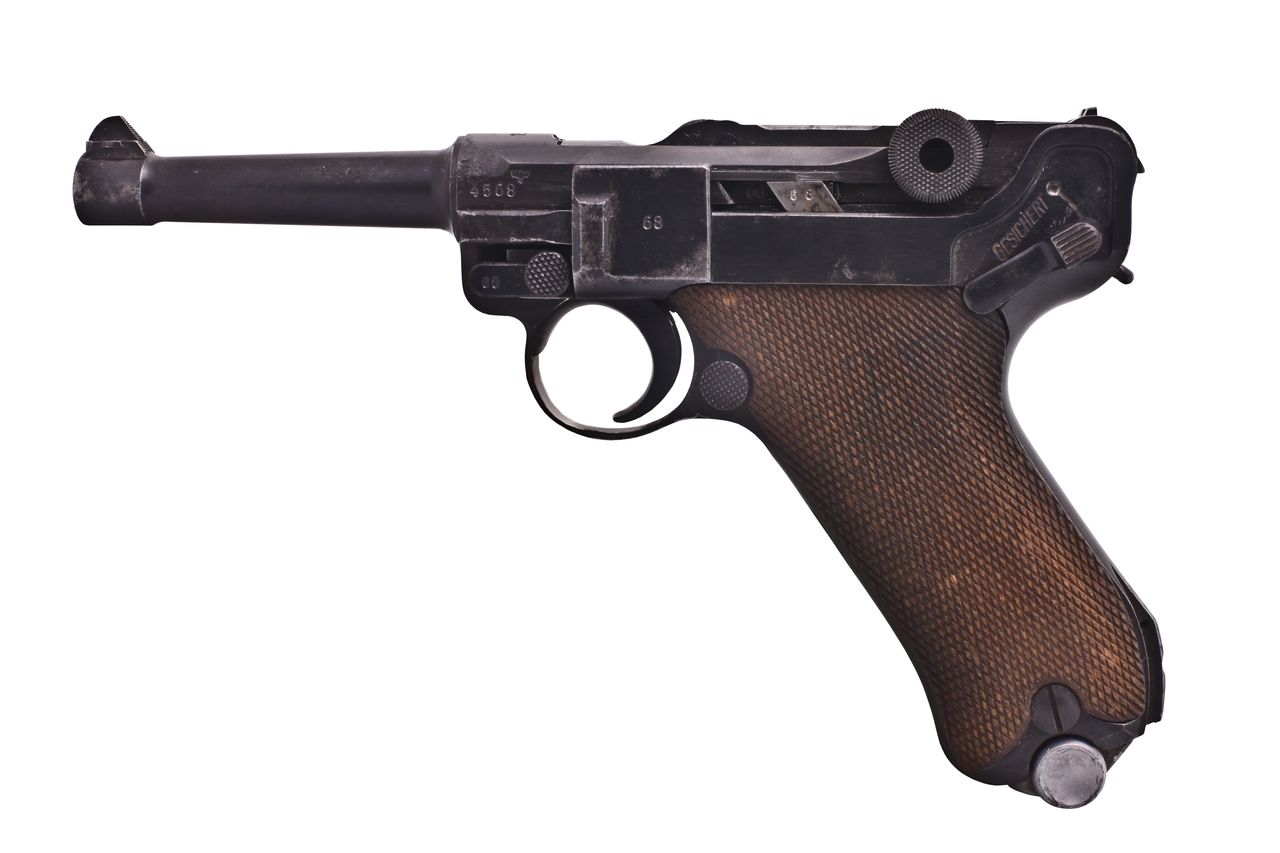
At the turn of the 20th century, the U.S. Army was actively shopping for a self-loading sidearm. According to American Rifleman, Army evaluators began acquiring commercial semi-automatic pistols around 1900, and one of the standout foreign designs was Georg Luger’s Parabellum.
The specific pistol America first tested was not the later 9 mm icon most people picture. It was the earlier Model 1900 pattern, chambered in 7.65×21 mm, a cartridge also known in the United States as the .30 Luger, as noted by American Rifleman and NRA Museums.
That matters because the Army’s initial interest centered on mechanism, handling, and reliability as much as raw power. The Luger’s low bore axis, sharply angled grip, and fast self-loading action made it feel modern in a way many revolvers and early automatics did not.
Why The Cartridge Became The Problem
The pistol itself impressed enough people that it stayed in the conversation. But the cartridge behind it landed in a very different American environment, one shaped by bitter combat lessons in the Philippines and growing dissatisfaction with smaller-bore handgun performance.
American Rifleman’s history of the M1911 trials explains that combat experience with .38-caliber service revolvers helped drive the Army toward larger bullets. Separate coverage on the .45 ACP points to the Moro fighting and the 1904 Thompson-LaGarde tests as major influences behind the official push for heavier-caliber sidearms.
So the Luger ran into a problem that was bigger than the pistol. The Army was no longer simply asking, “Is this a good self-loader?” It was asking, “Can this self-loader deliver the kind of stopping power American ordnance officers now wanted?”
The Strange Success Of The .30 Luger Test
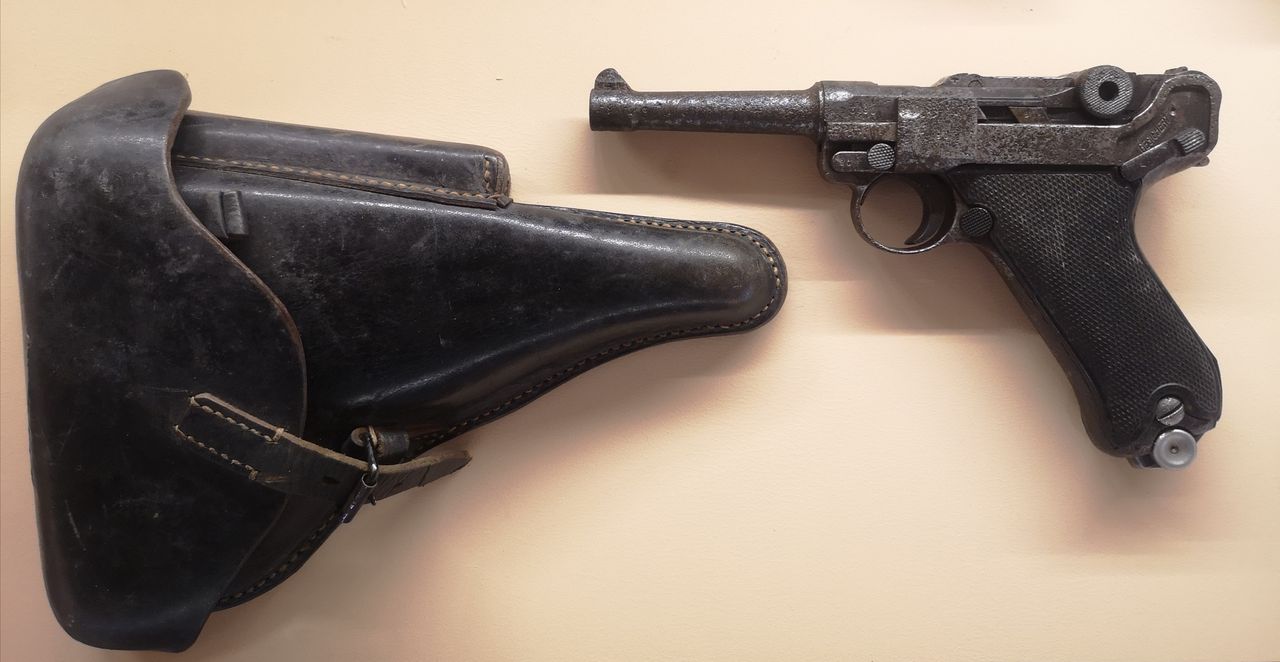
This is what makes the story so fascinating. The early Luger did not fail in a simple, clear-cut way. In fact, American Rifleman has noted that the Army’s experience with the test pistol was promising enough that officials asked Deutsche Waffen und Munitionsfabriken to provide a Luger chambered for .45 caliber.
That request says everything. The Army was not rejecting the Luger’s concept. It was effectively telling DWM that the platform had merit, but the original chambering did not fit the new doctrine taking shape inside U.S. service circles.
In other words, America tested one Luger and then asked for another gun in all but name. Same family, same elegant toggle-lock DNA, but now reworked around a substantially larger and more powerful cartridge requirement.
Enter The .45 Luger
DWM answered with an extraordinarily rare .45 ACP Luger. American Rifleman reports that a pair of prototype .45 Lugers, serial numbers 1 and 2, appeared for U.S. trials in 1907, placing the design directly against Colt, Savage, and other contenders in the Army’s search for a major-caliber automatic.
This was no minor engineering tweak. Scaling the graceful Luger system to .45 ACP meant enlarging and strengthening the pistol to handle a heavier, slower cartridge with very different recoil characteristics from the 7.65 mm round.
That rarity is part of why the .45 Luger has become legendary. It represents a real fork in firearms history: a moment when America seriously considered a big-bore Luger before moving toward something more rugged, simpler, and ultimately more sustainable for mass military use.
Why The Army Went Another Way
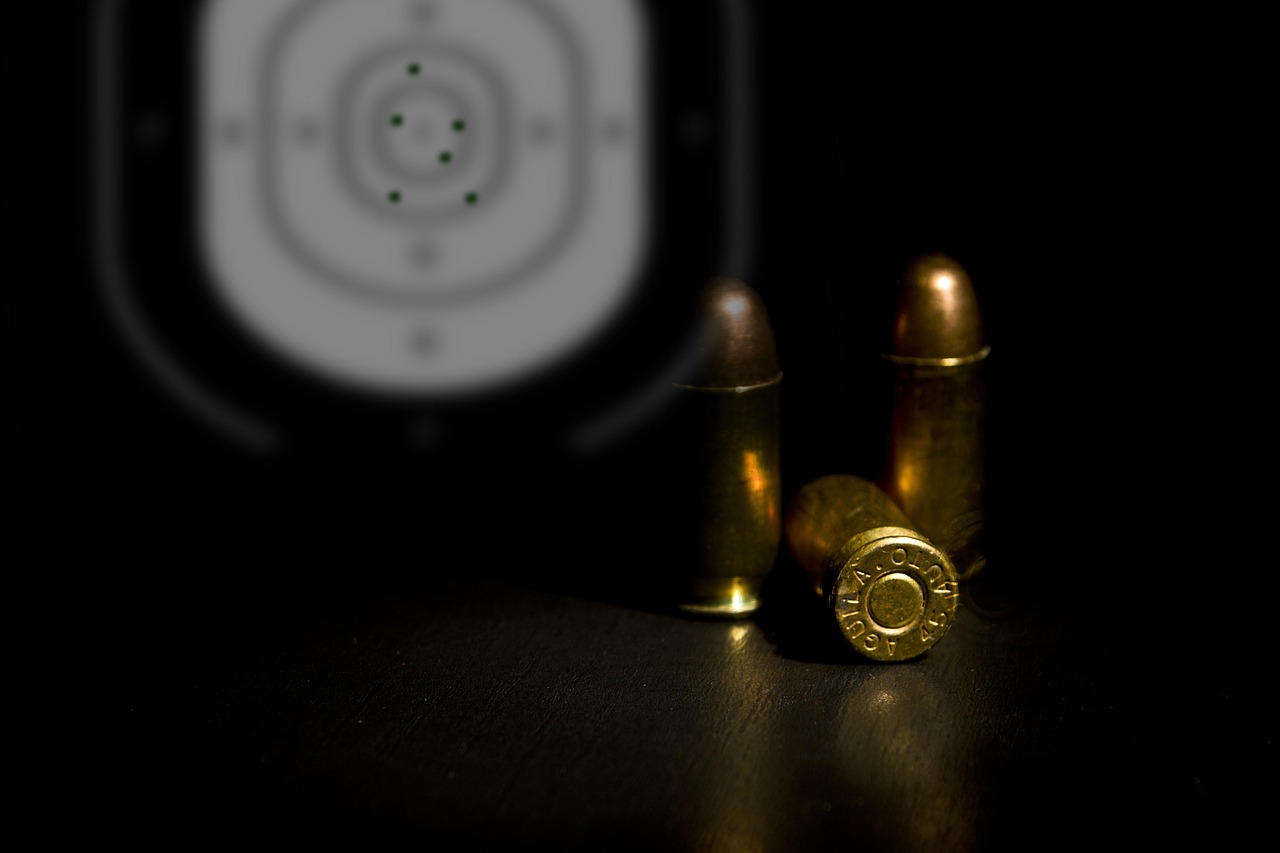
The final winner was John Browning’s Colt design, which evolved into the Model 1911. U.S. Army historical material and American Rifleman both point to the long testing process that ended with the adoption of the .45-caliber Model 1911 after extensive trials.
The Army’s choice makes sense when you look past romance and into logistics. A service pistol had to survive brutal endurance testing, accept hard military use, and be manufacturable in large numbers with predictable support, training, and maintenance.
The Luger was brilliant, but brilliance is not always the same thing as suitability. Its intricate toggle-lock system, close tolerances, and relative complexity gave Browning’s more straightforward locked-breech design an edge once the Army settled firmly on the .45 ACP as the cartridge of the future.
The Real Legacy Of America’s Test Luger
The most important lesson is that the U.S. Army did not merely “pass on the Luger.” It first explored the pistol seriously, then shifted the standards under which it would be judged. Once caliber became the driving issue, the original .30 Luger was no longer answering the Army’s real concern.
That sequence helps explain why the story still resonates with collectors and historians. The early test pistol was a genuine candidate in America’s move toward semiautomatic handguns, not just an exotic footnote overshadowed by the 1911.
It also reminds us that weapon adoption is rarely about one dramatic thumbs-up or thumbs-down. Sometimes a firearm is good enough to inspire the next requirement, only to lose when that requirement produces an entirely different battlefield answer.