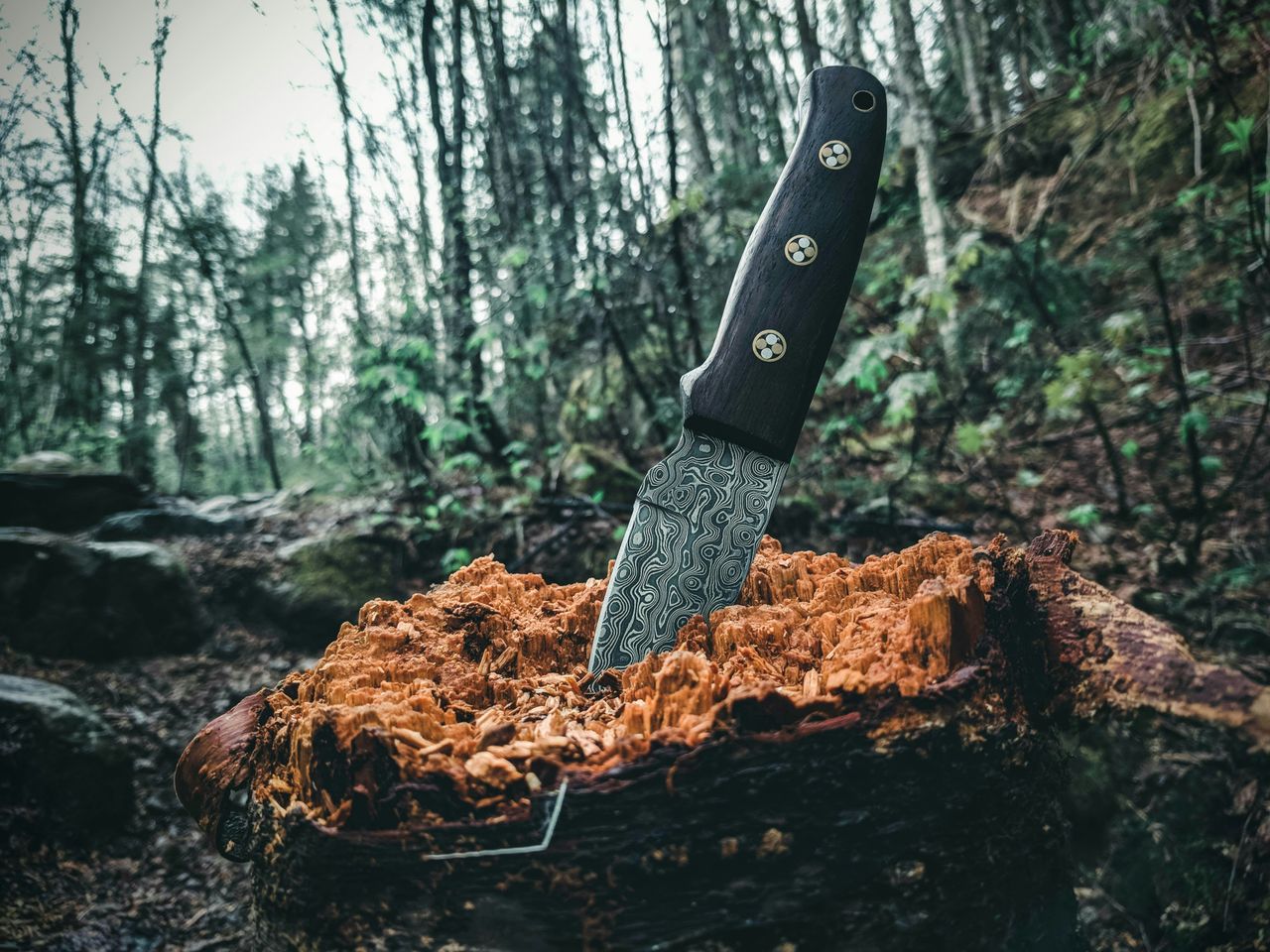
A knife that feels secure in dry weather can become a liability once rain, snow, or numb fingers enter the picture. That is why experienced outdoorsmen pay close attention to handle materials, not just blade steel. These nine options are often praised for offering a steadier grip, better insulation, and more confidence when conditions turn slick and bitter.
Micarta
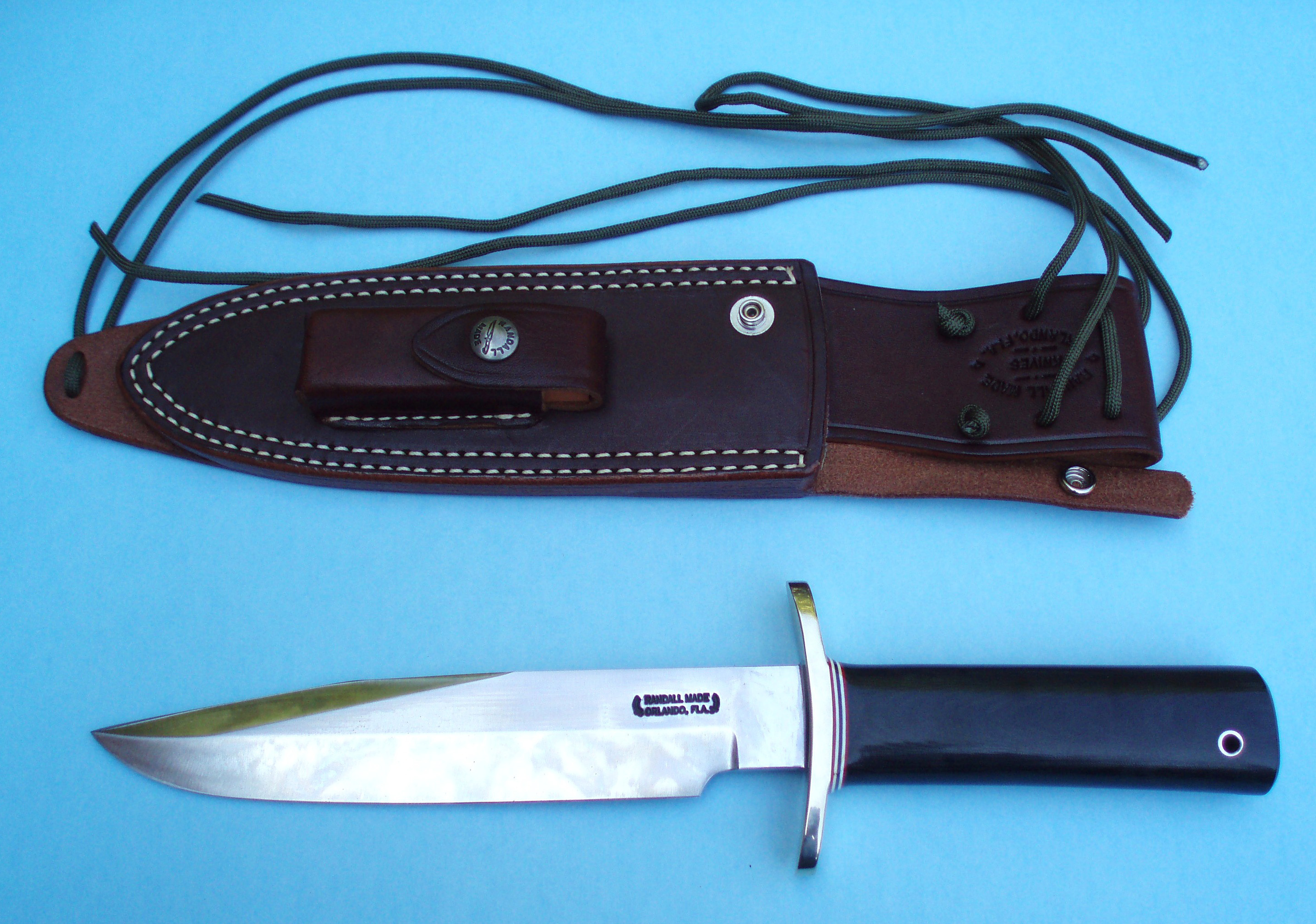
Micarta has earned a loyal following because it stays grippy when the weather gets ugly. The layered fabric and resin construction give it a slightly tactile feel, and many outdoorsmen say that texture becomes even more reassuring when hands are damp, cold, or gloved.
It also avoids the icy, metallic sensation that some harder materials can have at dawn in late-season camp. In prolonged wet use, quality Micarta tends to remain stable and dependable, which is a big reason it shows up on serious field knives.
For people who want a handle that feels broken in rather than slippery and polished, Micarta often lands near the top of the list.
Thermorun
Thermorun is often praised for feeling secure when temperatures drop and surfaces get slick. This rubber-like material has a cushioned, high-traction character that helps compensate for numb fingers, making it especially appealing on utility and survival-oriented knives.
Experienced outdoorsmen tend to like how it reduces that cold shock you feel when grabbing a rigid handle at first light. It also keeps grip confidence high during repetitive work such as processing kindling, trimming cordage, or dressing game in messy weather.
The tradeoff is that softer materials can show wear faster than harder composites. Still, for comfort and control in miserable conditions, Thermorun has a very strong case.
Kraton
Kraton has long been a favorite on knives meant for hard field use because it offers a tacky, almost hand-filling grip. In wet conditions, that slight softness can make a knife feel more cooperative and less likely to twist, even when hands are cold and strength is reduced.
Outdoorsmen often mention that Kraton is easy to trust when working around water, fish slime, mud, or snow. It provides a forgiving feel that many users appreciate when tasks become awkward, and gloves are half the battle.
Its biggest strength is simple confidence. If a handle material makes you squeeze less and control more, that can be a real advantage over long days outside.
TPE

TPE, or thermoplastic elastomer, blends the resilience of plastic with the grippy comfort of rubber. For outdoorsmen who expect rain, frost, and muddy campsites, it can provide a secure feeling without becoming unpleasantly hard or slick in the cold.
A well-designed TPE handle often shines on working knives where practicality matters more than prestige. It is comfortable for repeated cutting and tends to offer decent traction even when the knife is used quickly between tasks.
The appeal here is not flash but function. In genuinely rough weather, a handle that feels warmish, grippy, and predictable can matter much more than one that simply looks refined in a catalog.
FRN

FRN, short for fiberglass-reinforced nylon, is a lightweight synthetic that performs better than many people expect in wet and cold conditions. When molded with good texturing, it gives users a reliable purchase without adding much weight to a pack or belt kit.
Seasoned outdoorsmen often appreciate FRN because it shrugs off moisture and temperature swings with very little fuss. It does not ask for pampering, and that no-nonsense durability is a major selling point for anyone who actually uses gear instead of collecting it.
It may not feel as premium as some layered composites, but its real-world value is hard to ignore. On practical field knives, FRN consistently punches above its price point.
Textured Polypropylene

Textured polypropylene does not usually get the same admiration as premium composites, but it deserves more credit in rough weather. When molded with deep patterns and paired with solid ergonomics, it can provide dependable grip while resisting moisture and handling abuse well.
Experienced outdoorsmen often like it on hard-use, budget-conscious knives that are expected to be knocked around without complaint. It is lightweight, stable, and generally easy to maintain after dirty, wet, and cold days in the field.
Its performance depends heavily on the shape and texturing chosen by the maker. When those details are done right, textured polypropylene can feel far more capable than its modest reputation suggests.
Stabilized Wood
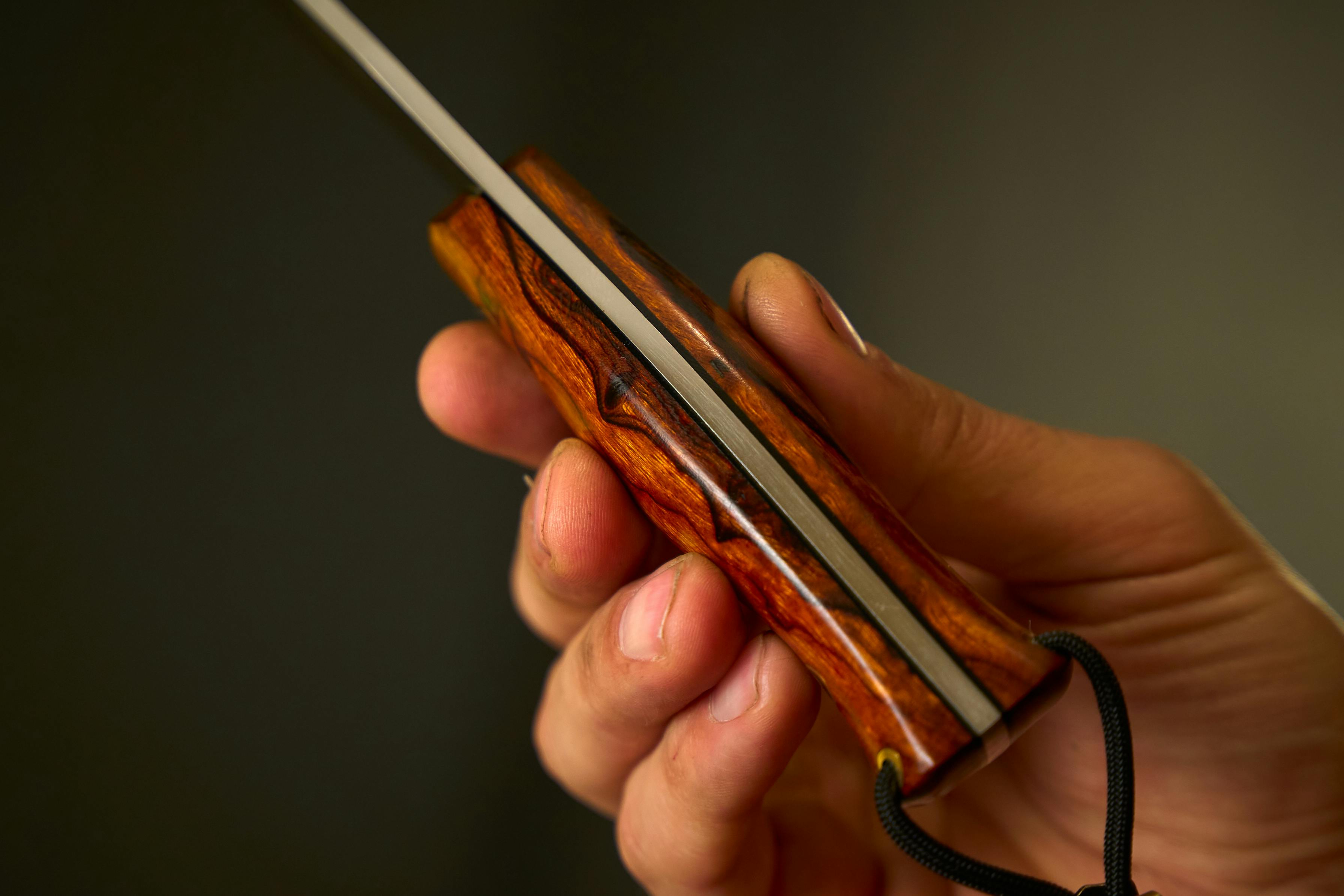
Traditional wood can struggle in prolonged moisture, but stabilized wood is a different story. Because resin is infused into the material, it gains much better dimensional stability, making it more suitable for outdoorsmen who want classic looks without the same level of weather-related worry.
In cold conditions, it also feels friendlier in the hand than exposed steel or some very hard synthetics. A well-finished stabilized wood handle can offer a balanced mix of warmth, grip, and visual appeal, especially when light texturing or natural grain adds traction.
It is not usually the top pick for nonstop soaking and abuse. But for hunters and camp users who want practical elegance, stabilized wood can perform impressively well.
Canvas Phenolic

Canvas phenolic is closely related to Micarta, but many outdoorsmen single it out for its especially grippy, workmanlike feel. The woven canvas layers create a surface that often seems to bite back just enough when wet, which can be reassuring during precise cuts in bad weather.
It also has the toughness and stability people want from a serious field knife handle. Repeated exposure to moisture and cold tends to bother it very little, and that consistency builds trust over time.
There is nothing flashy about canvas phenolic, and that is part of its charm. It feels like a material chosen by people who care more about getting home safely than impressing anyone around the fire.