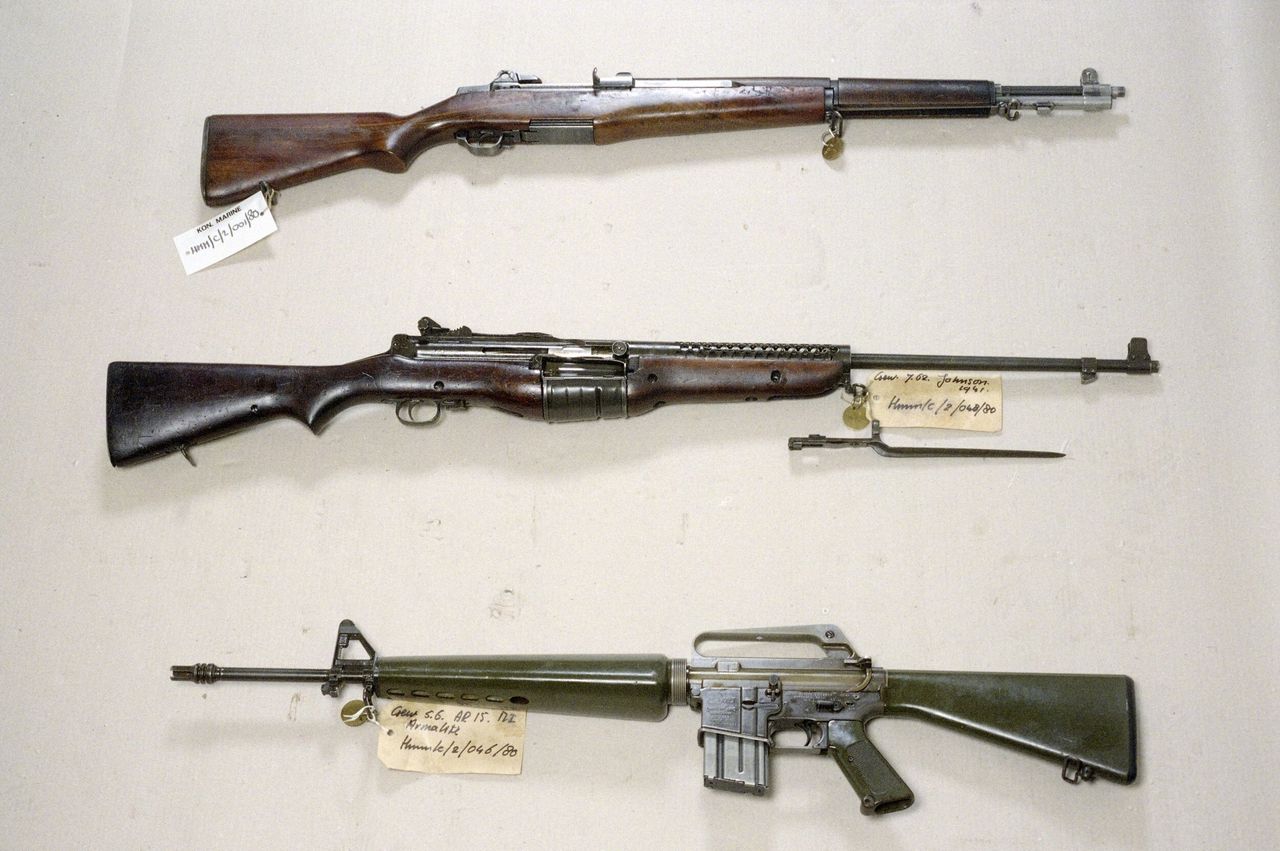
Some guns disappear because they were bad. Others fade because the timing, politics, and testing environment turned against them all at once.
The Johnson Model of 1941 belongs firmly in that second category, and that is exactly what makes it so fascinating.
A Rifle That Almost Changed the Conversation
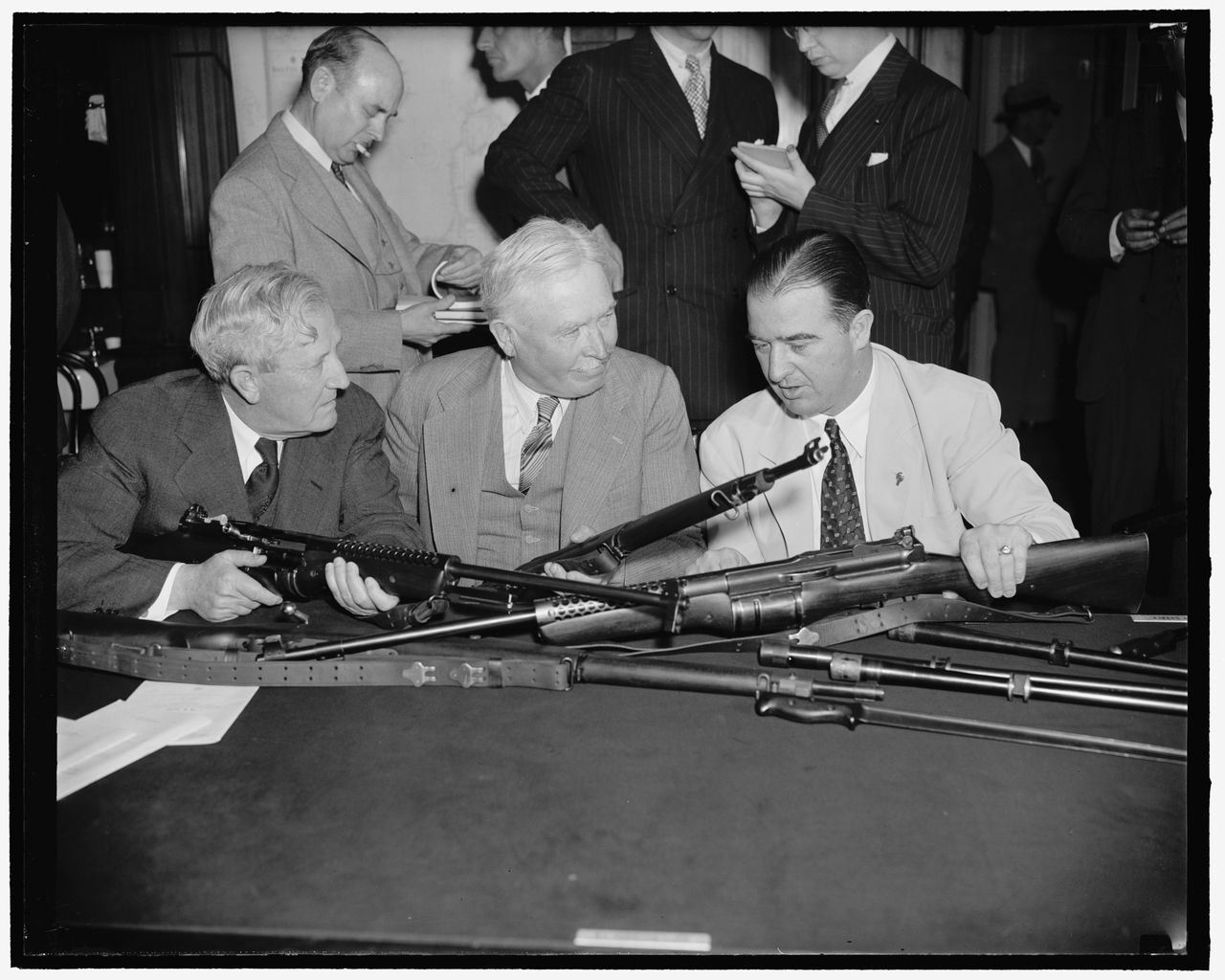
Melvin Maynard Johnson Jr. was not an armory insider in the usual sense. He was a lawyer, a Marine Corps Reserve officer, and an outspoken critic of the newly adopted M1 Garand, convinced that he could build a better military rifle.
According to American Rifleman, Johnson persuaded the U.S. Army Ordnance Department to give his recoil-operated semi-automatic rifle an informal test in June 1938. That alone was impressive, because by then the Garand already had deep institutional momentum.
The Johnson rifle showed real promise. It fed from a 10-round rotary magazine, could be topped off at any time, and used a quick-change barrel system that looked advanced for its day.
Where the Trial Started to Go Sideways
The trouble was not that the rifle was a total failure. The trouble was that it arrived as a still-maturing design in a competition where the Army wanted something clearly superior to the standard rifle already in hand.
American Rifleman notes that the Ordnance Department found weaknesses during testing and declined further interest. Johnson then pushed the issue into the political arena, with congressional hearings meant to challenge the Garand’s place, but that effort failed too.
That failure mattered. Once the Army was unconvinced, the Johnson rifle lost its chance at broad U.S. adoption, and from there its production future narrowed dramatically.
Why It Was Built in Such Small Numbers
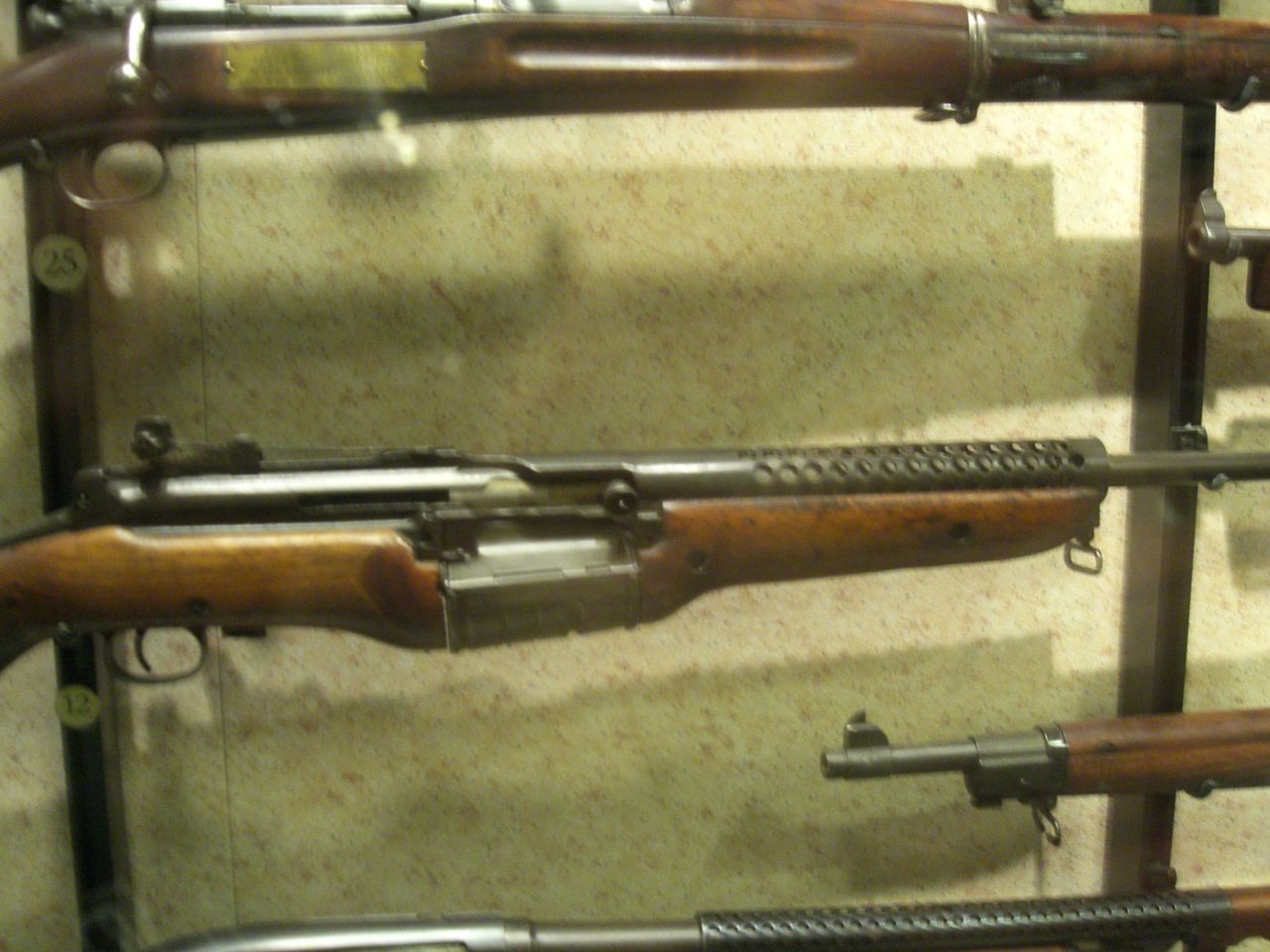
The Johnson was never mass-adopted by the U.S. Army, and that alone capped its numbers. American Rifleman says the quantity acquired by the United States during World War II amounted only to the hundreds, with issue limited to a specific Marine Corps formation.
Its larger commercial and foreign story was hardly simple either. A major Dutch order existed, but when the Dutch East Indies fell to Japan, deliveries were disrupted and embargoes changed where rifles could go.
That left the Johnson in limbo: too late and too politically damaged to replace the Garand, yet too useful and too interesting to vanish completely. Small production became its destiny, not because the design lacked merit, but because history closed the main door.
What Made the Johnson Different
Mechanically, the Johnson stood apart from the Garand in ways shooters still talk about. Its recoil-operated action, side-mounted magazine, and easy topping-off gave it practical traits the M1 did not share.
Forgotten Weapons has pointed out that Johnson hoped his rifle might serve as a parallel option if Garand production stumbled or could not meet wartime demand. That was a smart hedge, but it depended on the Army believing it needed insurance.
In the field, some Marines appreciated the rifle’s handling and firepower. But military adoption is rarely about one clever feature. It is about logistics, confidence, parts support, doctrine, and whether decision-makers trust the design under pressure.
The Marines and the Rifle’s Brief Life
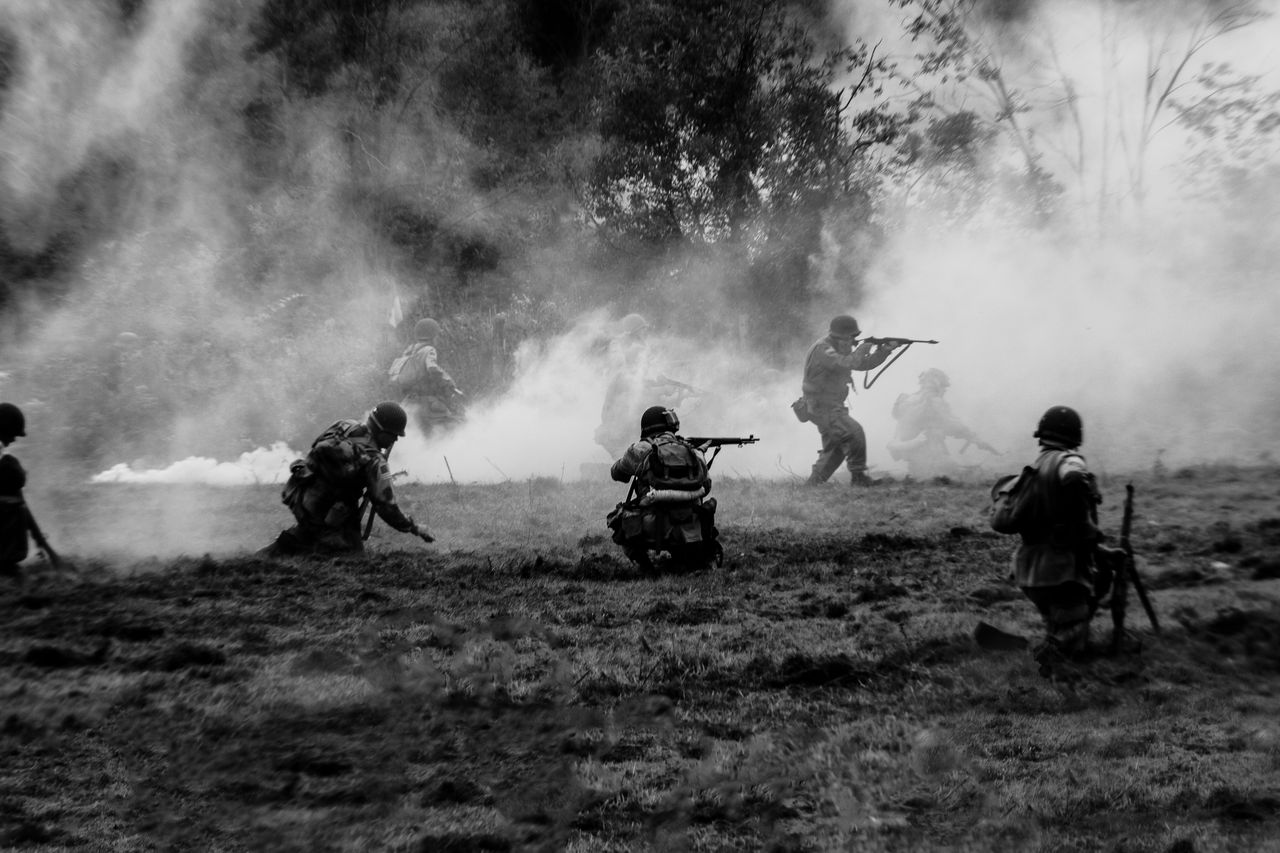
The Johnson’s best-known U.S. service came with Marine parachute units. American Rifleman reports that the Marine Corps purchased a relatively small number to arm Paramarines, making those rifles especially desirable to collectors today.
Even then, the Johnson never became a mainstream American service arm. It was a specialist’s rifle in a military that had already committed to the Garand at industrial scale.
That contrast tells the whole story. More than 4 million M1 rifles were made by 1945, while Johnson rifles in U.S. hands remained a tiny fraction of that total, a reminder that being good is not the same thing as winning.
Why Collectors Still Care
Today, the Johnson Model of 1941 has the aura of a near-miss. It was innovative, combat-used, and attached to one of the more dramatic what-if stories in U.S. small-arms history.
Collectors prize it precisely because it was never common. American Rifleman has noted that only about 3 percent of total Johnson rifle production was diverted to the Marine Corps, which helps explain why confirmed USMC examples are so sought after.
In the end, the Johnson rifle was built in tiny numbers because a military trial did not merely expose flaws. It also failed to overcome institutional loyalty, wartime momentum, and the brutal reality that once the Army chose its winner, there was very little room left for an almost.