For some hunters, this is common sense. For others, it feels like a line the sport should not cross.
Why suppressors are suddenly part of state hunting debates

For years, suppressors sat in the public imagination as the gear of assassins and action movies, not ordinary sportsmen. That image has lingered even as federal law has long allowed civilian ownership under strict regulation, including background checks, fingerprinting, paperwork, and a tax stamp under the National Firearms Act. In practical use, a suppressor does not make a rifle whisper quiet. It reduces the sharp crack to a safer, less punishing level, but most centerfire rifles still produce substantial noise.
That reality is one reason the issue keeps resurfacing in state legislatures. Hunters, shooting groups, and some wildlife agencies increasingly frame suppressors as safety equipment, closer to earmuffs than espionage props. In many places, target shooters have used them for years to limit hearing damage and reduce complaints from nearby residents. Once that argument gains traction at the range, it often spills into the hunting field.
The timing also reflects a broader shift in firearm culture. Precision shooting has grown, suppressor sales have risen, and more hunters already own them legally for recreational shooting. States that once prohibited their use for game now face a practical question: if citizens can own suppressors lawfully, why should using one in the woods be treated differently?
The hearing protection argument is stronger than many critics admit
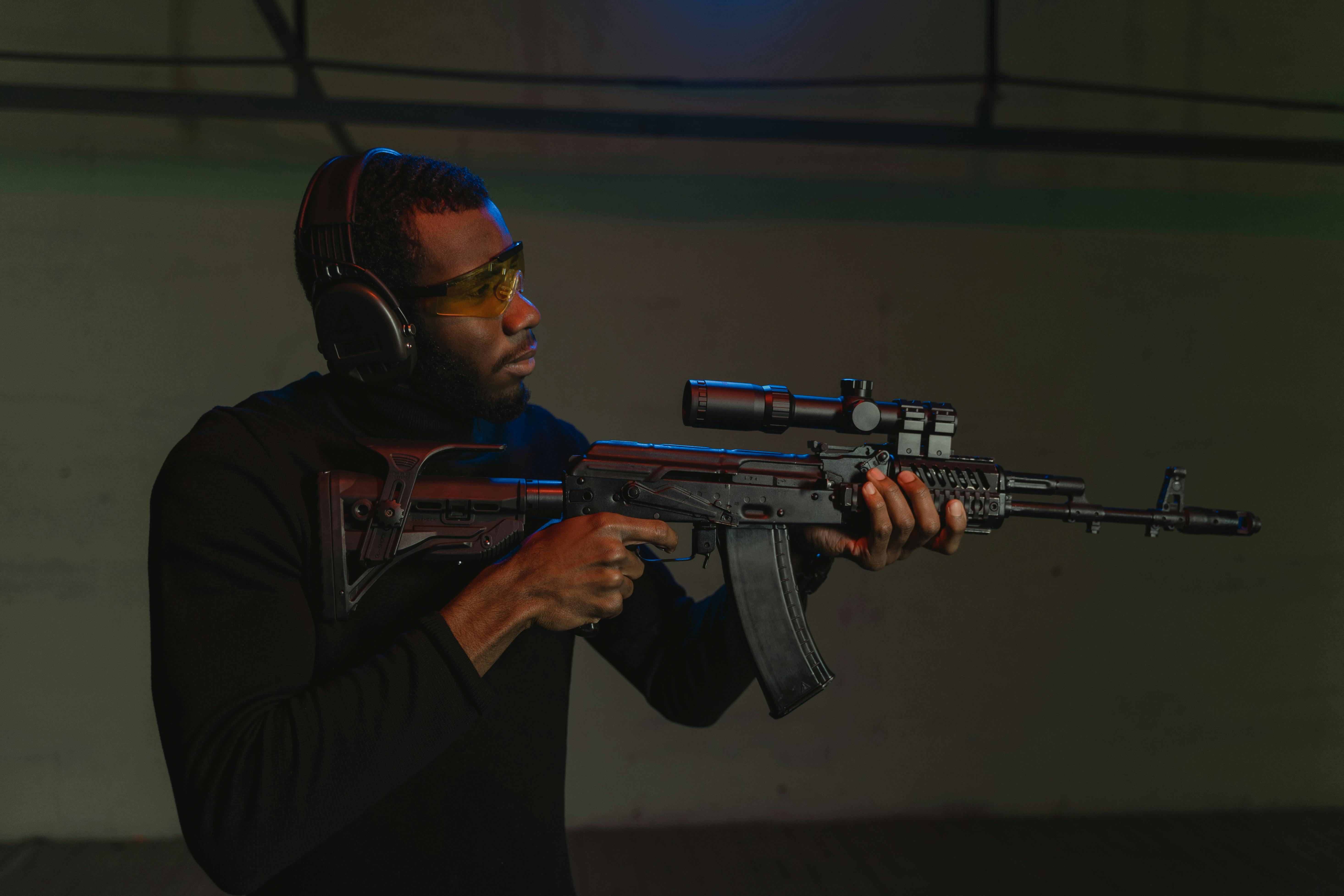
The most persuasive case for hunting with suppressors starts with hearing loss, and it is not a minor concern. A single gunshot can exceed the threshold for immediate auditory damage, especially from high-powered rifles fired without protection. Audiologists and shooting-safety experts have warned for years that repeated exposure can produce tinnitus, permanent ringing, and measurable long-term loss. Hunters are particularly vulnerable because they often skip earmuffs or plugs in the field so they can hear movement, other hunters, or dogs.
Suppressors do not eliminate that risk, but they can reduce it significantly. That matters in the real world, where perfect hearing protection habits are rare. A deer hunter in a blind, a coyote caller moving between stands, or a guide communicating with clients may not have bulky over-ear protection on at the exact moment a shot comes. In those moments, even a reduction of 20 to 30 decibels can be meaningful.
Critics sometimes answer that hunters should simply wear earplugs. In theory, that is fair. In practice, many do not, and policymakers often write rules around actual human behavior rather than ideal behavior. That is why some state-level supporters compare suppressors to seat belts or bike helmets: they do not prevent every injury, but they predictably reduce avoidable harm.
Safety supporters say quieter shots can improve the hunt, not hide it
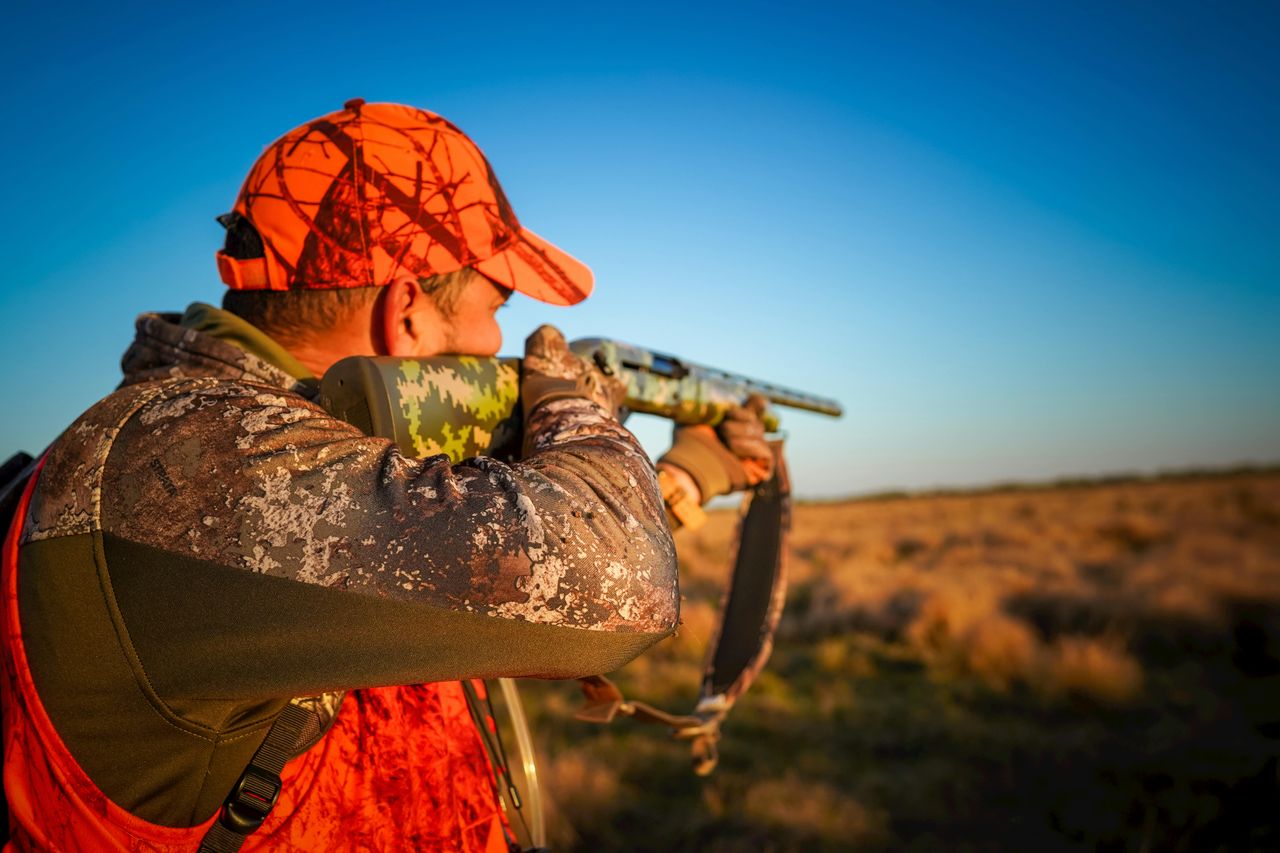
A second argument centers on communication and situational awareness. Anyone who has stood near an unsuppressed rifle shot knows how disorienting the concussion can be, especially in enclosed blinds, wooded hollows, or during group hunts. Supporters say reducing that blast makes it easier for hunters to hear instructions, track where partners are positioned, and maintain composure after the shot. That is especially relevant for youth hunters and less experienced adults who can flinch or lose focus from muzzle blast alone.
Guides in states where suppressor hunting is already legal often describe practical benefits rather than tactical ones. A mentor can speak to a novice immediately after a shot. A hunter can better hear whether an animal crashed, whether another shooter called out, or whether a dog changed direction. These are not cinematic details. They are ordinary moments in which loud noise can interfere with judgment.
Opponents worry that a quieter report could make it harder for nearby hunters or landowners to detect shooting activity. That concern is not frivolous, especially in crowded public land settings. But in real field conditions, suppressed centerfire rifles are usually still loud enough to be heard at distance. The dispute is less about silence than about where lawmakers think the balance between comfort, safety, and transparency should fall.
Ethical objections are really about tradition, fairness, and trust
The emotional force behind opposition often comes from ethics, not acoustics. For some hunters, suppressors simply feel wrong because they appear to make hunting too technological, too clinical, or too detached from long-standing norms. Hunting culture has always contained these arguments. Compound bows, rangefinders, thermal optics, and straight-wall cartridge rules have all triggered versions of the same dispute: when does useful equipment become an unfair edge?
In this debate, critics sometimes say suppressors reduce the animal’s chance to react or make it easier to take multiple animals before a herd fully spooks. Supporters counter that shot placement, range discipline, and legal bag limits matter far more than noise reduction. In many hunting scenarios, one well-placed shot ends the encounter regardless of whether the rifle is suppressed. The suppressor may reduce chaos, but it does not magically create invisibility or guarantee follow-up opportunities.
There is also a public-trust issue underneath the ethics language. Some residents hear “suppressor” and think “poacher.” Wildlife officials know poachers already ignore equipment laws, seasons, and property boundaries. Still, perception matters in politics. When states begin this debate, they are often deciding not only what hunters should be allowed to use, but what image of hunting they want to endorse publicly.
What states that already allow suppressor hunting can teach everyone else
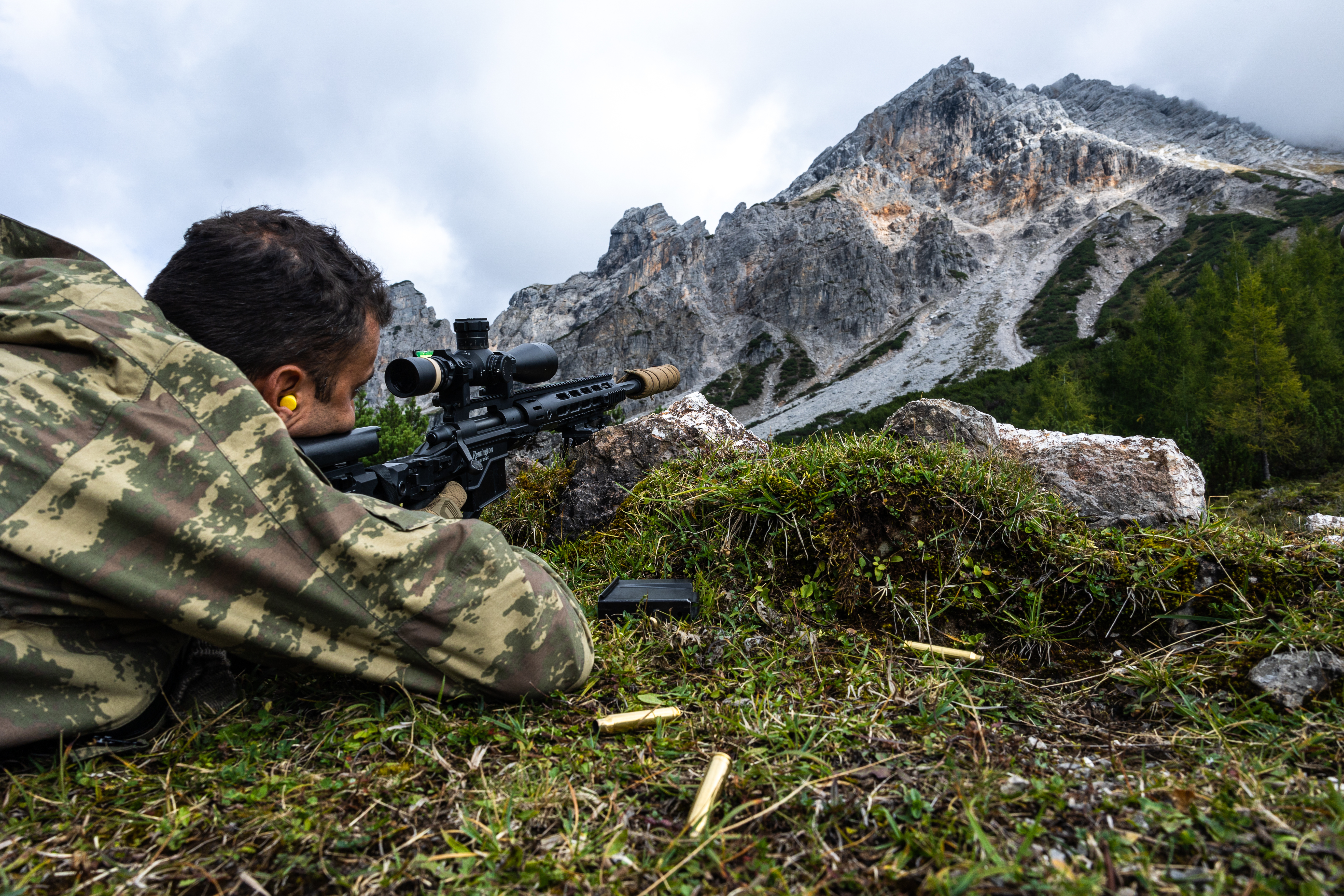
Most states now allow suppressors for at least some forms of hunting, and their experience has undercut several of the earliest fears. Widespread reports of poaching spikes directly tied to legal suppressor use have not materialized in the dramatic way opponents once predicted. Game wardens in many jurisdictions still focus on familiar enforcement problems such as trespassing, spotlighting, baiting violations, and out-of-season kills. A suppressor can be one detail in a case, but it has not become the defining enforcement crisis.
That does not mean every concern vanished. States vary in terrain, population density, and hunting pressure, so what feels routine in the Mountain West may be more controversial in heavily used Eastern public land. Some wildlife agencies have also had to educate the public on basic facts, because many residents assume suppressors nearly erase gunfire. The policy fight is often as much about correcting misconceptions as it is about changing rules.
The larger lesson is that legality tends to normalize the device quickly. Once hunters, neighbors, and local sheriffs understand what suppressors actually sound like, the conversation often becomes less ideological. It shifts toward ordinary implementation questions such as season coverage, species limits, transportation rules, and whether state law should mirror existing federal compliance standards.
Why lawmakers move cautiously even when public support is growing
State lawmakers approach this issue carefully because it sits at the intersection of gun politics and wildlife management, two subjects that can ignite passionate testimony fast. A bill about suppressor hunting may attract not only hunters and conservation groups, but gun-rights organizations, suburban residents, sheriffs, and public-health advocates. That means legislators are not just judging field utility. They are reading the political temperature of their district.
Incremental change is common. Some states begin by allowing suppressors for varmints or predators, then later expand to big game. Others legalize use only after confirming that federal registration rules remain in place and that state criminal statutes can still address unlawful possession. This step-by-step approach gives skeptics time to watch neighboring states and ask whether predicted harms actually emerged.
Public opinion is also changing because the language around suppressors is changing. Supporters increasingly avoid jargon and talk instead about hearing conservation, reduced noise complaints, and safer mentoring. That framing resonates with people who may never hunt but understand the cost of permanent hearing damage. In politics, issues often move not when the facts become new, but when the facts are explained in a way ordinary voters can immediately grasp.
The real question is what kind of modern hunting policy states want
At bottom, this is not only a suppressor debate. It is a test of how states adapt hunting policy to modern equipment without losing public confidence in the sport. Good policy has to hold two ideas at once: hunters should have access to lawful tools that improve safety, and wildlife rules should remain credible to people who do not participate in hunting at all. If either side is ignored, the argument hardens and trust erodes.
The strongest path forward is usually the least theatrical one. States can require full compliance with federal suppressor law, maintain penalties for poaching and reckless discharge, and let wildlife agencies monitor whether any measurable enforcement issues follow legalization. They can also pair rule changes with public education that explains suppressors honestly, including the fact that they reduce noise but do not make rifles silent.
That kind of approach will not end the disagreement, because some of the disagreement is cultural by nature. But it can improve the quality of the debate. And for states only now beginning to wrestle with the issue, that may be the most important step of all: replacing myth and symbolism with evidence, experience, and a clearer understanding of what hunters are actually asking to do.