A bright orange vest has been part of the hunting landscape for generations. Lately, though, that familiar safety rule is getting a fresh round of scrutiny.
Why blaze orange became a hunting standard
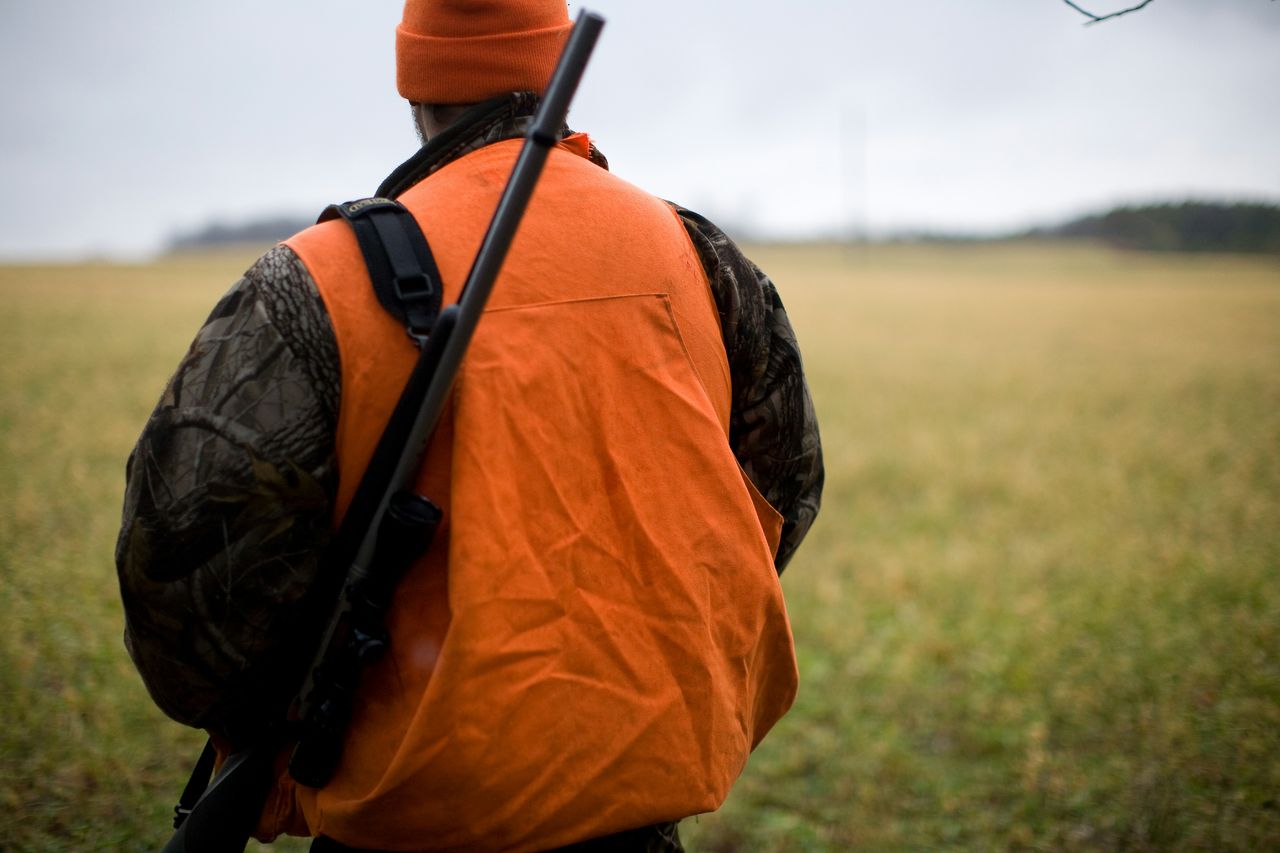
Blaze orange did not become standard because it looked traditional or because regulators wanted a uniform dress code. It spread because wildlife agencies and hunter education leaders saw it as one of the simplest ways to reduce mistaken identity shootings. The International Hunter Education Association still teaches hunter orange as a core best practice for preventing hunting related shooting incidents and says it helps people be seen and identified as human.
That safety culture grew alongside formal hunter education. According to the association, nearly 40 million students have completed hunter education courses since 1949, and hunting injury rates have dropped dramatically over the past 50 years even as game populations and participation remained strong. Blaze orange is not the only reason, but it became part of the broader safety system that includes target identification, muzzle control, and sober decision making.
The original logic remains easy to understand. In mixed use woods, especially during deer gun seasons, the greatest danger is not usually the game animal. It is another person making a split second mistake in brush, shadows, or low light.
Why the debate is resurfacing now

The argument coming back into public view is not really about whether visibility matters. Most hunters agree that being seen by other people is smart. The real question is whether old orange mandates match the way people hunt now, especially in an era of elevated blinds, private land management, better mapping tools, and more specialized seasons.
Some hunters also object to blanket rules that do not distinguish enough between firearm seasons, archery hunts, and low density areas. A bowhunter on private ground may feel the requirement makes little sense if no gun season is open nearby. Others say modern gear, from enclosed blinds to GPS mapping and texting, reduces the kind of confusion that once made orange laws feel unquestionably necessary.
At the same time, states have not moved in one direction. Some have modernized rather than repealed, often by allowing fluorescent pink alongside orange. Wisconsin was the first state to officially allow fluorescent pink, and states such as Minnesota now permit blaze orange or blaze pink, including certain camouflage patterns that meet visibility standards. That tells you agencies are willing to adapt, but not eager to walk away from the visibility principle itself.
What deer see, and what hunters worry they see

A big reason hunters question the rule is the lingering fear that bright clothing ruins concealment. That concern sounds intuitive to nonhunters, but deer do not see the world the way people do. State wildlife agencies and longtime deer researchers have repeatedly said deer are far less sensitive to long-wavelength colors like orange and red than humans are.
Iowa’s Department of Natural Resources has long explained that deer do not perceive blaze orange the way hunters do. Outdoor Life, citing work discussed by deer researchers and the National Deer Association, has reported that deer likely see oranges and reds more like muted yellows or browns. The practical takeaway is that movement, outline, scent, and ultraviolet brighteners often matter more to a deer than the specific blaze orange patch on a vest.
That does not mean orange is invisible to the game. It means the tradeoff is usually smaller than critics claim. Researchers and instructors have consistently emphasized that a whitetail is much more likely to bust a hunter for shifting at the wrong time than for wearing the legally required safety color.
The state law patchwork tells the real story

One reason this debate never fully goes away is that there is no single American rule. Hunting laws differ sharply by state, season, species, and method. Massachusetts requires 500 square inches of blaze orange on the chest, back, and head during several deer seasons, while Pennsylvania generally requires 250 square inches visible from 360 degrees when orange is mandated.
Minnesota uses a broader rule during open firearms and muzzleloader deer seasons, requiring visible blaze orange or blaze pink on the cap and outer clothing above the waist. It also allows blaze orange or pink camouflage if at least 50 percent of each square foot meets the color requirement. Those details matter because they show how regulators are fine tuning visibility rules instead of abandoning them.
The patchwork also reflects different hunting cultures. Dense public land in the Northeast, open farm country in the Midwest, and more dispersed Western hunting each create different risk profiles. That is why claims that blaze orange is obviously outdated, or obviously insufficient, tend to oversimplify a legal landscape built around local conditions and seasonal realities.
The strongest case for keeping the rule
The best argument for blaze orange is not aesthetic, and it is not nostalgia. It is that hunting accidents caused by misidentification are low frequency but high consequence events. When they happen, the cost is catastrophic, and the preventive step is cheap, visible, and easy to enforce.
Hunter education groups continue to treat orange as a meaningful protection. IHEA standards explicitly teach that hunter orange allows a person to be more easily seen and identified as human. Several state agencies still frame it in plain terms: the color may not matter to the deer, but it may save your life. Massachusetts said exactly that in a 2025 public safety reminder aimed not only at hunters, but hikers and other outdoor users.
There is also a practical compliance point. Simple rules work better in the field than highly customized ones. A game warden can quickly judge whether a hat and vest meet a standard. A vague requirement based on terrain, distance from roads, or number of nearby hunters would be harder to understand and harder to enforce.
The strongest case for changing it

Still, critics are not irrational, and dismissing them as careless misses the real policy question. Not every hunt carries the same level of risk. During archery only hunts, in secluded private parcels, or in enclosed blinds with controlled shooting lanes, some hunters argue mandatory orange can feel like a one size fits all answer to a problem that varies enormously.
There is also a fairness argument. Hunters already navigate an increasingly detailed web of tags, method restrictions, public land boundaries, antler rules, chronic wasting disease zones, and reporting requirements. For them, clothing mandates can feel like another layer of regulation that assumes every hunter is one bad decision away from disaster.
Then there is the modernization case. GPS based mapping, digital check in systems, lighter synthetic fabrics, and safer blind designs have changed field behavior. Some states already carve out exceptions for waterfowl hunters, turkey hunters, or people in archery only areas. Critics see those exceptions as proof that orange requirements should be more targeted, not universal.
What makes sense now
The smartest conclusion is probably not repeal or rigidity. It is refinement. The evidence still supports high visibility requirements during firearm deer seasons and in places where hunters overlap, especially on public land. The risk of mistaken identity has not vanished just because gear improved.
Where the rules may deserve a second look is in narrow, lower risk settings. If a state wants to revisit orange rules for archery only areas, enclosed blinds, or isolated private land hunts, that is a reasonable conversation. But it should be built on incident data and local conditions, not just annoyance with a bright vest.
In other words, blaze orange still makes sense as a safety baseline. The debate resurfacing now is less about whether visibility matters and more about whether states can update old mandates without forgetting why those mandates existed in the first place. On that point, the burden of proof still falls on anyone arguing the woods have become safe enough to blend back in.