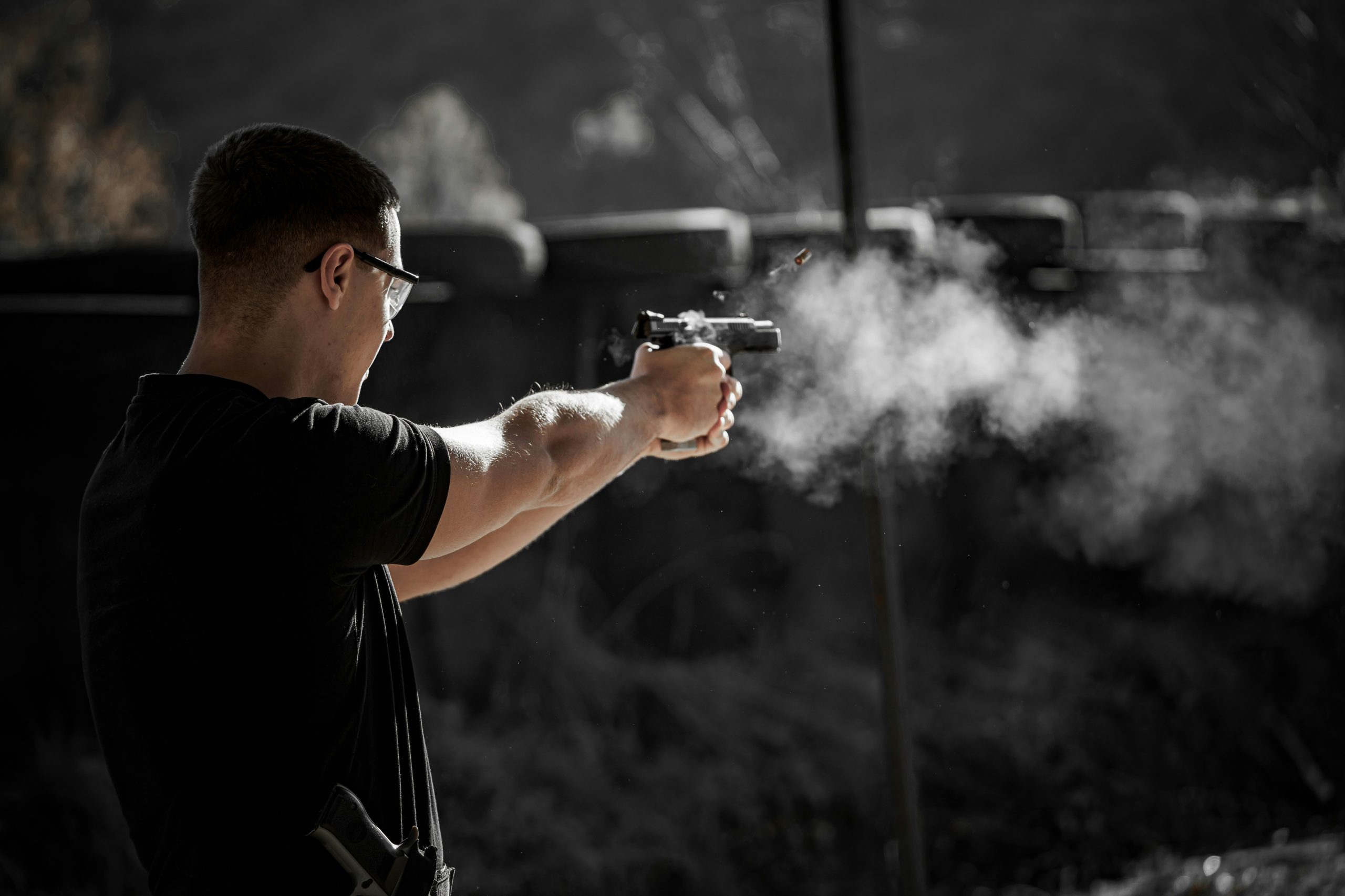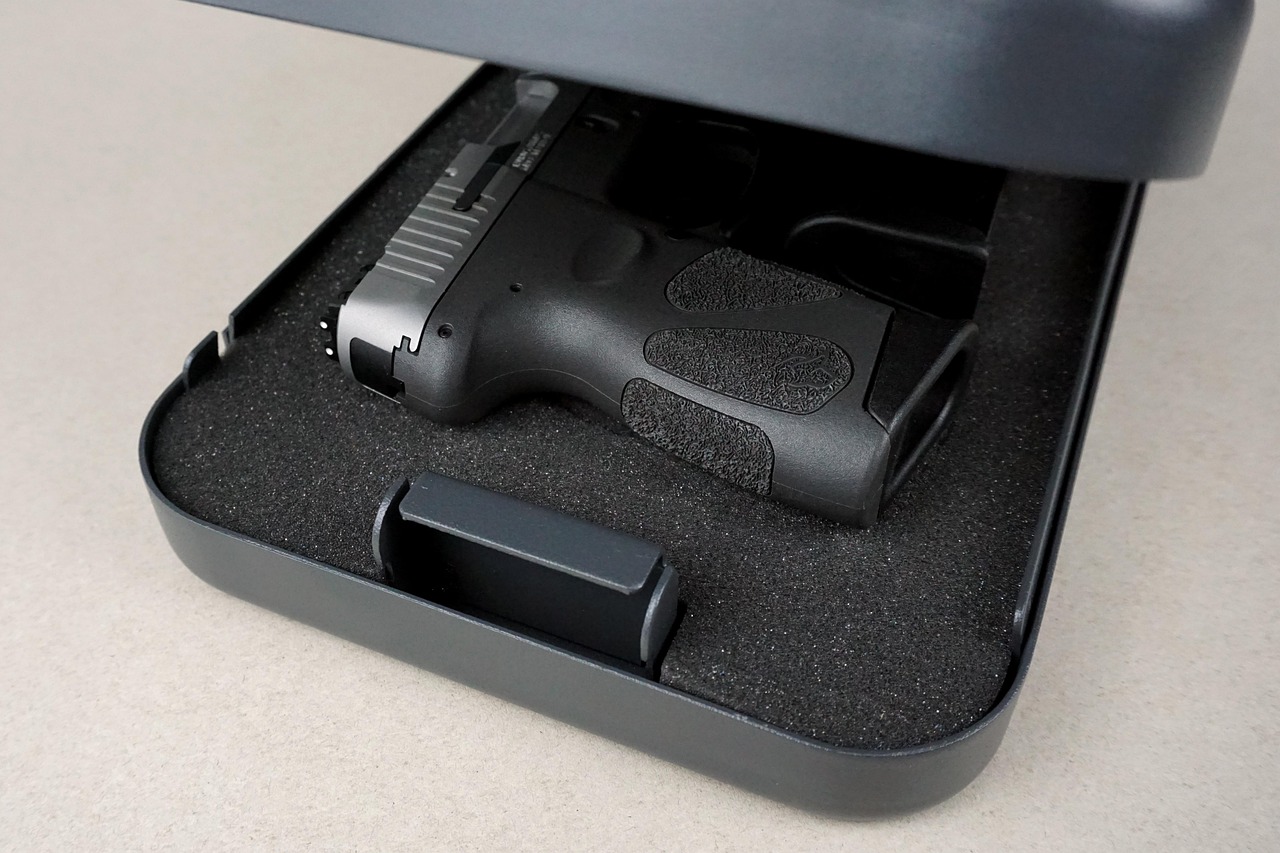
This fight is getting more practical and more personal. What used to sound like a niche gun policy debate is quickly turning into a broader argument about everyday responsibility.
Why is safe storage moving to the center of gun policy

For years, gun policy arguments have focused on who can buy a firearm and what kinds of firearms should be regulated. Storage was often treated like an afterthought, something for safety brochures and dealer handouts. That has changed fast, in part because lawmakers now see unsecured guns as a direct pathway to child shootings, youth suicide, theft, and accidental injury.
The public health case is hard to ignore. A 2026 JAMA Network Open study estimated that 32.3 million U.S. children lived in a household with an adult gun owner as of December 2024, and about 6.7 million of those children lived in homes where at least one firearm was stored both loaded and unlocked. That is not a marginal issue. It is a national exposure problem with clear household-level risk.
Researchers have also tied better storage to measurable harm reduction. A JAMA Pediatrics study found that even a modest increase in locked storage among households with children could prevent dozens of youth firearm deaths and hundreds of shootings each year. Johns Hopkins researchers have highlighted evidence that stronger safe-storage laws are associated with lower youth suicides and fewer unintentional deaths and injuries.
At the same time, CDC injury data continues to frame firearm harm among young people as a major national crisis. That is why safe storage is no longer being pitched only as a voluntary best practice. It is increasingly being framed as the baseline duty of ownership.
The law is already shifting, state by state
The idea that secure storage is purely optional is already outdated. According to Johns Hopkins and Everytown, 26 states and Washington, D.C., had some form of secure-storage or child-access prevention law in effect by 2025 or early 2026. Those laws vary, but the direction is unmistakable: more states are assigning legal consequences when unauthorized users, especially minors, can access an unsecured firearm.
Some states have gone further than the public often realizes. Massachusetts has long required firearms to be secured in a locked container or with a tamper-resistant lock when not under the owner’s control. California law imposes criminal liability in certain circumstances when a child or prohibited person is likely to gain access, and it also requires firearms sold by licensed dealers to include an approved safety device or proof of a qualifying gun safe.
Michigan offers a more recent example of where the trend is headed. Its secure-storage law took effect in February 2024, and by 2026 researchers were already tracking prosecutions under the new statute. That matters because enforcement is what turns storage from a recommendation into a real operating rule for gun owners.
The federal government has also nudged the market. ATF regulations require applicants for a federal firearms dealer license to certify that compatible secure gun storage or safety devices will be available where firearms are sold to nonlicensed individuals. The Justice Department has also released model state legislation on secure firearm storage, signaling that states are being encouraged to tighten standards further.
Where the “smart” part comes in
Traditional storage laws usually describe outcomes, not technology. The gun must be locked. A child or a prohibited person must not be able to access it. But lawmakers and manufacturers are now paying more attention to smart storage, meaning safes and lockboxes that use biometrics, app controls, tamper alerts, audit logs, and rapid-access systems instead of only keys or combination dials.
That shift reflects a basic political reality. One of the biggest objections to safe-storage laws has always been speed. Gun owners who keep a firearm for home defense often worry that a slow or cumbersome lock could cost precious seconds. Smart storage companies have built their entire sales pitch around solving that problem: quicker authorized access, harder unauthorized access.
In practical terms, smart storage sits in the sweet spot between public safety and defensive readiness. A bedside biometric safe, for example, promises one-touch access for the owner while keeping a handgun out of a teenager’s backpack or a burglar’s hands. For lawmakers looking for a standard that sounds both responsible and realistic, that is an appealing middle ground.
There is also a legal logic to it. If modern technology makes secure storage faster and easier than it was 20 years ago, lawmakers can argue that the burden on owners is lower and the expectation of compliance should be higher. That is how a convenience feature starts becoming a legal benchmark.
The technology promise and the reliability problem
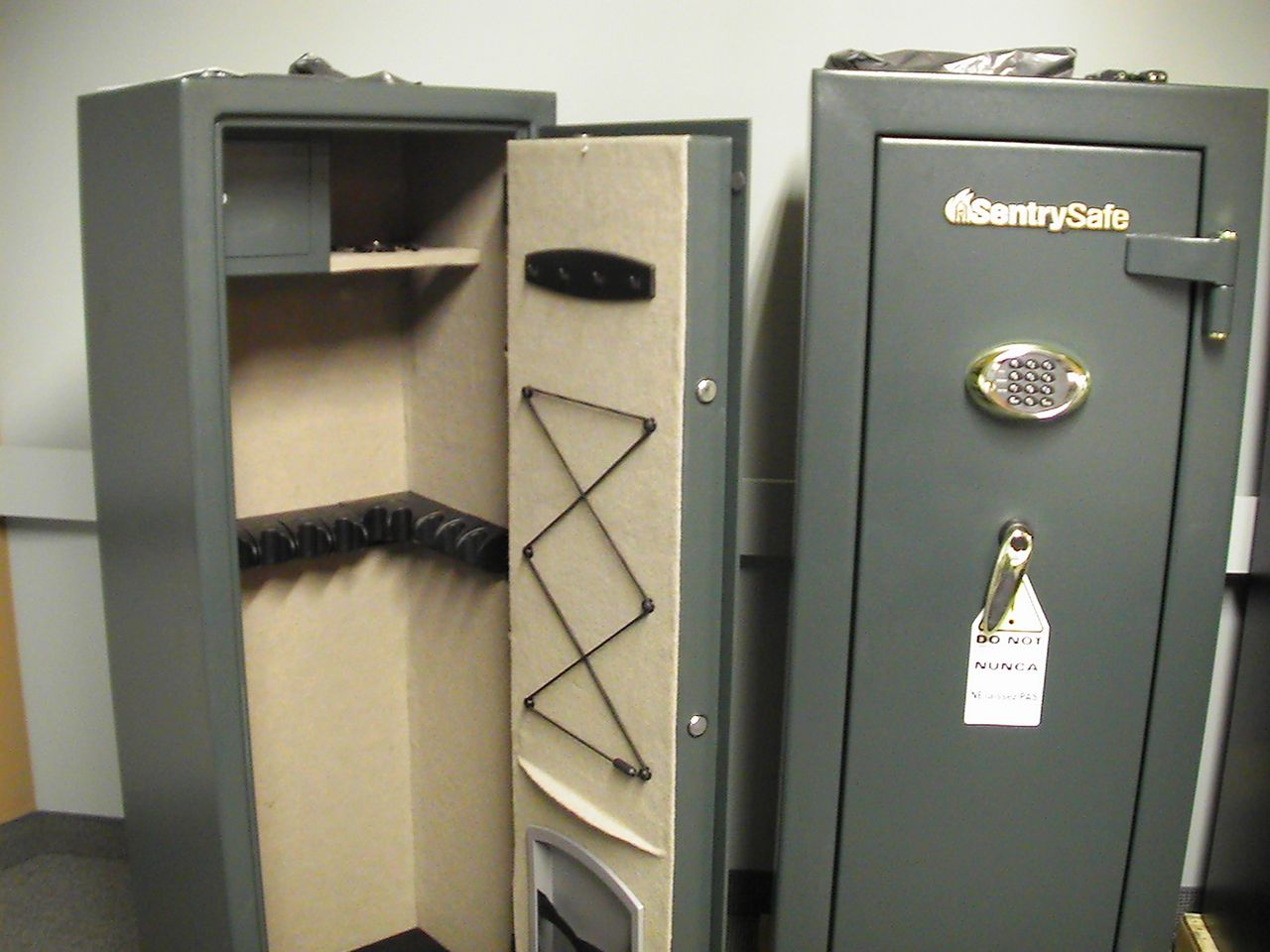
Smart storage sounds like an easy answer, but the technology is not flawless. Biometric safes are popular because they can open quickly without requiring a key or a code under stress. Yet reliability remains the question that keeps this entire category from becoming an unquestioned legal standard overnight.
The clearest warning has come from product safety officials. In 2024, the Consumer Product Safety Commission urged consumers to stop using the biometric feature on certain imported gun safes due to a serious injury hazard, and in February 2025, a commissioner publicly warned that some Stack-On biometric programming failures could allow unauthorized fingerprints to open a safe. That is the nightmare scenario for any law built around smart access.
The problem is not that all biometric storage is bad. It is that performance varies widely across brands, sensors, environmental conditions, battery health, and setup quality. Dry fingers, dirty sensors, low batteries, or poor enrollment can all affect speed or access. A legal system that starts favoring smart storage will have to wrestle with certification, testing, and backup-access requirements.
That is why the smarter policy debate is moving beyond the word smart itself. The real question is whether a device is secure, tamper-resistant, reliable under stress, and usable by an authorized adult while remaining inaccessible to everyone else. Tech alone does not settle that.
What a new legal standard might actually look like

If smart gun storage does become the new legal standard, it probably will not happen through one sweeping federal mandate. It is more likely to emerge through layered rules at the state level, product regulations, civil liability standards, and insurance expectations that together redefine ordinary care.
One model is outcome-based law with technology-neutral language. Legislatures can require firearms not in the owner’s immediate possession to be stored in a locked container or with a safety device that renders them inaccessible to unauthorized users. Regulators can then create approved-product standards that include mechanical locks, conventional safes, and qualified biometric devices.
Another model is risk-tiered law. A state might impose stricter requirements in homes with minors, in vehicles, or when a resident is prohibited or in crisis. California already regulates transport and locked-container use in some settings, and New Jersey lawmakers have considered broader requirements that would mandate storage in a locked safe or locked container whenever a firearm is not being carried or controlled.
Expect disclosure rules to spread, too. Michigan now requires public-facing guidance on storage best practices and low-cost safety options. Over time, dealer notices, pediatric counseling, insurer questionnaires, and litigation over negligence may do as much as criminal statutes to normalize smart storage as the expected standard of care.
The politics are more complicated than they look
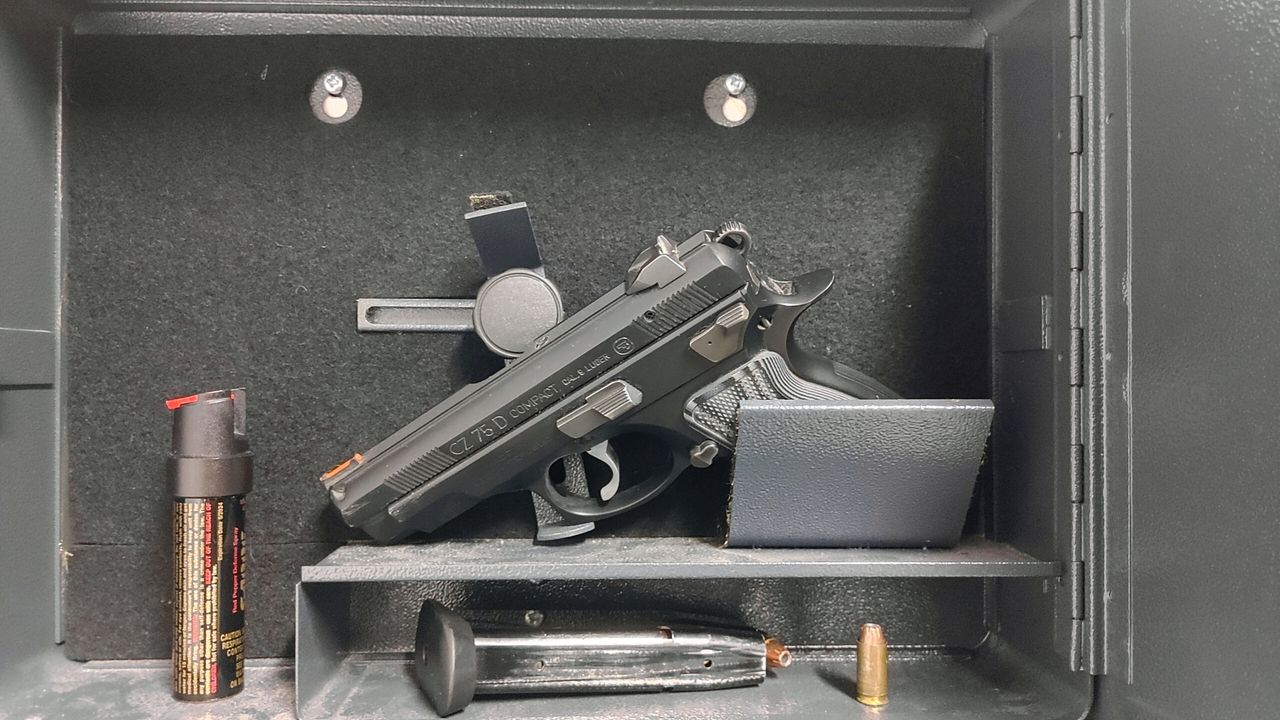
It is tempting to treat this as a simple culture-war clash, but the storage debate cuts across familiar lines. Many gun owners already lock up some or all of their firearms, especially when children are in the home. The conflict is often less about whether secure storage is good and more about who gets to define sufficient security.
Gun-rights advocates tend to raise three objections. First, they argue that one-size-fits-all mandates can interfere with lawful self-defense. Second, they worry that vague standards create selective enforcement risks. Third, they question whether lawmakers understand the practical differences between a cheap cable lock, a heavy mechanical safe, and a battery-powered biometric box.
Gun-safety advocates counter that unsecured guns create foreseeable risks not just to the owner but to children, guests, schools, police, and communities. They also argue that stronger statutes can be written with clear exceptions for lawful carry and immediate control. In other words, the argument is increasingly about precision, not just principle.
That is why smart storage matters politically. It offers a policy lane that sounds less like confiscation and more like modernization. For legislators who want a measure they can defend as practical, preventive, and compatible with ownership, this is one of the most viable areas on the board.
What does this mean for gun owners and the broader public
The immediate takeaway is simple: safe storage is becoming a legal and social expectation, and owners who ignore that shift are taking growing risks. Those risks include criminal exposure in some states, civil liability after a theft or injury, and the basic possibility that an unsecured firearm reaches a child, a suicidal teen, or a thief.
For gun owners, the practical move is not to wait for the perfect law. It is to assume standards are getting stricter and that storage balances genuine security with realistic access. That usually means more than hiding a firearm on a shelf or relying on a loose trigger lock. It means thinking in layers: locked container, controlled access, backup entry method, battery maintenance, and placement that limits discovery.
For the broader public, this debate is worth watching because it shows how gun regulation is evolving. The next phase may be less about dramatic bans and more about redefining responsibility through the home, the vehicle, the point of sale, and the courts. Smart gun storage fits that moment exactly.
And that is the real push underway. The question is no longer whether safe storage should matter. The question is what level of storage the law will soon treat as the minimum any responsible owner should have used.