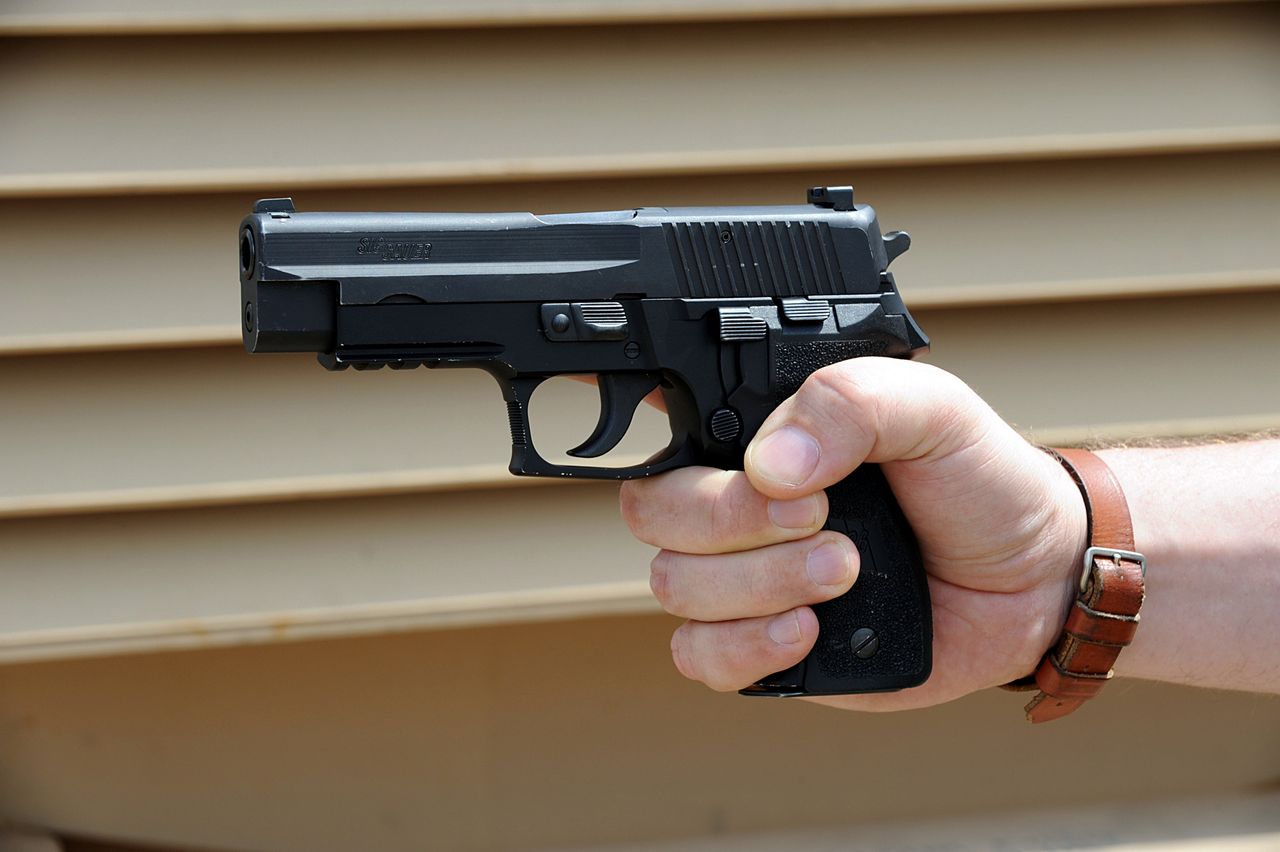
It almost became America’s next service pistol. Instead, the SIG Sauer P226 became something arguably more durable: a yardstick for what a fighting handgun should be.
The P226 Was Built For One Job
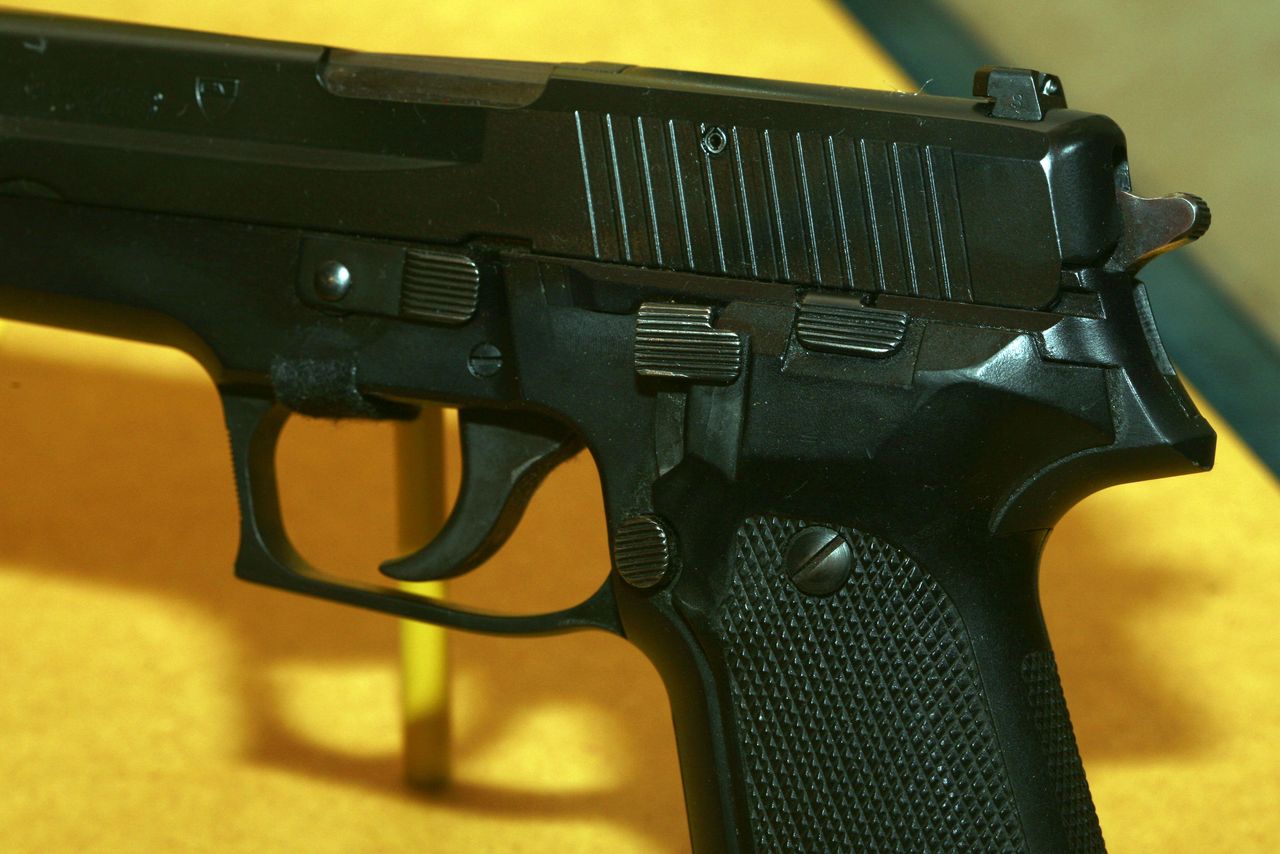
The P226 was developed in the early 1980s specifically to compete in the U.S. military’s XM9 pistol trials, the program meant to replace the long-serving M1911A1 with a 9mm sidearm. SIG’s own company history and anniversary materials make that origin story clear: this pistol was designed with military adoption in mind, not as a casual commercial spin-off.
That purpose shaped everything about it. The gun used a double-stack magazine, a traditional double-action/single-action trigger, and a decocking lever instead of a manual safety, giving troops a sidearm that was fast to run but still safe to carry.
In the XM9 competition, the P226 emerged as one of the two finalists alongside Beretta’s 92SB-F. According to GAO records and period reporting, both pistols completed the trials satisfactorily, which immediately told the industry something important: SIG had built a gun that could survive a bruising military test cycle.
Why Beretta Won Instead
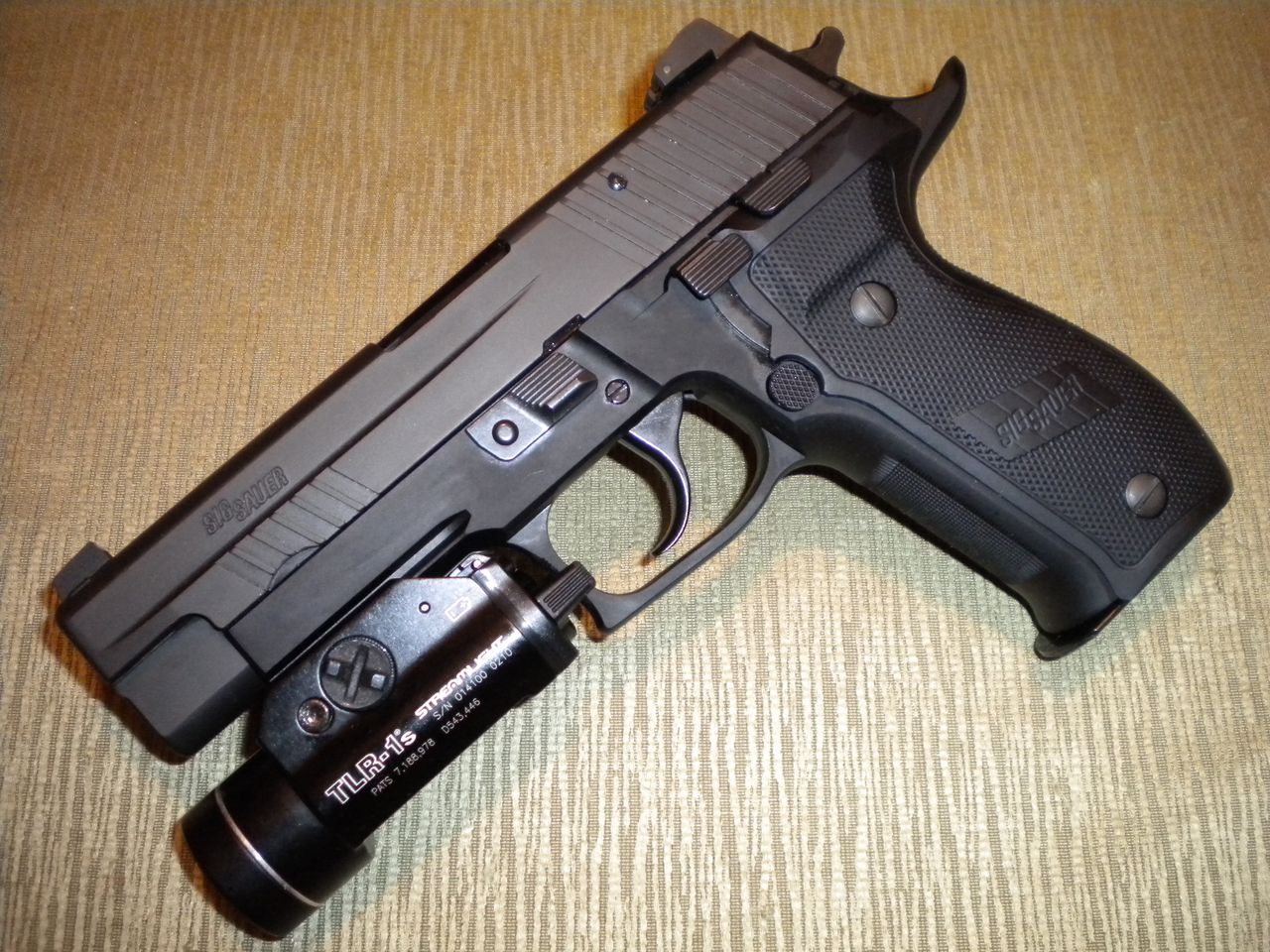
The short version is simple: the P226 did not lose because it was a bad pistol. It lost because Beretta offered a lower overall package price. GAO’s review of the procurement found that Beretta’s bid came in cheaper when the Army evaluated the pistols together with magazines, spare parts, and support costs.
That detail matters because people often retell the story as if SIG failed technically. It did not. In fact, GAO documents from the period note that logistics evaluators even calculated lower maintenance cost from test data for the P226 over the required 5,000-round service life.
But procurement is procurement. Once two guns are close enough on performance, price starts driving the decision. In January 1985, the Pentagon announced the Beretta would get the contract, and the pistol entered U.S. service as the M9. SIG had built a contender good enough to reach the finish line, but not cheap enough to win the photo.
Losing The Contract Did Not Hurt Its Reputation
If anything, the near-win gave the P226 instant credibility. A handgun that had nearly become the standard U.S. military sidearm suddenly looked like a proven, hard-use platform to police agencies and professional end users.
SIG later leaned into that record, describing the P226 as a pistol with a long military and law-enforcement history. That was not just marketing spin. The gun built a real service résumé across departments and specialist units that valued reliability, accuracy, and controllability over bargain pricing.
The P226 also benefited from timing. The 1980s and 1990s were years when many agencies were moving away from revolvers and looking for high-capacity 9mm pistols. The SIG fit that moment perfectly: modern, durable, and refined without feeling experimental.
Elite Users Helped Build The Legend
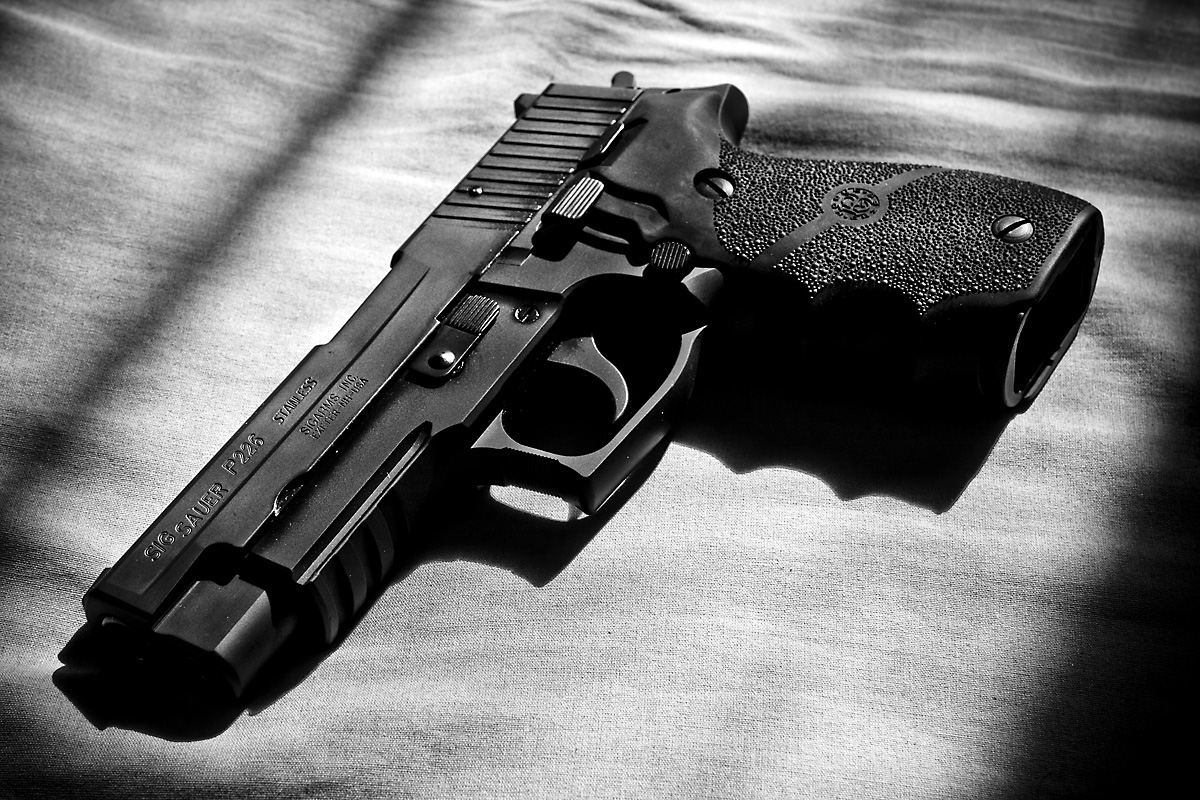
One major reason the P226 became iconic is its association with elite military units, especially the U.S. Navy SEALs. SIG’s modern defense materials still highlight that relationship, noting that the P226 served with the SEALs for decades.
That kind of adoption carries weight far beyond pure marketing. Elite units usually have broad latitude to reject gear that does not hold up, so long-term use sends a strong signal about reliability under harsh field conditions.
Law enforcement helped reinforce that reputation. SIG has documented agency selections of the P226 as a standard-issue sidearm, and the pistol consistently developed a reputation for excellent practical accuracy, smooth feeding, and dependable function with duty ammunition. In a service pistol, boring reliability is the highest compliment possible.
What Made The P226 A Benchmark
The P226 earned its status because it balanced fighting-gun priorities exceptionally well. It was large enough to shoot softly, heavy enough to control, and mechanically solid enough to digest high round counts without feeling delicate.
Its controls were also unusually practical. The decocker was intuitive, the slide stop was easy to reach, and the DA/SA system gave agencies a long first trigger pull without the complexity of a manual safety. For many armorers and trainers, that made the gun easier to issue across a wide range of skill levels.
Then there was shootability. Even critics who preferred other systems often admitted the P226 pointed naturally and tracked well in recoil. That combination of reliability, handling, and durability is why SIG still describes it as a standard by which combat pistols are measured, a claim rooted in decades of field use rather than nostalgia alone.
The Real Legacy Of The P226
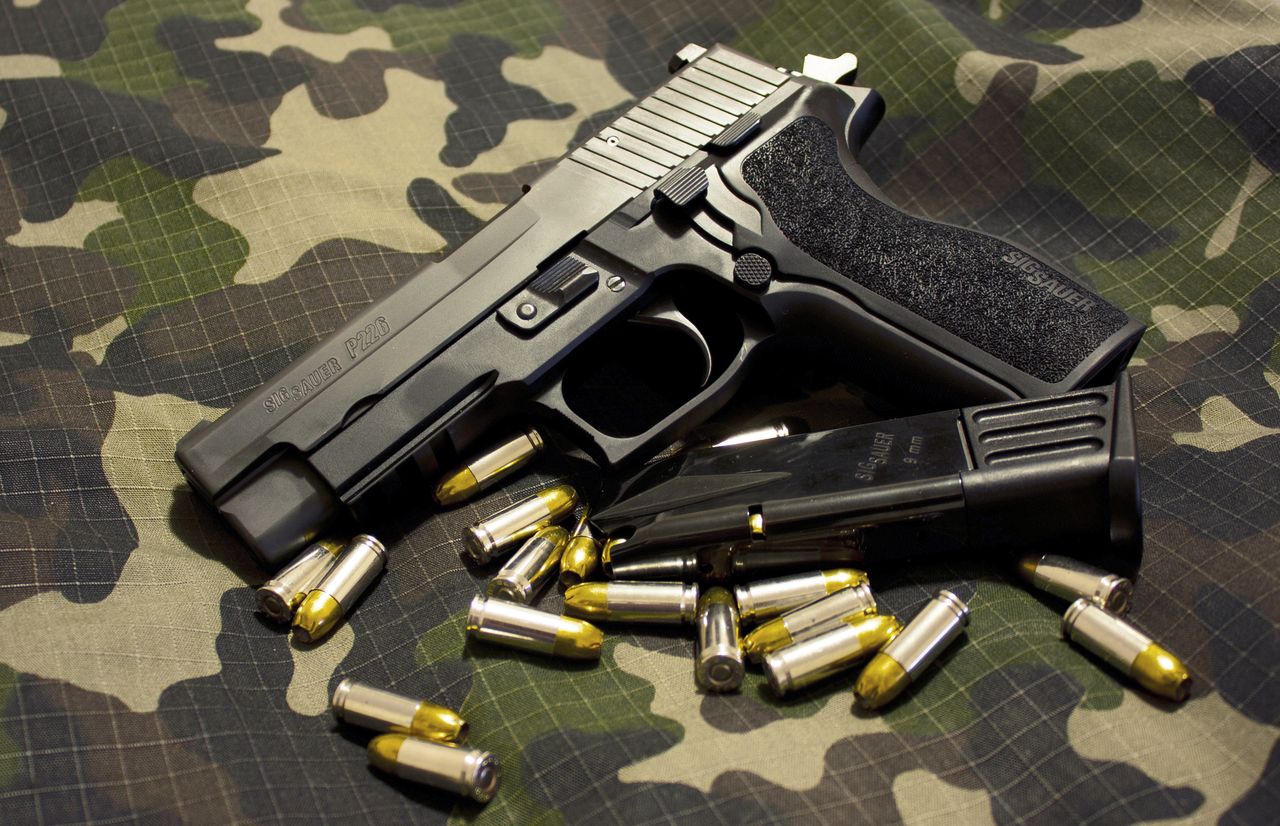
The P226’s story is a reminder that procurement winners are not always the only long-term winners. Beretta got the giant military contract, but SIG got something just as powerful: a reputation built on being the pistol professionals trusted when performance mattered most.
That reputation aged well. Across the handgun world, the P226 became shorthand for a full-size duty pistol done right, influencing how shooters judged later service handguns from SIG and everyone else.
So yes, it lost the military contract. But in the larger history of combat pistols, the P226 turned that defeat into proof of quality. It did not need to be the official sidearm of the entire U.S. military to become one of the clearest benchmarks the category has ever produced.