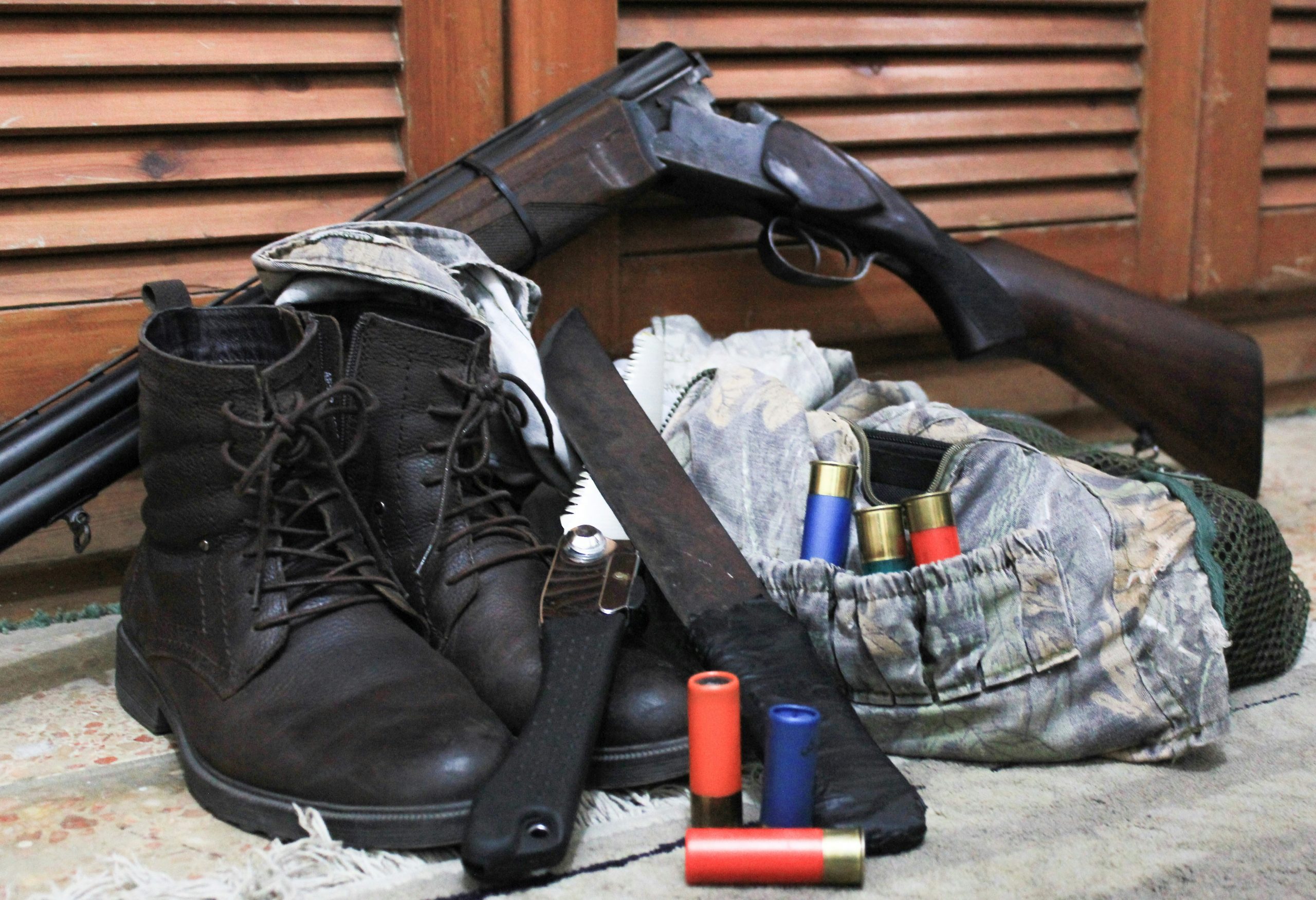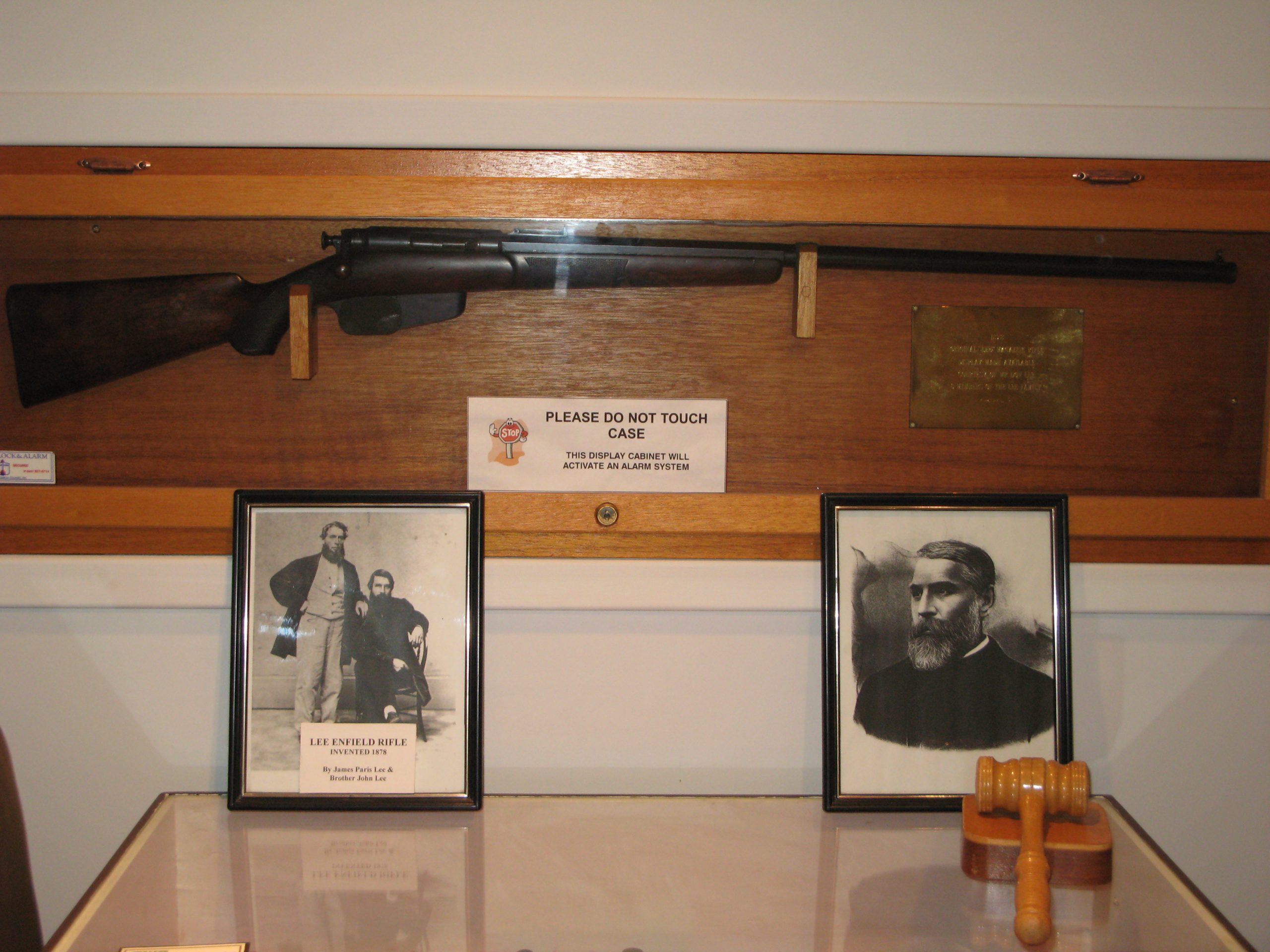
Some rifles win fame on the battlefield. The Lee-Enfield won lasting loyalty in the bush.
A Military Rifle That Slipped Naturally Into Civilian Life
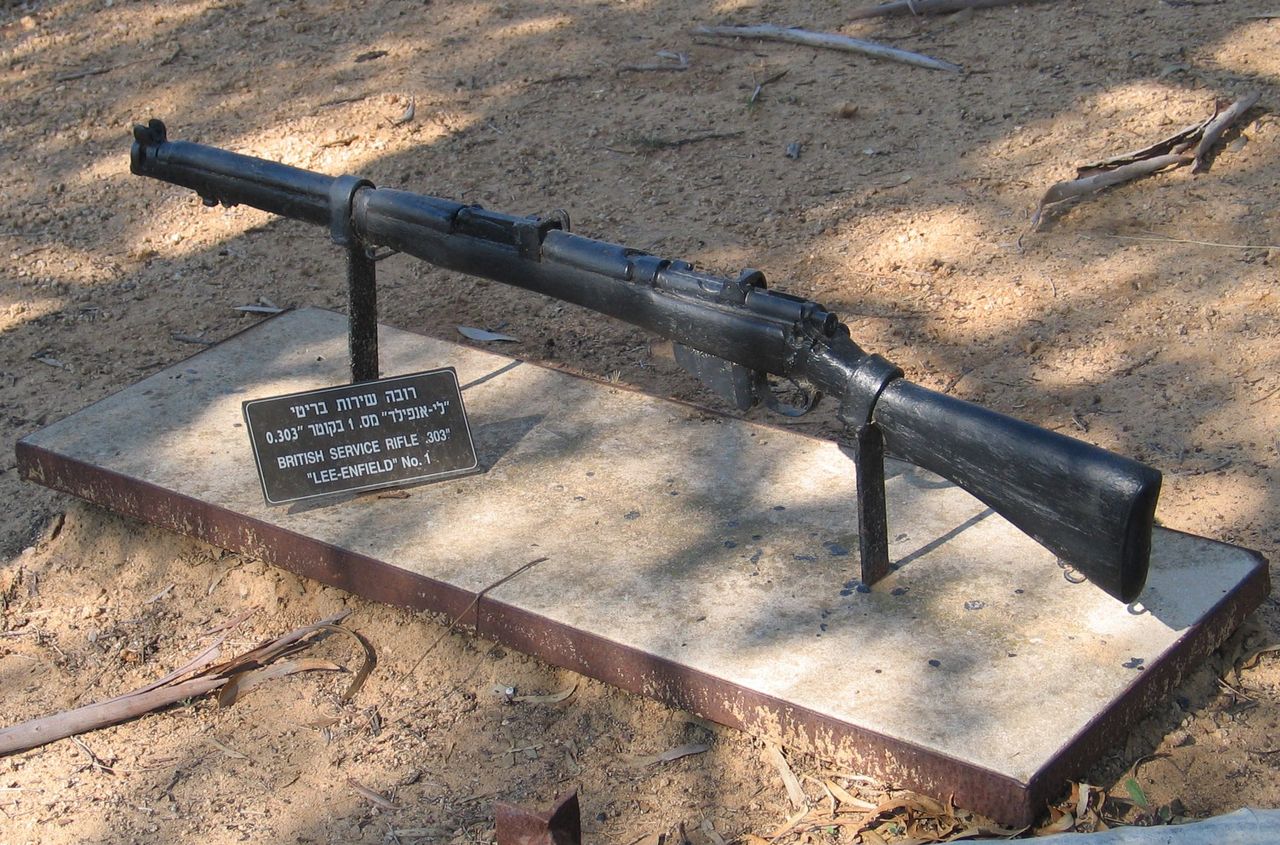
The Lee-Enfield began as a British service rifle, but its second life may be even more interesting. In Canada especially, it moved from arsenals to hunting camps, traplines, and remote cabins with surprising ease.
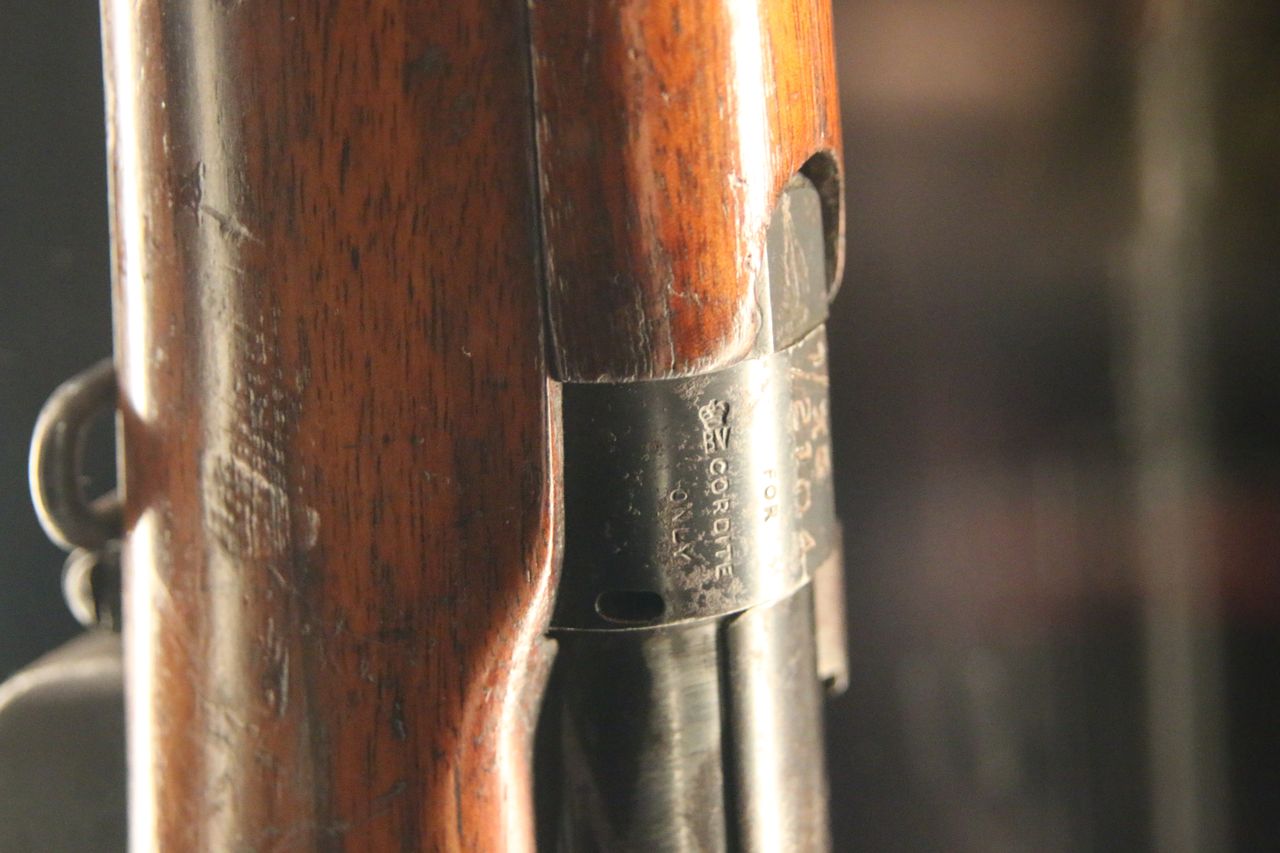
Part of that transition came down to sheer numbers. Canada fielded the .303-inch Short Magazine Lee-Enfield through the early part of the Second World War, and huge wartime production left a large pool of rifles and parts in circulation afterward, according to official Canadian military histories.
That surplus mattered. When a working trapper or woodsman needed a dependable rifle more than a polished sporting arm, the Lee-Enfield was often available at a price ordinary people could manage.
Outdoor Life has noted that surplus SMLE rifles were once sold for less than $10 and became staples among Canadian deer hunters. That kind of affordability helped turn an old service rifle into a practical frontier companion.
Reliability Mattered More Than Elegance
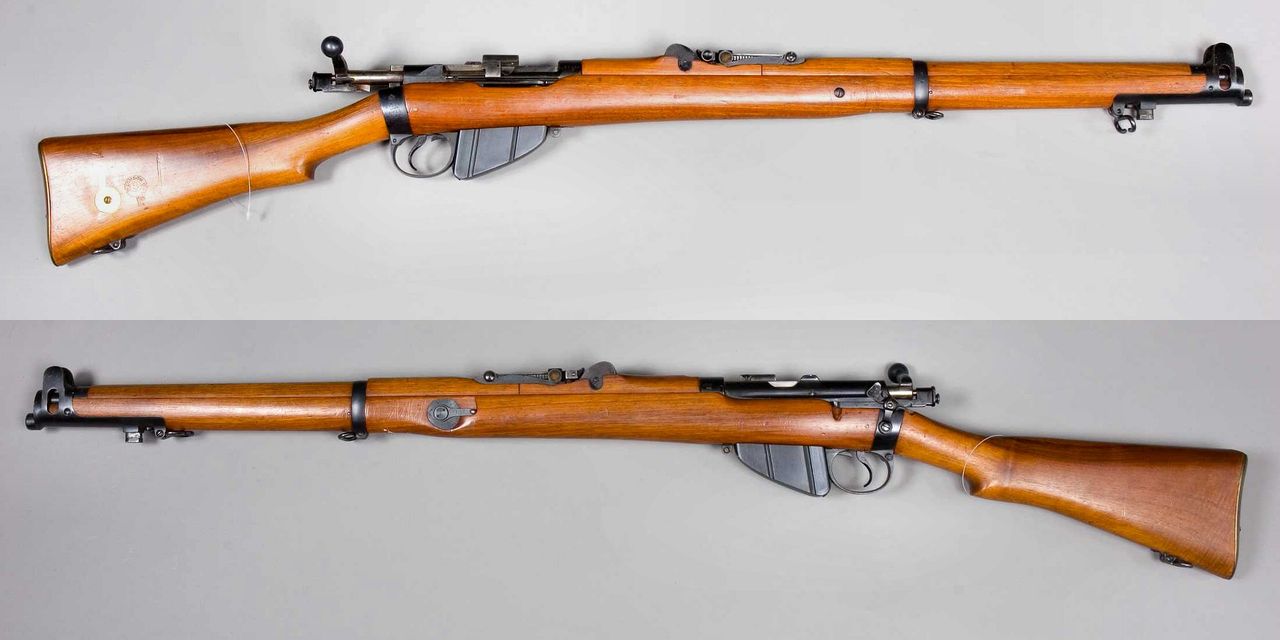
Backcountry people tend to forgive ugly rifles and cherish reliable ones. The Lee-Enfield built its reputation by functioning in bad weather, rough handling, and less-than-ideal maintenance conditions.
Canadian military records from the First World War repeatedly mention the Lee-Enfield’s ability to handle difficult ammunition and field conditions better than the Ross rifle. Tests and troop experience showed the Enfield was more tolerant of mud, oversized cartridges, and hard use.
Those qualities translated directly to trapline life. A rifle carried on a sled, lashed to a canoe, or leaned against a spruce in blowing snow had to go bang without drama.
Even well into the modern era, the Canadian Rangers kept Lee-Enfields in service because of their strong performance in austere northern climates, as the Department of National Defence said when announcing their replacement. That official praise says a lot about the platform’s hard-country credibility.
The .303 British Was Good Bush Medicine
A rifle is only as useful as the cartridge it fires, and the .303 British helped seal the Lee-Enfield’s reputation. It was not flashy, but it was powerful enough for the mixed demands of northern hunting.
In practical terms, that meant one rifle could cover deer, black bear, caribou, and even moose when used within sensible limits. Outdoor Life went so far as to say the .303 British has probably taken more Canadian deer, moose, caribou, and bears than any other caliber.
That claim fits the rifle’s history in the field. A woodsman did not necessarily want a specialized tool for every task; he wanted one rifle that could put meat in the shed and handle predators if needed.
The cartridge also benefited from broad availability over many decades. Surplus ammunition, commercial hunting loads, and a widespread base of rifles made the .303 a working round rather than an enthusiast’s novelty.
The Lee-Enfield Fit the Way Bush People Actually Lived
The Lee-Enfield was not just affordable and reliable. It was also fast to operate, held a useful magazine capacity, and pointed well in close country where snap shots often matter more than benchrest precision.
Its smooth bolt became a real advantage in timber, on riverbanks, and around trap sets. A hunter tracking through thick cover could cycle the rifle quickly without breaking position the way some stiffer bolt guns demanded.
Many rifles were later sporterized by local gunsmiths or owners themselves. Outdoor Life has pointed out how common it became after the World Wars to reshape surplus military rifles into personalized hunting arms, and the Lee-Enfield was one of the main beneficiaries of that trend.
Cut-down stocks, trimmed fore-ends, receiver sights, and sling modifications made these rifles even handier. What started as empire issue slowly became local equipment, tuned to real landscapes and real work.
Northern Use Turned Reputation Into Tradition
Once a rifle proves itself in remote country, stories spread fast and linger for generations. That is exactly what happened with the Lee-Enfield across Canada and other northern regions.
Young hunters often used what fathers, uncles, outfitters, or trappers already trusted. The result was not just popularity but inheritance: the rifle became part of camp culture, remembered as much for serviceability as for ballistics.
In many places, the Lee-Enfield came to represent self-reliance. It was the rifle behind the door at the cabin, on the toboggan in winter, or in the scabbard during long travel through lonely country.
That kind of reputation cannot be manufactured by advertising. It comes from thousands of small successes, from putting down game cleanly, surviving wet seasons, and still working when polished sporting rifles might better have stayed home.
Why the Lee-Enfield Still Holds a Place in Bush Lore
Today, the Lee-Enfield is no longer the default working rifle it once was. Newer designs are lighter, stronger, often more accurate, and easier to scope.
But that does not erase why trappers and woodsmen loved it. The formula was simple: surplus price, tough construction, fast handling, and a cartridge with enough authority for the game most people actually hunted.
That is why the rifle still shows up in old camp photos, family stories, and discussions of classic hunting arms. It earned respect the hard way, not through romance first, but through use.
In the end, the Lee-Enfield became a backcountry favorite because it answered the oldest question in the woods: when things get cold, wet, and far from town, will this rifle still do its job?