Small guns rarely become legends. The Colt Detective Special did, and it earned that status the hard way.
It started with a smart cut-down service revolver
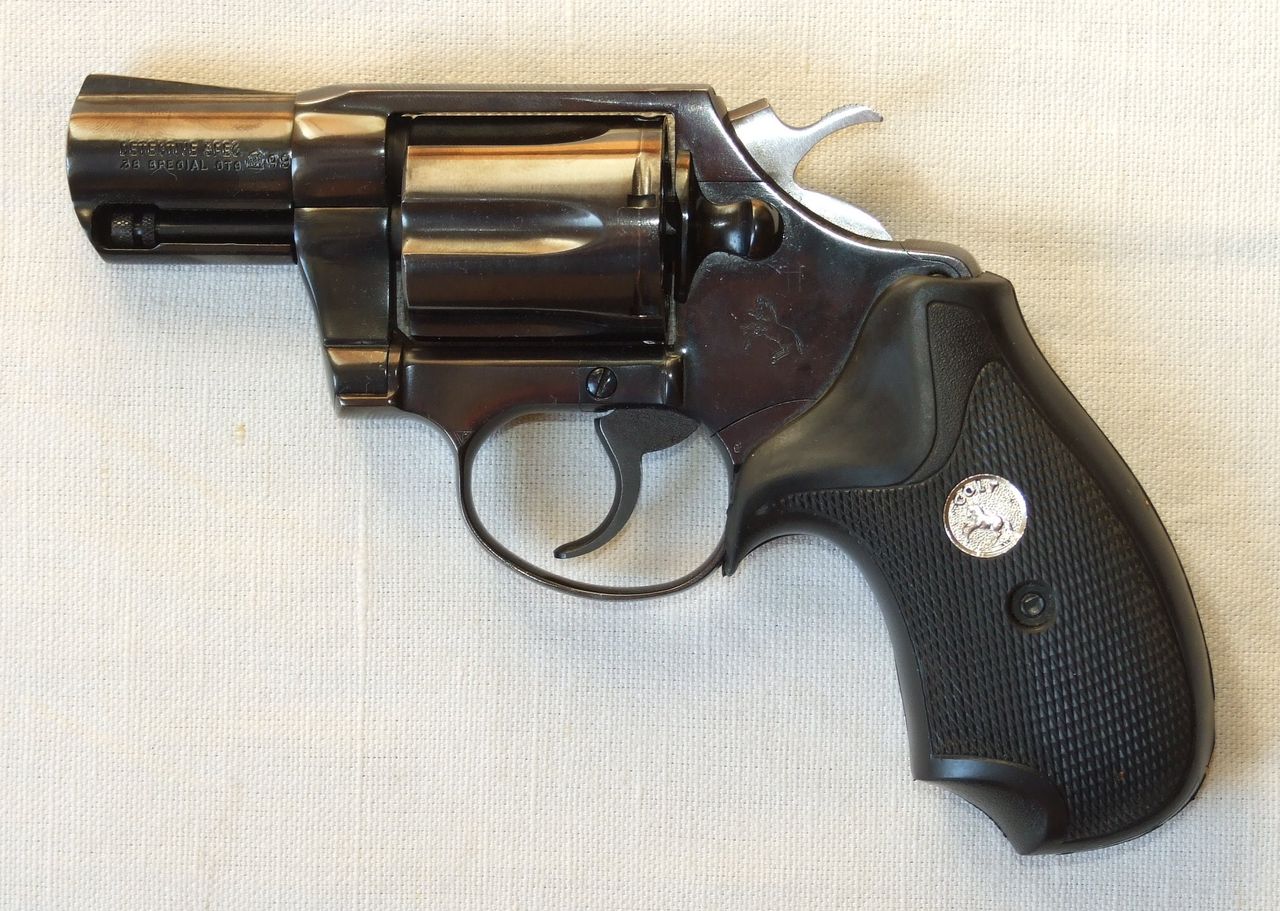
When Colt introduced the Detective Special in 1927, the idea was simple but revolutionary: give plainclothes officers a truly concealable revolver without reducing it to a weak novelty. According to American Rifleman, the gun grew out of the company’s Police Positive Special line and the influence of John Henry Fitzgerald’s shortened “Fitz Special” concept.
That origin matters because Colt was not inventing concealment from scratch. It was adapting a proven service-style double-action revolver into a 2″ format that still handled serious ammunition. In practical terms, that meant users got familiar controls, fixed sights, and a compact profile in one package.
What made the formula click was timing. By the late 1920s, .38 Special had already become an important law-enforcement cartridge, and Colt saw demand for a smaller gun that still chambered it. That gave the Detective Special credibility from day one rather than the “backup only” reputation many small handguns carried.
The six-shot cylinder gave it a real advantage
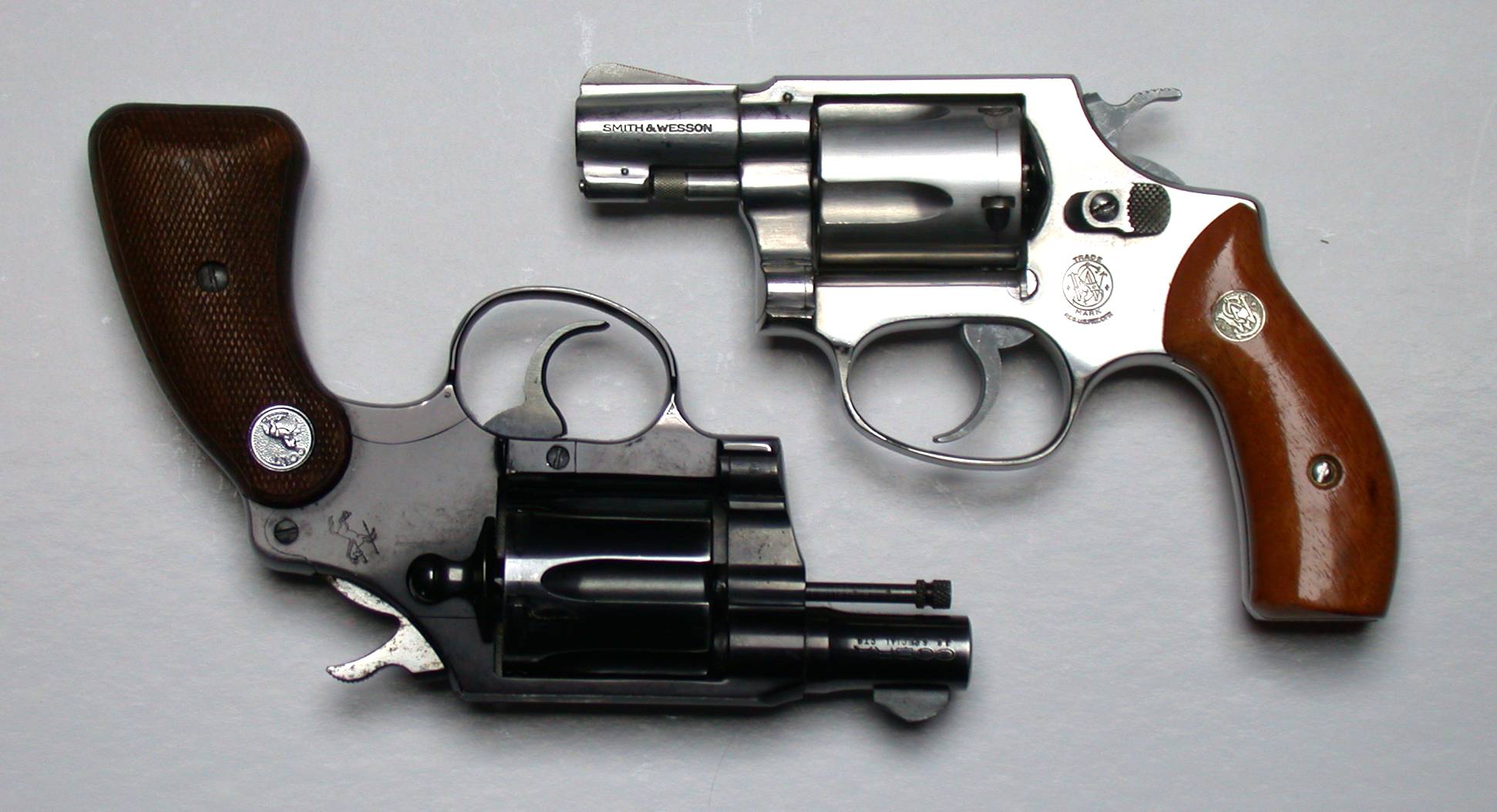
One reason the Detective Special stood apart was capacity. American Rifleman notes that the gun packed six rounds of .38 Special in a compact D-frame revolver, a meaningful edge in a class where later rivals, especially small-frame Smith & Wesson snubs, commonly offered five. That extra round became part of the Colt’s identity.
On paper, one cartridge may not sound dramatic. In a defensive handgun small enough to disappear under a coat or into a large pocket, it was a serious selling point. Buyers felt they were getting nearly service-gun readiness in a far smaller sidearm.
The Detective Special also kept an exposed hammer and true double-action/single-action operation. That gave users options: a long double-action pull for defensive carry and a lighter single-action break for careful range work. It felt less like a compromise and more like a shrunk-down duty revolver.
It fit the way detectives and civilians actually carried handguns
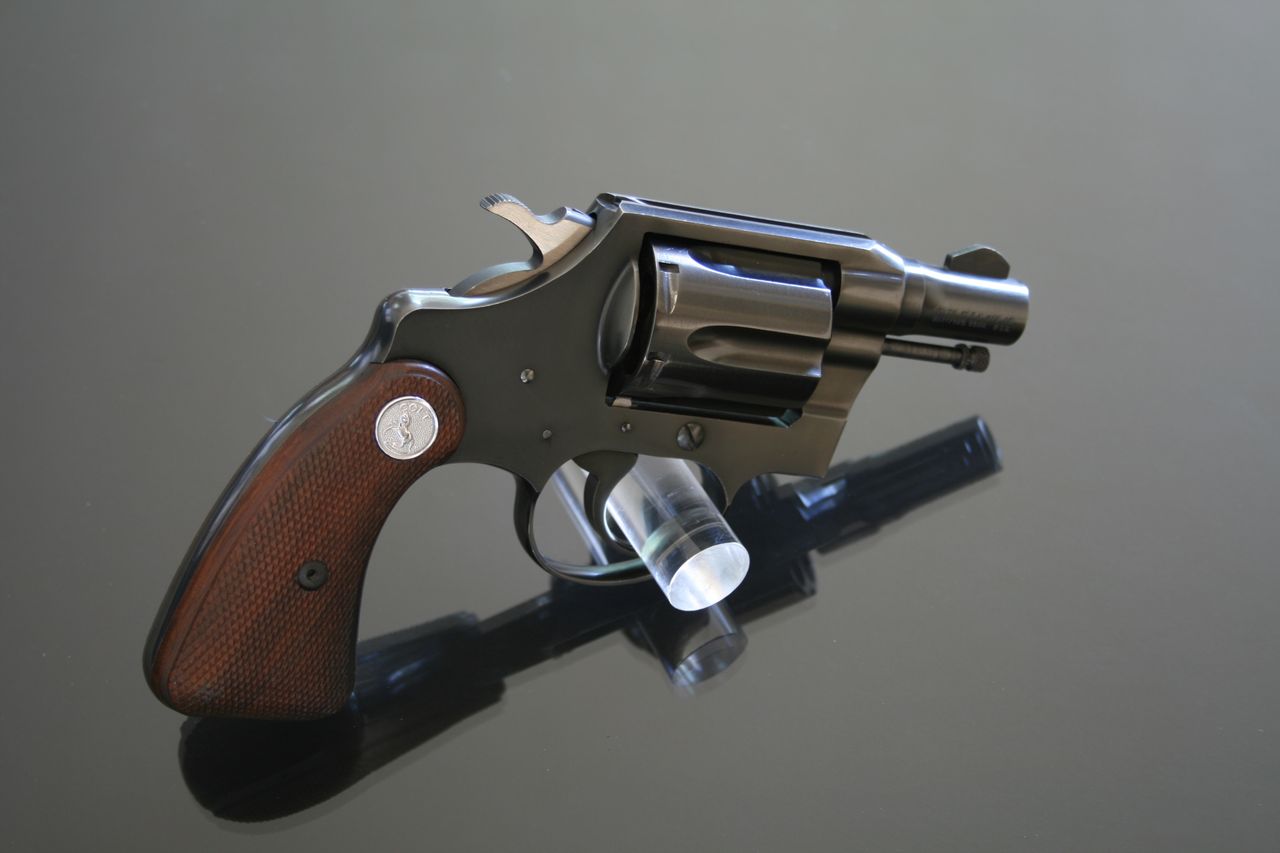
The name was not marketing fluff. The Detective Special was designed for plainclothes work, where a uniform holster rig was not always practical. Its short barrel, rounded contours, and manageable grip let it hide under jackets and suit coats in an era when concealment often meant genuine discretion, not tactical fashion.
That same logic translated naturally to civilian carry. People wanted a gun that could be carried often, drawn quickly, and trusted at close range. The Detective Special delivered enough weight to control recoil better than many ultra-light revolvers, while remaining compact enough to carry daily.
It also looked refined. Nickel and blued examples, checkered stocks, and Colt’s classic lines gave it a polished, almost gentlemanly appearance. That visual appeal helped broaden its audience beyond police users and into the hands of armed citizens who valued both utility and craftsmanship.
Generational updates kept the design alive for decades
The Detective Special was not a one-season success. American Rifleman records that it ran from 1927 to 1995 across four collector-recognized issues, with frame and grip changes over time. Early guns had different butt shapes, while later “short frame” versions from 1966 onward shared a revised grip profile with other Colt D-frame revolvers.
Those changes reflected market reality. Colt kept refining a gun that already worked, improving details without abandoning the underlying concept. Serrated topstraps, evolving stocks, and production updates helped the revolver stay relevant while preserving the familiar handling people expected.
Longevity is one of the strongest proofs of a handgun’s value. A design does not survive nearly seven decades unless it solves a real problem well. The Detective Special remained desirable because it balanced concealability, shootability, and respectable power better than many challengers.
Competition changed the market, but not the gun’s reputation
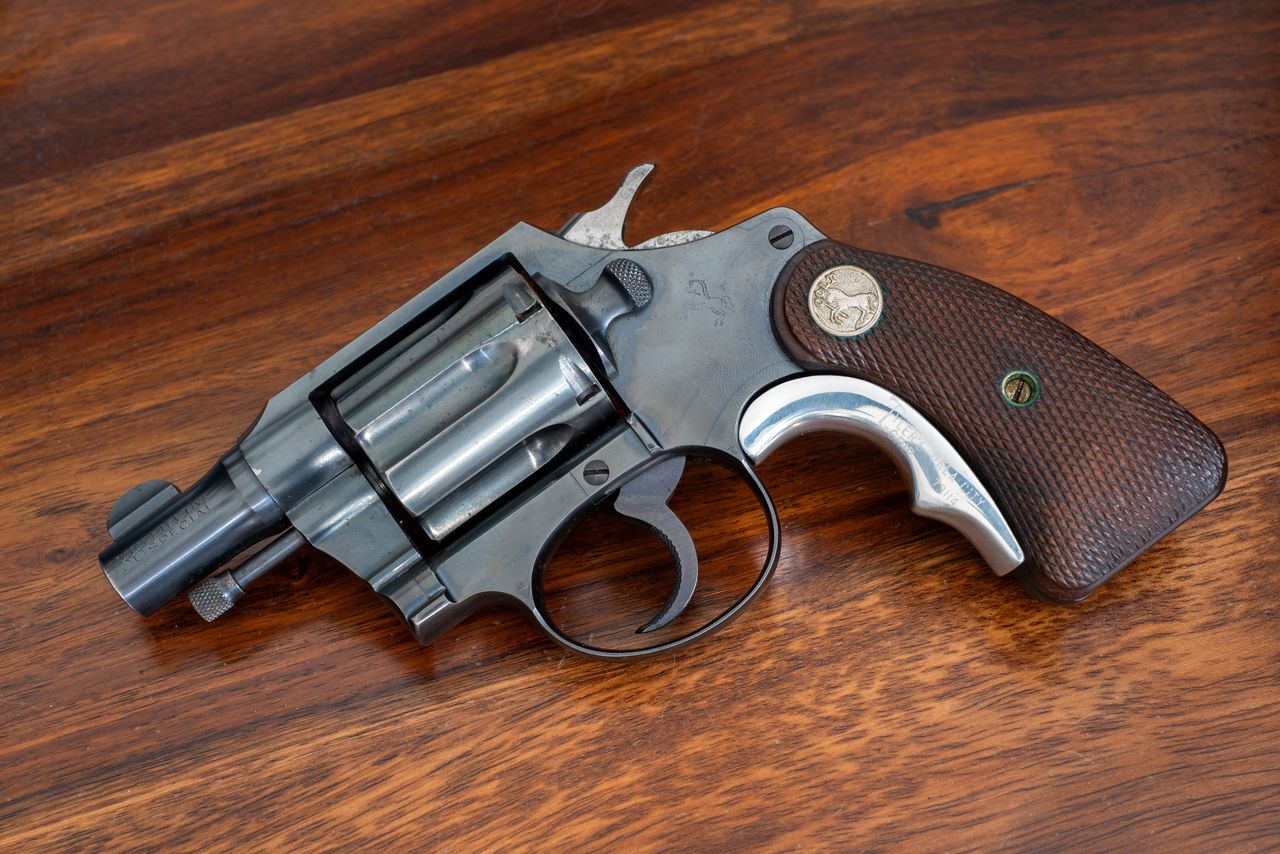
Eventually, the market moved. Lighter alloy revolvers, compact automatics, and changing police preferences put pressure on all-steel snub-noses. American Rifleman ties the Detective Special’s decline partly to the industry’s broader transition away from revolvers, while also noting that Colt’s corporate troubles in the early 1990s helped close the chapter.
Even so, the gun’s reputation stayed strong. Collectors, revolver enthusiasts, and concealed-carry traditionalists still point to the Detective Special as one of the most sensible snub-nose layouts ever made. It was not the smallest, lightest, or cheapest option, but it often felt like the most complete one.
That distinction matters historically. Plenty of handguns were carried a lot because there were few alternatives. The Detective Special remained admired because people liked carrying it, shooting it, and relying on it. That is a harder legacy to earn.
Why it still feels like the blueprint for the snub-nose revolver
The Detective Special became a pocket carry classic because it established the core template others followed: short barrel, legitimate defensive chambering, compact frame, and no unnecessary gimmicks. American Rifleman has described it as the first 2″ snub-nose double-action revolver, and that claim explains why its shadow stretches so far across later carry guns.
Modern shooters may debate whether a small revolver or micro-compact pistol is the better answer today. But the Detective Special’s success showed manufacturers that concealed-carry buyers wanted serious fighting handguns in smaller packages, not weakened miniatures built around convenience alone.
That is the heart of its story. The Colt Detective Special was compact without being flimsy, powerful without being oversized, and elegant without sacrificing purpose. In a field crowded with compromises, it became a classic by feeling complete.