
Ammunition can look perfectly fine on the outside and still be headed in the wrong direction. Small storage mistakes often build slowly, with moisture, heat, oils, and rough handling doing damage that is easy to miss until the day dependable performance really matters. This gallery breaks down the habits that quietly shorten shelf life and explains how a few smarter choices can help keep rounds in better condition.
Storing ammunition in damp spaces

Basements, garages, sheds, and boat lockers are common places people stash extra ammunition, but they are also where humidity tends to linger. Moisture can work its way into cardboard boxes, corrode brass cases, and slowly compromise primers and powder, even when rounds do not look obviously ruined at first glance.
The trouble is that damp storage often does its damage quietly. You may notice a musty box, greenish spotting, or tarnish only after months or years have passed. Keeping ammunition in a dry, climate-stable indoor space with sealed containers gives it a much better chance of remaining reliable when it is finally called into service.
Letting temperatures swing wildly
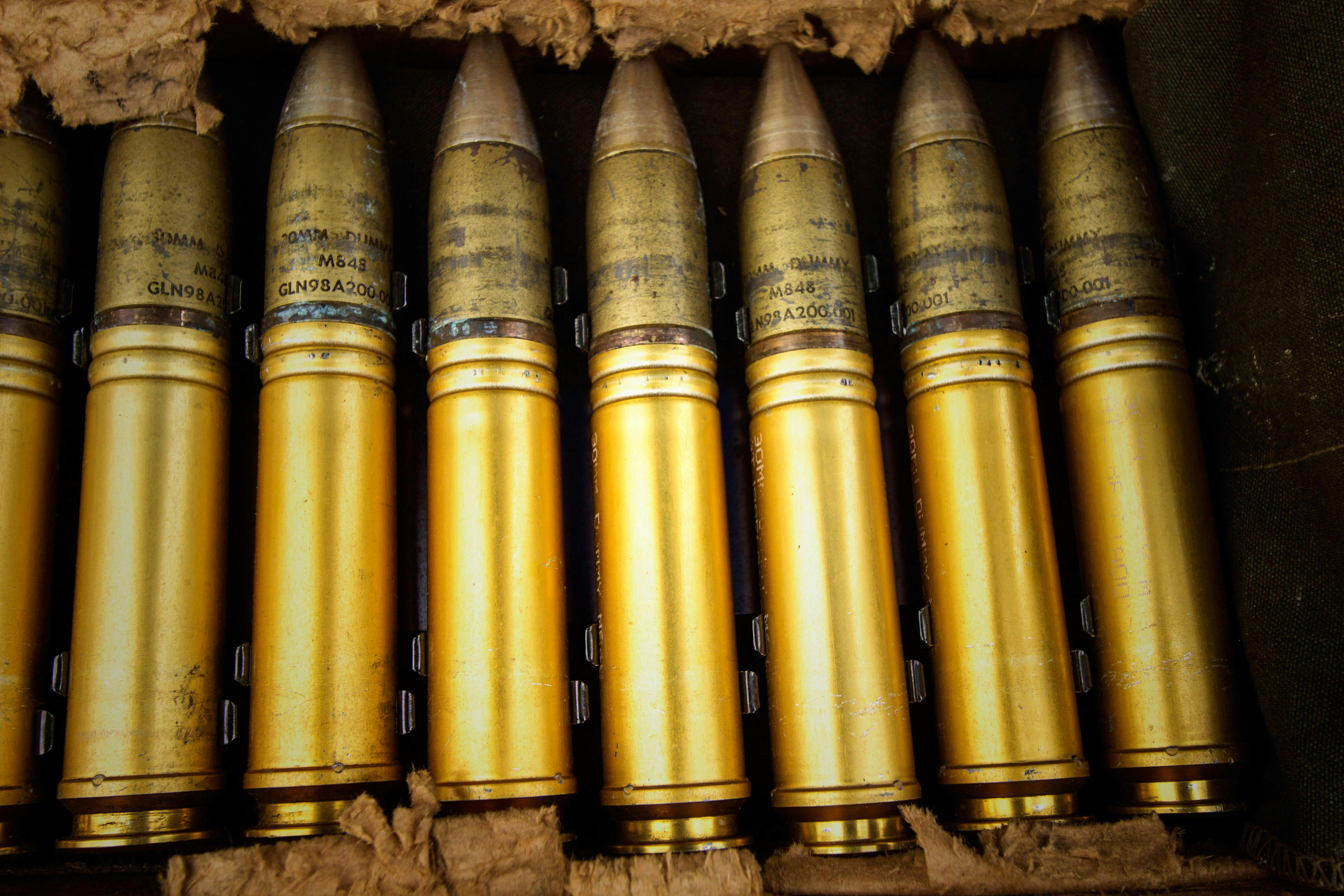
Ammunition does not need luxury conditions, but it does benefit from consistency. Repeated cycles of summer heat, winter cold, and daily temperature swings can stress packaging, encourage condensation, and accelerate chemical breakdown over time, especially when rounds are stored in attics, vehicles, or detached garages.
This is one of those mistakes that seems harmless because nothing dramatic happens right away. Months of hot afternoons and cold nights can slowly add up, particularly for ammunition people are planning to keep for years. A cool, steady indoor environment is usually a safer bet than any space that bakes, freezes, and then warms again on a regular schedule.
Leaving rounds in original cardboard boxes forever

Factory boxes are convenient, stackable, and clearly labeled, which makes them great for short-term organization. The problem is that cardboard and thin paper inserts are not much of a barrier against moisture in the long run, and they can trap humidity once conditions turn damp.
Over time, boxes soften, ink fades, and critical details become harder to read. If a leak, flood, or humid spell hits, the packaging may degrade faster than the ammunition itself. Transferring longer-term stock into sturdy, sealed containers while preserving the labels or lot information helps protect both the cartridges and the record of what you actually own.
Handling cartridges with oily or dirty hands

It is easy to think of ammunition as rugged, but cartridges are still finished metal parts with sensitive components. Repeated handling with oily fingers, dirty hands, or solvent residue can leave contaminants on cases and around primers, creating the kind of slow degradation that is not always visible right away.
For most people, this mistake happens casually at the bench, after cleaning firearms, or while reorganizing gear. Finger oils alone may not ruin a round overnight, but over time they can encourage tarnish and corrosion, especially in humid conditions. Clean, dry hands and minimal unnecessary handling are simple habits that can preserve ammunition surprisingly well.
Mixing loose ammunition from different lots and ages
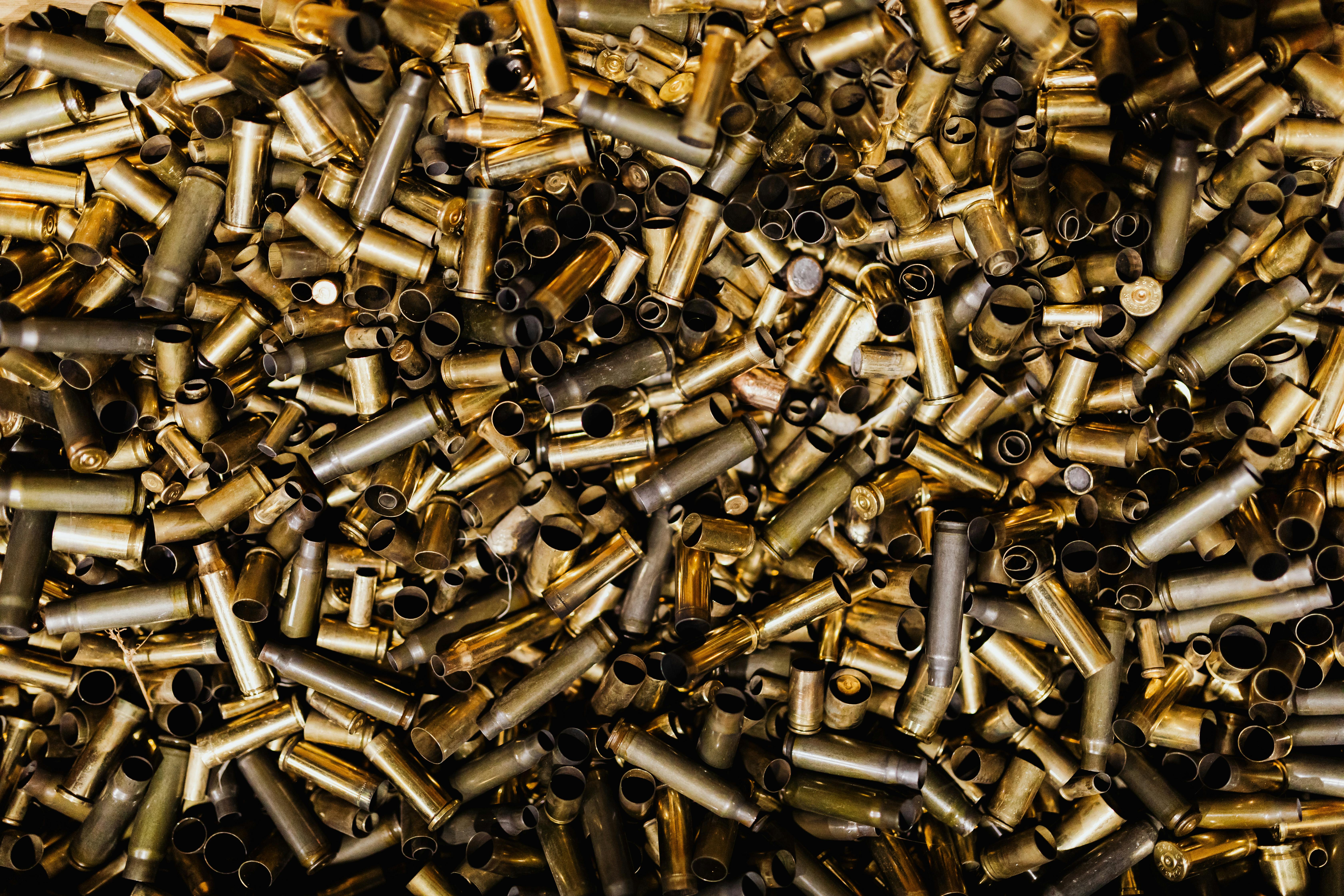
A coffee can or plastic tub full of mixed loose rounds may seem efficient, but it creates confusion that can work against reliability. Different lot numbers, manufacturing dates, and even slightly different load characteristics can wind up blended together, making it harder to track what has been stored longest and what condition it is in.
There is also a practical issue once corrosion or damage appears. When everything is mixed, you lose the context that helps identify a broader problem tied to one batch or one storage period. Keeping ammunition sorted, labeled, and dated makes rotation easier and helps owners spot patterns before questionable rounds end up in serious use.
Using containers that are not truly sealed

Not every box with a lid is protecting ammunition the way people assume. Cheap plastic totes, old toolboxes, and worn surplus cans with cracked gaskets may keep dust out while still allowing humid air to move in and out freely, especially during weather changes.
That matters because storage failures usually happen gradually, not as a dramatic soaking event. Air exchange, condensation, and seasonal moisture can all chip away at long-term reliability. Containers designed to close tightly, paired with intact seals and a dry storage area, offer far better protection than improvised bins that only look secure from across the room.
Ignoring desiccants and moisture control

Even well-sealed containers can trap a little moisture inside, which is why desiccants matter more than many owners realize. A small packet of silica gel or another moisture absorber can help stabilize the interior environment, particularly for ammunition meant to sit untouched for long stretches.
The catch is that desiccants are not magic forever. They can become saturated and ineffective, especially in humid climates or containers opened often. Treating moisture control as part of regular maintenance, rather than a one-time fix, makes a real difference. Dry packs, humidity indicators, and occasional checks can help keep hidden corrosion from slowly getting the upper hand.
Keeping ammunition near solvents, chemicals, or fuel

Storage shelves often become catchall spaces, which means ammunition can wind up next to gun solvents, paint thinner, gasoline cans, pesticides, or cleaning chemicals. That is a bad mix, not because cartridges are instantly fragile, but because fumes, spills, and residue can affect packaging and potentially contaminate ammunition over time.
This kind of risk is easy to underestimate because the rounds may still look clean and polished. But long-term exposure to harsh chemicals and vapors is unnecessary wear on something people may later trust for defense, hunting, or emergency use. Separate storage zones reduce the chance that one leaking bottle creates a much bigger problem.
Leaving defensive magazines loaded and forgotten in poor conditions

A loaded magazine tucked into a car console, range bag, or humid safe corner can be out of sight for a very long time. While quality magazines and ammunition can handle normal use, neglect combined with bad storage conditions can invite corrosion, debris buildup, and temperature-related stress that quietly affects performance.
The issue is not simply that rounds are loaded. It is that many forgotten carry or defensive magazines live in exactly the kind of places where heat, lint, moisture, and grime collect. Periodic inspection, rotation, and proper storage of both the magazine and the ammunition help prevent unpleasant surprises when reliability is the whole point.