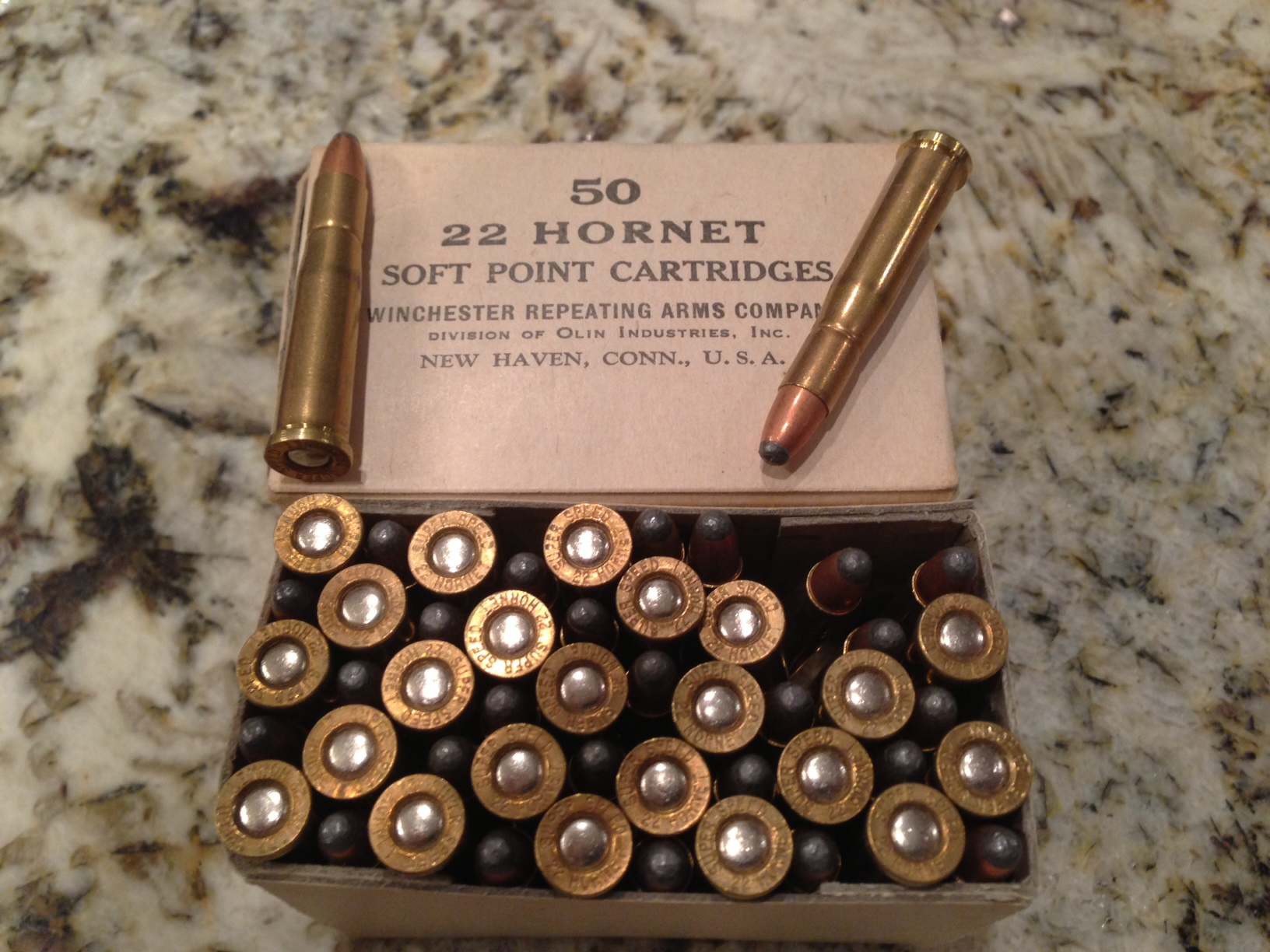
It is a tiny cartridge with an outsized backstory. The .22 Hornet has been around long enough to connect black powder, early smokeless experimentation, and the modern small-caliber hunting world.
A cartridge with 19th-century roots
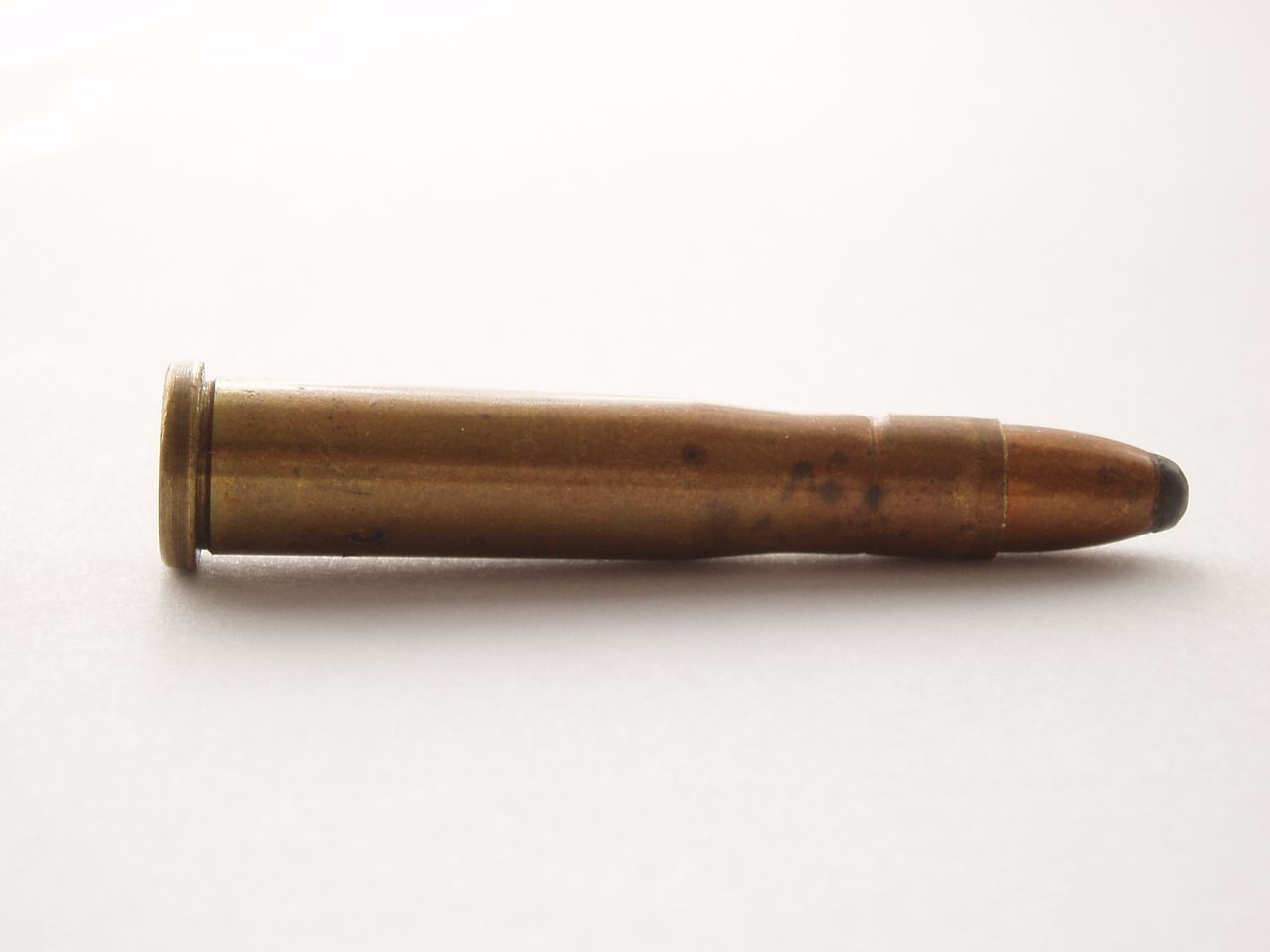
The .22 Hornet did not begin as the .22 Hornet at all. Its family line traces to Winchester’s .22 Winchester Center Fire, introduced in 1885 for the Model 1885 single-shot rifle. That original round pushed a 45-grain lead bullet with 13 grains of black powder at roughly 1,550 f.p.s., which already made it useful for small game and pests.
That old .22 W.C.F. had a bottleneck case and centerfire ignition, features that gave experimenters something worth improving later. In an era when black-powder fouling was still part of everyday shooting, its gentle shoulder and modest shape also helped extraction.
What mattered most is that the case itself had potential. Long before the .223 Remington or .22-250 became household names, this little 1880s design was already laying down the architecture for a faster, cleaner small-caliber round.
The Springfield experiment that changed everything
The leap from .22 W.C.F. to .22 Hornet happened in the late 1920s, when experimenters tied to Springfield Armory, especially Grosvenor Wotkyns, A.L. Woodworth, G.A. Woody, and later Townsend Whelen, began loading the old case with smokeless powder and jacketed bullets. That was the turning point.
According to American Rifleman, Wotkyns wrote about the cartridge in 1930, and Whelen followed with his own report in early 1931. Those articles helped move the concept from workshop curiosity to something the broader shooting public could understand and want.
Velocity jumped dramatically. Early Hornet loads with 45-grain bullets were commonly rated around 2,400 f.p.s., which was a major step up from the black-powder parent round. For shooters of the period, that meant flatter trajectory, less fouling, and a much more modern field cartridge.
From wildcat idea to factory success
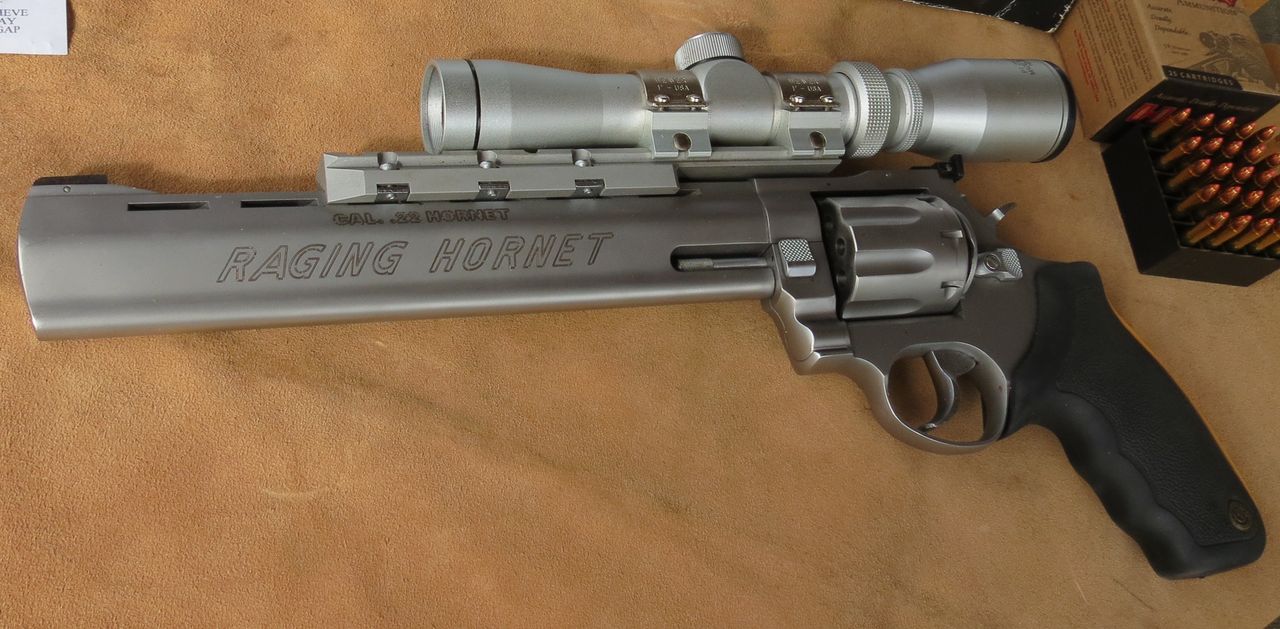
The .22 Hornet is one of the rare examples of a wildcat-style development that became mainstream surprisingly fast. Winchester began loading the cartridge in January 1931, and American Rifleman notes that the first factory rifle chambered for it was the Savage Model 23D in 1932, followed by the Winchester Model 54 in 1933.
That timing matters because ammunition appeared before factory rifles fully caught up. In the very early years, custom makers such as Griffin & Howe were building rifles for shooters who immediately saw the cartridge’s potential for woodchucks, foxes, and farm pests.
Winchester reportedly considered the .22 Hornet one of the most accurate cartridges it had tested at the time. That kind of reputation helped it spread quickly in an age when practical field accuracy mattered more than marketing slogans.
Why shooters kept coming back to it
The Hornet survived because it filled a sweet spot few cartridges matched. It recoiled lightly, burned relatively small powder charges, and made less noise than larger centerfires. On farms and in settled rural country, that combination was valuable then and still makes sense now.
It also worked well at realistic distances. Vintage advertising often stretched its capability to 200 yards, but experienced writers have long argued that the cartridge truly shines inside roughly 125 to 175 yards, depending on load, bullet, and shooter.
That practical usefulness gave it a broad audience. Beyond American varmint hunters, the cartridge also found favor in Europe, Australia, and New Zealand, where it earned a reputation as an efficient small-game and training round rather than a glamorous speed king.
The quirks that made it memorable
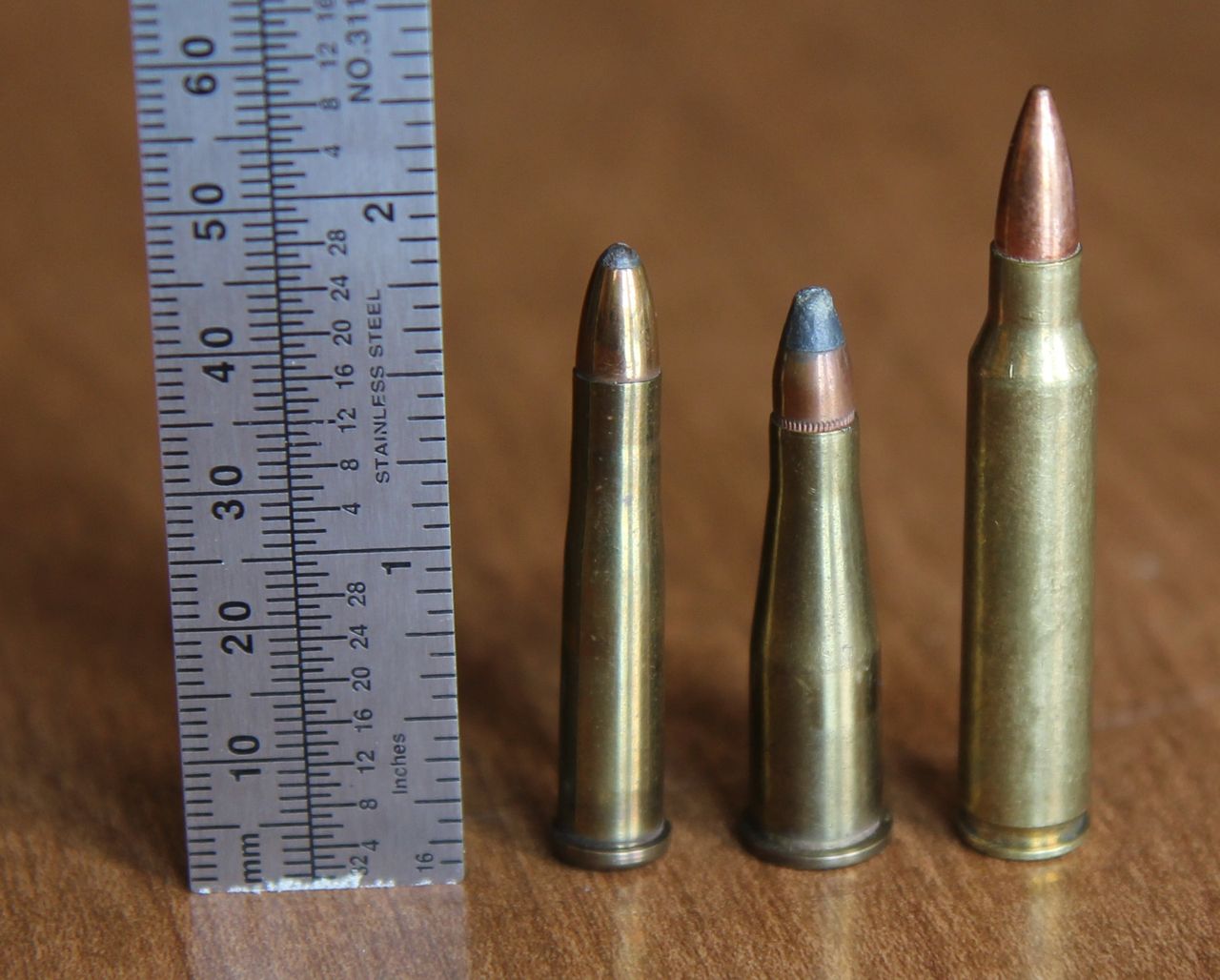
Part of the Hornet’s long life comes from its quirks. Early barrels often used .223-inch groove dimensions, while later rifles and modern bullets largely settled around .224-inch diameters. That small detail became a big one for reloaders trying to wring the best accuracy from older rifles.
The cartridge also inspired one of the classic improved rounds, the .22 K-Hornet, developed by Lysle Kilbourn in 1940. By reducing body taper and using a sharper shoulder, the K-Hornet increased case capacity and typically gained around 200 f.p.s. over standard loads.
Even formal standards reflect the cartridge’s old-school character. Current SAAMI drawings still show the 22 Hornet with a 1:16-inch right-hand twist as optional, a reminder that this is a cartridge from another design era that never entirely lost its original proportions.
A modest cartridge with a lasting legacy
The .22 Hornet may look overshadowed today by faster .22 centerfires, but its place in shooting history is secure. It bridged two worlds: the black-powder sporting cartridge age of the 1880s and the smokeless, high-velocity varmint era that defined much of the 20th century.
It also helped prove that small centerfires could be practical, accurate, and commercially viable. In that sense, the Hornet was not just a niche round. It was an early signpost pointing toward the American appetite for flat-shooting .22-caliber rifles.
That is why the cartridge still gets talked about with unusual affection. The .22 Hornet never needed to be the fastest thing in the field. It only needed to be useful, efficient, and just modern enough to outlive generations of louder competition.