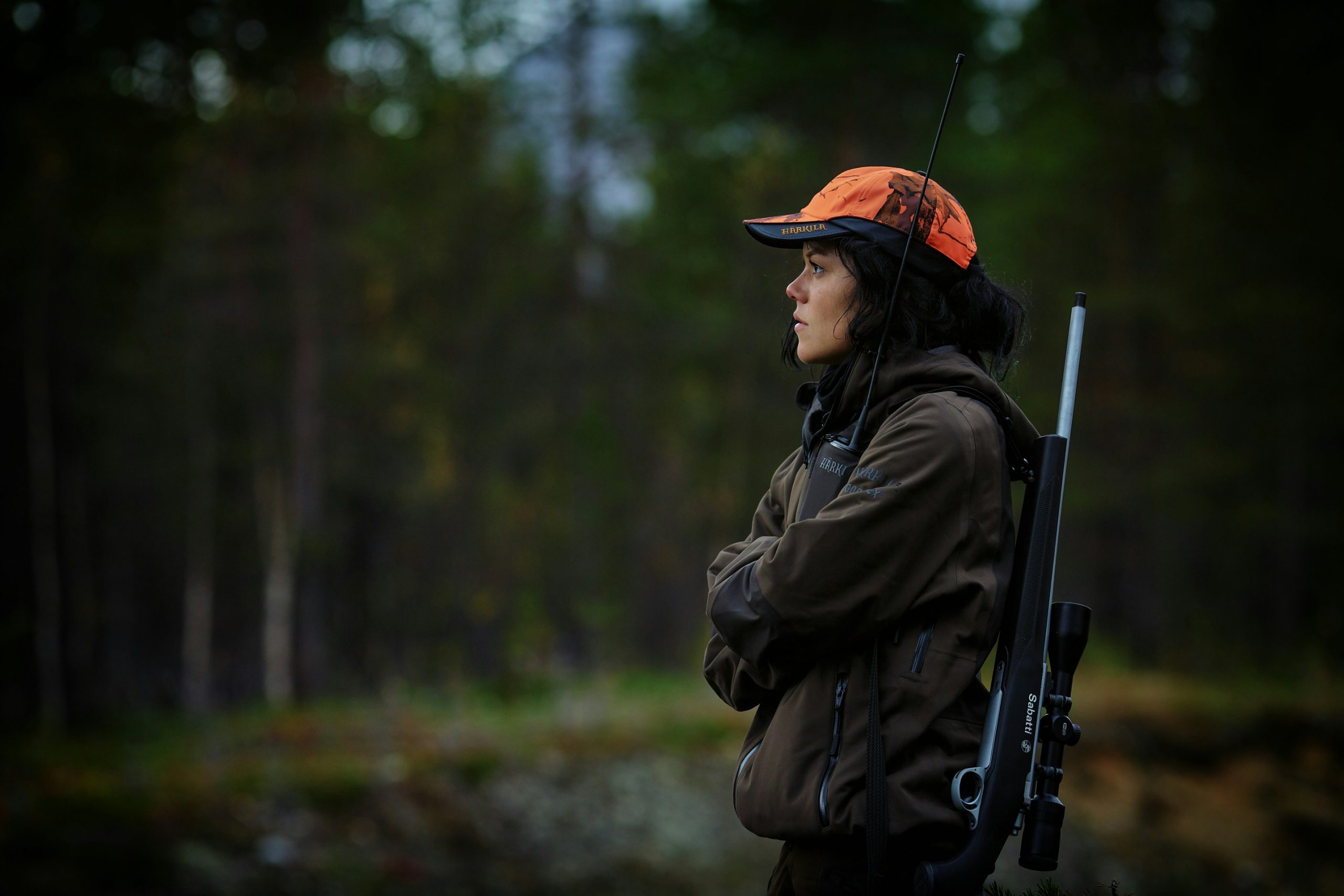
Hunting in America still carries old images, but the reality on the ground is shifting fast. Younger outdoor enthusiasts are bringing new expectations, new backgrounds, and a different cultural vocabulary into the field.
A new generation is entering hunting for different reasons
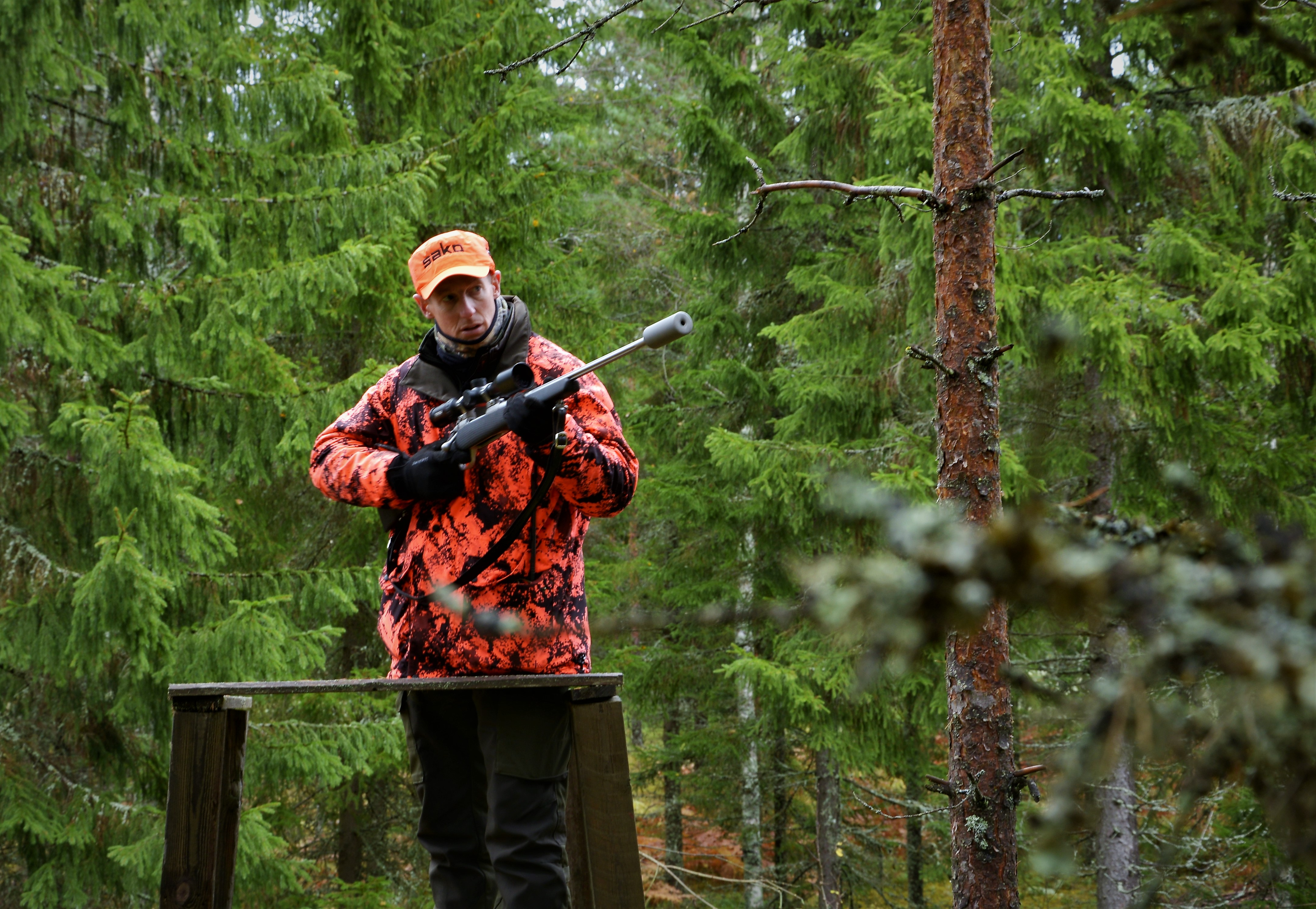
For a long time, the standard story of hunting was simple: you grew up in a hunting family, learned young, and carried the tradition forward. That story still exists, but it no longer explains the whole picture. State agencies, conservation groups, and industry researchers now describe a hunting population that is being reshaped by recruitment efforts aimed at adults, women, and people without deep family hunting roots.
The U.S. Fish and Wildlife Service reported that 14.4 million Americans age 16 and older hunted in 2022. At the same time, recent research tied to the R3 movement—recruitment, retention, and reactivation—shows the hunting world is paying close attention to who enters the sport, who stays, and why they drop out. That focus alone marks a cultural change, because hunting is increasingly treated as something people can be invited into, not just born into.
Among younger adults, motivations are broader than tradition. Food sourcing, self-reliance, conservation, time outdoors, and the appeal of a skill-based challenge all matter. For many younger newcomers, hunting is less about identity inherited from family and more about choosing a demanding outdoor practice that feels real in an increasingly digital world.
Access matters more than heritage

One of the biggest differences between younger hunters and older generations is access. Many younger adults do not have a grandfather’s farm, a family deer lease, or a network of private-land permissions. That changes everything, from the species they pursue to the gear they buy and how often they hunt.
Research from onX has highlighted how important public land has become for newer hunters. Its community-focused reporting has shown that many hunters, especially younger ones, rely heavily on public land and often lack inherited access to private ground. At the same time, access pressures are real. Industry-backed studies have found that land availability and loss of formerly open places remain major barriers to participation.
That reality is pushing hunting culture in a more democratic but also more competitive direction. Younger hunters are learning maps, regulations, walk-in areas, and permission etiquette with unusual intensity. Public land has become not just a place to hunt, but a core part of the identity: a badge of effort, adaptability, and independence in a generation that often has to build its hunting life from scratch.
Technology is changing how the culture works
If older hunting culture was passed down at the tailgate or in a duck blind, younger hunting culture is also being shaped on phones. Mapping apps, digital regulation tools, weather alerts, online license systems, and video-based education have changed how people prepare for the season and make decisions in the field.
That shift is especially important for people without mentors at home. A newcomer can now learn species habits, scouting basics, safety practices, shot placement, field dressing, and public-land navigation from a blend of official hunter education and digital communities. The technology does not replace experience, but it lowers the barrier to entry in ways that would have been hard to imagine a generation ago.
The cultural effect is bigger than convenience. Younger hunters tend to see information-sharing as normal, even if they are careful not to reveal exact spots. They document trips, compare gear, and swap tactics in public ways. That creates a more open, networked style of hunting culture—less local and tightly guarded, more national, visual, and constantly evolving.
Hunting is becoming more diverse, and that changes the tone
The stereotype of the American hunter has lagged behind reality. Federal and industry data now point to a hunting public that is broader than it used to be, especially when measured by who is entering related shooting sports and outdoor activities. The National Shooting Sports Foundation said its 2024 participation survey showed the highest levels yet of participation from women and younger adults ages 18–34 across shooting sports, a trend that matters because target shooting and archery often feed future hunting participation.
The Fish and Wildlife Service’s 2024 demographic addendum found notable change among underrepresented groups and reported that the estimated participation rate for women hunters in 2022 was 2%, roughly double earlier survey-era estimates, while cautioning that survey redesign complicates direct comparison. Even with that caveat, the direction is unmistakable: the pipeline is wider.
A more diverse hunting population changes style as much as statistics. Brands, agencies, and conservation groups increasingly speak in a more welcoming tone, feature different kinds of hunters, and offer beginner-friendly instruction instead of assuming insider knowledge. Younger hunters often expect that inclusiveness. They are less tolerant of gatekeeping and more likely to see hunting culture as something that should expand rather than defend a narrow image of itself.
Mentorship is being rebuilt in organized ways

Traditional one-on-one family mentorship is still powerful, but it is no longer enough to sustain participation on its own. Wildlife agencies have responded by formalizing pathways for people who want to try hunting later in life. New York’s Department of Environmental Conservation launched a novice-hunter resource and continues to promote mentored hunt opportunities, while states such as Minnesota openly advertise adult learn-to-hunt programs and apprentice pathways.
These programs matter because the hardest part for many younger adults is not buying gear or passing hunter education. It is crossing the invisible social threshold. They need help with where to go, what legal requirements matter most, how to process an animal, and how to avoid rookie mistakes that can turn enthusiasm into frustration.
The retention challenge is real. The Fish and Wildlife Service’s addendum on recruitment and retention found that overall hunter retention in the 2022 survey data was 35%, with lower retention among urban residents than rural residents. That suggests the future of hunting depends not just on attracting curiosity, but on building support systems that help newcomers become confident, competent repeat participants.
Ethics, conservation, and food are more central than ever
Younger hunters often talk about ethics more explicitly than previous generations did in public. Fair chase, clean kills, respect for animals, habitat stewardship, and eating what they harvest are not side topics. They are central to how many younger outdoors people justify and explain hunting to friends, family, and followers who may not come from a hunting background.
This is partly cultural translation. In a society where fewer people have direct contact with food production, younger hunters often frame hunting as an honest relationship with meat. They compare a venison roast or wild turkey breast not just with store prices, but with questions about sourcing, animal welfare, and personal responsibility. Hunting becomes a way to participate in the food chain with eyes open.
Conservation remains a critical part of that message. Groups involved in R3 and access campaigns regularly emphasize that license dollars, excise taxes, and participation help fund habitat, access, and wildlife management. Younger hunters are often highly responsive to that argument, especially when it connects hunting to public land protection, restoration, and the broader outdoor world they already care about.
The future culture will be more flexible, social, and public-facing

The hunting culture younger Americans are building is less uniform than the one many people remember. It includes backcountry bowhunters, suburban adults learning on mentored deer hunts, women-led shooting clubs, conservation-minded public-land turkey hunters, and first-generation outdoors people who discovered the sport through food ethics or digital media rather than family heritage.
That variety can create tension. Some longtime hunters worry about overcrowded public land, social-media oversharing, or the loss of local traditions. Those concerns are real. But the broader trend is not decline in meaning; it is a shift in how meaning is created. Hunting is becoming more modular, more self-directed, and more publicly explained to outsiders.
In the years ahead, the healthiest parts of hunting culture will likely be the ones that adapt without losing standards. Younger enthusiasts are asking for access, mentorship, practical education, and ethical clarity. If hunting institutions meet those demands, American hunting will not just survive generational change. It will look more open, more resilient, and more connected to the wider outdoor culture than it has in decades.