A lot of firearms get judged too early. Then the market shifts, shooters gain more experience, and suddenly the gun everyone laughed at starts looking surprisingly smart.
The funny life cycle of an underestimated firearm
Most dismissed firearms are not truly bad. They are usually badly timed, poorly marketed, or introduced to an audience that wanted something else. A pistol may arrive before optics are common, a carbine may appear when old-school shooters still distrust polymer, or a compact carry gun may seem unnecessary until concealed carry laws and holster options improve. In other words, context often matters as much as engineering.
That pattern has repeated for decades. Plenty of designs first earned nicknames, jokes, and gun-counter sarcasm before later becoming practical favorites. Once a firearm survives enough rounds, enough classes, and enough hard users, the conversation changes from “Why would anyone want that?” to “Actually, this thing makes sense.” Shooters as a group can be skeptical, but they are also deeply influenced by demonstrated performance.
Another factor is how quickly gun culture can lock into a default opinion. Early reviews, a few unreliable samples, or one awkward feature can stain a platform for years. Then newer production methods, better magazines, upgraded triggers, or improved ammunition quietly solve the original complaint. By the time people notice, the once-dismissed firearm is no longer the same product they thought they understood.
The Glock 19 and the rise of the do-everything handgun

It sounds strange now, but there was a time when many shooters saw the Glock 19 as a compromise nobody needed. Full-size handguns were considered better for duty, compact pistols were thought too large for deep concealment, and polymer striker-fired guns still faced resistance from shooters raised on steel frames and external hammers. To traditionalists, it looked plain, blocky, and almost offensively utilitarian.
Then reality took over. The Glock 19 hit a sweet spot that became obvious only after years of carry use, law enforcement adoption, and high-round-count training classes. It was large enough to shoot well, small enough to conceal for many body types, and simple enough to maintain with minimal drama. Magazine compatibility with larger Glock models gave it even more flexibility, which mattered for agencies and private owners alike.
Its real rise came when the culture around handguns changed. Red dots, weapon lights, appendix carry, and practical defensive training all favored a reliable compact pistol over an oversized range gun or a tiny pocket gun that was miserable to shoot. The Glock 19 did not become famous because it was glamorous. It became important because it consistently solved real problems, and shooters eventually noticed.
The AR-9 pistol caliber carbine that stopped being a punchline
For years, 9mm pistol-caliber carbines were treated like range toys. Many rifle shooters saw them as underpowered substitutes for 5.56 platforms, while many handgun shooters viewed them as awkward hybrids that added bulk without enough gain. Early AR-9 builds did not help the reputation either. Reliability could be inconsistent, recoil systems varied widely, and magazine compatibility was often messy.
What changed was not one miracle product but a whole ecosystem maturing at once. Better bolt designs, improved feed geometry, more refined buffers, and a flood of magazine options made the category much less temperamental. Suppressor use also played a major role. Shooters who wanted low blast, low recoil, and inexpensive practice started seeing the practical advantages immediately, especially on indoor ranges and steel stages.
Competition and home-defense discussions pushed the AR-9 even further into the mainstream. USPSA and other practical shooting sports showed how quickly people could run these guns with minimal recoil and fast transitions. Meanwhile, new shooters often found a 9mm carbine easier to control than a handgun. It still does not replace a 5.56 rifle in every role, but the idea that it is automatically pointless has largely faded because actual users proved otherwise.
The snub-nose revolver shooters learned to respect again.

Few guns have experienced sharper swings in reputation than the snub-nose revolver. It went from being a default defensive handgun to being mocked as outdated, low-capacity, and hard to reload. In the age of micro-compact 9mm pistols, many younger shooters assumed the small revolver survived only because of nostalgia. On paper, that criticism seemed reasonable.
Then experienced instructors started reminding people that the snub was never easy, but it was often dependable in very specific conditions. A good double-action revolver can sit loaded for years, fire from inside a coat pocket in contact-distance scenarios, and remain less sensitive to limp-wristing or magazine-related failures. For certain users, especially those with limited hand strength for slide manipulation, that mattered more than internet arguments about capacity.
Renewed interest also came from serious practice, not romantic storytelling. Modern revolver classes, improved grips, better defensive loads, and optics-ready big revolvers rekindled broader appreciation for wheel-gun mechanics and trigger discipline. Nobody sensible argues that a 5-shot snub is the universal answer. But shooters started paying attention again when they realized the revolver’s strengths were real, narrow, and still relevant.
The humble Ruger 10/22 and why “just a rimfire” was never the full story

The Ruger 10/22 is so familiar now that it is easy to forget how often .22 LR rifles have been dismissed as beginner gear. In many circles, “rimfire” became shorthand for training wheels, plinking only, or something to hand a kid before the real shooting started. That attitude ignored what a reliable semiautomatic .22 could actually do for skill building, cost control, and small-game practicality.
The 10/22 changed minds partly because it kept showing up everywhere. It was simple, durable, easy to maintain, and endlessly customizable long before modularity became a buzzword. Stocks, barrels, triggers, optics rails, and magazines turned the platform into a blank canvas. A shooter could build a field rifle, an Appleseed trainer, a suppressor host, or a precision rimfire setup without starting from scratch each time.
Its bigger victory, though, came through economics and repetition. When centerfire ammunition prices climbed, rimfire training became more attractive, and disciplined shooters discovered how much positional work, sight management, and trigger control they could practice cheaply. Rimfire competition also matured, proving that small cartridges still demand serious marksmanship. The 10/22 was not underestimated because it lacked value. It was underestimated because many people confused affordable with unimportant.
The old lever gun that found a modern audience
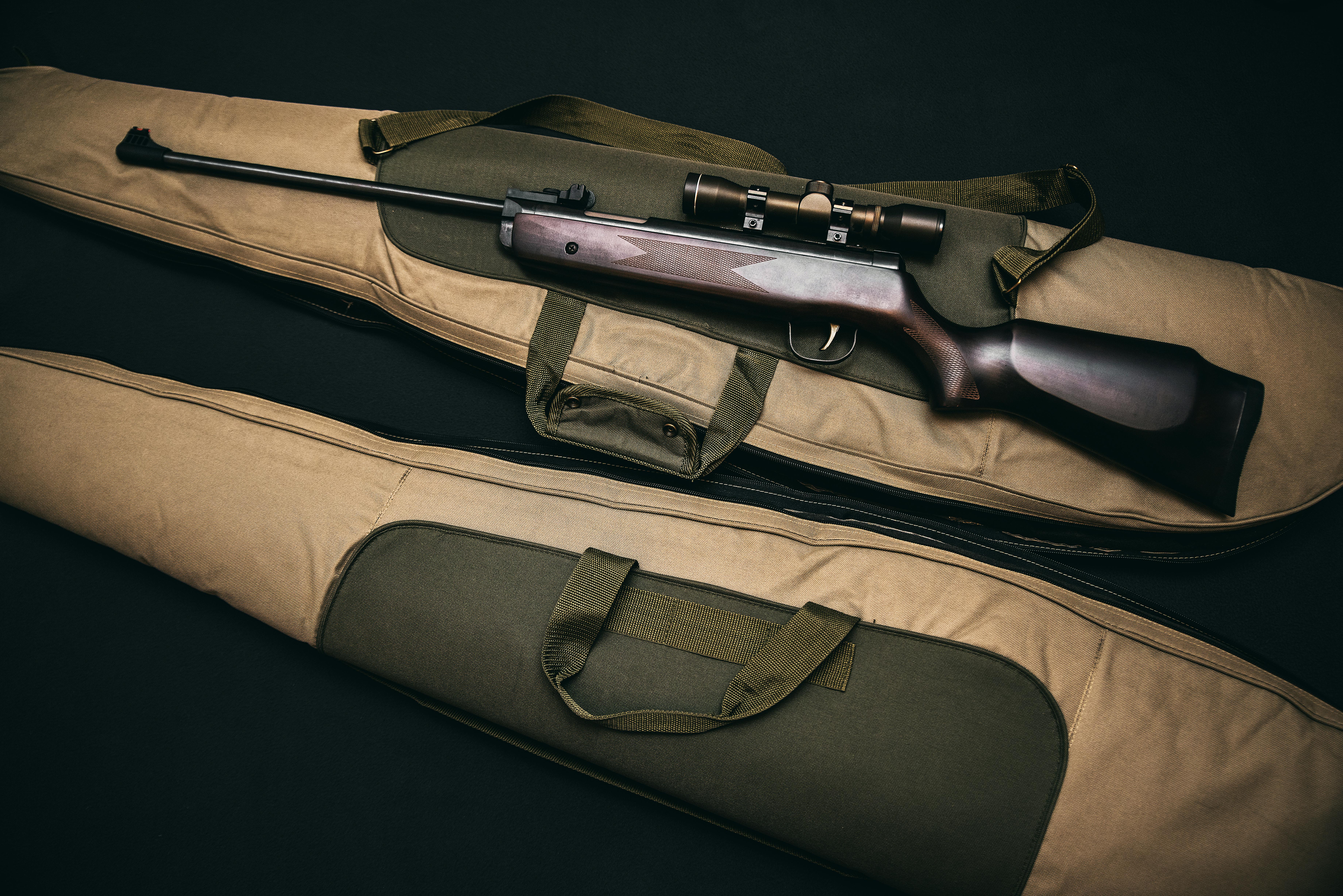
Lever-action rifles spent years getting framed as historical curiosities, hunting camp hand-me-downs, or cowboy-action novelties. In a market dominated by ARs, precision bolt guns, and polymer handguns, the lever gun seemed more sentimental than serious. Even shooters who liked them often described them in nostalgic language, which unintentionally made them sound obsolete.
That changed as manufacturers updated old patterns with threaded barrels, optics rails, M-LOK furniture, better sights, and improved metallurgy. Suddenly, by the lever gun was not just a tribute piece. It became a practical suppressor host, a compact brush rifle, and in some states a politically easier option for buyers facing restrictions on semiautomatic rifles. Utility, not just tradition, brought it back into focus.
The renewed attention also came from a broader cultural shift. Shooters started appreciating firearms that were mechanically engaging, legally versatile, and suited to real-world distances rather than fantasy scenarios. Chamberings like .357 Magnum and .44 Magnum gained fresh interest because they paired well with revolvers and offered meaningful performance from carbine barrels. The lever gun did not return because people forgot modern rifles existed. It returned because people finally noticed it still did several jobs exceptionally well.
What shooters usually miss before the market catches up
The common thread in all these examples is that dismissal often comes from shallow comparison. People evaluate a firearm against the wrong role, the wrong era, or the wrong set of assumptions. A gun that looks mediocre on a spec sheet may excel once you account for carry comfort, suppressor use, legal constraints, ammunition cost, or training accessibility. Shooters pay attention late because broad opinion usually trails actual field experience.
That lag is amplified by how gun culture talks about gear. Internet debate often favors extremes: the smallest carry gun, the fastest race setup, the highest capacity, or the flattest shooting cartridge. But ordinary shooters live in compromise. They need guns that are reliable, supportable, affordable to feed, and forgiving enough to use under stress. Firearms once dismissed as odd or outdated often survive because they quietly meet those real needs.
The larger lesson is simple. Ignore the jokes, test the use case, and watch what skilled shooters keep returning to after novelty wears off. Trends matter, but proven utility matters more. The firearms that eventually earn respect are usually the ones that keep working while opinion catches up, which is why today’s punchline can become tomorrow’s standard recommendation.