Wilderness survival has long been depicted as a male-dominated domain, but women and non-binary adventurers are proving that skill, knowledge, and resilience know no gender. Survival depends on preparation, strategy, and adaptability, not stereotypes. Challenging traditional norms opens the door to inclusive outdoor education, empowering anyone to confidently navigate harsh environments while breaking societal expectations and redefining what it means to survive in the wild.
Redefining Strength in Survival
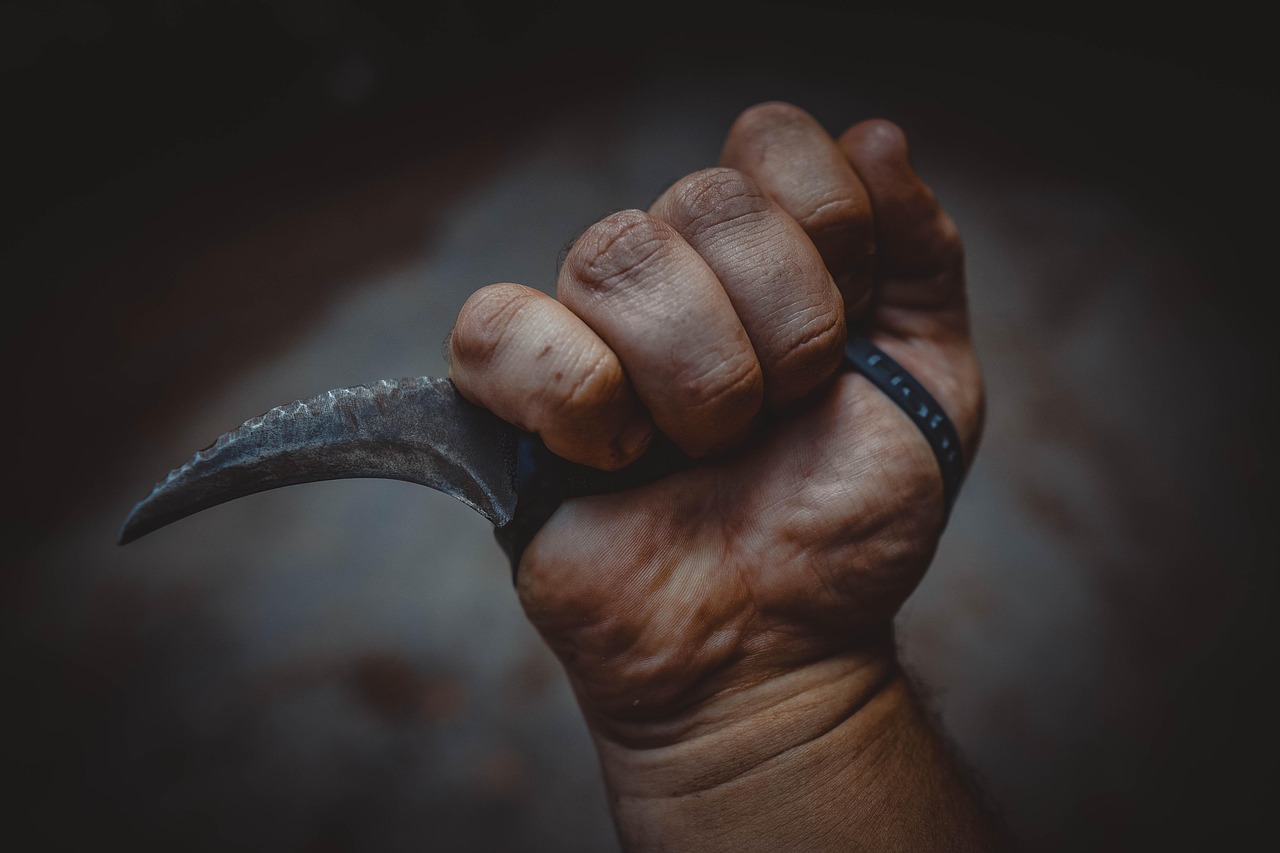
Survival strength is measured by endurance, skill, and adaptability rather than raw physical power. Women and non-binary adventurers excel in planning, resource management, and quick problem-solving, which are critical in life-or-death situations. This challenges outdated beliefs that only men can handle the outdoors. By valuing mental resilience and tactical thinking, the survival community recognizes that true strength comes from knowledge, preparation, and the ability to stay calm under pressure.
Knowledge Over Muscle
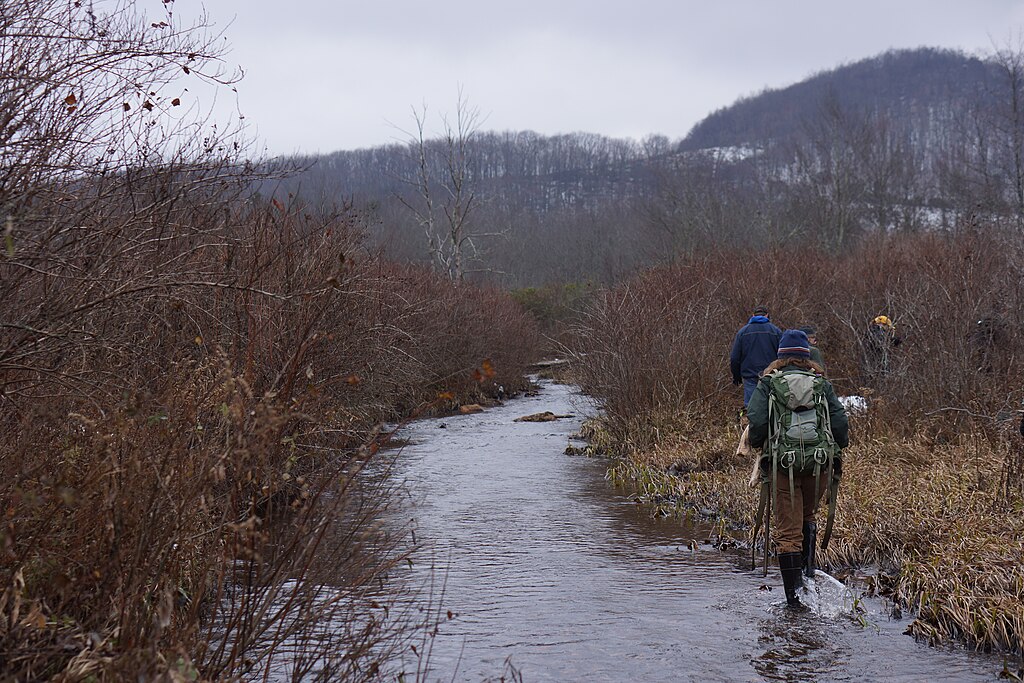
In wilderness survival, knowledge is more important than brute strength. Understanding terrain, mastering navigation, and recognizing natural resources often determine success. Women-led expeditions showcase strategic planning, attention to detail, and teamwork. This proves that mental acuity and preparation often outweigh physical force. Survival relies on smart decision-making and adaptability, demonstrating that skill and experience are far more critical than conforming to traditional masculine ideals of outdoor toughness.
Inclusive Communities Empower Everyone
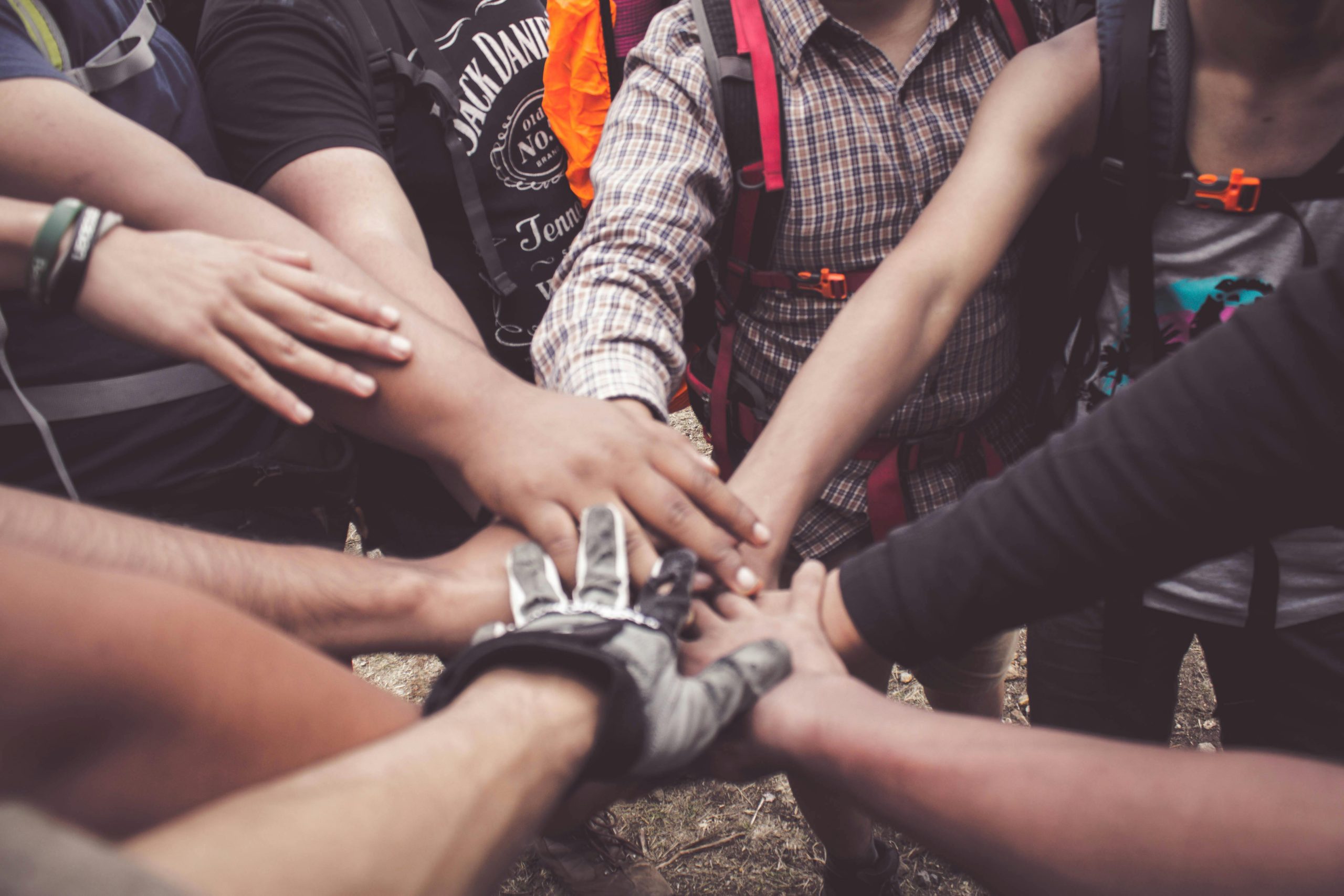
Creating supportive outdoor communities helps break gender barriers. Wilderness groups, survival courses, and online networks now provide safe spaces for women and non-binary adventurers. Mentorship, shared knowledge, and encouragement ensure everyone can develop confidence and skill. Inclusive communities foster collaboration rather than competition, allowing diverse voices to flourish. By sharing experiences and teaching practical skills, these networks help all adventurers thrive in challenging environments without bias or exclusion.
Representation in Media and Education
The media often reinforces survival as a male-dominated pursuit. Highlighting women and non-binary instructors, guides, and explorers challenges this perception. Survival documentaries, books, and social media platforms now showcase diverse role models, inspiring others to engage in outdoor education. Representation in training programs shows that expertise, courage, and leadership in the wild are not defined by gender. Visibility encourages more people to pursue wilderness skills confidently, reshaping the survival narrative for the modern outdoors.
Overcoming Societal Barriers
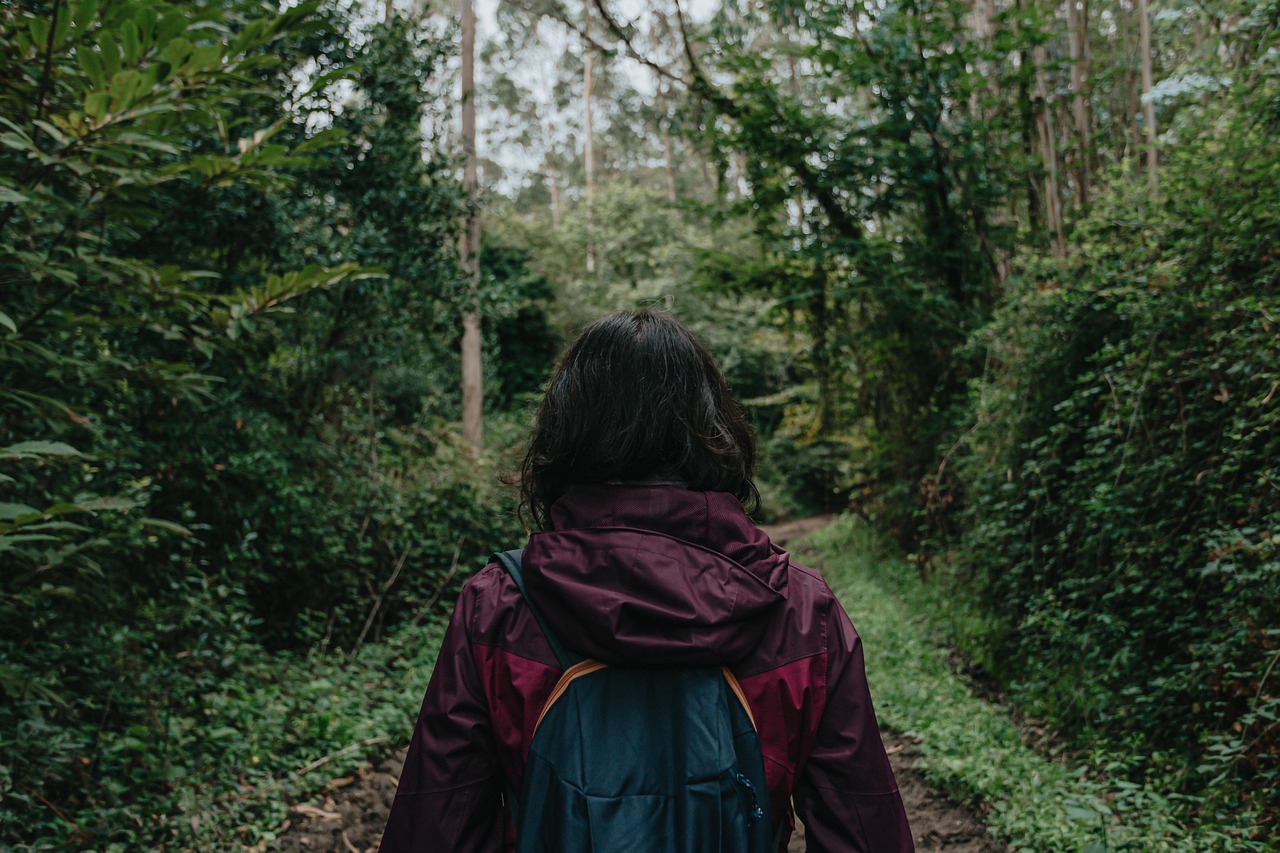
Cultural expectations can discourage women and non-binary individuals from entering wilderness survival spaces. Overcoming these barriers requires persistence, mentorship, and access to training. Every success story challenges stereotypes, proving that gender does not dictate ability. Accessible programs and inclusive initiatives encourage participants to develop confidence and resilience. By breaking these societal norms, adventurers help create an environment where everyone has equal opportunity to learn essential survival skills and thrive in extreme conditions.
Valuing Adaptive Skills
Adaptive skills like improvisation, first aid, and creative problem-solving are often undervalued in traditional “strength-focused” survival narratives. Women and non-binary survivalists excel in efficiently using minimal resources, multitasking, and navigating unexpected challenges. These skills often determine the difference between success and failure in the wilderness. Emphasizing adaptive abilities shows that survival relies on intelligence, ingenuity, and awareness, not just conventional physical power, redefining what makes a capable outdoorsperson.
Challenging Stereotypes on Physicality
Survival myths often assume physical dominance is necessary. Women and non-binary adventurers demonstrate that stamina, strategy, and technique are equally vital. Proper tool use, body mechanics, and energy conservation are critical in outdoor tasks, often making up for perceived differences in raw strength. Challenging these stereotypes empowers all adventurers to focus on skills and preparedness rather than appearance. The narrative shifts from who “looks strong” to who is resourceful, knowledgeable, and capable in real-world survival situations.
Inspiring Mentorship and Leadership
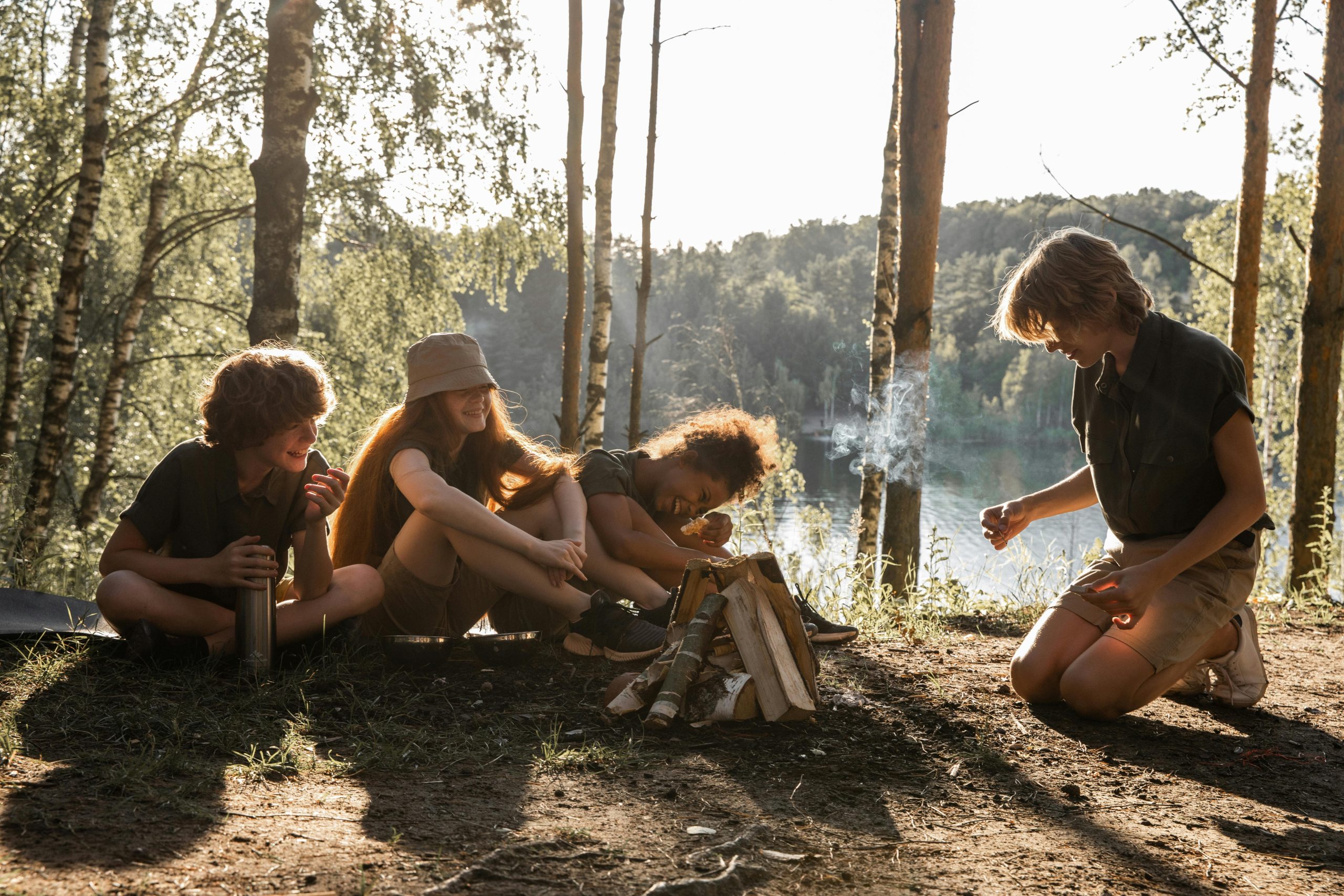
Mentorship helps break traditional norms by teaching practical survival skills and fostering confidence. Experienced women and non-binary guides provide hands-on training, demonstrating leadership in challenging situations. Mentorship emphasizes safety, strategic thinking, and effective decision-making. By guiding newcomers through skill-building and real-world scenarios, mentors encourage independence and resilience. Leadership becomes about expertise and adaptability, proving that anyone, regardless of gender, can guide and inspire others in the wilderness.
Promoting Mental Resilience
Survival requires mental toughness as much as physical ability. Women and non-binary adventurers often excel in planning, patience, and emotional regulation. Facing isolation, harsh conditions, or unexpected emergencies tests problem-solving and stress management. Mental resilience allows adventurers to make calm, effective decisions under pressure, highlighting that wilderness competency is defined by composure, preparation, and creativity, rather than conforming to gendered expectations of toughness or aggression.
Inspiring Future Generations
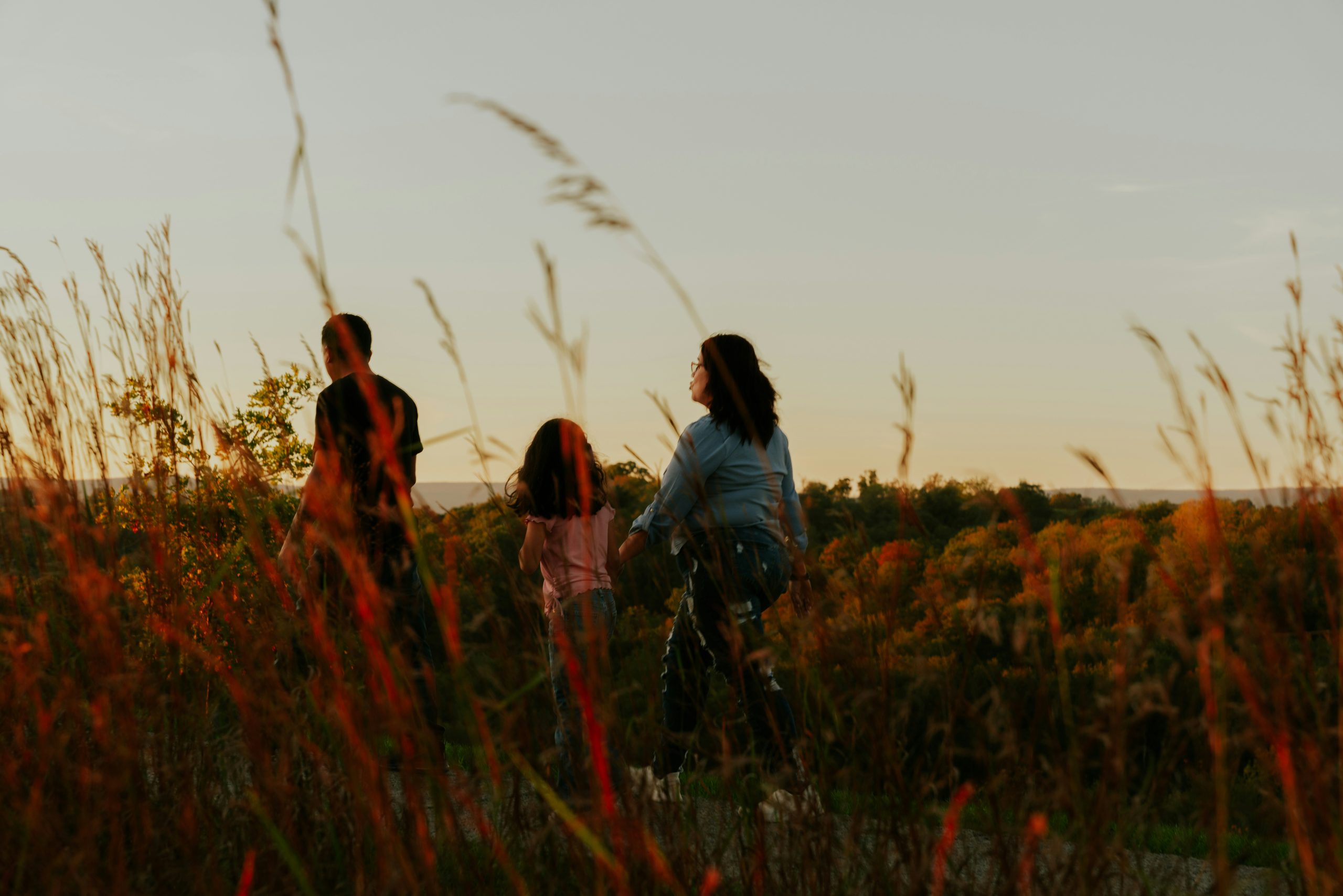
Breaking gender norms in wilderness survival inspires young people to pursue outdoor education confidently. Exposure to diverse role models shows that skill, knowledge, and courage are not gender-specific. Future adventurers gain confidence, curiosity, and respect for nature. Inclusive training and media representation ensure that survival skills are accessible to everyone. By showcasing capability and resilience, the next generation of explorers grows up believing that survival is about intelligence, adaptability, and preparation, not outdated stereotypes.