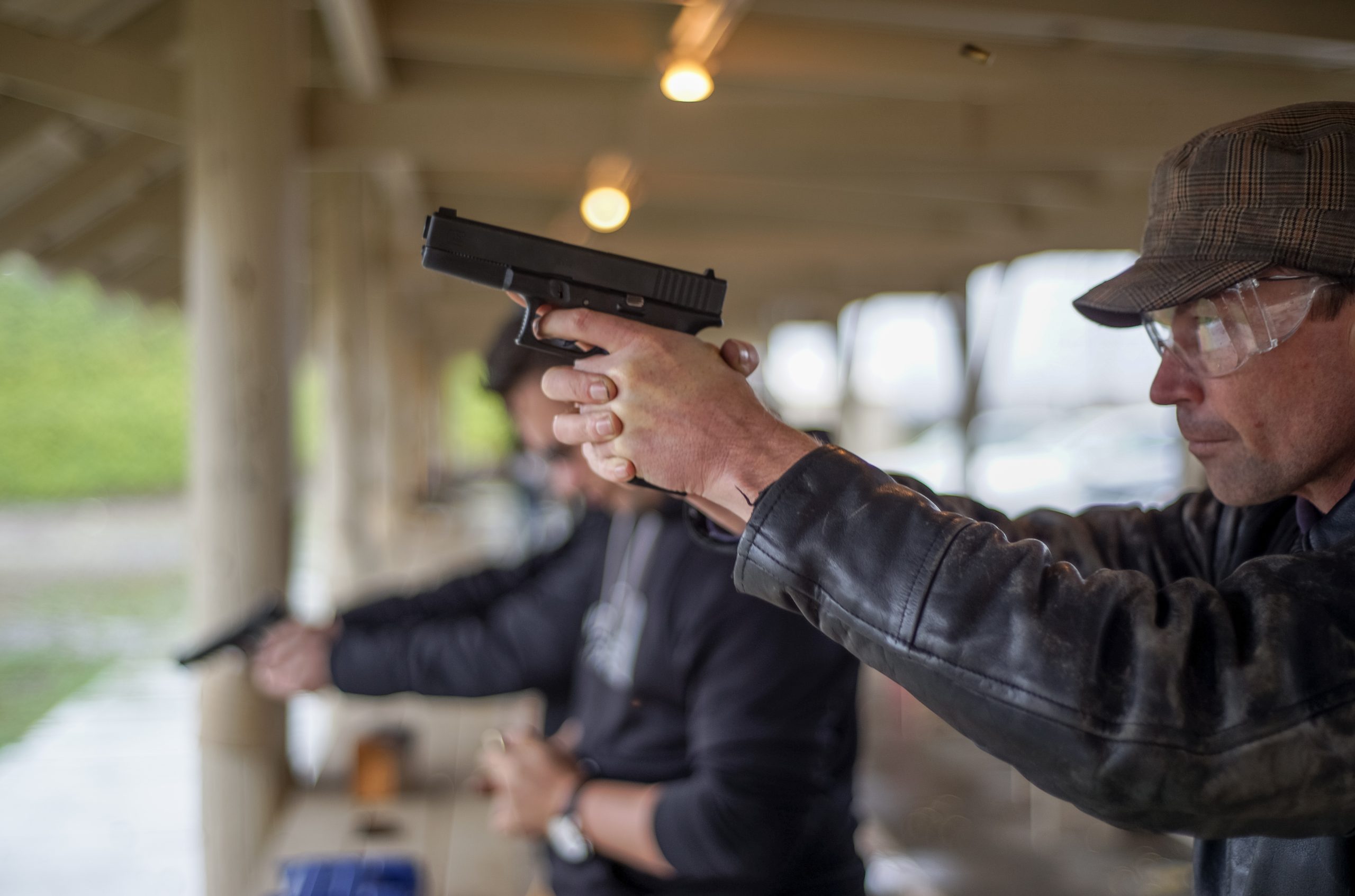
When most people think of Austrian firearms, one name tends to dominate the conversation: Glock. But Austria’s gunmaking story is much broader, with companies that have shaped military service, sporting culture, and precision engineering for decades. This gallery highlights nine Austrian firearms that may not enjoy the same mainstream spotlight, yet each has earned a solid place in shooting history.
Steyr AUG
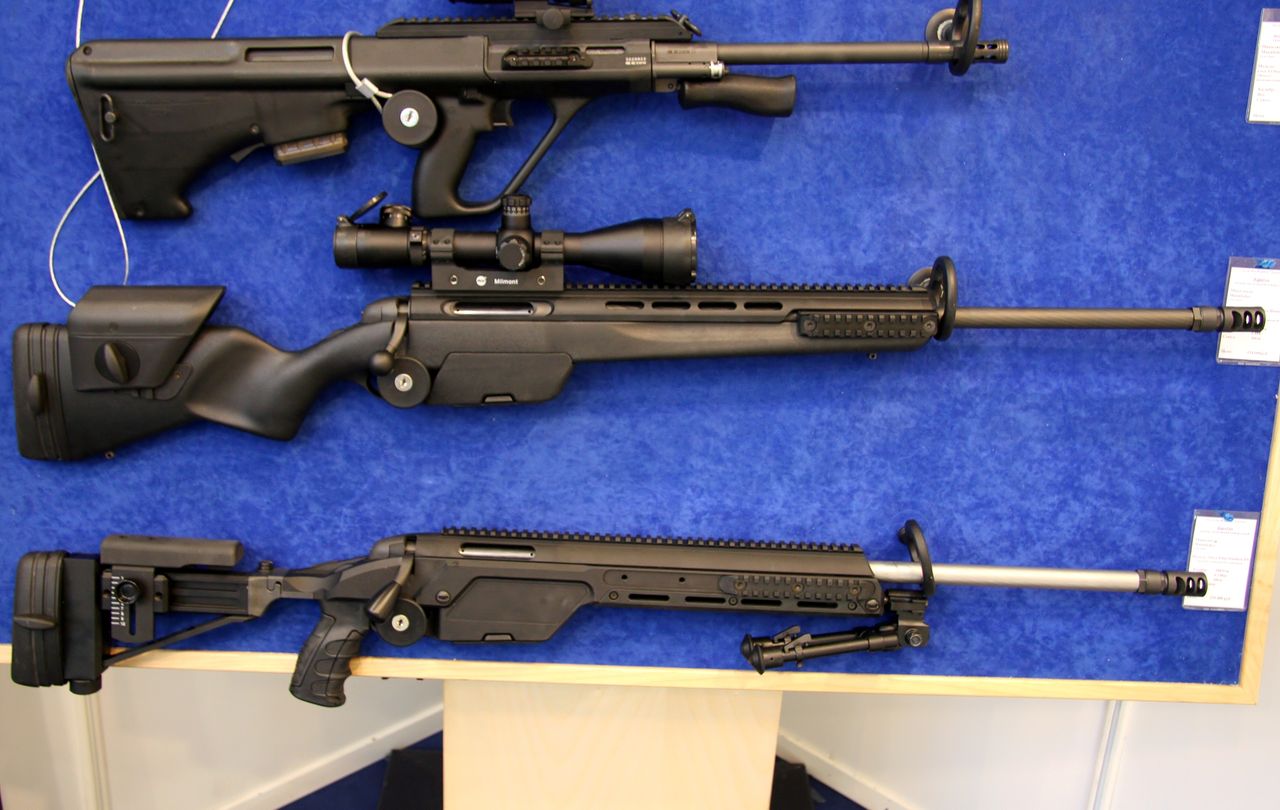
If there is one Austrian firearm that comes closest to rivaling Glock in name recognition, it is the Steyr AUG. Introduced in the 1970s, this bullpup rifle looked futuristic long before modern rifle design caught up. Its compact layout, integrated optics on early models, and military adoption gave it a silhouette that still feels instantly recognizable.
What makes the AUG memorable is how thoroughly it embraced a different idea of what a service rifle could be. By moving the action behind the trigger, Steyr created a full length barrel in a shorter overall package. That balance of portability and performance helped the rifle stand out in armies, police units, and civilian collections around the world.
Even today, the AUG feels less like a relic and more like a design that arrived early.
Steyr Scout
The Steyr Scout was built around a bold idea: a lightweight, practical rifle for real world field use rather than benchrest bragging rights. Developed with input from Jeff Cooper, it aimed to be handy, accurate, and fast, with features that rewarded a hunter or outdoors shooter who values mobility as much as precision.
Its integrated bipod, spare magazine storage, and sleek synthetic stock gave it a purposeful personality. Nothing about it felt accidental. The rifle was designed as a complete system, and that gave it an almost cult following among people who appreciate gear that solves problems elegantly.
It may never be the most common bolt action in camp, but it remains one of Austria’s smartest firearm exports.
Steyr Mannlicher SL
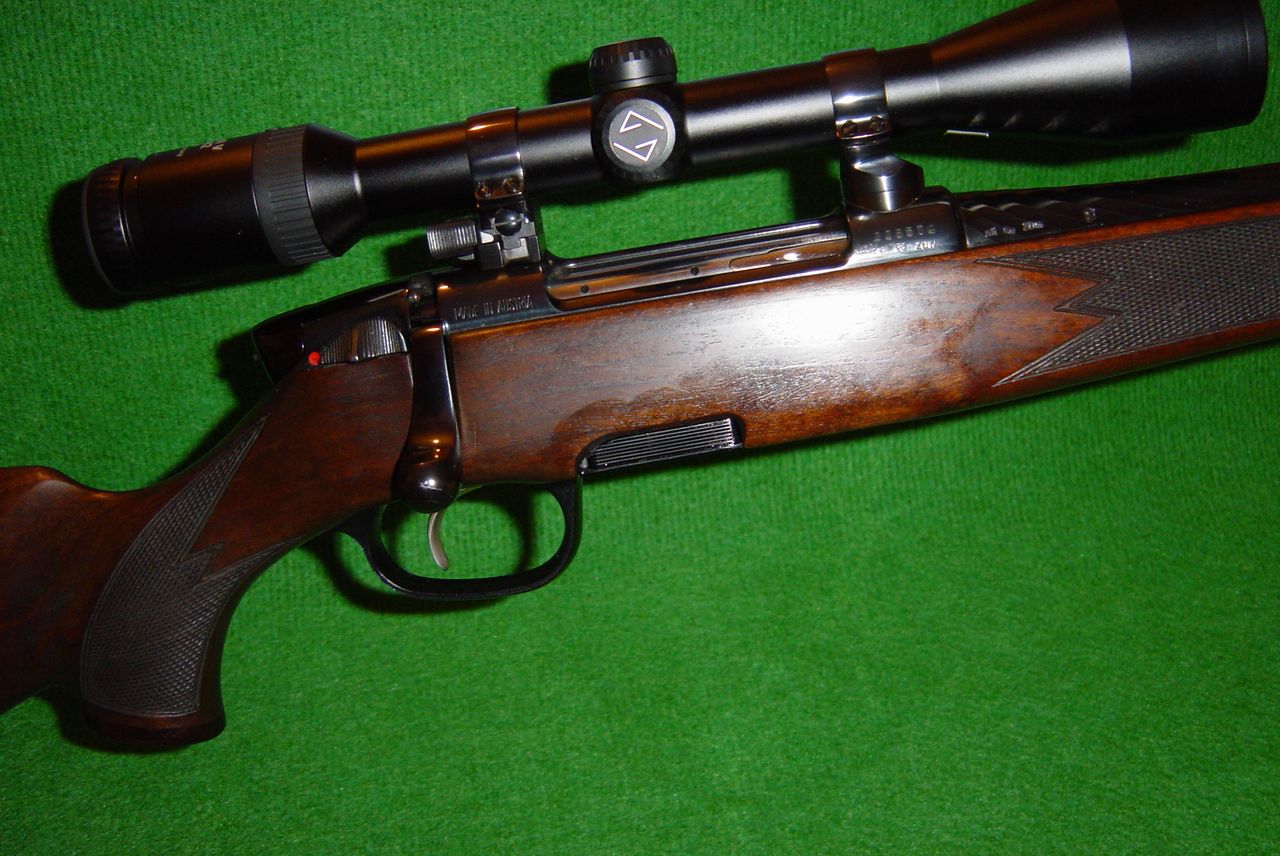
Before polymer pistols changed the public conversation, Austrian gunmaking already had a deep reputation for refined sporting arms. The Steyr Mannlicher SL is a good reminder. This semi automatic hunting rifle carried the kind of polished, old world craftsmanship that appealed to shooters who wanted function wrapped in elegance.
With its smooth lines and handsome finish, the SL looked every bit the premium European sporting rifle. But this was not style over substance. It delivered dependable performance in the field, and its engineering reflected the same serious manufacturing tradition that helped Austrian firearms earn respect abroad.
For collectors and hunters alike, the SL represents a quieter, more classic side of Austria’s firearms identity.
Steyr M1912
The Steyr M1912 comes from a much earlier chapter, yet it still deserves a place in any conversation about notable Austrian handguns. Designed before World War I, it combined rugged construction with a distinctive operating system, and it served military forces during one of Europe’s most turbulent eras.
What gives the pistol lasting interest is its mix of utility and character. It has the solid, almost overbuilt quality of early 20th century service handguns, but it also carries details that set it apart from more familiar designs of the period. To modern eyes, it feels both historical and mechanically intriguing.
For anyone curious about Austria’s firearms legacy before Glock, the M1912 is an excellent place to start.
Roth-Steyr M1907
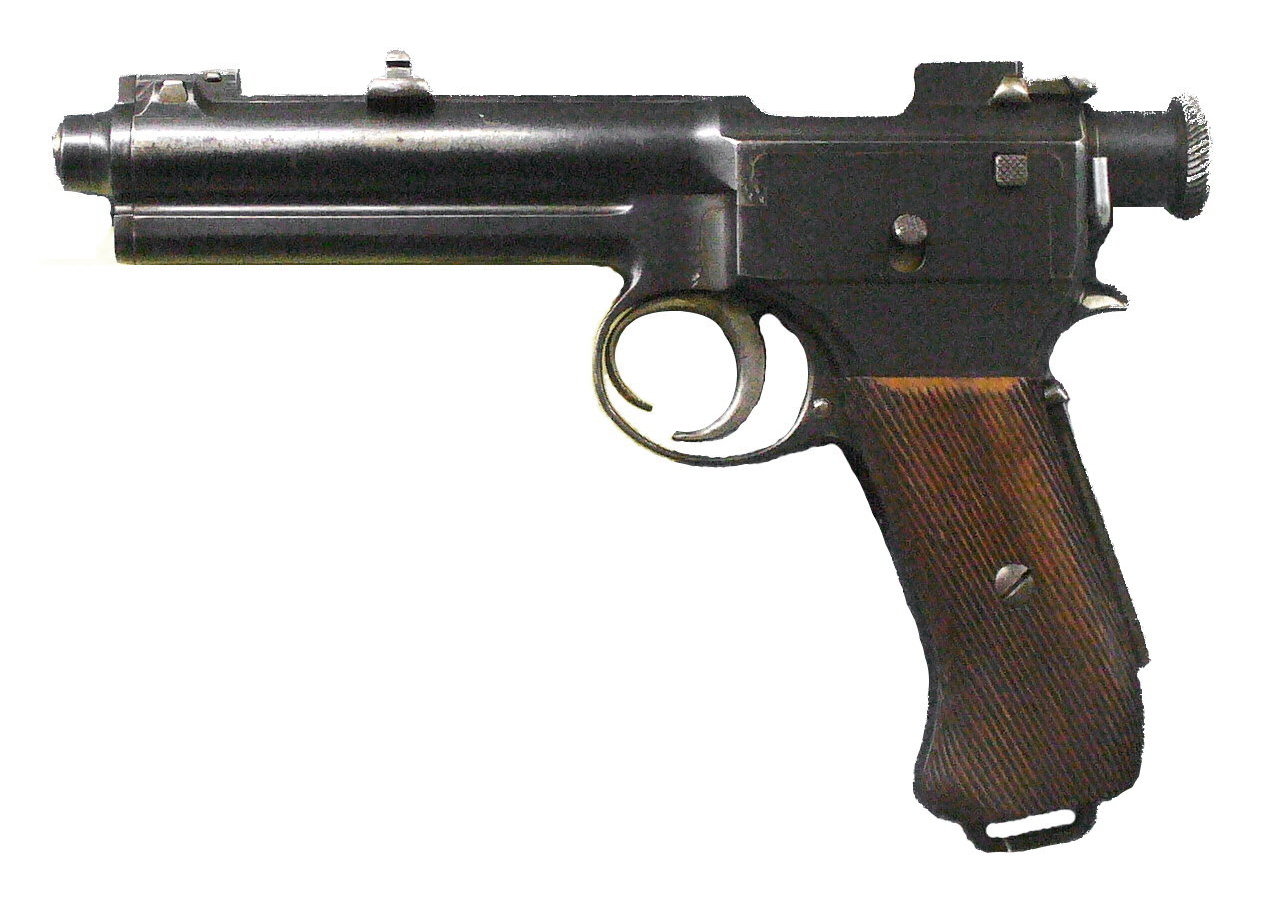
The Roth-Steyr M1907 is one of those pistols that rewards a second look. It was among the earliest self loading military sidearms adopted on a significant scale, and its association with the Austro-Hungarian cavalry gives it a distinctive niche in handgun history. It arrived at a moment when armies were still working out what an automatic pistol should be.
Its long grip, unusual profile, and internal magazine system make it feel very different from later service pistols. That is part of the appeal. This is not a familiar template polished to perfection, but an ambitious early attempt to define a whole category.
Because of that, the M1907 stands as a fascinating piece of Austrian design thinking in motion.
Voere LBW
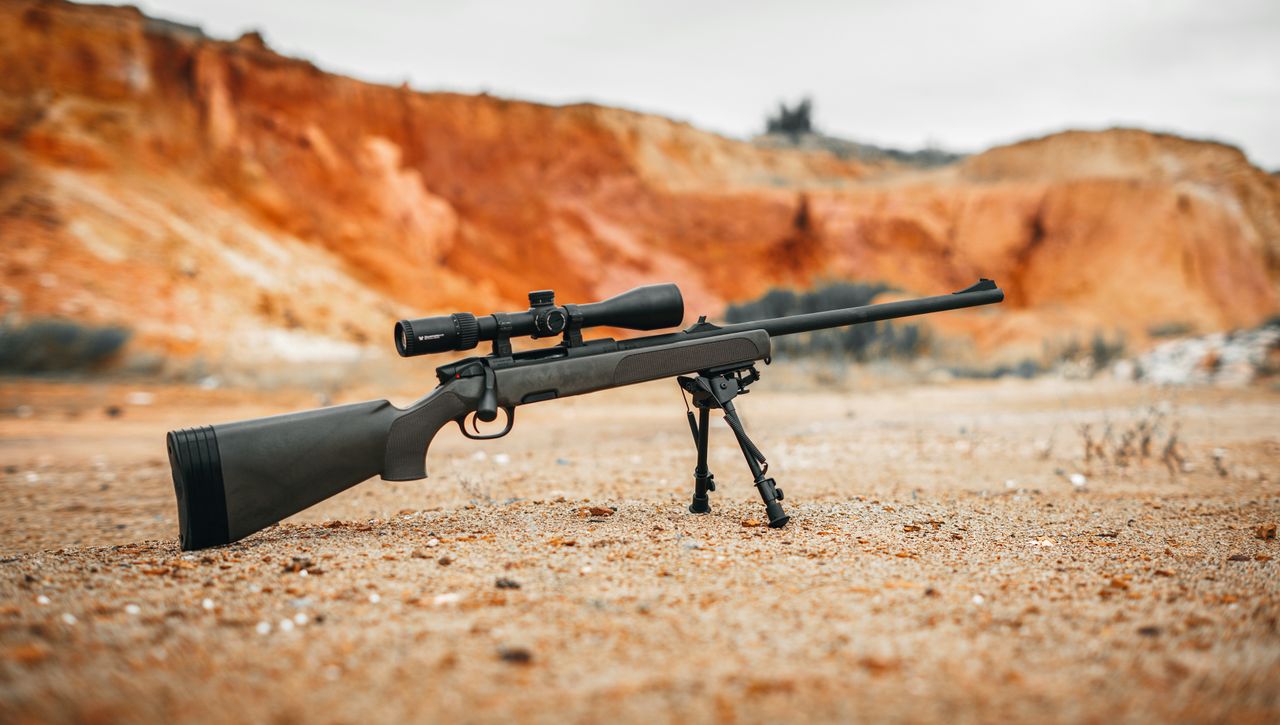
Voere does not command the same household recognition as bigger firearm brands, but among precision minded shooters the company has long had a serious reputation. The Voere LBW, a compact bolt action rifle often associated with quality rimfire or small caliber performance, shows how Austrian makers can excel well beyond military hardware and service pistols.
What stands out is the focus on accuracy, fit, and efficient design. Rifles like the LBW speak to shooters who care about consistency, clean handling, and the kind of craftsmanship that reveals itself over repeated use rather than flashy marketing.
It is a reminder that Austria’s firearms story includes specialists, not just icons, and that niche excellence can be every bit as impressive.
Voere X3
The Voere X3 takes Austrian precision in a more modern direction. Built as a straight pull rifle, it offers fast cycling without asking the shooter to break rhythm the way a traditional turn bolt can. That alone makes it interesting, especially to hunters and target shooters who value speed paired with mechanical refinement.
The rifle’s appeal lies in how contemporary it feels while still staying rooted in European sporting sensibilities. It is clean, deliberate, and engineered with purpose rather than excess. There is a confidence to that kind of design, especially in a market crowded with louder personalities.
For shooters who like innovation with restraint, the X3 is easy to admire and easy to overlook unfairly.
Krieghoff Semprio

Krieghoff is a German name, but the Semprio has Austrian ties through manufacturing in Ulm and strong relevance in the broader central European firearms world, especially in conversations about premium hunting technology. It earns a mention here because Austrian and neighboring gunmaking traditions often overlap in the same high end sporting space, and the Semprio’s in line repeating system feels very much part of that regional innovation culture.
Its operation is the headline. Instead of a conventional bolt movement, the rifle uses a forward and back action that looks unusual at first and then begins to make practical sense. It is fast, distinctive, and clearly designed for shooters who appreciate mechanical ingenuity.
Even among premium sporting rifles, the Semprio stands out as something genuinely different.
Steyr SSG 69
The Steyr SSG 69 is one of Austria’s most respected precision rifles, even if it rarely gets discussed outside enthusiast circles. Adopted by military and police users and admired by civilian marksmen, it built its reputation on accuracy, reliability, and a design that felt advanced for its era without becoming fussy.
Its cold hammer forged barrel and distinctive stock gave it a visual identity all its own. More importantly, the rifle consistently delivered where it mattered most: on target. That practical credibility helped it earn lasting respect among professionals and serious shooters alike.
If Glock represents Austria’s modern handgun success, the SSG 69 is a strong candidate for the country’s understated long gun masterpiece.