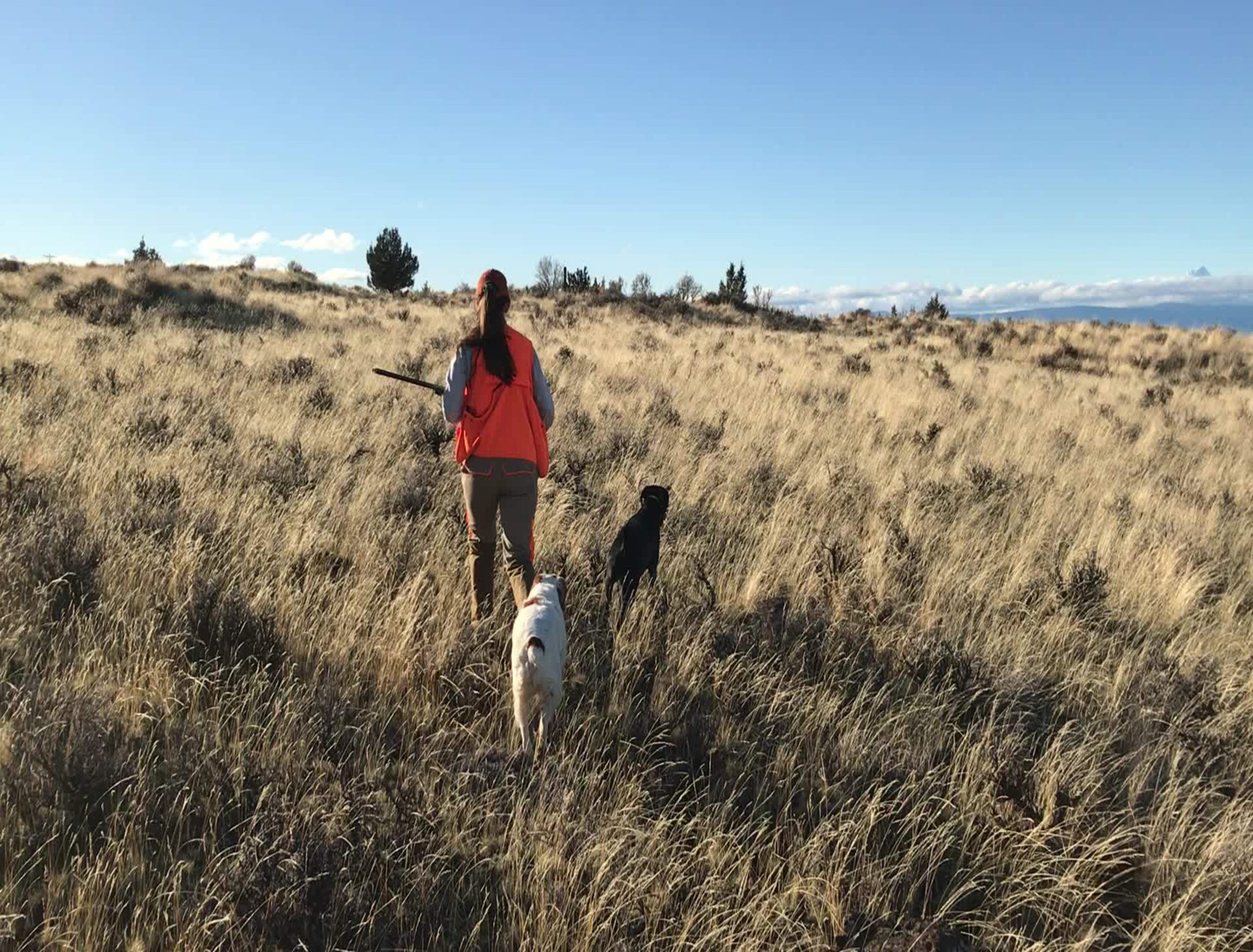
Every box of ammunition sold in the United States carries a financial connection to wildlife conservation that is easy to overlook. Under the Pittman-Robertson Wildlife Restoration Act, manufacturers pay federal excise taxes on ammunition and certain firearms, with the money supporting state wildlife programs. In fiscal year 2026, the U.S. Fish and Wildlife Service announced more than $1.2 billion in Wildlife and Sport Fish Restoration funding.
1. Wild Turkey
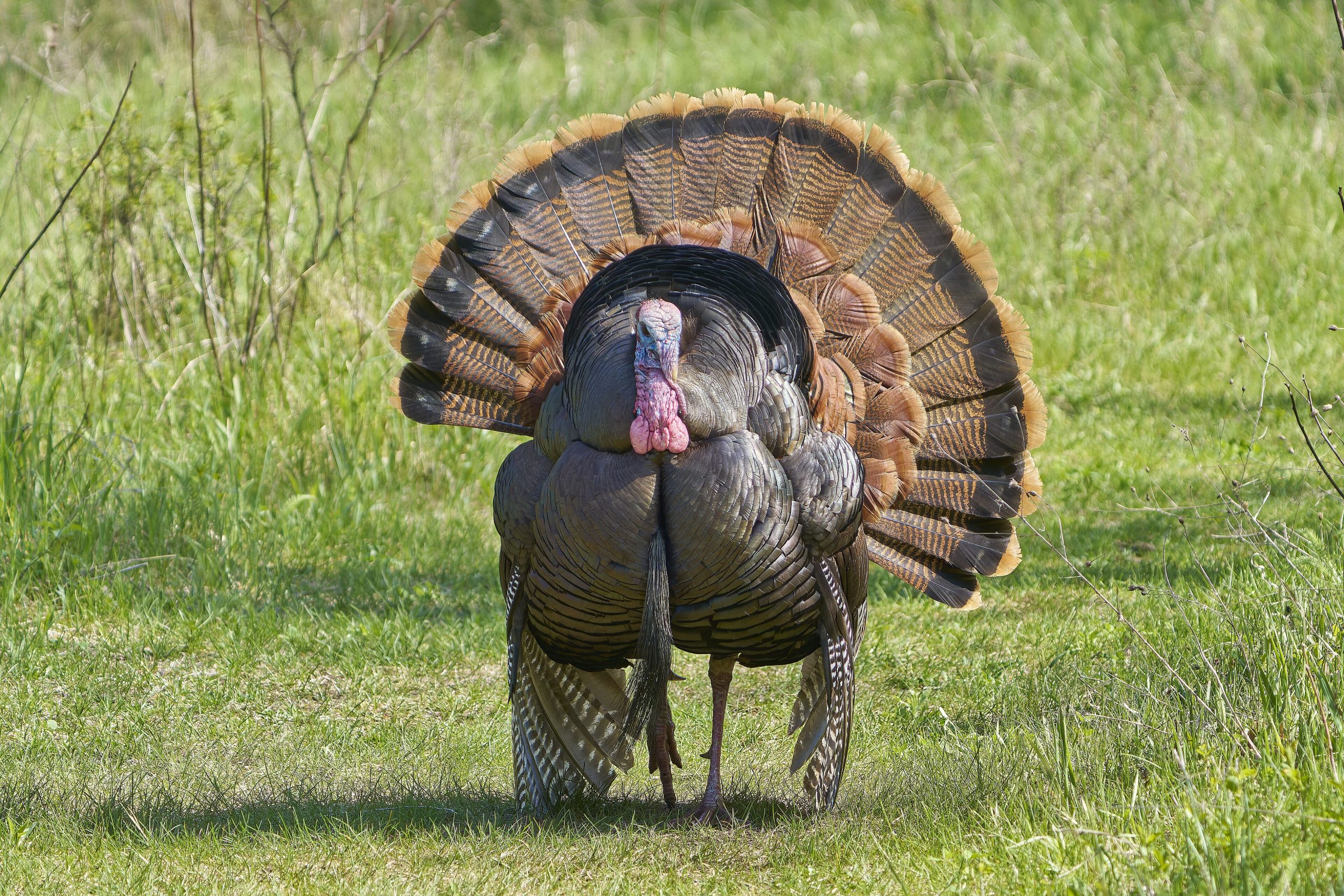
The wild turkey is one of the clearest examples of conservation turning money into measurable recovery. Pittman-Robertson revenue has supported habitat work, population surveys, research, and management that help states keep turkey numbers productive. The species once disappeared from parts of its historic range, but restoration and careful harvest rules helped rebuild populations across much of the United States. The funding model matters because ammunition and firearm excise taxes keep paying for the science and habitat work behind that recovery.
2. White-Tailed Deer

White-tailed deer became a conservation success after decades of habitat loss and unregulated hunting had pushed many herds downward. Today, state agencies use Wildlife Restoration money for surveys, habitat improvement, research,h and management plans that keep populations healthy. The program does not single-handedly create every deer recovery, but it supplies dependable funding for the work behind it. Since 1937, Pittman-Robertson taxes have helped make that long-term management possible. That continuity is valuable because deer management is measured in decades, not single seasons.
3. Pronghorn
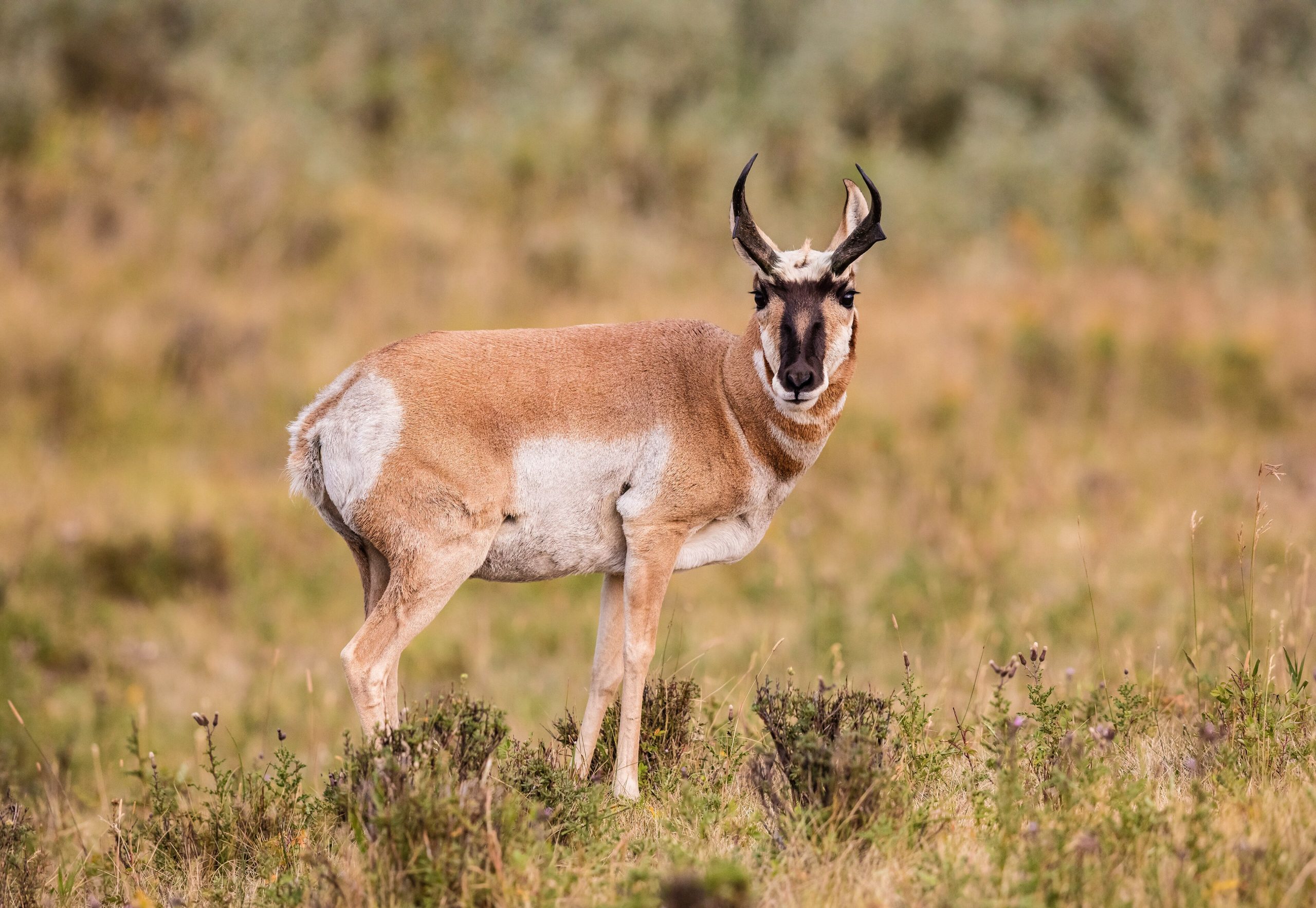
Pronghorn recovery depends on more than protecting an animal on paper. Open grasslands must be surveyed, migration routes understood, habitat maintained,ed and population trends tracked for years. Wildlife Restoration grants help state agencies pay for those jobs. Pronghorn numbers and distribution have changed dramatically since the species faced intense historical pressure, and modern management has helped stabilize populations. The connection is direct: manufacturers pay the federal excise tax, and the resulting grants support wildlife research, habitat management, and conservation work.
4. Mule Deer
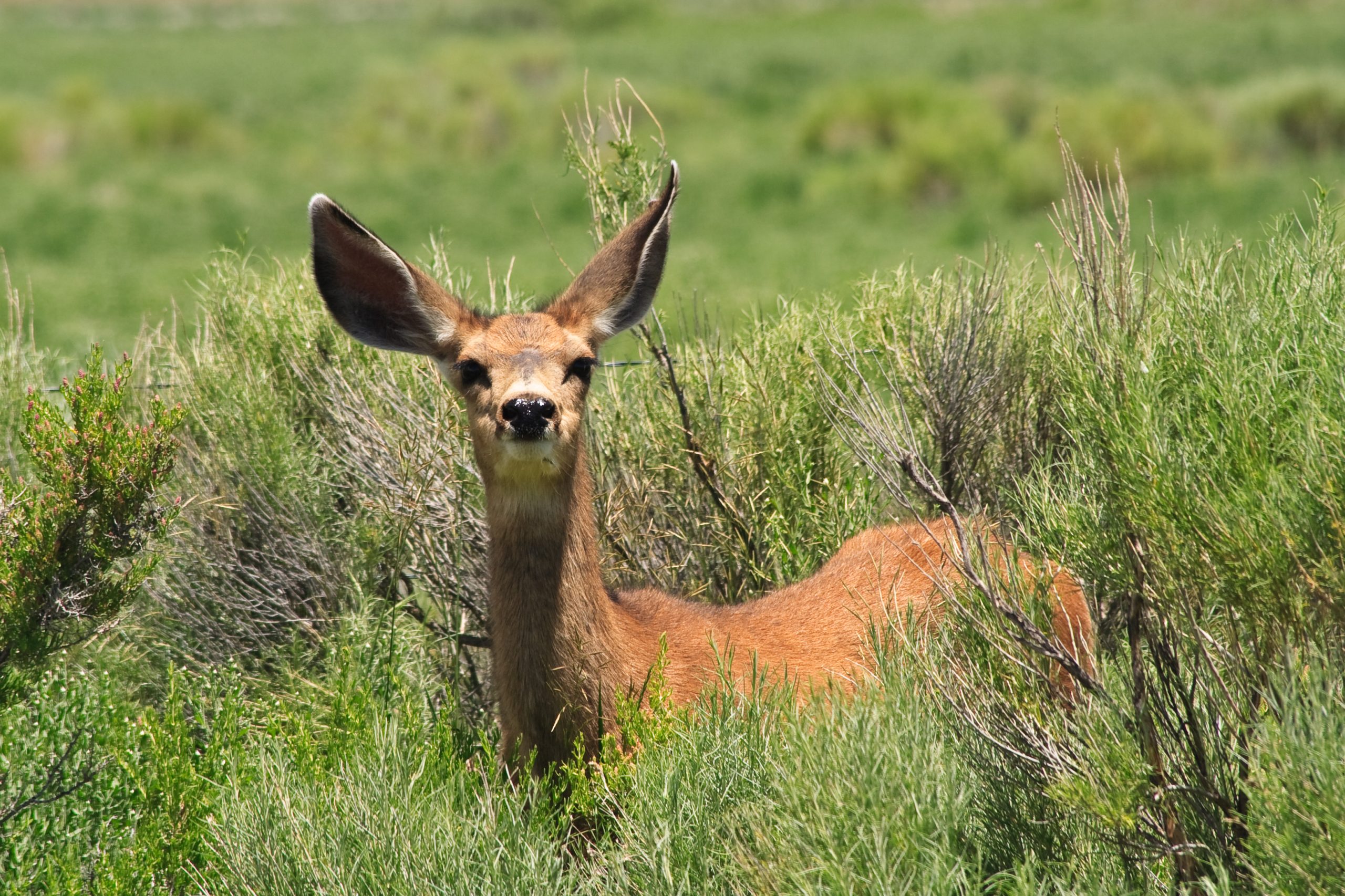
Mule deer live in landscapes where drought, wildfire, development,t and changing vegetation can reshape a herd. That makes dependable conservation funding valuable. State wildlife agencies use Pittman-Robertson support for population surveys, habitat projects, research, and management decisions designed around conditions. The money is not a magic cure and cannot reverse every environmental problem, but it gives biologists resources to monitor herds and improve habitat. In many western states, that steady investment has become part of the infrastructure behind mule deer conservation.
5. Waterfowl
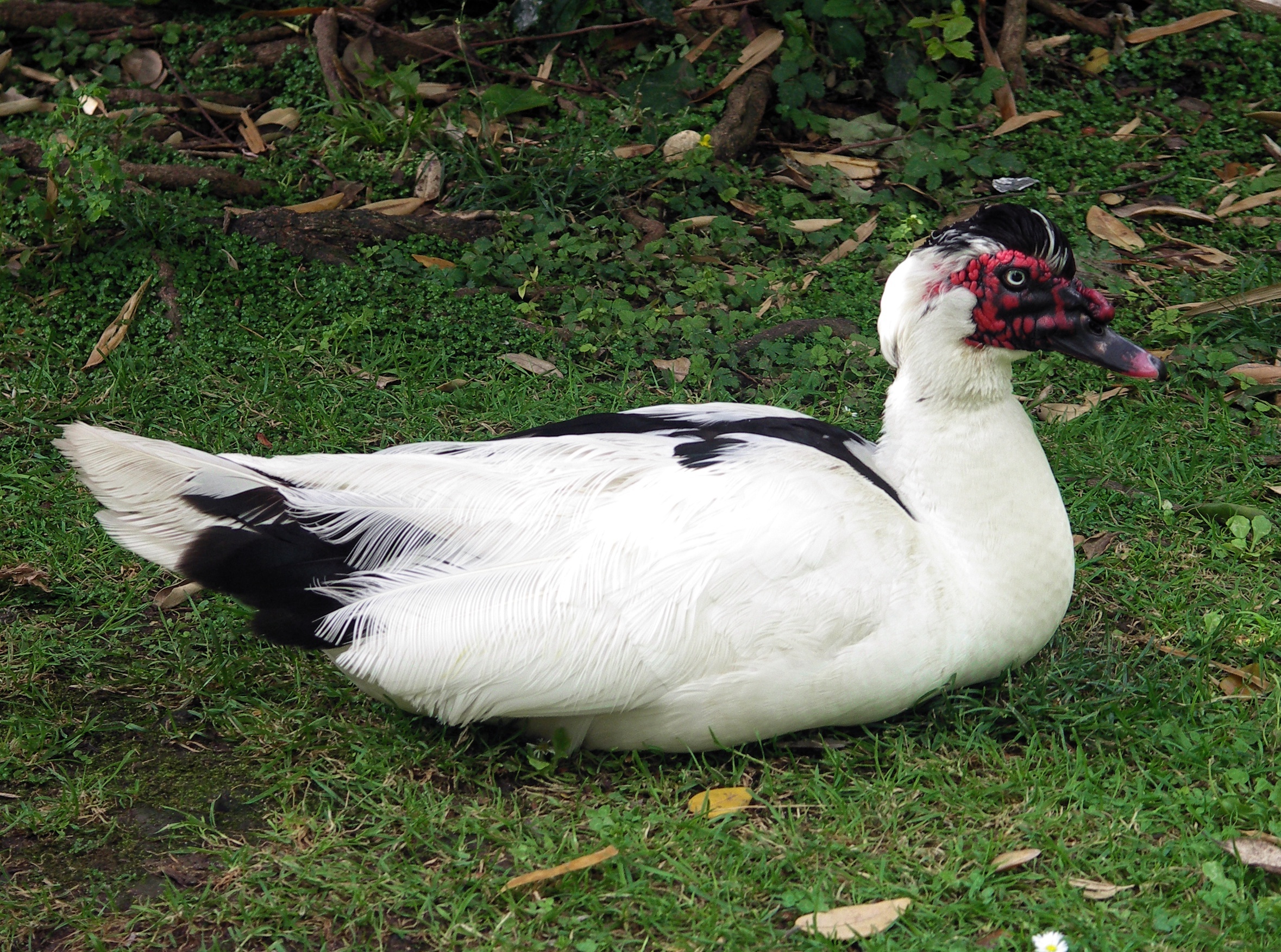
Waterfowl recovery shows how habitat spending can produce benefits far beyond one hunting season. Ducks depend on wetlands, shallow water, nesting cover, and migration stopovers that can be damaged or lost. Wildlife Restoration funding has helped states support surveys, habitat management, and public access projects that strengthen these systems. Arkansas, for example, received support for work involving 11 wildlife management areas and more than 1,300 acres of waterfowl habitat. The scale can be impressive: small excise-tax payments help finance habitat projects measured in thousands of acres.
6. Elk

Elk conservation illustrates why wildlife recovery is a continuing process rather than a one-time rescue. State agencies need reliable money to count herds, study habitat, manage hunting pressure, monitor disease, and improve public wildlife lands. Pittman-Robertson grants help pay for those functions, while hunting license revenue often supplies the required state match. The result is a funding cycle that connects outdoor spending with management on the ground. Elk are now widespread across much of their historic range, although individual herds still face habitat and population challenges.
7. Black Bears
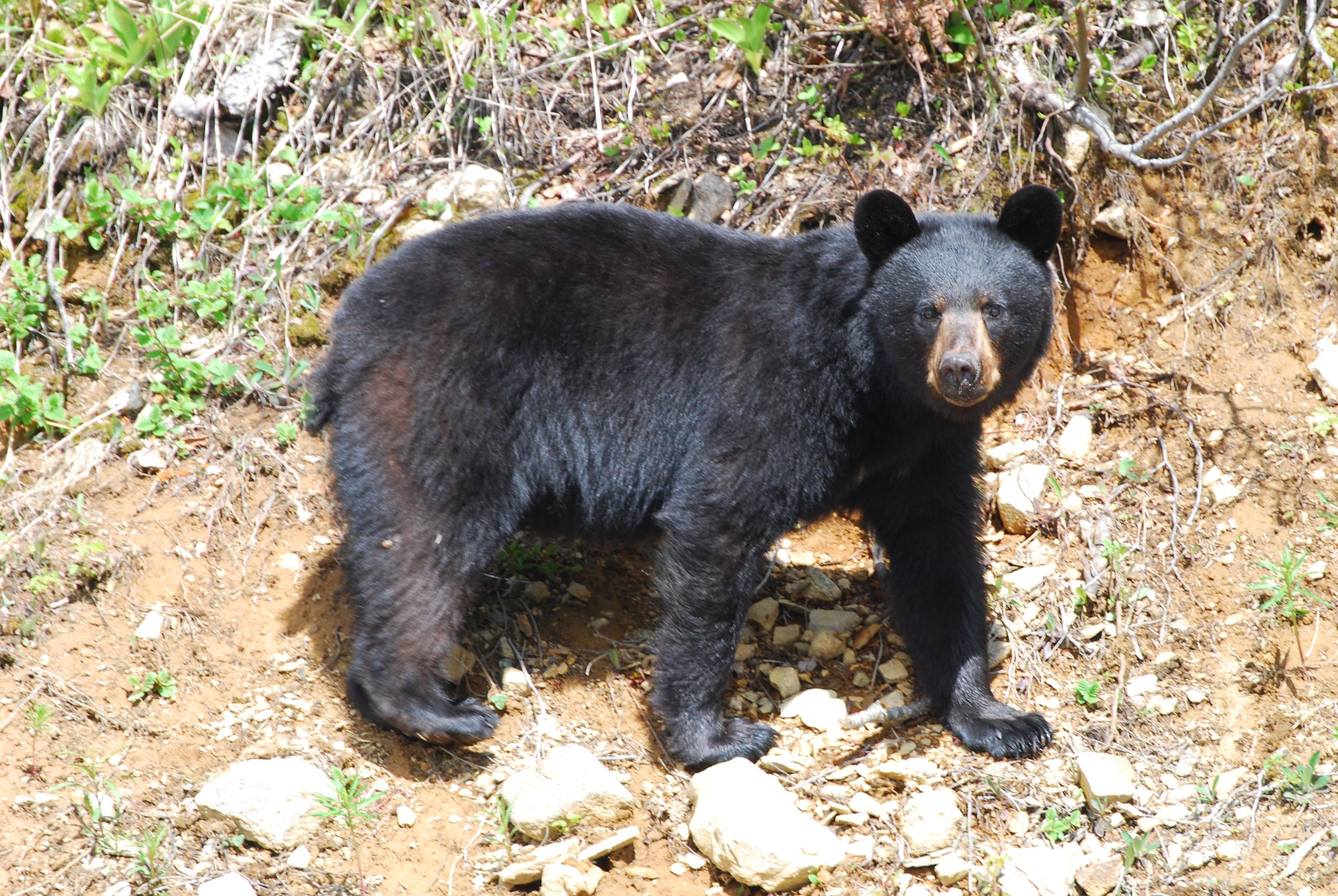
Black bear management rarely gets as much attention as big reintroduction stories, yet it depends heavily on patient monitoring and habitat protection. Wildlife agencies need data on bear numbers, distribution, and conflicts before setting sound management policies. Federal Wildlife Restoration grants can support research, surveys,s and habitat work that contribute to that process. The funding does not belong to bears alone, and it is not the only reason populations have recovered. Still, funding from Pittman-Robertson gives agencies a useful financial tool for managing species across large landscapes.
8. Bighorn Sheep

Bighorn sheep recovery shows how expensive wildlife management can become when a population occupies difficult terrain. Agencies may need disease surveillance, herd surveys, habitat improvement, water development, and careful translocation planning. Wildlife Restoration funding can help support these activities as part of broader state conservation programs. Bighorn sheep have returned to many landscapes where numbers once fell sharply, although disease and habitat fragmentation remain serious concerns. The important point is that ammunition tax revenue helps finance the scientific and management work that keeps wildlife recoveries moving.
9. Pheasants

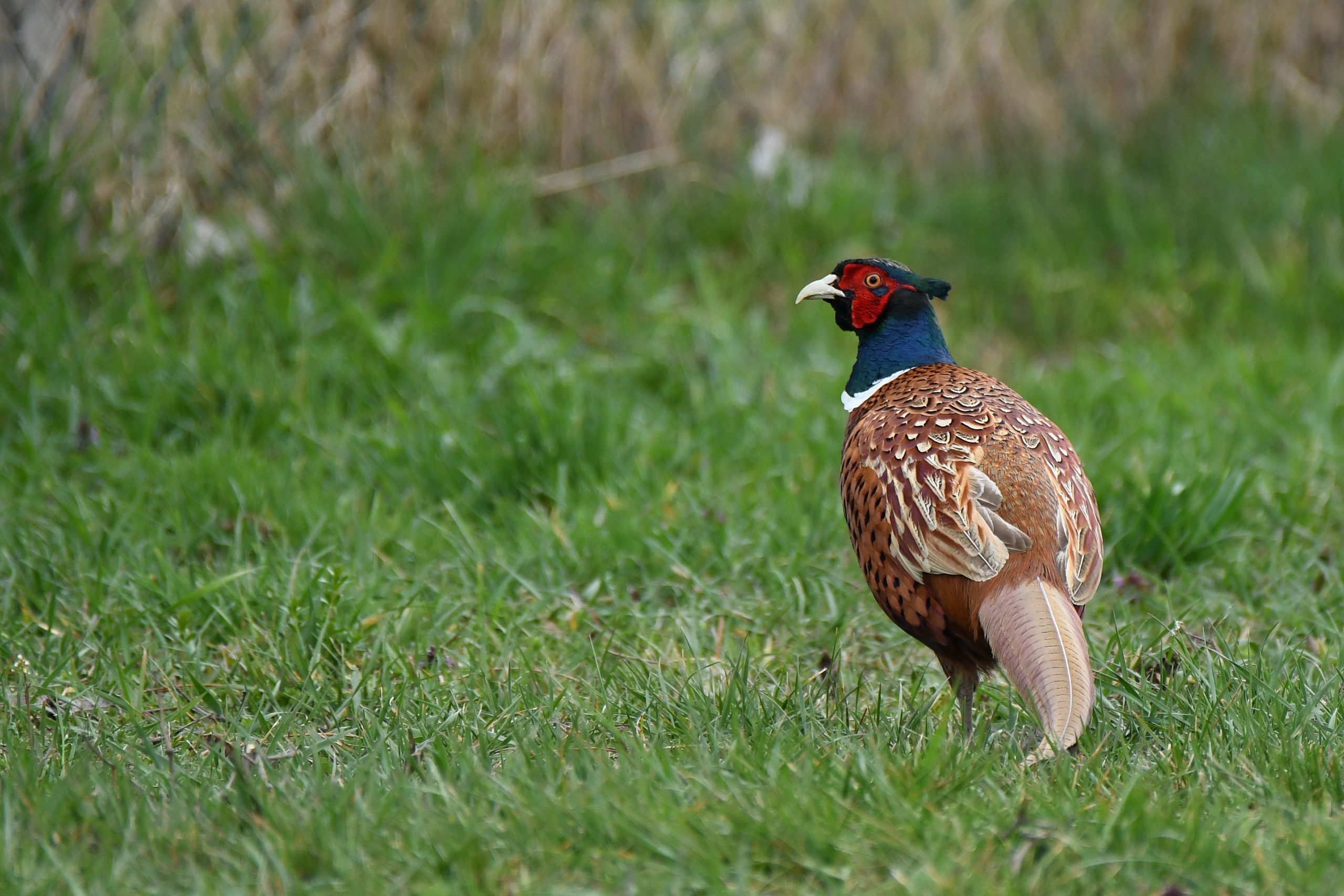
Pheasant conservation demonstrates that wildlife funding often works through habitat rather than through the animal itself. Healthy pheasant populations need grass cover, nesting areas, food plots, and suitable winter habitat, all of which can disappear when land use changes. State wildlife agencies use Pittman-Robertson grants for habitat management, research, surveys, and public access programs that can benefit pheasants and other species. It can create benefits beyond a singlespecies’s recovery. Money generated through sporting purchases helps maintain landscapes where wildlife thrives.