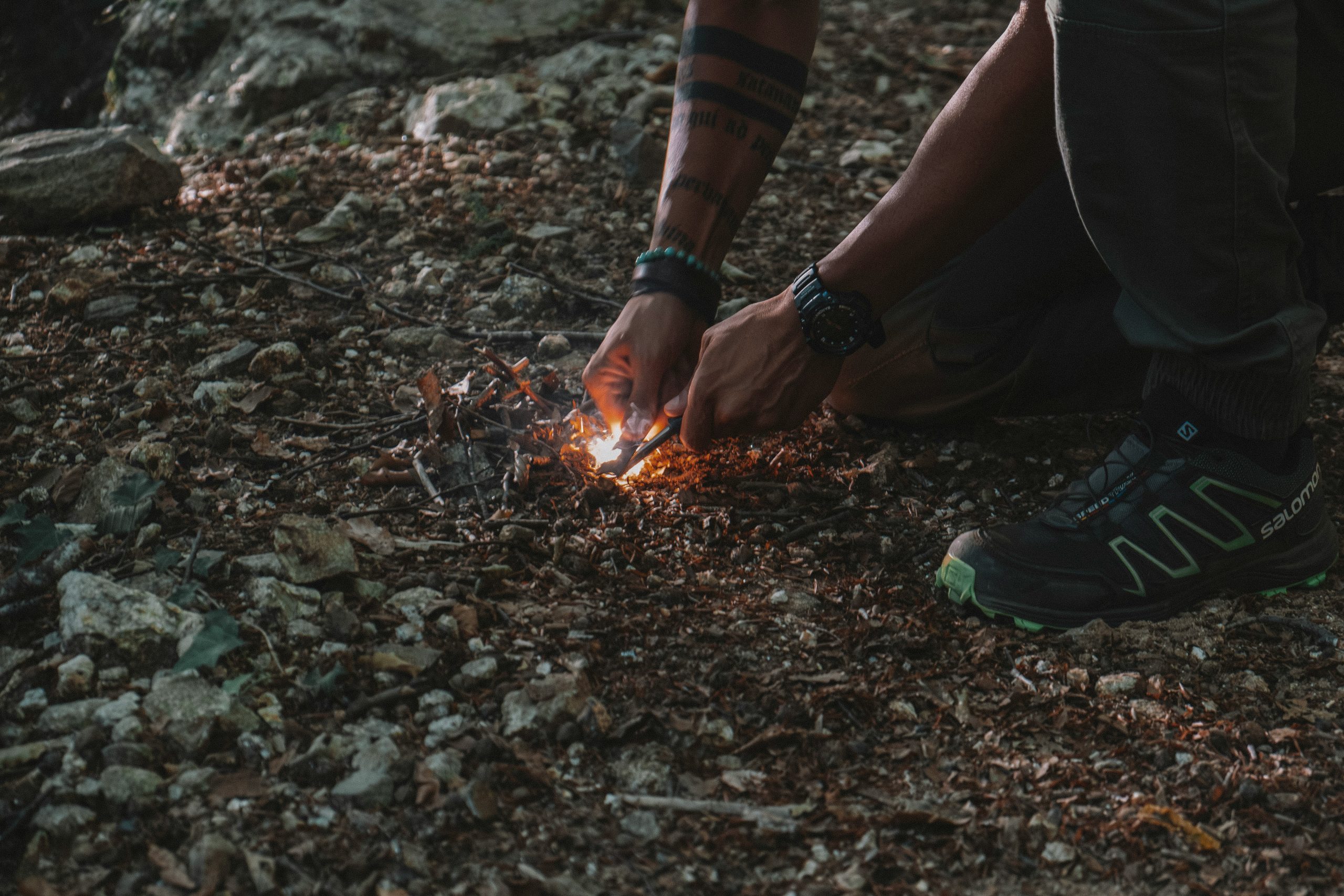
Starting a fire in the wilderness does not always require manufactured firelighters or commercial tinder. Nature provides several plants with dry fibres, fluffy seed heads, papery bark and resinous material that can help catch an initial flame. Some are found near wetlands, while others grow in forests, grasslands and open fields. Knowing which parts of these plants are useful can make a difference when preparing a natural fire-starting kit. Here are nine wild plants worth recognising, along with their useful characteristics, preparation methods and limitations.
1. Cattail Fluff
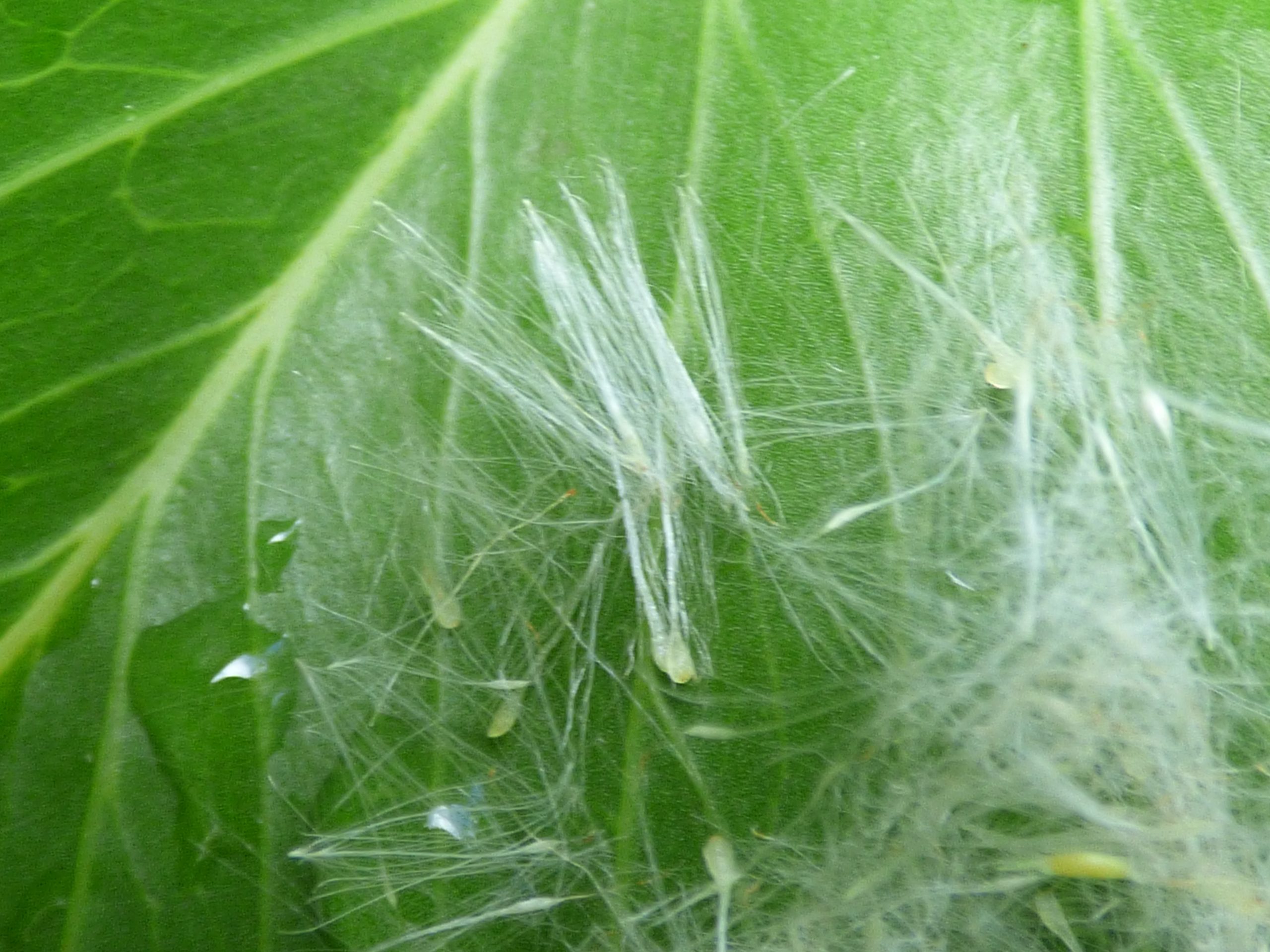
Cattails (Typha species) grow along ponds, marshes and slow-moving waterways. When the familiar brown seed head matures, it eventually breaks open and releases a mass of soft, cotton-like fibres. A small handful of this dry down can catch a flame quickly, making it useful as the fine centre of a tinder bundle. It burns rapidly, however, so surround it with coarser dry grass or thin bark to help the flame spread. One mature head may release thousands of seeds, but collect only a little from a healthy stand and leave plenty for natural regrowth. Keep the fluff completely dry; damp fibres clump together and become much harder to ignite. Test a little before relying on it in wet weather.
2. Birch Bark
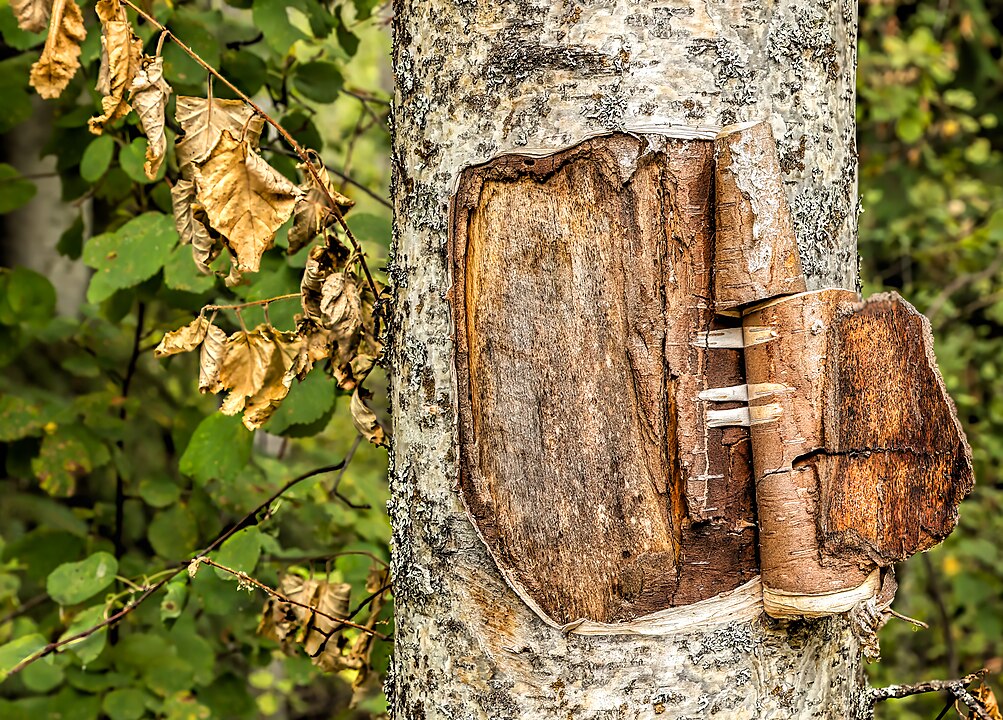
Birch trees are recognised by their pale, often peeling bark, and the loose outer layers can be useful in a woodland fire kit. Thin, papery pieces ignite readily, while finely scraped bark makes a lighter, fluffier tinder. Birch bark contains natural compounds that help it burn, so small strips may still catch when the surface is slightly damp; the inner fibres must nevertheless be dry for dependable results. Start with a few thumb-length shreds and keep thicker curls nearby as the flame grows. Take material only from dead, fallen branches or loose bark already on the ground. Stripping a living trunk can injure it and invite disease. A dry, paper-like texture is the sign to look for.
3. Cedar Bark
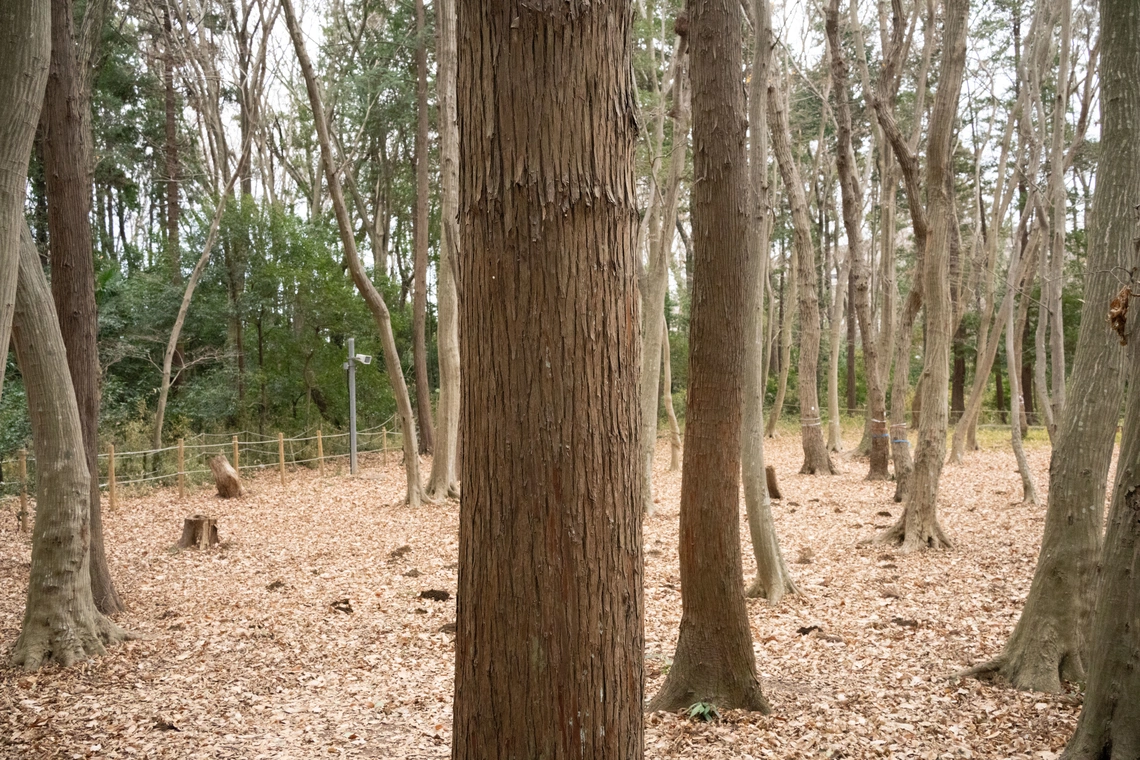
Many cedar and juniper trees have fibrous bark that can be separated into narrow strands. The useful material is the dry, stringy inner layer, not a thick chunk of outer bark. Rub a small bundle between your palms until the strands loosen into a soft nest; finer fibres expose more surface area and are easier to ignite. Cedar bark is especially helpful when a match or lighter is available, while very fine, dry fibres may also assist with spark-based methods. Prepare roughly 1 loose handful and keep it sheltered from moisture. Identify the tree with certainty, and collect only loose bark from dead wood rather than cutting into a living trunk. Avoid taking more than the site can readily spare.
4. Dry Grasses
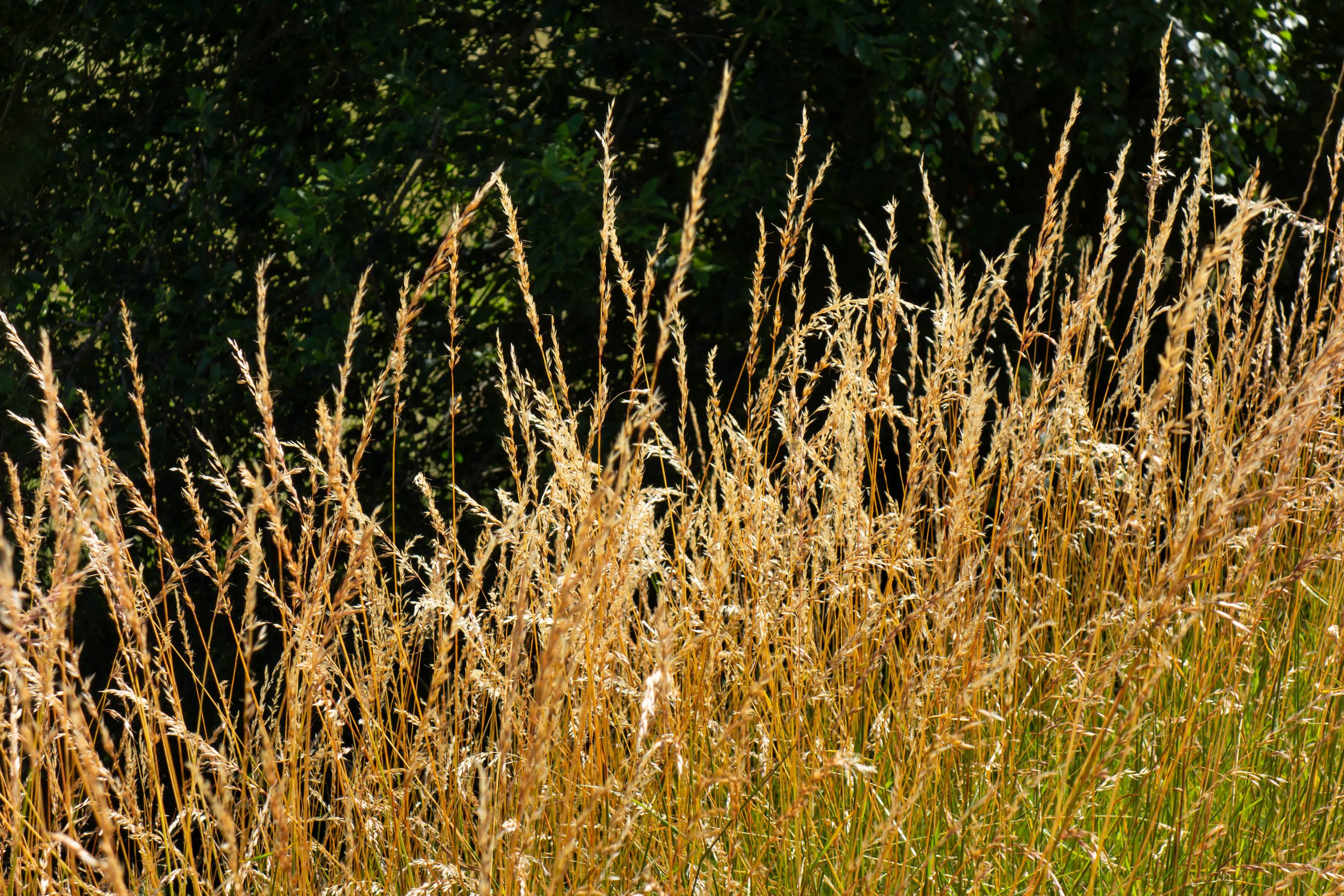
Dead grasses are among the easiest natural tinder materials to find in open fields, woodland edges and dry hillsides. Choose straw-coloured stems that snap cleanly instead of bending, since green or damp grass contains too much moisture. Crush and rub a small bundle between your hands to separate it into fine strands, then shape it into a loose nest with a hollow centre. A bundle about the size of a fist is a useful starting amount, although wind and humidity affect how much is needed. Grass catches quickly but also burns out fast, so have pencil-thin kindling ready before lighting it. Avoid gathering from roadsides or treated land. Store prepared grass in a breathable, dry pouch.
5. Milkweed Down
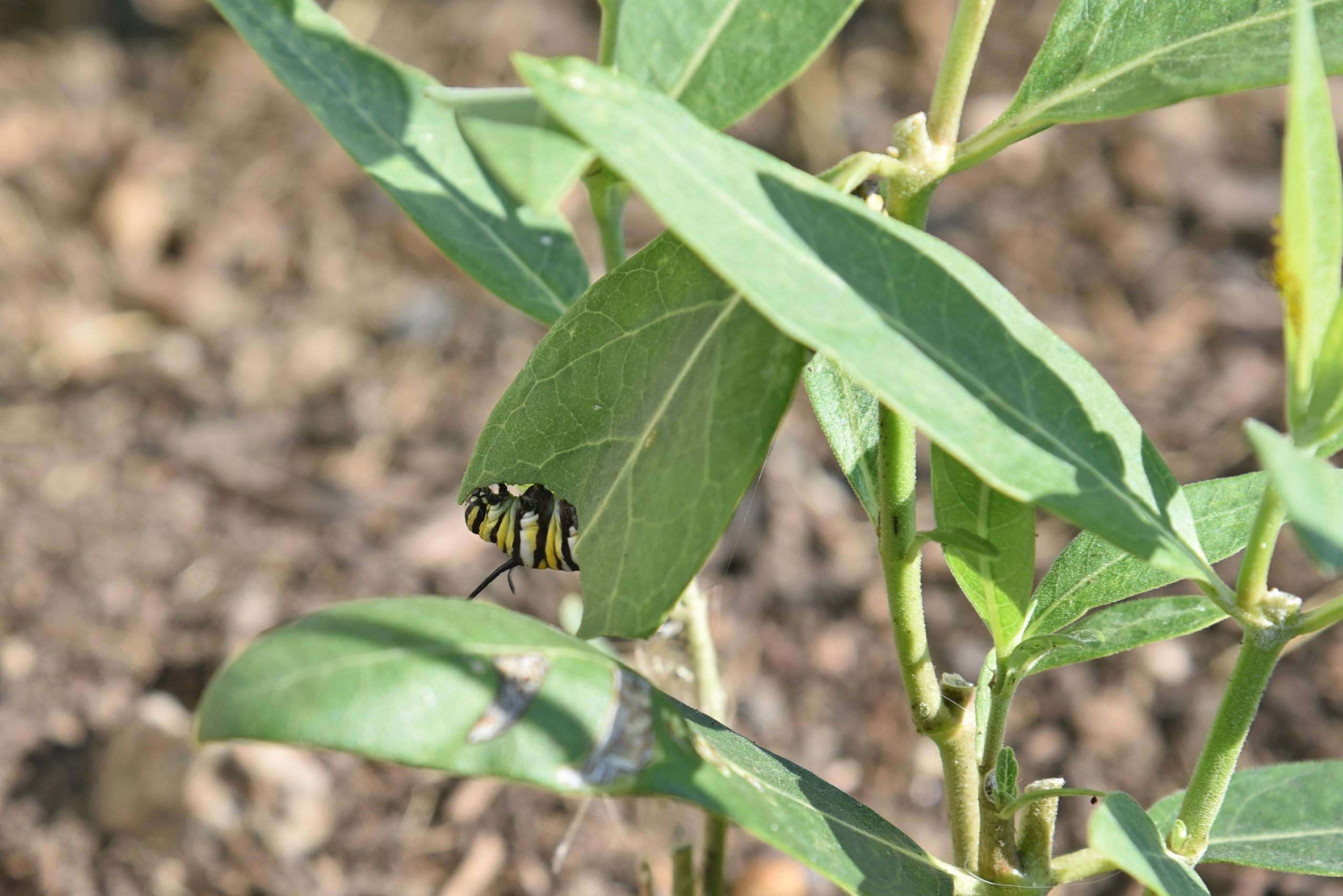
Milkweed plants produce distinctive pods that split when mature, releasing silky fibres attached to flat seeds. The soft down is exceptionally light and can take a flame readily when fully dry, which makes it useful as the centre of a tinder bundle. Its weakness is that it burns away quickly and can scatter in a breeze, so place it inside a cradle of coarser grass or shredded bark. A small pinch is enough to test its usefulness; keep the rest in a dry container for later. Use care when identifying milkweed, because several unrelated plants have similar seed fluff. Do not confuse it with unknown plants or collect in protected areas. A few fibres can be enough when conditions are ideal.
6. Thistle Down
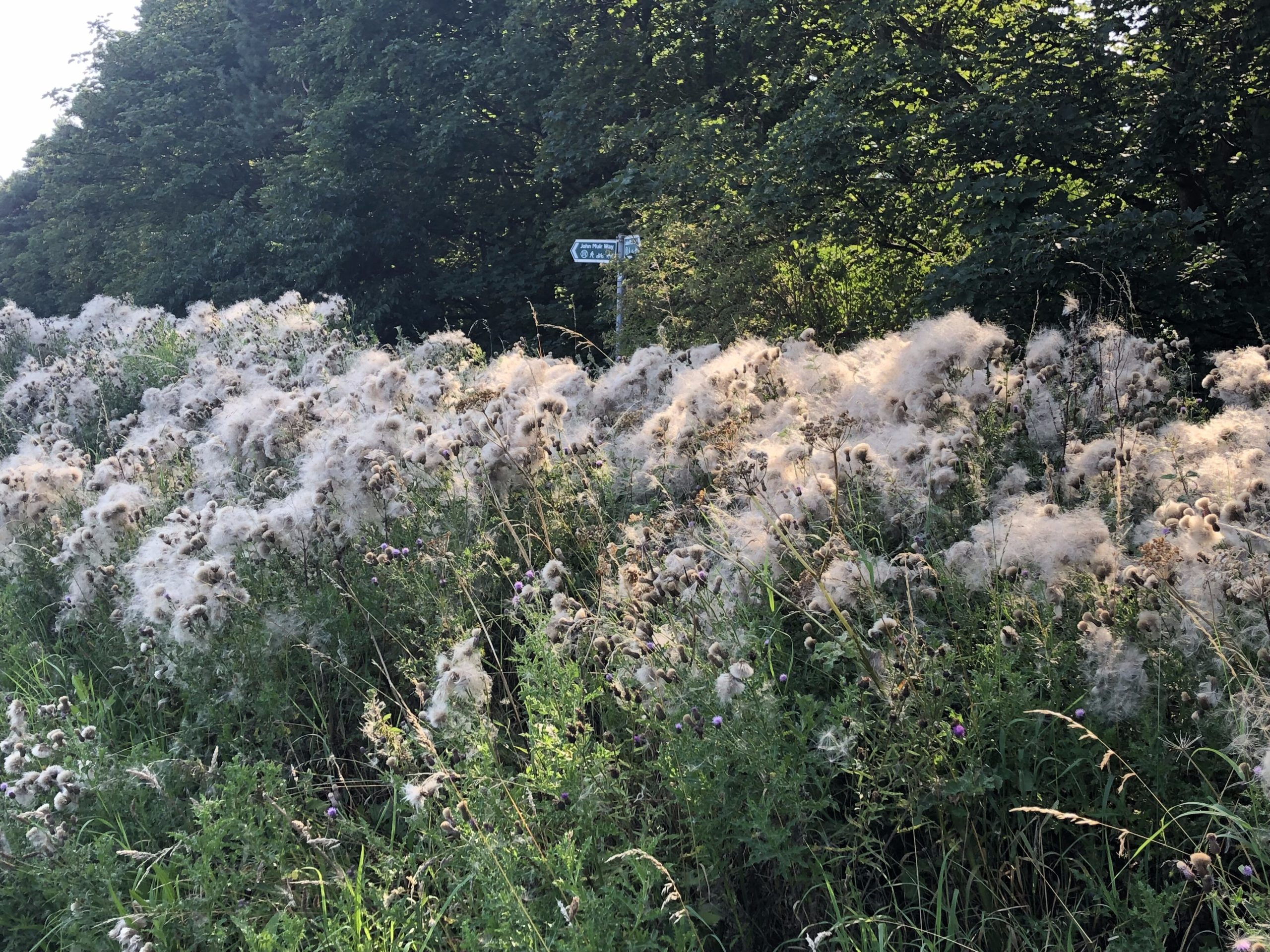
At the end of its flowering cycle, a thistle develops a rounded seed head filled with fine, silky hairs. When the head dries and opens, the wind carries the seeds away, leaving down that can serve as a quick-catching tinder. Gather a small amount from a mature, dry head and gently tease the fibres apart rather than packing them tightly. A loose pinch works best as the centre of a larger nest made from dry grass or bark, because the down alone disappears in seconds. Thistle stems and leaves can be sharply spined, so use gloves and avoid handling the plant carelessly. Confirm the species before collecting. Keep the bundle sheltered until the ignition source is ready.
7. Pine Needles and Resin
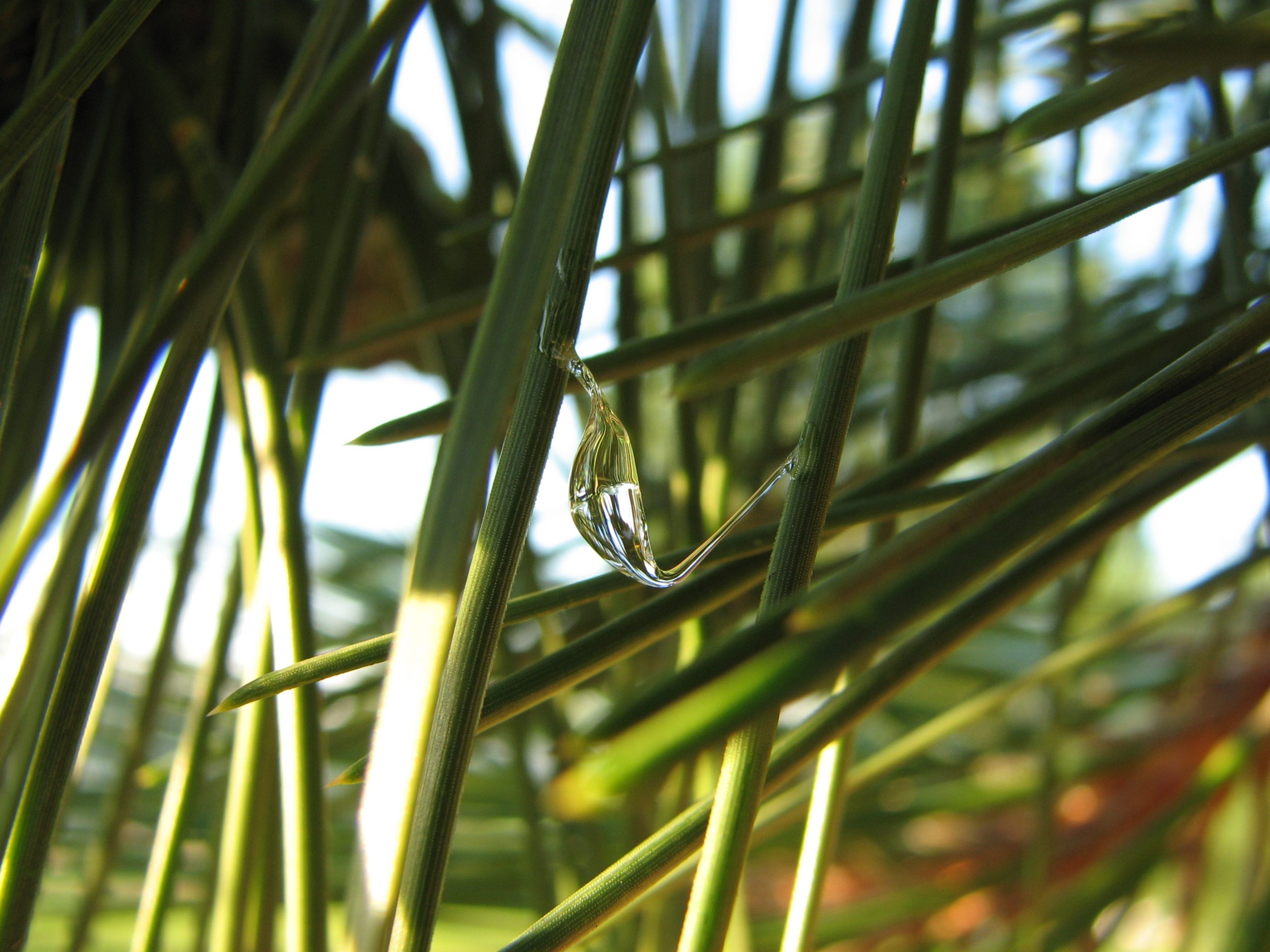
Fallen pine needles can help build a tinder bundle, while naturally hardened resin offers a longer-burning addition. Select brown, thoroughly dry needles and crush a small handful so the pieces loosen and expose more edges. A pea-sized piece of resin from already fallen or broken wood can be placed among coarser tinder; it may help the flame last long enough to catch small kindling. Resin is sticky and can produce heavy smoke, so use only a little and avoid breathing the fumes. Do not cut into a living pine or strip bark to obtain pitch. Keep needles and resin away from sparks until the fire site is prepared. Add the resin sparingly; more is not always better.
8. Yucca Fibres
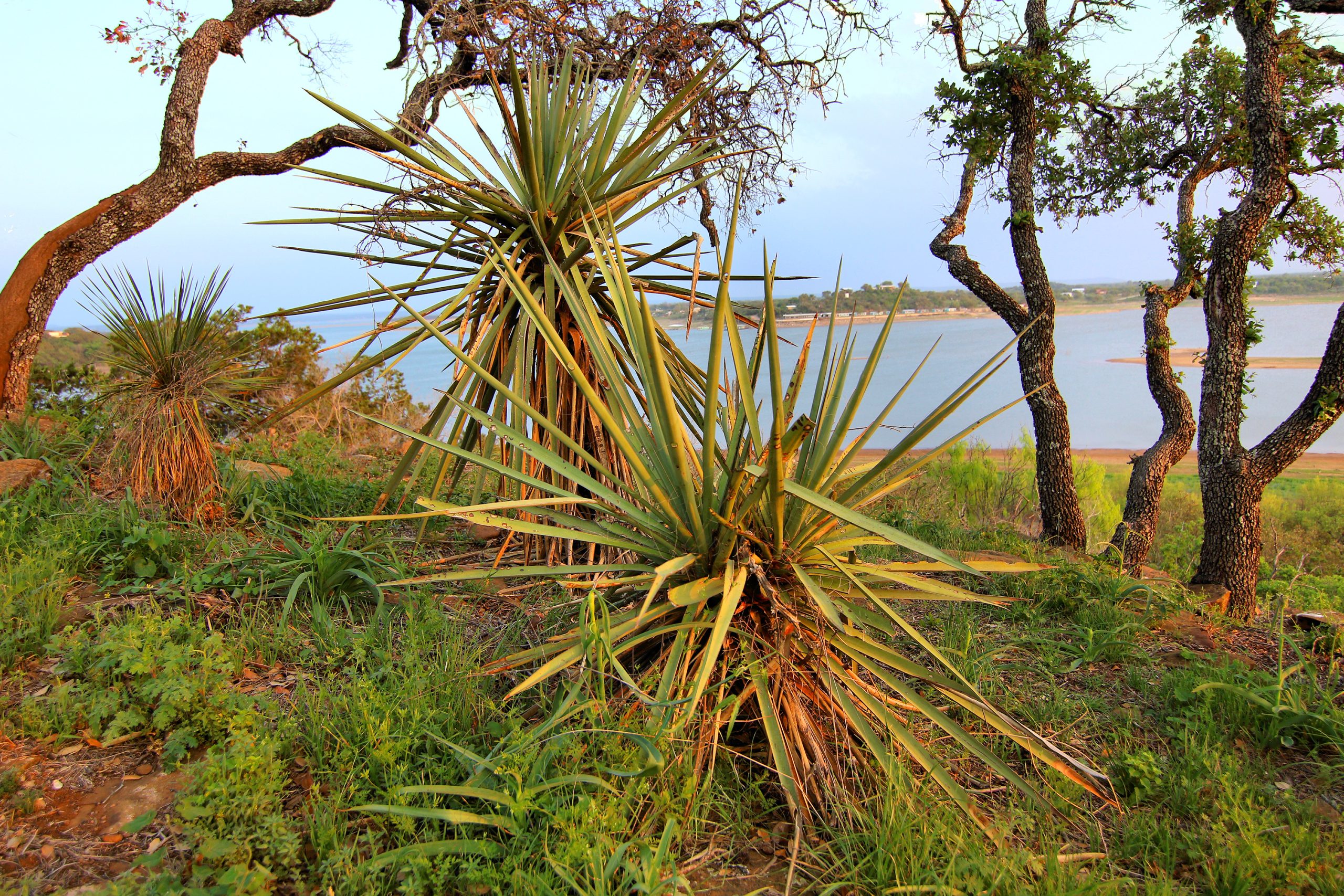
Yucca plants have long, stiff leaves and strong fibres that become more useful for fire preparation when dry. Dead leaf bases and naturally fallen material can be separated into narrow strands, then rubbed or scraped until the fibres become soft and fluffy. This preparation takes more effort than using seed down, but it creates a useful tinder nest when other materials are scarce. Start with a small bundle around the size of your palm and keep some coarser strands intact to help carry the flame. Yucca species vary by region, so identify the plant correctly before collecting. Never cut healthy leaves unnecessarily, and follow local rules in protected landscapes.
9. Dogbane Fibres
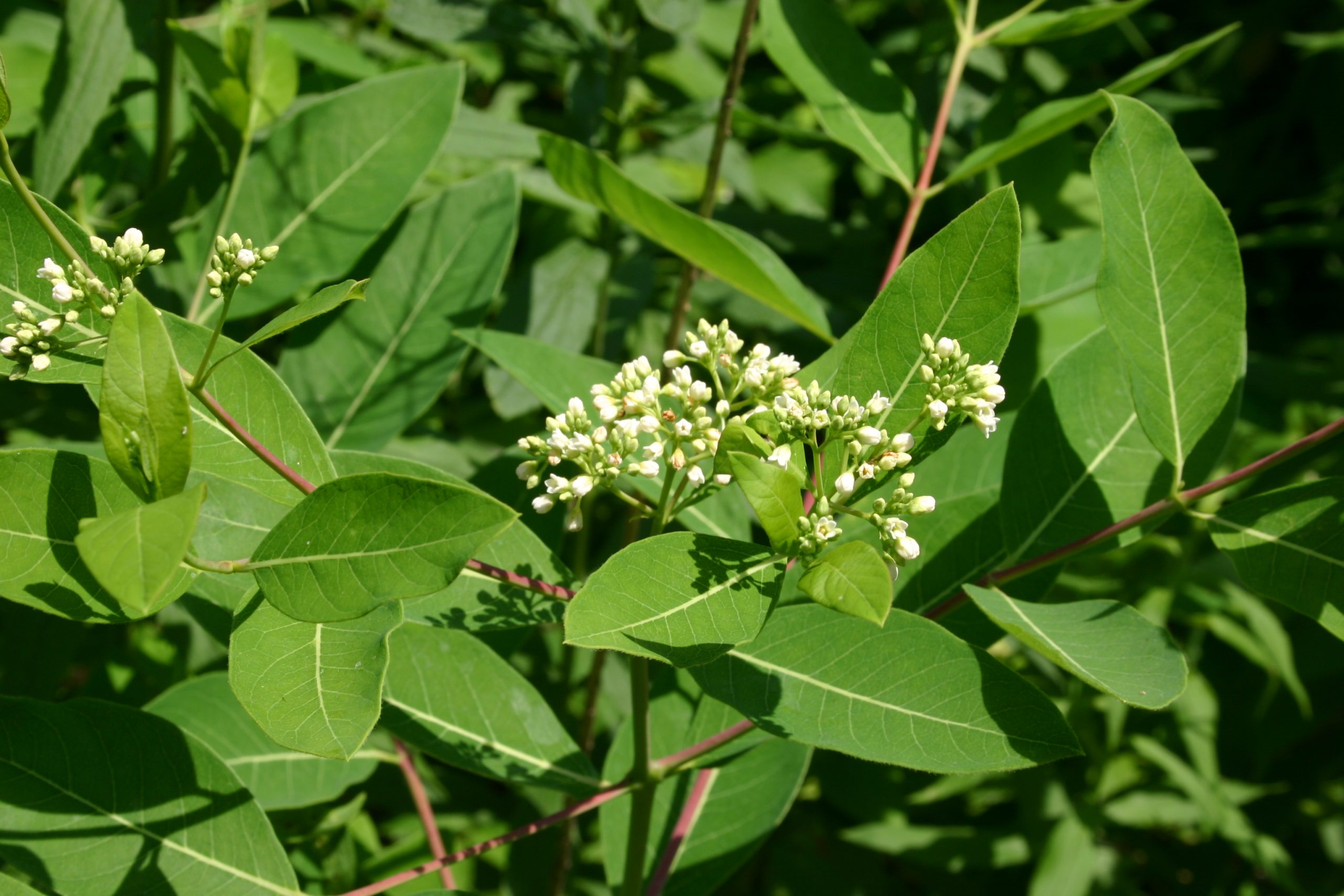
Dogbane is a wild perennial with slender stems that can leave behind useful fibres as they dry and weather. The inner bark of mature, dead stems may be peeled away and worked between the fingers until it separates into fine strands. These fibres are more substantial than seed fluff, making them useful in a tinder bundle that needs a little structure. Use a small handful of prepared material and combine it with finer tinder, such as dry grass, to help a flame establish. Dogbane can be confused with other plants, including poisonous lookalikes, so identification matters. Avoid handling unfamiliar sap or gathering live stems when dead material is available.