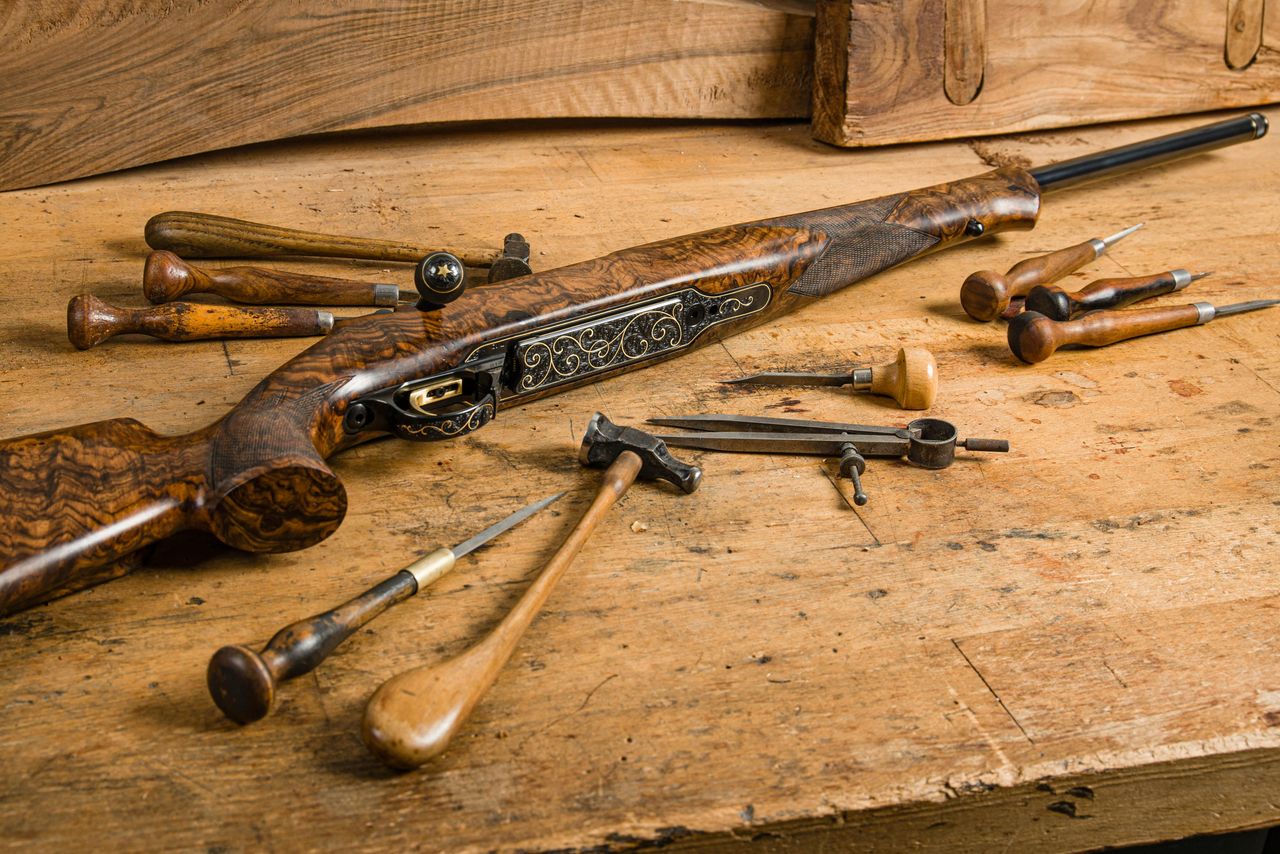
Walther is one of those gunmakers whose ideas kept echoing long after specific models left the spotlight. From police sidearms to movie-famous pocket pistols, the company helped shape how handguns look, feel, and function. These nine pistols tell a bigger story about innovation, concealment, military service, and why certain designs keep showing up in modern firearms.
Walther Model 1
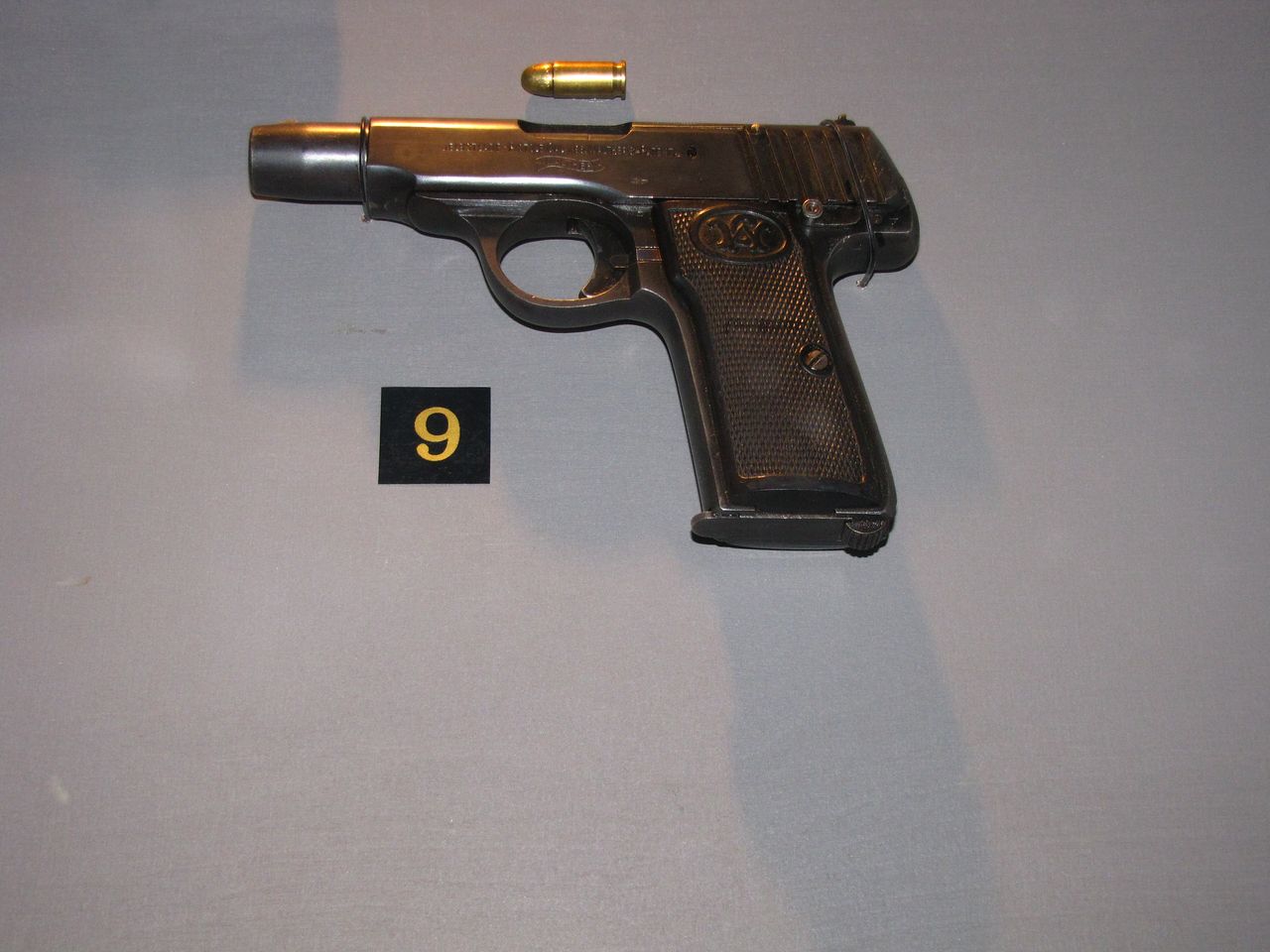
The Walther Model 1 does not usually headline conversations, but it matters because it marks the company’s first successful self-loading pistol. Introduced in the early 20th century, it helped establish Walther as more than a regional arms maker with modest ambitions.
Chambered in 6.35mm Browning, it was compact, simple, and built for a market that wanted personal defense in a small package. That combination sounds ordinary now, but at the time it positioned Walther at the front edge of a rapidly changing handgun world.
Its real legacy is foundational. Without the Model 1 proving Walther could compete in the pocket-pistol arena, many of the company’s later breakthroughs might never have moved beyond the drawing board.
Walther PP
The Walther PP, short for Polizeipistole, changed the conversation around police sidearms. Debuting in 1929, it brought together a double-action trigger, practical safety features, and manageable size in a way that felt modern to law enforcement agencies.
Today, double-action autos seem familiar, but the PP helped normalize that format for uniformed carry. It gave officers a pistol that could be carried with a round chambered while still offering a deliberate first trigger pull, which many departments saw as a meaningful safety advantage.
Its influence spread far beyond Germany. The PP became a reference point for service and civilian handguns alike, proving that compact dimensions did not have to mean compromised sophistication.
Walther PPK
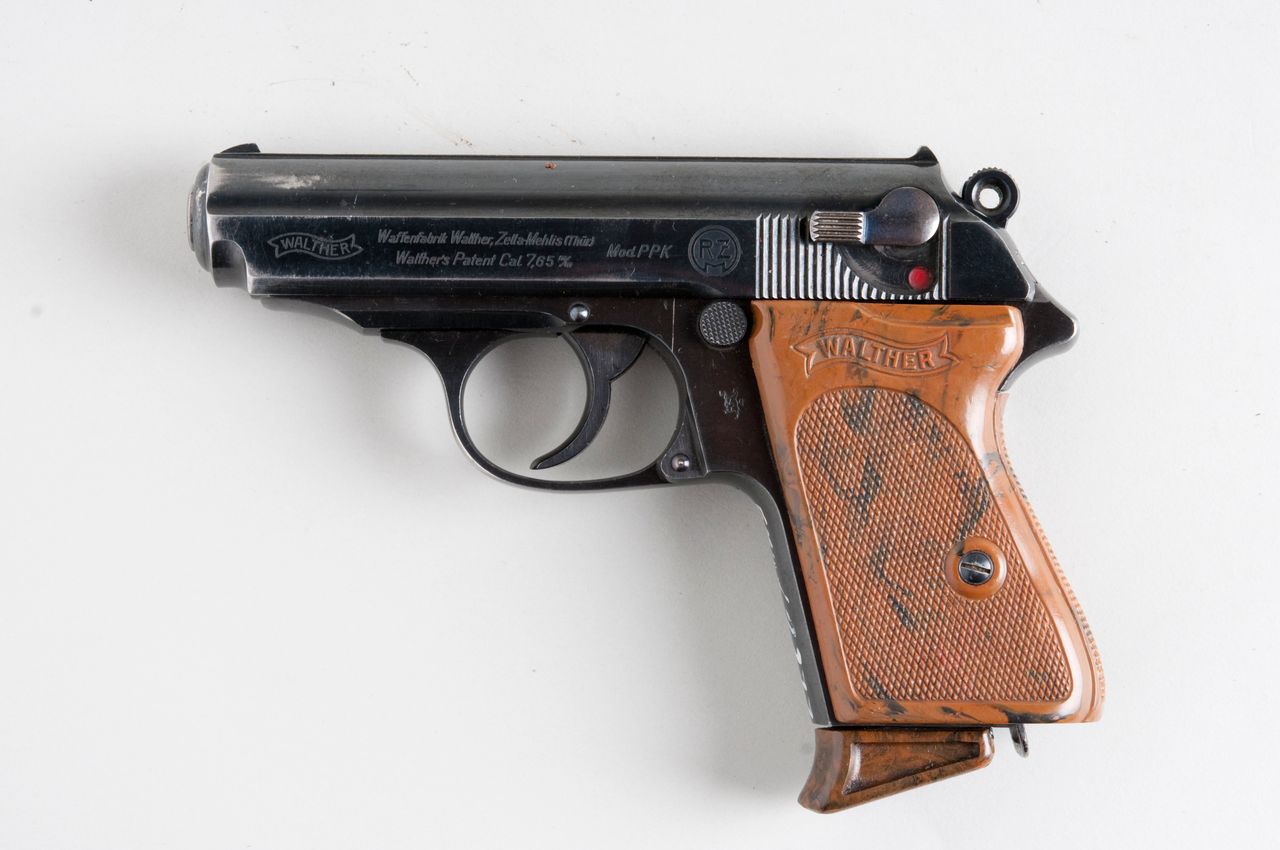
Few pistols have a cultural footprint as large as the Walther PPK. Introduced as a shorter, more concealable variant of the PP, it became one of the defining pocket pistols of the 20th century, balancing sleek lines with serious defensive credibility.
Its fame, of course, exploded in popular culture through the James Bond films, where it became shorthand for cool professionalism. That visibility gave the PPK a second life far beyond the gun counter, turning it into one of the most recognizable handguns ever made.
But the legacy is not just cinematic. The PPK helped define what many people expected from a discreet carry pistol: compact size, reliable operation, and enough refinement to feel timeless rather than merely convenient.
Walther P38
The Walther P38 deserves far more credit than it usually gets outside serious firearms history circles. Adopted by the German military before World War II, it introduced a locked-breech 9mm service pistol with a double-action trigger system that would influence generations of duty handguns.
In practical terms, the P38 pointed toward the future. It offered a safer and more flexible manual of arms than many single-action military pistols of its era, and its engineering showed how a full-size service sidearm could evolve without losing battlefield usefulness.
After the war, designers around the world studied what the P38 got right. Its operating concepts and trigger format left fingerprints on countless later service pistols, including many that outlived it in active use.
Walther P5
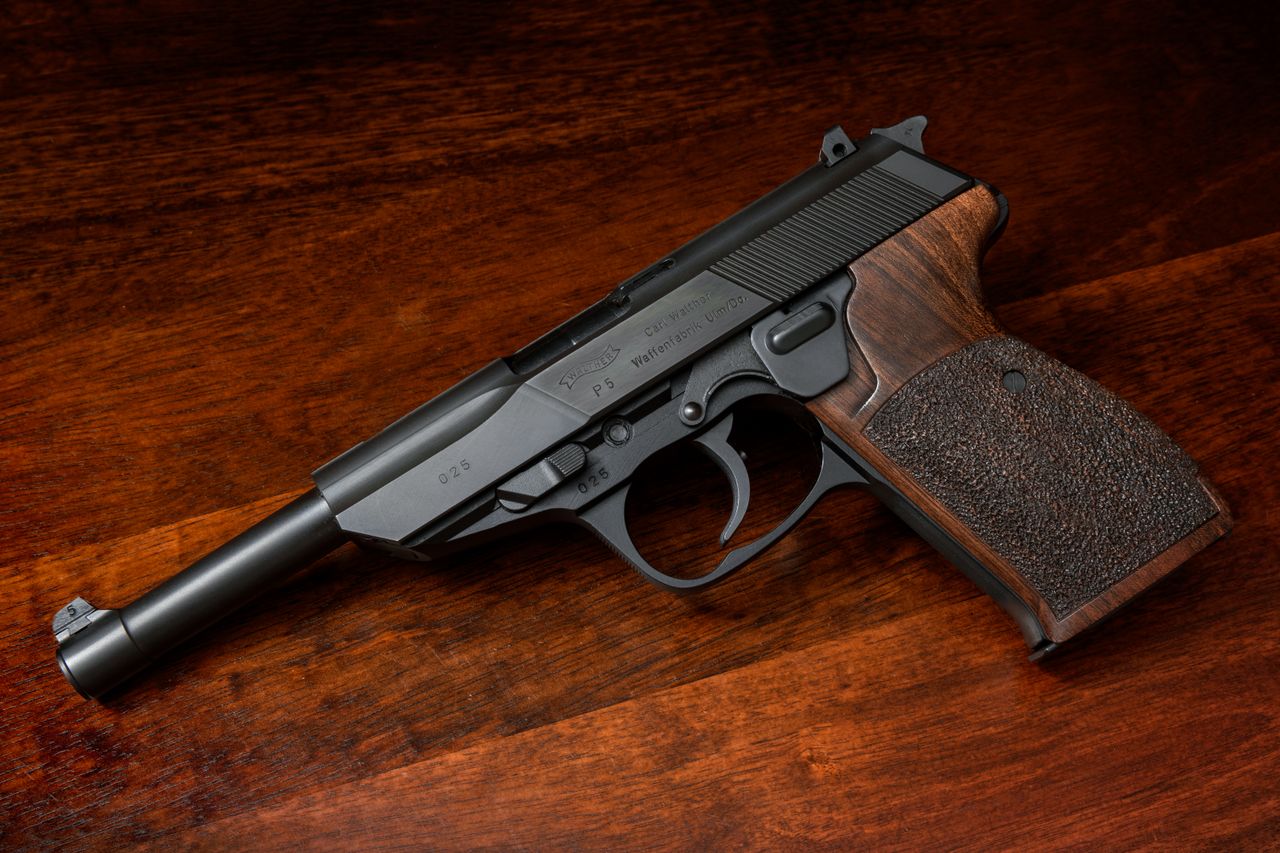
The Walther P5 arrived in the postwar era looking like a bridge between tradition and modern service requirements. While it never dominated the global market, it represented Walther refining the P38 concept for police users who wanted contemporary ergonomics and trusted double-action handling.
Its clean profile, improved controls, and unusual left-side ejection made it stand out in a crowded field. The P5 also showed how European police pistol design was responding to changing training standards, carry methods, and expectations around safe readiness.
Legacy is not always about blockbuster sales. Sometimes it is about preserving a design philosophy at a moment of transition, and the P5 captured that role better than most of its better-known competitors.
Walther P88
The Walther P88 often gets remembered as an elegant also-ran, but that undersells its significance. Introduced in the late 1980s, it was Walther’s ambitious attempt to compete in the high-capacity 9mm service pistol race with a design that emphasized precision, fit, and premium execution.
It entered a market already shifting fast, with polymer frames and simpler production methods beginning to change the economics of handgun design. Even so, the P88 showed that Walther could build a thoroughly modern combat pistol without abandoning the company’s reputation for mechanical refinement.
Its long-term legacy is subtle but real. The P88 proved Walther was willing to rethink its identity, and that experimentation helped pave the way for the brand’s later reinvention in the striker-fired era.
Walther P99
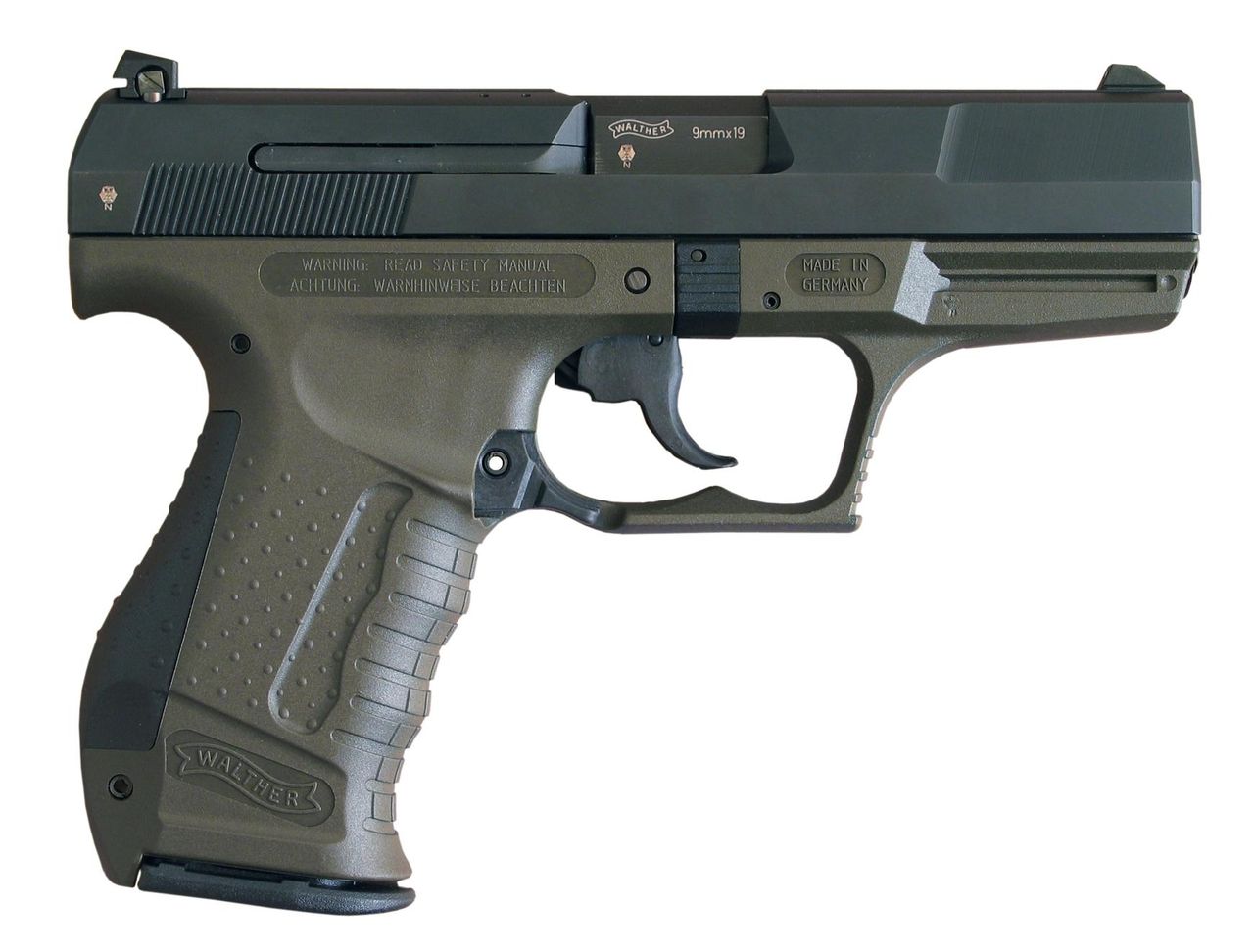
If one modern Walther truly changed the company’s trajectory, it was the P99. Released in the 1990s, it brought a polymer frame, interchangeable backstraps, and forward-looking ergonomics at a time when many shooters were still deciding how the future of duty pistols should feel.
The P99 mattered because it was not just Walther catching up. In several ways, it was ahead. Its grip design, trigger variants, and overall handling earned a loyal following among police users and enthusiasts who wanted something more distinctive than the dominant Austrian formula.
It also carried major pop culture visibility, again appearing in Bond-era cinema. More importantly, it restored Walther’s reputation as a company capable of shaping modern handgun trends instead of simply honoring its past.
Walther PPS
The Walther PPS arrived before the single-stack concealed-carry boom had fully matured, which is one reason its importance gets overlooked. Slim, practical, and designed for everyday carry, it anticipated a huge market shift toward flat, easily hidden defensive pistols.
What made the PPS stand out was that it felt like a serious fighting handgun, not a compromise piece. It offered better shootability than many tiny pocket guns while staying narrow enough for inside-the-waistband carry, a balance countless later designs would chase.
In hindsight, the PPS looks prophetic. It helped prove there was a large audience for thin, reliable 9mm carry pistols that still delivered serviceable sights, controllability, and confidence on the range.
Walther PPQ
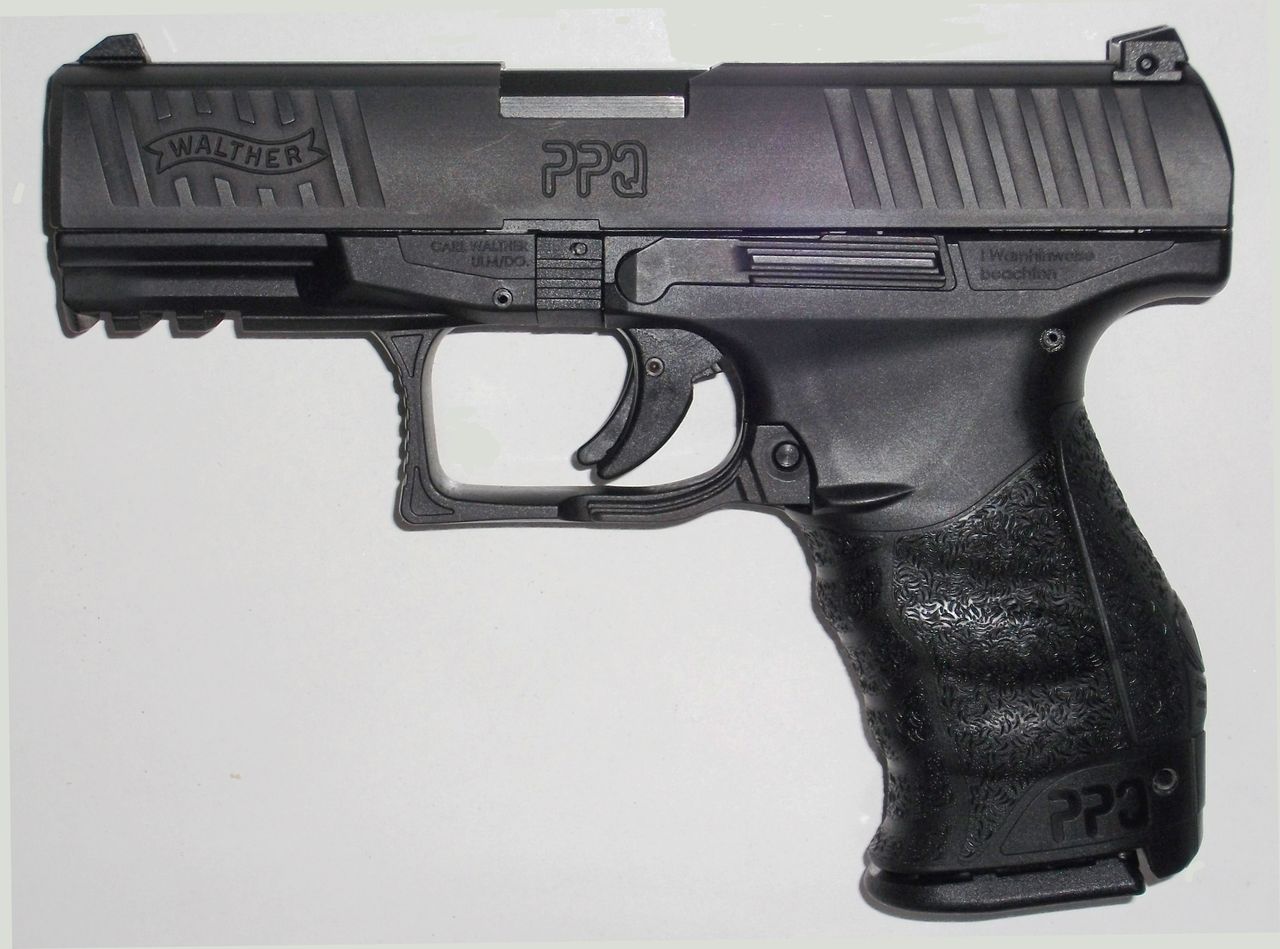
The Walther PPQ built its reputation on one thing shooters immediately noticed: the trigger. In an era crowded with striker-fired pistols that often felt utilitarian, the PPQ delivered a crisp, fast, surprisingly refined shooting experience that won praise almost as soon as people tried it.
That matters because influence is not always about inventing a category. Sometimes it is about raising expectations inside one. The PPQ helped push the idea that a polymer duty or defense pistol could offer excellent ergonomics and a trigger people genuinely enjoyed using.
For many enthusiasts, the PPQ became the pistol that made them look at Walther differently. It was a reminder that user comfort, shootability, and detail work could still set a handgun apart in a very crowded market.