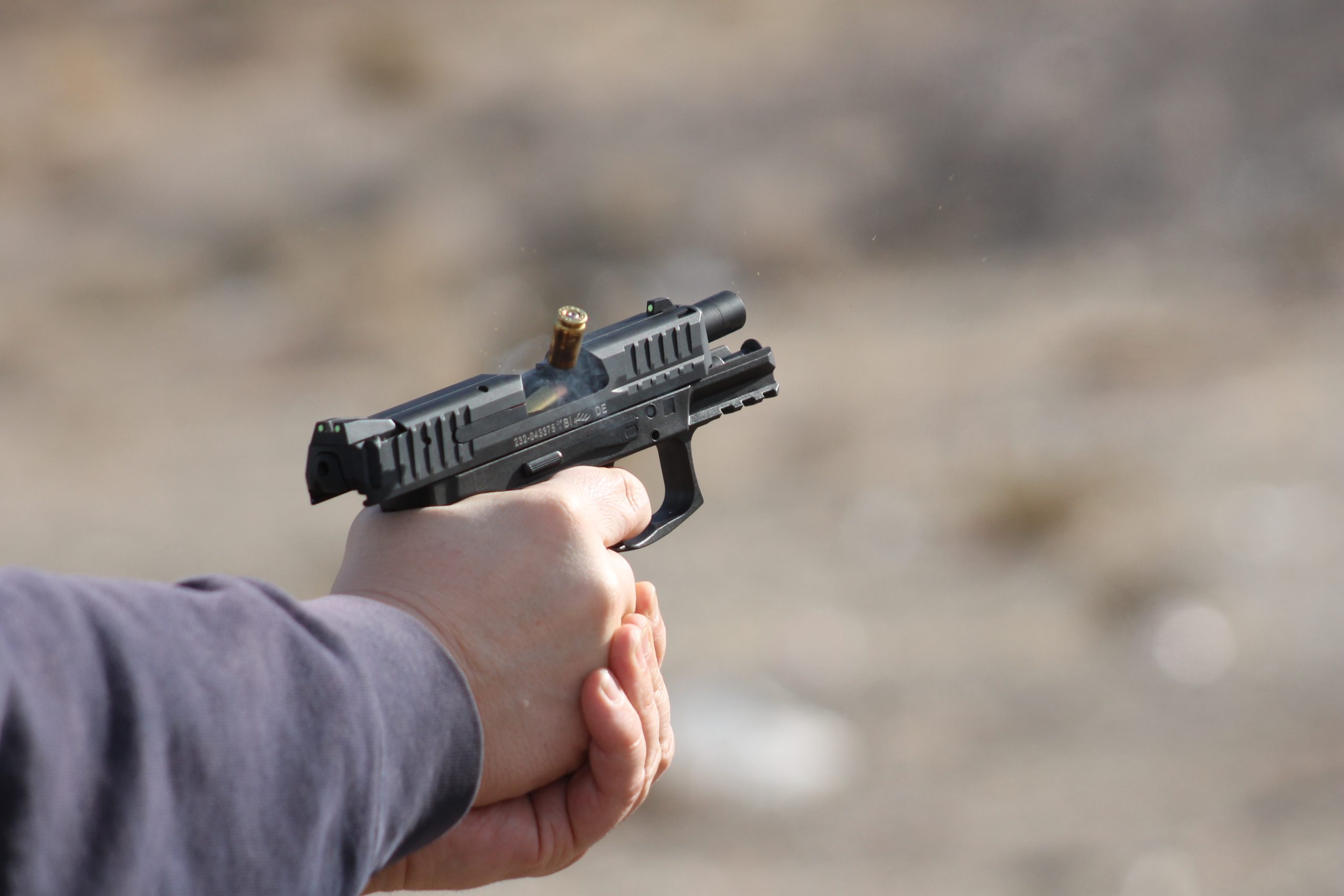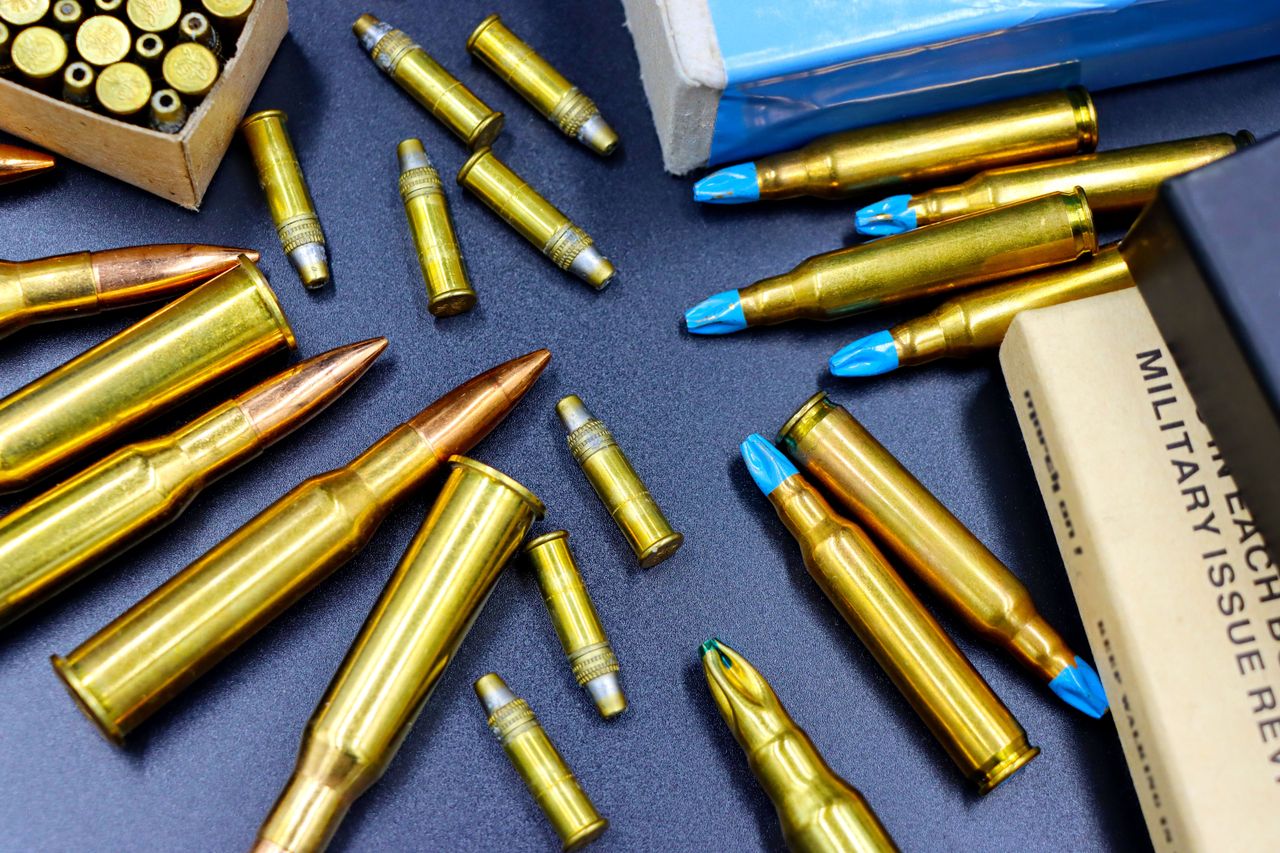
Budget rifles attract strong opinions, and PSA AR-15s are often at the center of that debate. But after a full year of ownership, many shooters come away with a more grounded view shaped by actual range sessions, cleaning benches, and parts swaps. These are the realities owners tend to notice firsthand, including a few points skeptics rarely give enough credit.
It usually runs better than critics predict
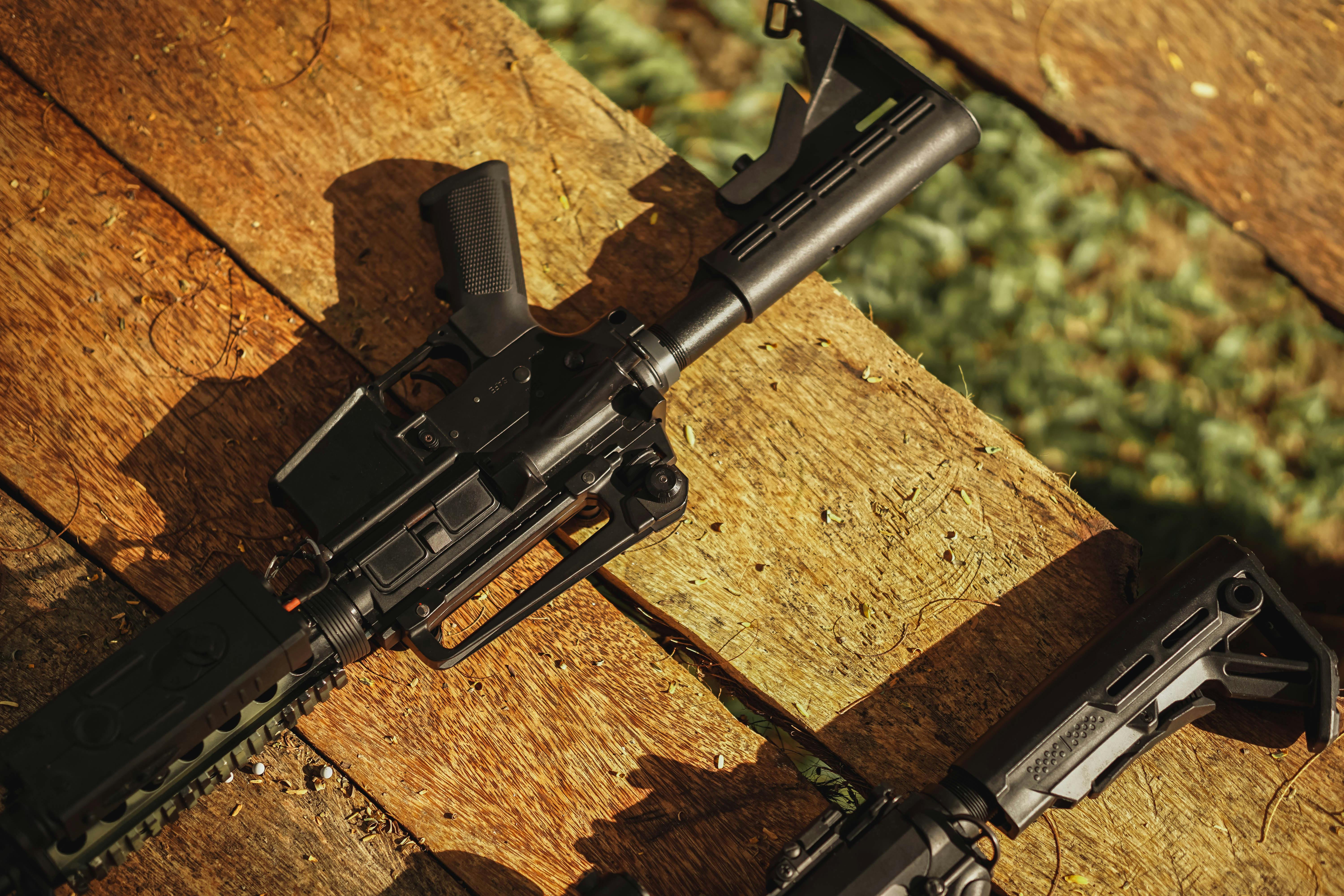
A lot of first-year PSA owners expect to spend months chasing malfunctions because that is what online skeptics often imply. Then they put a few hundred or a few thousand rounds through the rifle and discover that basic reliability is often more ordinary than dramatic. It is not magic, but it is also not the constant headache some people forecast.
That experience tends to reset expectations. Owners learn that proper lubrication, decent magazines, and quality ammo matter far more than brand snobbery in many real-world range sessions. Once the rifle proves it can get through repeated outings without drama, the conversation shifts from internet assumptions to what actually happens on the firing line.
The accuracy is more than usable

Many buyers go into year one thinking a PSA rifle will be fine only for casual plinking. What surprises them is that practical accuracy often turns out to be completely respectable for range work, training drills, and common sporting uses. The rifle may not be a boutique precision build, but that is a different standard altogether.
After enough time behind the trigger, owners start judging the rifle by groups on paper instead of by assumptions attached to its price tag. For many, the result is a simple realization: with suitable ammunition and a steady shooter, these rifles can produce results that satisfy far more people than skeptics are willing to admit.
Ammo and magazines matter more than the roll mark
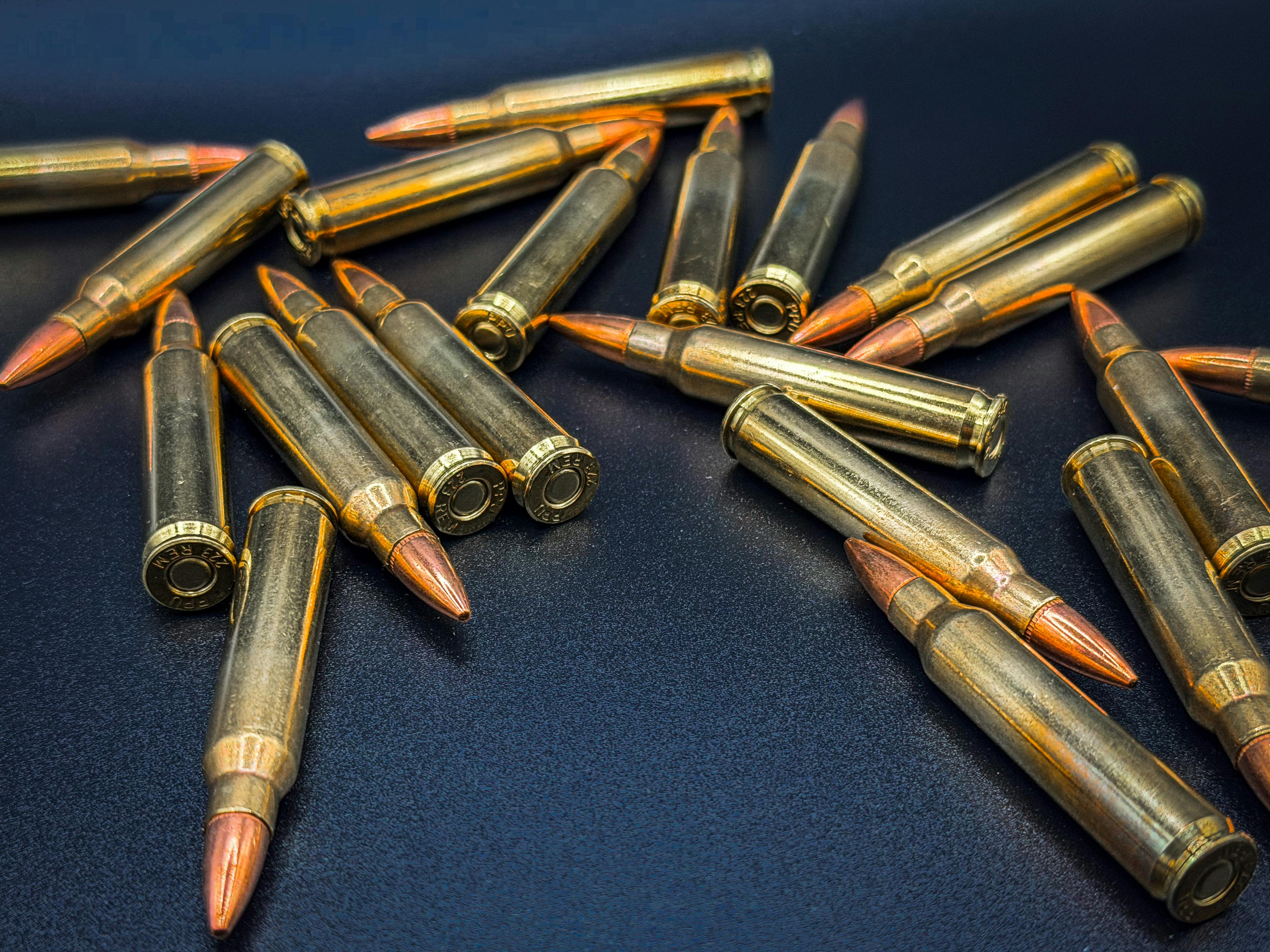
One of the first practical lessons owners learn is that the rifle itself is only part of the equation. A cheap magazine, inconsistent ammo, or dry bolt carrier can create issues that unfairly get blamed on the name stamped on the lower. After enough sessions, patterns become pretty obvious.
That kind of experience makes owners more analytical and less tribal. They start separating magazine problems from rifle problems and weak ammunition from actual mechanical faults. Skeptics often frame the discussion as if the logo explains everything, but first-year owners usually discover that the supporting gear has an enormous influence on how any AR-15 behaves.
Upgrades can happen gradually

A common first-year discovery is that a PSA rifle does not have to remain frozen in its original form. Owners often start with a basic setup, then slowly add a better trigger, optic, sling, or handguard as their preferences become clearer. That step-by-step path feels financially realistic in a way many shooters appreciate.
Instead of paying premium money up front for features they may not fully understand yet, they learn as they go. Over a year, the rifle becomes more personalized and more useful without requiring one big purchase. Skeptics sometimes dismiss that modular path, but it is exactly what makes the AR-15 platform practical for a broad range of owners.
Training exposes the shooter more than the rifle

After the first few classes or serious practice sessions, many owners have a humbling realization. Misses, slow reloads, and awkward manipulations usually come from the person behind the gun, not from the PSA logo on the receiver. Time on the clock has a way of stripping excuses down to the essentials.
That lesson changes the way people talk about equipment. Once owners see how much skill, repetition, and familiarity matter, they become less obsessed with status and more focused on fundamentals. Skeptics often argue from the catalog page, but training tends to remind people that performance is shaped heavily by the shooter long before price alone decides the outcome.
Wear patterns tell a calmer story than online arguments

Spend a year with one rifle and the conversation becomes less abstract. Owners inspect bolts, gas rings, extractors, finish wear, and screws over time, and what they often find is not catastrophe but normal use. The rifle begins to feel like a machine with understandable maintenance needs rather than an object of constant suspicion.
That perspective is hard to gain from comment sections alone. Routine wear teaches owners what actually deserves attention and what simply looks dramatic in close-up photos. Skeptics may treat every mark as proof of looming failure, but many first-year users discover that ordinary maintenance and inspection go a long way toward keeping things uneventful.
Value leaves room for more range time
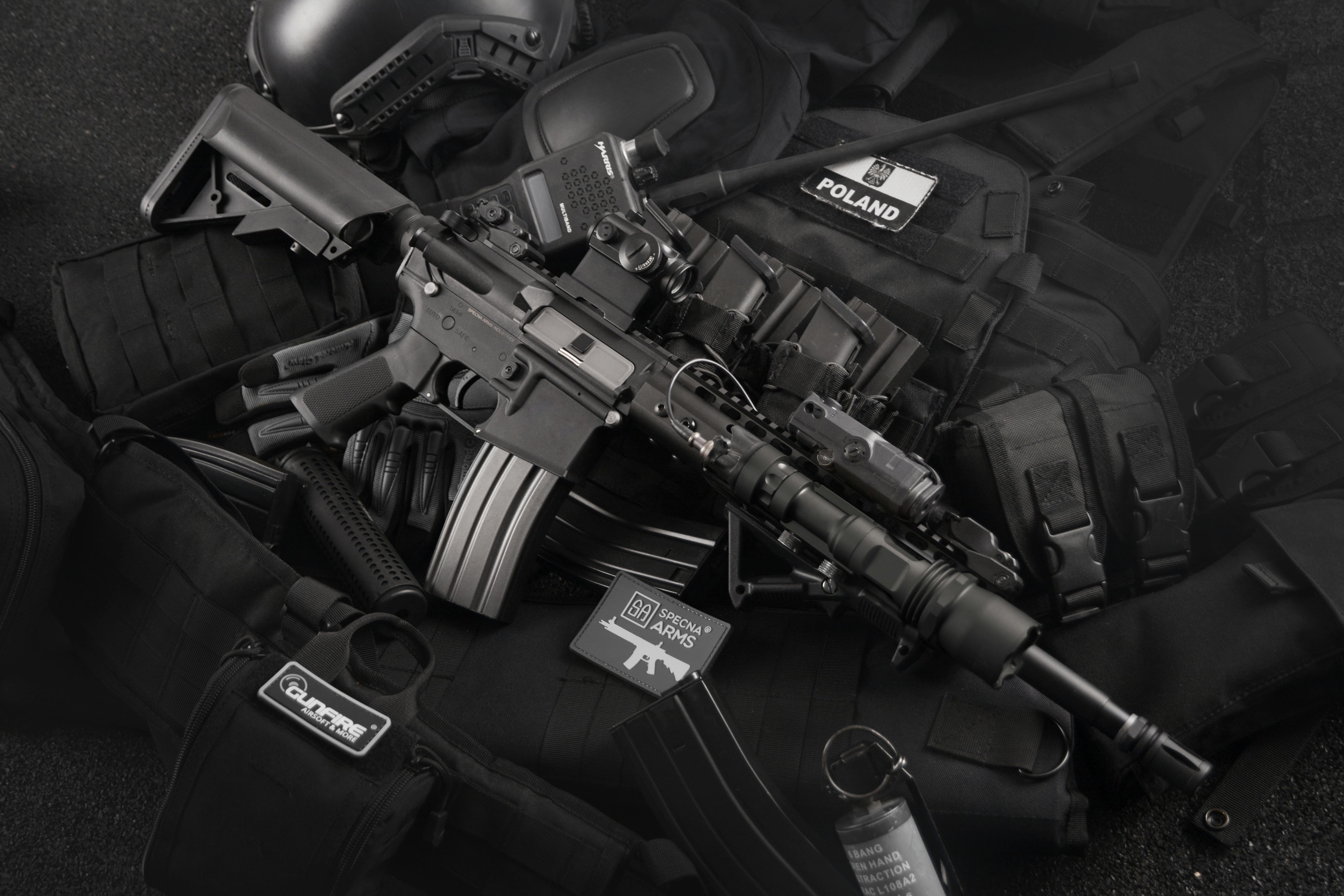
One understated advantage of a budget-friendly rifle is what the owner can still afford after the purchase. Extra magazines, ammunition, a class fee, a case, and a decent optic all compete for the same dollars. PSA owners often realize that saving money on the rifle itself can make the rest of the shooting year more productive.
That matters because trigger time is what builds confidence. A more expensive rifle that limits ammo purchases may offer bragging rights, but it does not automatically create a better-trained owner. Skeptics rarely acknowledge how often value translates into more practice, and more practice usually pays larger dividends than prestige alone.
Most owners become less defensive over time

At first, some buyers feel like they need to justify the purchase to everyone. After a year, that insecurity often fades because the rifle has already answered the important questions through actual use. If it has run well, grouped acceptably, and handled regular outings without complaint, the owner tends to relax.
That shift is telling. People who live with their gear usually become less interested in winning online debates and more interested in enjoying the hobby. Skeptics often assume budget buyers are coping, but many first-year owners simply become more confident because their opinions are now based on direct experience instead of secondhand reputation.
The price point brought more people into the platform
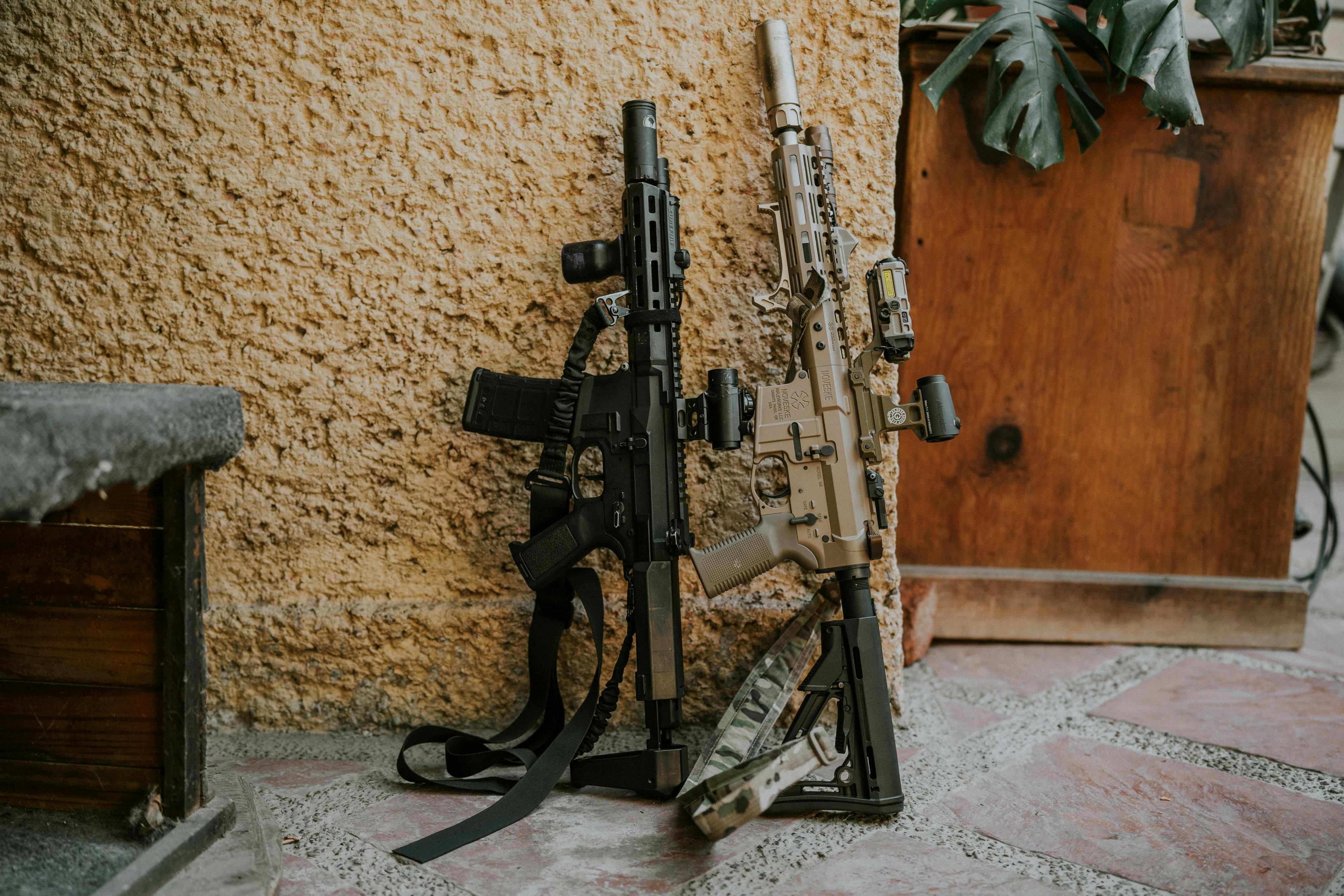
Perhaps the biggest thing first-year PSA owners notice is how often affordability opened the door in the first place. For many households, a lower entry cost made it possible to own an AR-15, learn the manual of arms, and participate in the broader shooting culture without waiting years for a premium build.
That broader access is easy to sneer at, but it has real consequences. More people get familiar with safe handling, maintenance, and responsible ownership when the barrier to entry is not so high. Skeptics may focus on hierarchy, yet many owners see the simpler truth: an attainable rifle often becomes the one that actually gets bought, used, and learned.