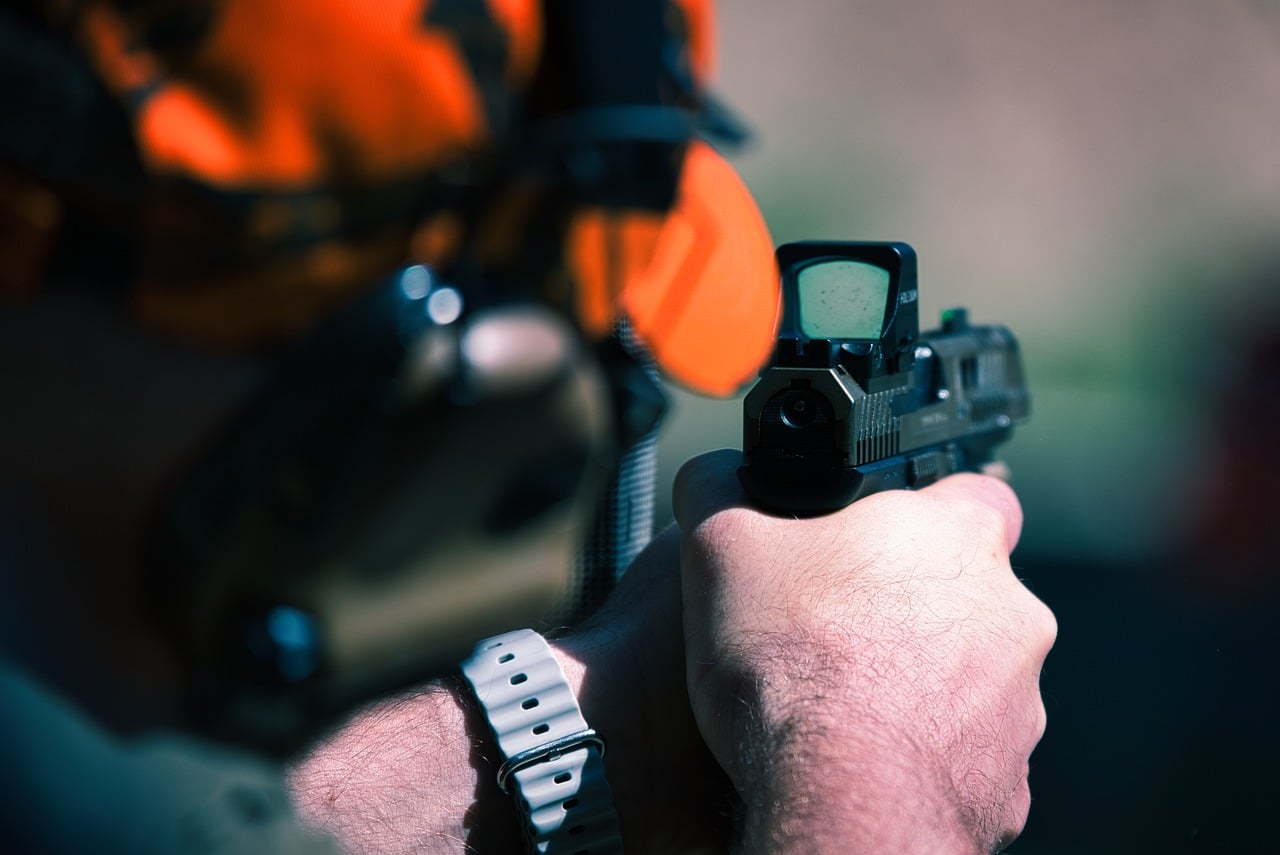
The Sig P365 XMACRO arrived with a simple but disruptive idea: a compact pistol did not have to feel compromised. By blending shootability, capacity, and carry-friendly proportions, it quickly changed the conversation around what people expected from an everyday handgun. This gallery looks at the details that made it stand out and why so many shooters saw it as a category shift rather than just another model launch.
It Packed Full-Size Capacity Into a Slim Footprint
For years, compact handguns usually asked shooters to pick a lane. You could have a slim pistol that hid easily, or a higher-capacity gun that felt chunkier on the belt and in the hand. The P365 XMACRO made that trade-off feel less inevitable.
Its headline appeal was simple and instantly understandable: a notably slim handgun with magazine capacity that sounded more like something from a larger class. That changed how people talked about daily carry, because capacity stopped feeling like the first sacrifice.
What made this matter is that capacity was not added with a dramatic jump in bulk. The result was a pistol that felt like it was cheating the old size rules, and that is exactly why it drew so much attention.
The Grip Finally Felt Like a Real Fighting Gun

One of the biggest knocks on many micro-compacts has always been the grip. They disappear well, but they can leave larger hands hanging off the frame and make fast follow-up shots feel a little less natural than they should. The XMACRO tackled that complaint head-on.
Its longer grip gave shooters a fuller, more confident purchase without moving the gun into obvious duty-pistol territory. That extra real estate matters more than specs alone suggest, especially when drawing quickly or shooting under pressure.
The result is a pistol that feels less like a tiny gun stretched to its limits and more like a serious compact built for control. That shift in feel helped redefine the category in practical, hands-on terms.
A Longer Slide Helped It Shoot Bigger Than It Looked
Compact pistols often win the size contest and lose a little ground on shootability. Shorter slides can mean snappier recoil, quicker muzzle rise, and a sight picture that feels less forgiving, especially for newer shooters. The XMACRO pushed back against that familiar pattern.
By using a longer slide than the smallest guns in the P365 family, it gained a steadier, more planted shooting character. That does not turn it into a heavy service pistol, but it does smooth out the experience in a way many shooters notice right away.
This is one of the reasons the gun earned praise beyond simple concealment. It managed to feel like a compact that wanted to be shot often, not merely carried conveniently.
The Integrated Compensator Changed Expectations

One of the most talked-about versions of the XMACRO came with an integrated compensator, and that feature gave the pistol a distinctly modern edge. It was the kind of spec usually associated with custom builds or enthusiast-focused upgrades, not mainstream carry guns.
By venting gases upward, the design aimed to reduce muzzle rise and keep the gun flatter during rapid strings. For many shooters, that translated into a pistol that felt unusually composed for its size, especially when compared with snappier compact competitors.
More important, it normalized the idea that carry guns could include performance-minded features straight from the factory. That helped move the whole compact market forward and raised expectations for what buyers could reasonably demand.
It Was Built for Optics From the Start
The rise of red-dot-ready pistols has changed the handgun market, but early optics support often felt like an added feature rather than a core design principle. With the XMACRO, optics readiness felt fully baked into the concept from day one.
That matters because more shooters now expect a carry gun to accommodate a miniature optic without awkward workarounds. A slide cut that welcomes popular red dots makes the pistol feel current, adaptable, and ready for how people actually train today.
The practical effect is bigger than a single accessory. It signals that compact guns are no longer entry-level compromises, but serious platforms that can support the same aiming technology people once associated mostly with larger defensive handguns.
Accessory Rail Utility Came Without Awkward Bulk

A usable accessory rail may not sound glamorous, but it says a lot about how a pistol fits into real life. Lights have become increasingly common on defensive handguns, yet adding rail space on smaller frames has often meant awkward proportions or limited compatibility.
The XMACRO made room for practical accessories while preserving a trim, balanced profile. That gave owners more flexibility without making the pistol feel like a compact gun wearing oversized gear it was never meant to carry.
In a broader sense, the rail reinforced the XMACRO’s identity as an everyday tool rather than a stripped-down backup option. It was another signal that compact no longer had to mean basic, compromised, or behind the curve.
Its Modular Platform Added Extra Appeal

Part of the XMACRO’s strength came from being more than a single isolated pistol. It lived within the broader P365 ecosystem, which already had a reputation for modularity and parts interchangeability that appealed to both casual owners and dedicated tinkerers.
That meant buyers were not just choosing a gun. They were buying into a platform with different grip modules, slides, magazines, and configurations that could evolve with preferences over time. In today’s market, that kind of flexibility carries real weight.
The XMACRO benefited because it felt future-friendly instead of locked into one rigid identity. For many people, that made the purchase easier to justify and helped the model stand out in a crowded field of otherwise fixed-format compact pistols.
Concealment Stayed Surprisingly Easy
A lot of handguns become less magical the moment they are worn all day. Specs can look promising on paper, but comfort, printing, and daily movement reveal the truth fast. The XMACRO succeeded because it stretched capability without fully abandoning concealability.
Its profile remained slim enough that many carriers found it easier to hide than thicker double-stack alternatives. Even with the increased grip length, it still occupied a sweet spot that worked for people who wanted more gun without feeling obviously over-equipped.
That balance is the heart of the XMACRO story. It did not erase concealment concerns entirely, but it made the size-to-performance equation look much better than many shooters thought a compact pistol could manage.
Range Performance Backed Up the Hype
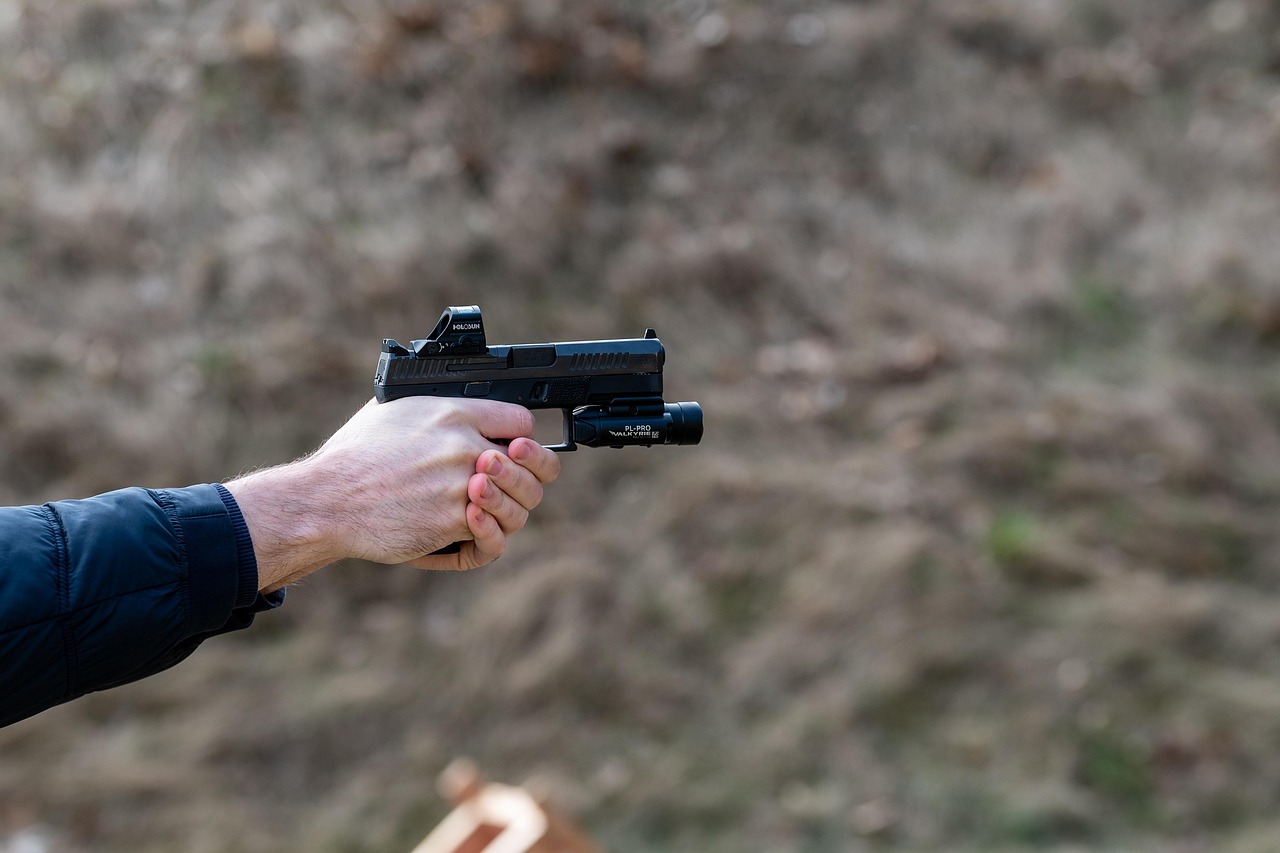
Plenty of new pistols win attention with launch buzz, clever marketing, or feature lists that look fantastic in product photos. The XMACRO gained staying power because many shooters found that it actually delivered where it counts: on the range.
The combination of grip size, capacity, controllability, and modern features made it feel approachable to newer users and genuinely interesting to experienced ones. That broad appeal is hard to manufacture, because performance impressions spread quickly through classes, rental counters, and word of mouth.
When a carry gun is pleasant enough to train with regularly, it becomes more than a convenient purchase. The XMACRO earned its reputation by making practice feel less like obligation and more like confirmation that the concept really worked.