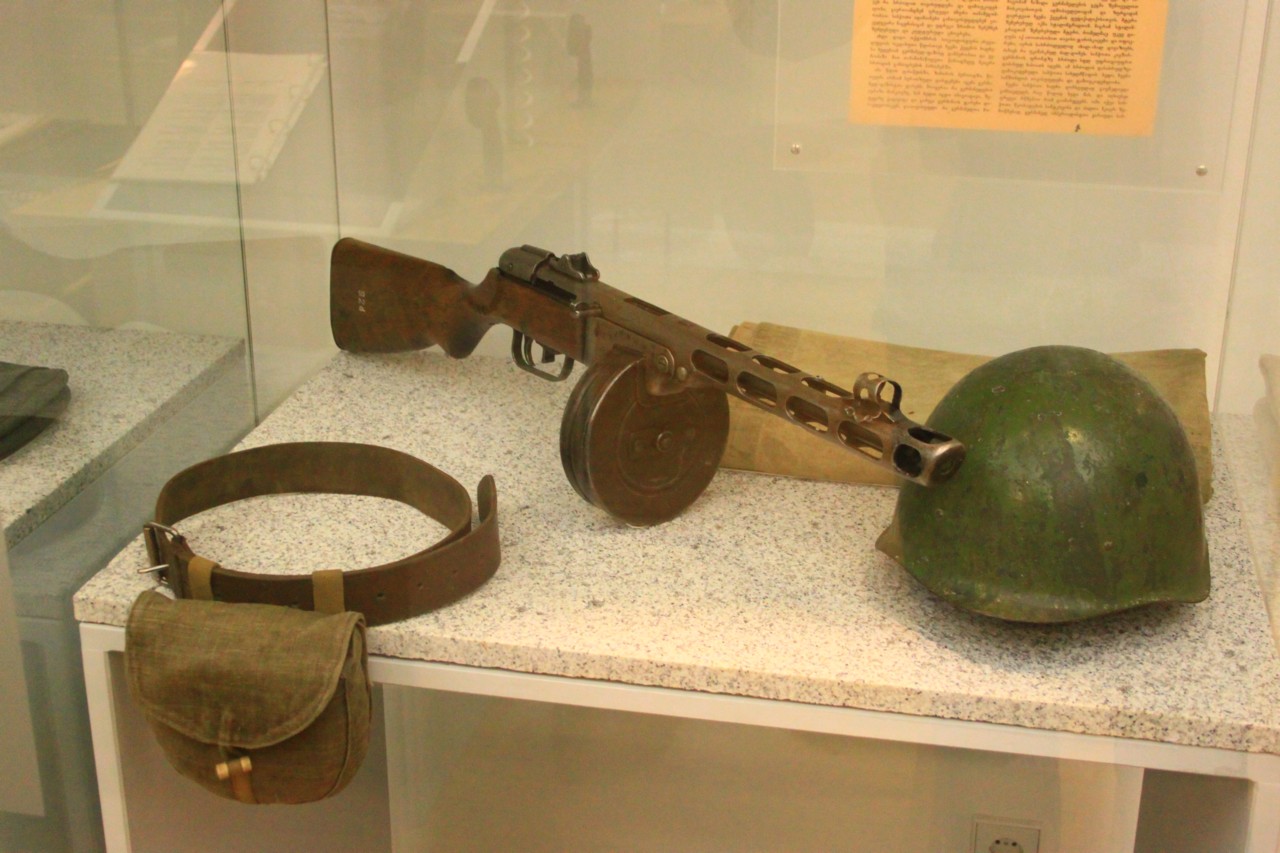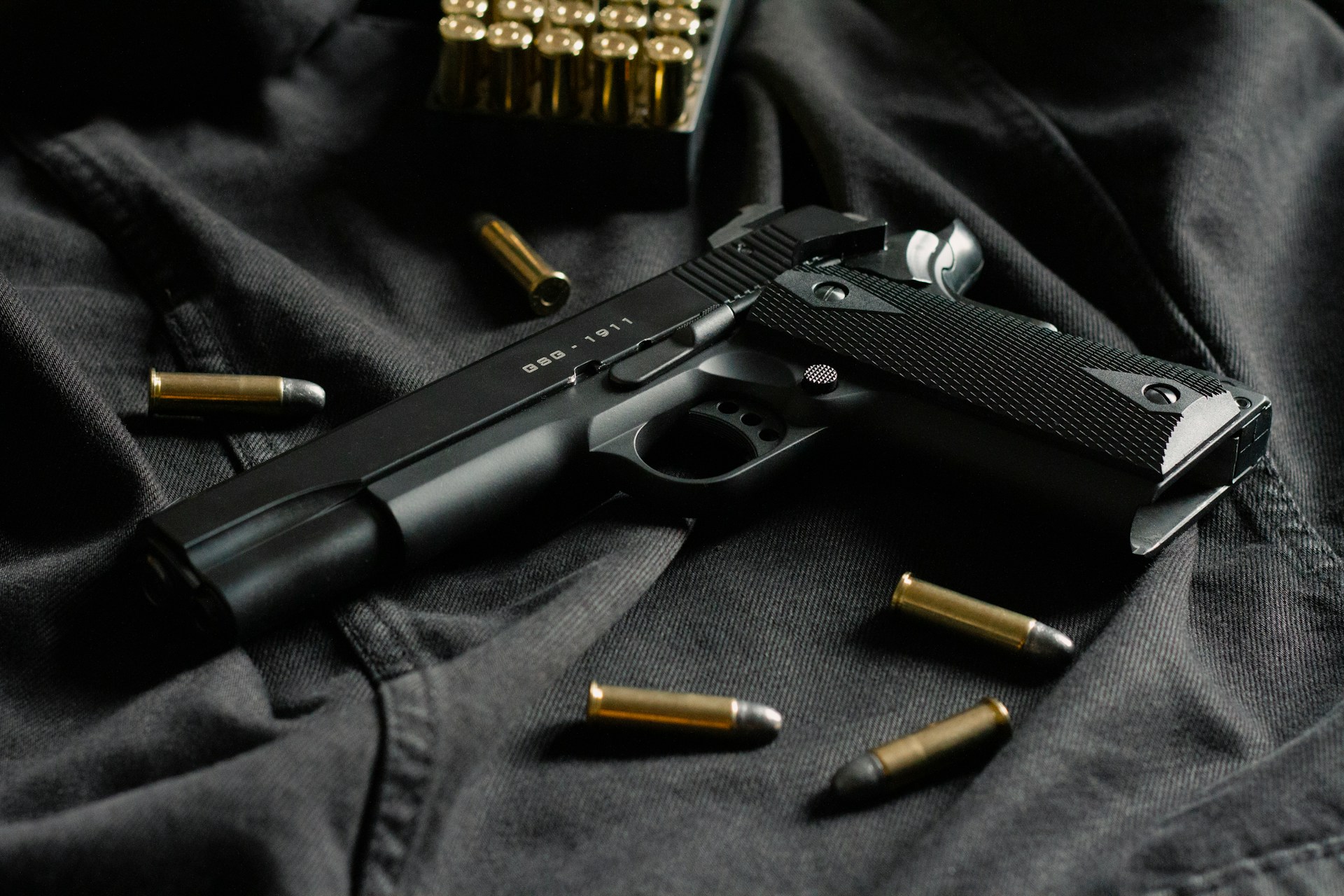
The headline makes for a great gangster story, but the timeline tells a more interesting and accurate one. The Ithaca 37 did not appear until 1937, four years after Prohibition ended and after Al Capone’s criminal empire had already collapsed. There is no solid evidence that Capone’s men specifically feared the Model 37. What is undeniable is that this pump shotgun built an imposing reputation afterward through police service, military use, hunting, and decades of production. Its unusual engineering and long career make the real story more fascinating than the legend.
1. The Timeline Exposes the Myth
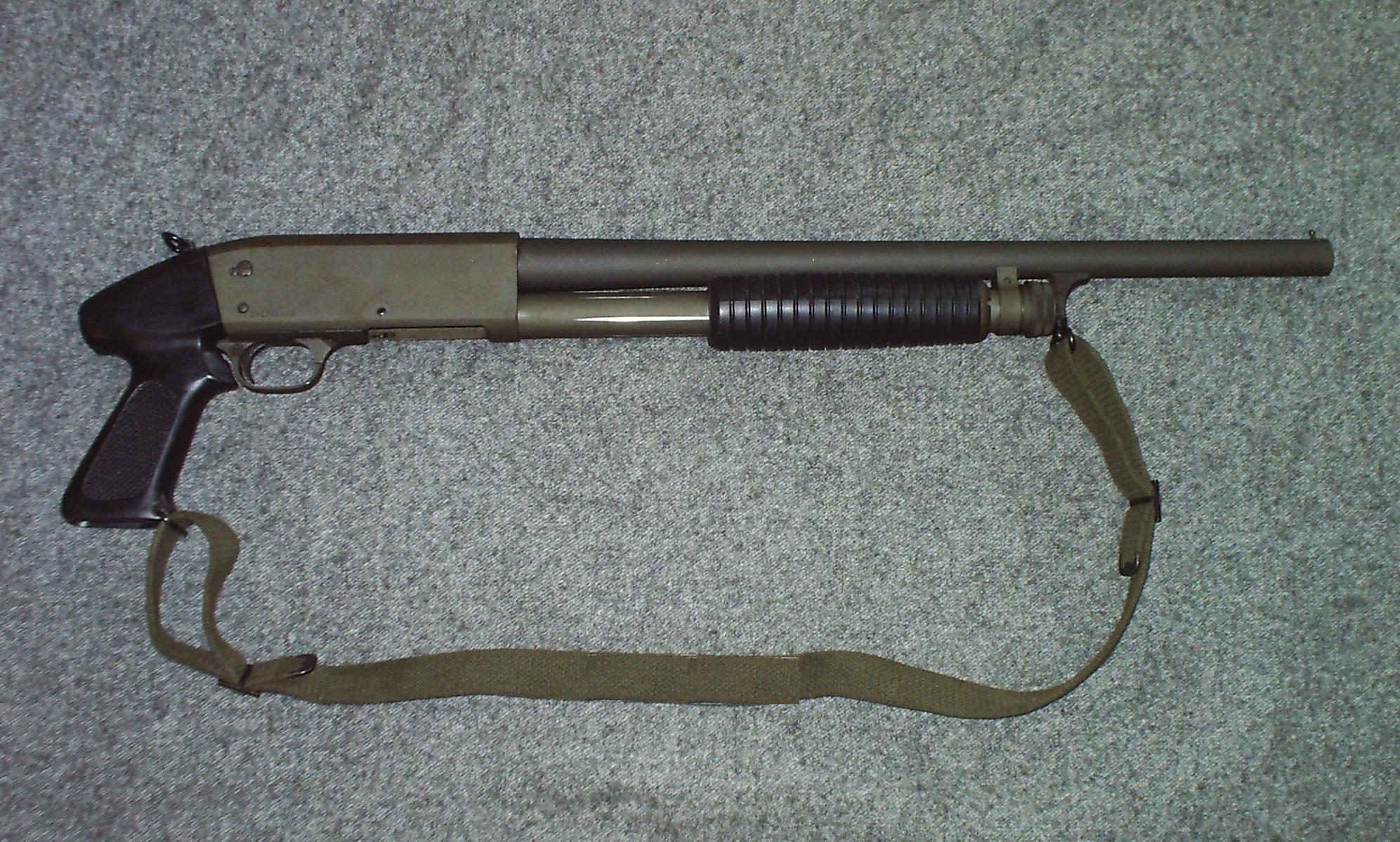
The first fact changes the whole story: Ithaca introduced the Model 37 in 1937, four years after Prohibition ended and well after Al Capone’s Chicago reign had collapsed. Capone was convicted in 1931 and died in 1947, so calling the Model 37 a shotgun his men feared during the gang wars is historically shaky. Its reputation belongs mainly to the decades that followed, when police, hunters, soldiers, and civilians adopted it. The real story is still compelling because the gun arrived with a design that was unusually modern for its era. Its actual history is dramatic enough.
2. It Came From Browning’s Blueprint

The Model 37 was not created from a blank sheet. Its ancestry reaches back to a 1915 John Browning pump-action design that became the Remington Model 17. Ithaca designer Harry Howland modified the mechanism and pursued a more practical production version, but patent issues delayed the launch. Ithaca had planned the gun as the Model 33, then waited until 1937, when the relevant patents had expired. That long delay explains why the finished Model 37 combined an older concept with several clever refinements, giving it a distinct identity of its own. The delay ultimately shaped its character.
3. The Bottom Port Was Its Signature

Most pump shotguns of the period threw spent shells through the side, but the Model 37 used one opening underneath the receiver for both loading and ejection. That unusual layout kept the receiver’s sides closed and made the gun naturally friendly to left- and right-handed users. It also reduced the chance of debris entering through a large side opening. The feature did not make the shotgun magical or uniquely dangerous, but it gave the Model 37 a distinctive handling character and helped separate it from crowded pump-gun competition. That was a meaningful advantage for everyday users.
4. It Was Surprisingly Light

Ithaca marketed the Model 37 as the Featherlight, and the numbers explain why. A typical 12-gauge example weighed around 7 pounds, while a 20-gauge version could be roughly 5¾ pounds, depending on configuration. For a full-size repeating shotgun, that was attractive to hunters who carried a gun for hours. The lighter build also helped the shotgun feel lively in the hands. That combination of modest weight, a compact receiver, and pump operation later made various Model 37 configurations appealing for police and military work as well. It was practical rather than flashy, which helped its appeal.
5. Police Gave It a Real Reputation
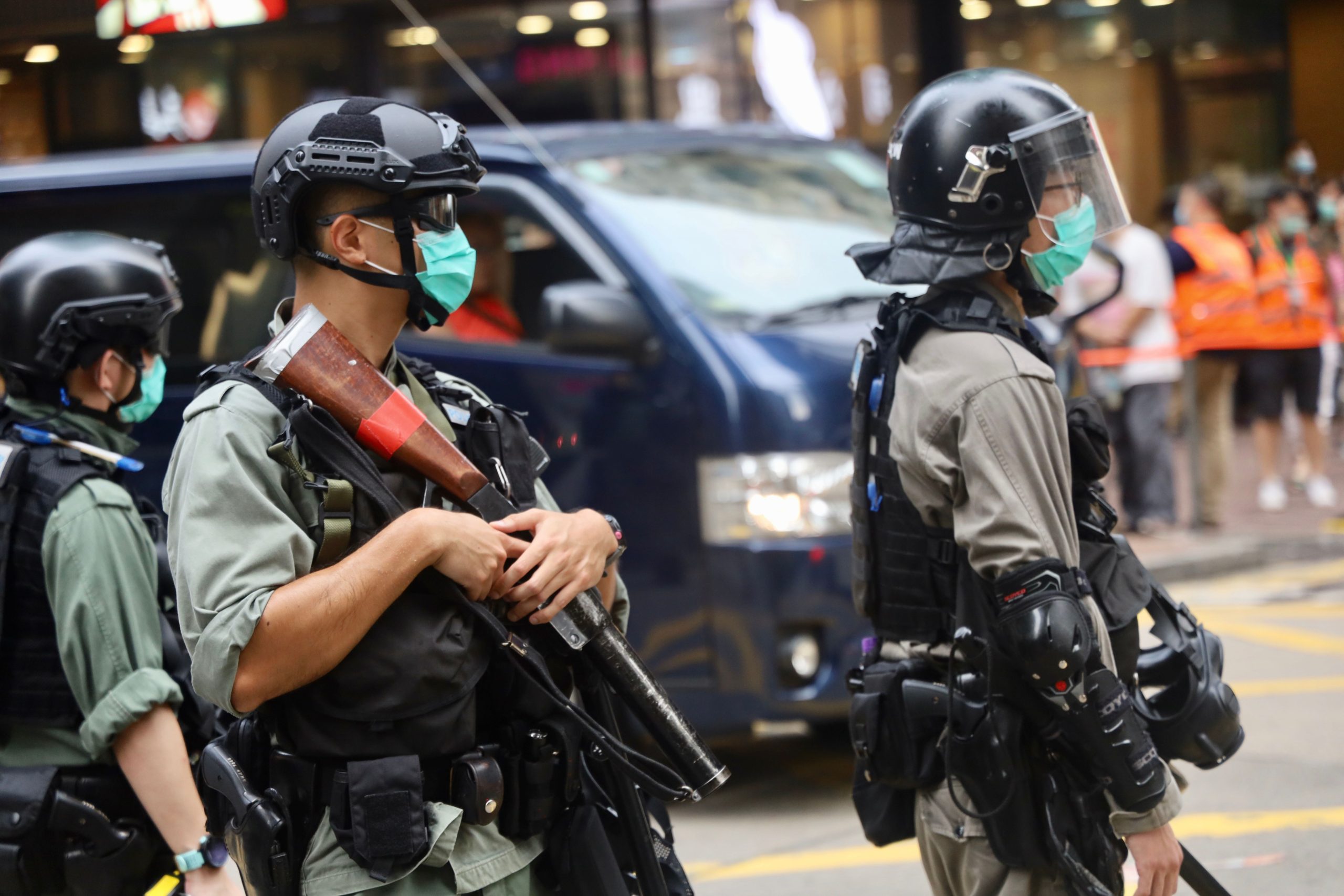
The Model 37’s strongest connection to urban crime stories came later through law enforcement, not Capone’s gang. Agencies including the New York City Police Department and the Los Angeles Police Department used Model 37s, helping turn the shotgun into a recognizable police arm. Riot and short-barrel configurations emphasized compact handling rather than sporting elegance. By then, the gun’s image had become tied to patrol cars, armories, and enforcement work. That real institutional history is much stronger evidence than the unsupported claim that Capone’s men specifically feared it. Its police career lasted for decades.
6. World War II: Put It in Uniform
The Model 37 also earned credibility beyond American streets. In 1941, the U.S. Ordnance Department included the Ithaca among standardized shotguns considered suitable for military purposes. In 1942, the government ordered 1,420 Model 37 trench guns with 20-inch barrels and bayonet attachments. Later versions and related configurations served in other conflicts, including Korea and Vietnam. This wartime record mattered because it showed the design could move from sporting use into demanding service without losing the basic simplicity that defined its original action. Those figures give the gun’s military story real historical weight.
7. Its Action Had an Unusual Quirk
Early Model 37s lacked a trigger disconnector, a feature that allowed the action to be cycled while the trigger remained depressed. That characteristic became part of the gun’s legend, especially in military discussions and popular culture. It should not be confused with a special automatic capability; the shooter still had to manually operate the pump. Ithaca added a disconnector in 1975, changing the operating behavior of later guns. The detail is historically important because it shows how mechanical choices can become exaggerated into myths about a firearm’s real capabilities. The 1975 change marks a useful dividing line.
8. It Worked for More Than One Generation

Few pump shotguns have matched the Model 37’s longevity. Ithaca introduced it in 1937, and the design remained relevant through changing tastes, wars, police practices, and hunting fashions. The company’s own history records that the gun was renamed Model 87 in 1987 before the Model 37 name returned in 1996. Modern production continued after Ithaca’s later ownership changes. That long life is more impressive than any gangster legend: the shotgun repeatedly adapted to new markets while retaining its recognizable bottom-ejecting architecture. Few designs can claim such a remarkably long journey.
9. The Real Legacy Beats the Gangster Story

The most interesting truth is that the Ithaca 37 never needed Capone’s gang to become famous. Its legacy rests on measurable facts: a 1937 introduction, Browning-derived engineering, bottom ejection, multiple gauges, military orders, police service, and an unusually long production history. It became a respected American pump because the design solved practical problems and remained useful across generations. The Capone connection makes a dramatic headline, but the evidence points elsewhere. The Model 37’s real story is broader, longer, and far more defensible. Its reputation was earned over decades rather than in one gangster era.