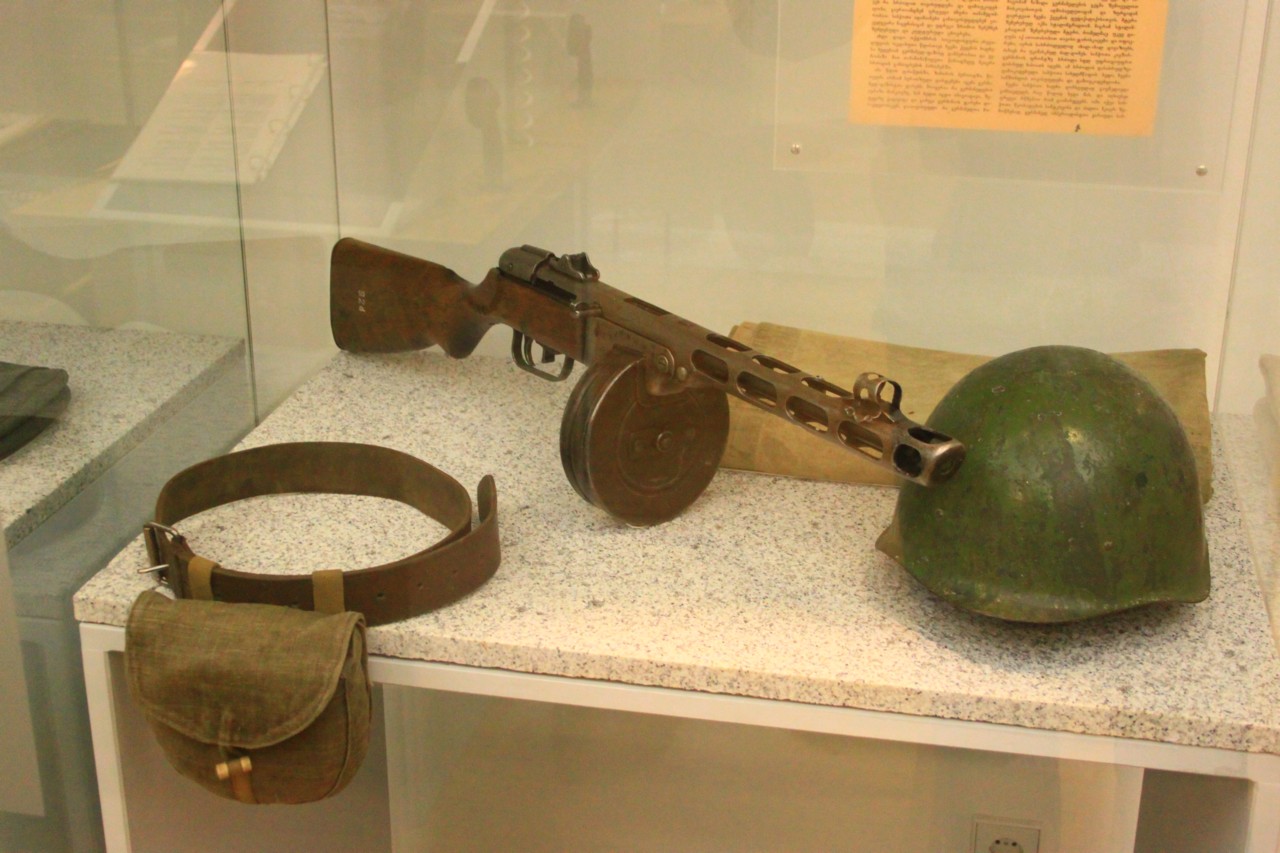
The PPSh-41 became one of the defining small arms of the Eastern Front, but its extraordinary wartime reach was not simply the result of firepower. Its real strength was industrial: the design deliberately traded refinement for speed, simplicity, and manufacturability. Soviet factories could produce it using stamping, established materials, existing ammunition, and a distributed manufacturing network. Between 1941 and 1945, millions were built, turning a relatively simple submachine gun into an important symbol of Soviet mass production.
1. It Arrived Just Before the Crisis
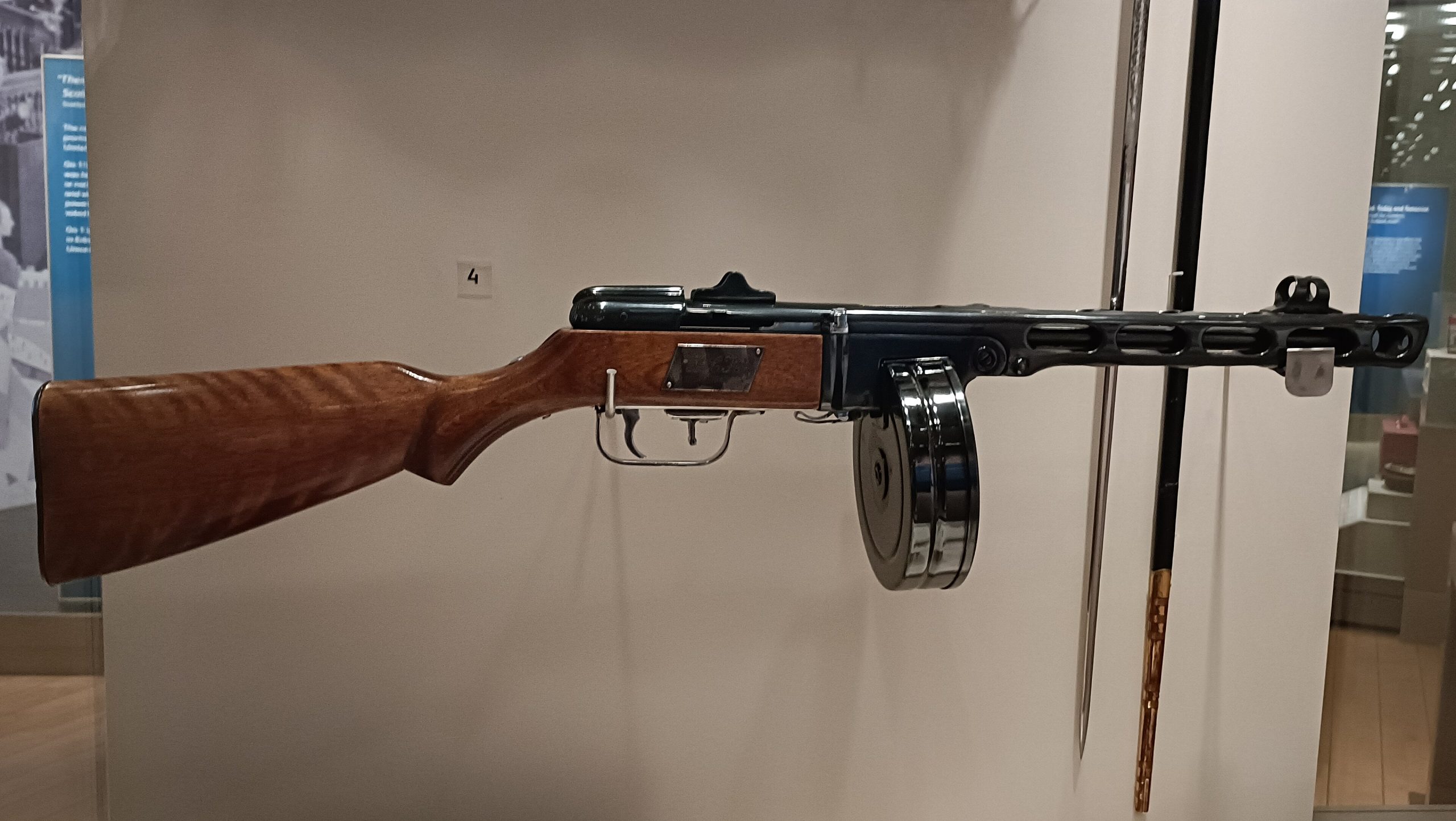
The PPSh-41 was shaped by a brutal lesson from Finland’s 1939–40 Winter War, where Soviet troops saw how useful submachine guns could be in close fighting. Designer Georgy Shpagin responded with a weapon built around simpler manufacture rather than elaborate machining. The prototype appeared in 1940, and the Red Army adopted it on December 21, 1940. That timing mattered: when Germany invaded in June 1941, the Soviet Union already had a practical design ready for rapid expansion. Its purpose was to turn industrial speed into battlefield availability.
2. Stamped Steel Cut Production Work
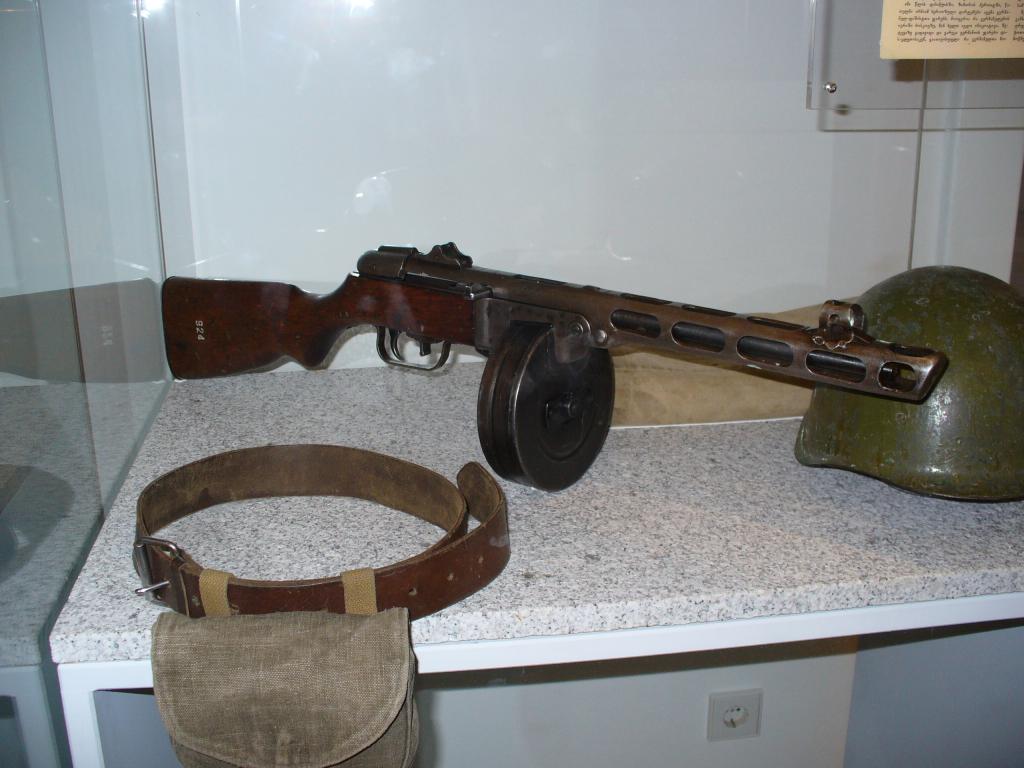
Shpagin’s biggest advantage was the extensive use of stamped steel. Instead of carving a receiver from a solid block, factories could form major components from sheet metal, reducing machining, material waste, and dependence on highly skilled workers. Sources commonly cite about 87 components for the PPSh-41, compared with 95 for the PPD-40, its predecessor. Estimated machining time fell to roughly 5.6–7.3 hours, versus 13.7 hours for the PPD-40. Those savings mattered enormously under wartime pressure. In practice, that meant more output from the same industrial base.
3. Many Factories Could Build It
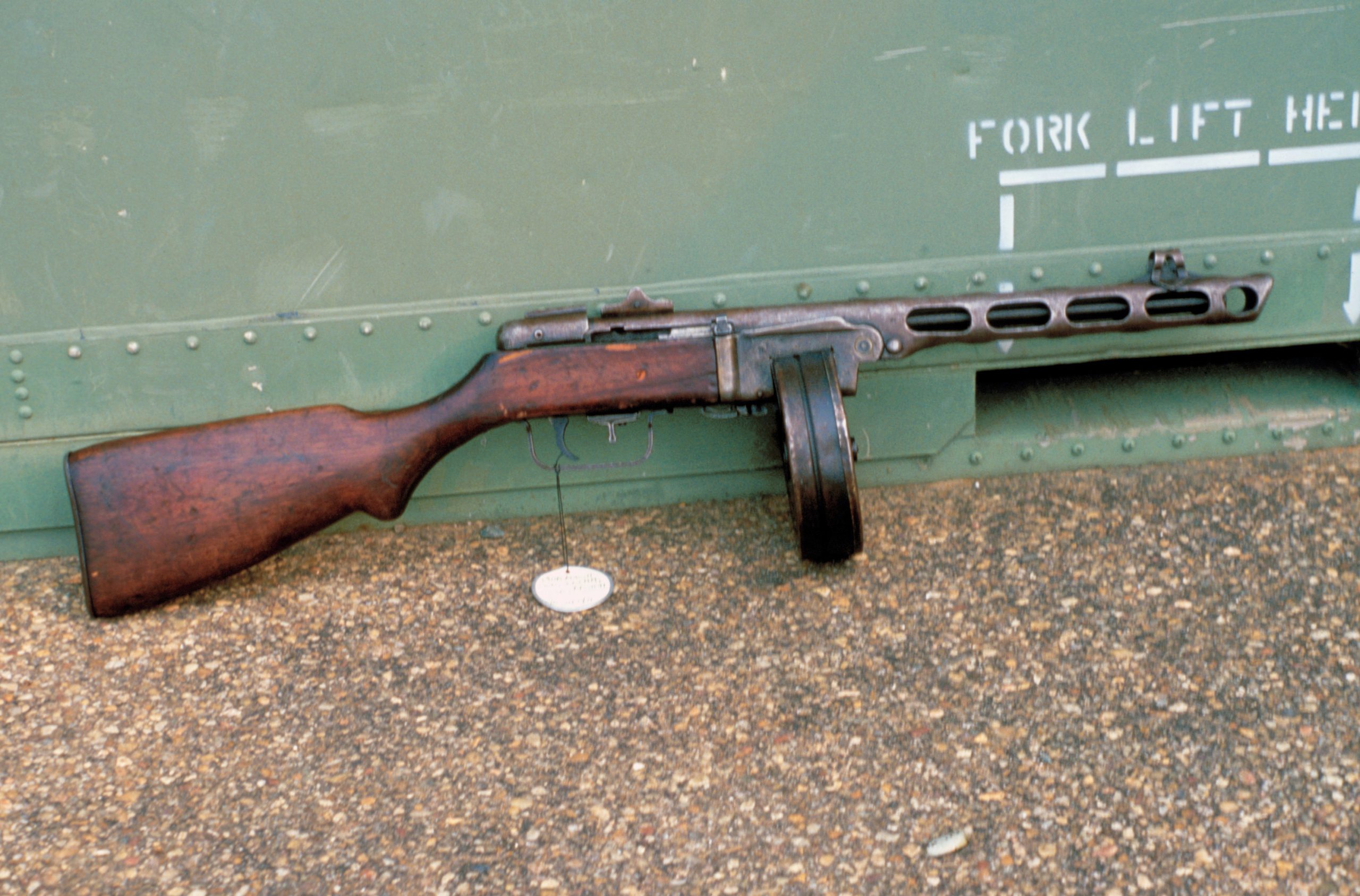
The PPSh-41 was not confined to one specialized factory. Soviet planners distributed production among a broad network of plants, including facilities in Moscow and elsewhere that could adapt their equipment to stamped-metal work. By spring 1942, production had reached roughly 3,000 guns per day at the main Moscow network. The system turned manufacturing capacity itself into a weapon: if one plant struggled, other industrial centers could contribute. This distributed model reduced dependence on a single production center and helped preserve momentum during wartime disruption.
4. Its Barrel Supply Was Economized
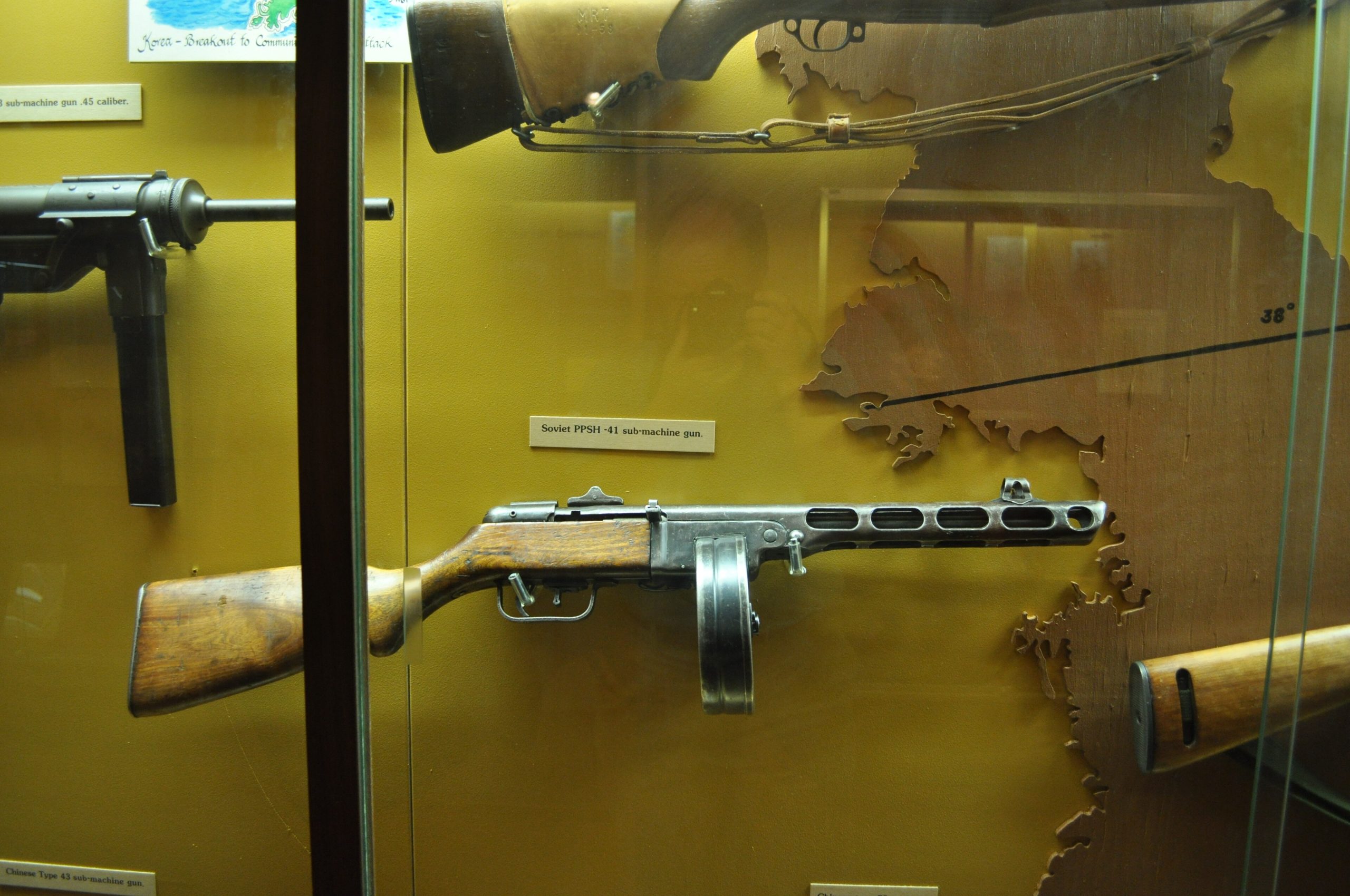
The barrel also reflected the wartime economy. Soviet industry already produced huge numbers of Mosin-Nagant rifle barrels, so PPSh production could exploit that established supply chain. A rifle barrel could be divided to provide material for two PPSh barrels, after the necessary chambering and finishing work. This did not eliminate barrel work, but it reduced the need to create an entirely separate raw-material pipeline. In a war where steel, machines, transport, and skilled labor were all constrained, reusing established resources was a major advantage.
5. It Used an Existing Cartridge
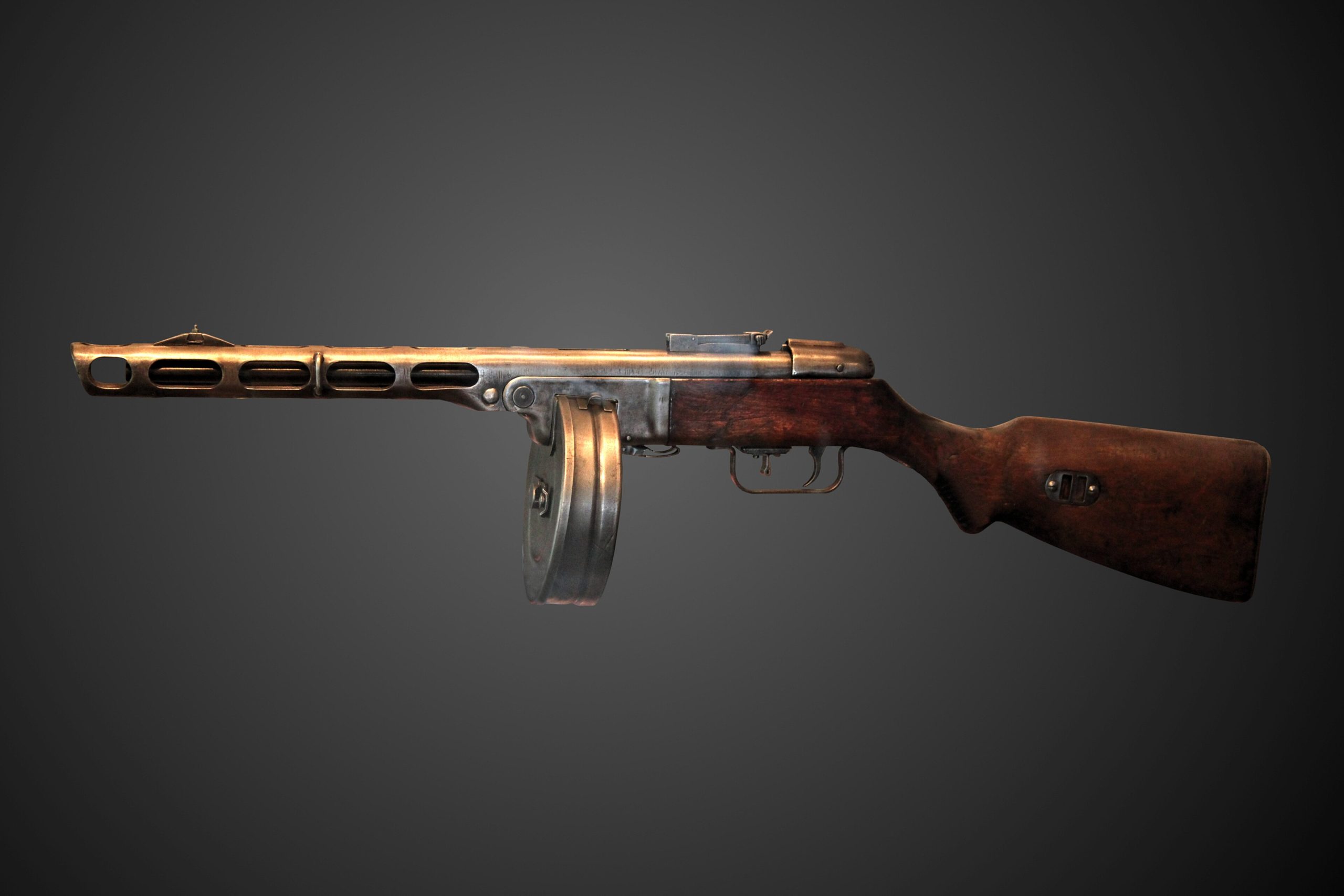
The PPSh-41 was chambered for the Soviet 7.62×25mm Tokarev round, already associated with the TT pistol and other submachine guns. Its open-bolt, direct-blowback mechanism was mechanically straightforward, with relatively few operating parts compared with more complex systems. Its cyclic rate was about 900 rounds per minute, giving it formidable close-range firepower. Using an existing cartridge while retaining a simple mechanism made the gun well suited to rapid wartime expansion. The 35-round magazine also became important later. The cartridge was already established in Soviet supply chains.
6. The 71-Round Drum Was High Capacity
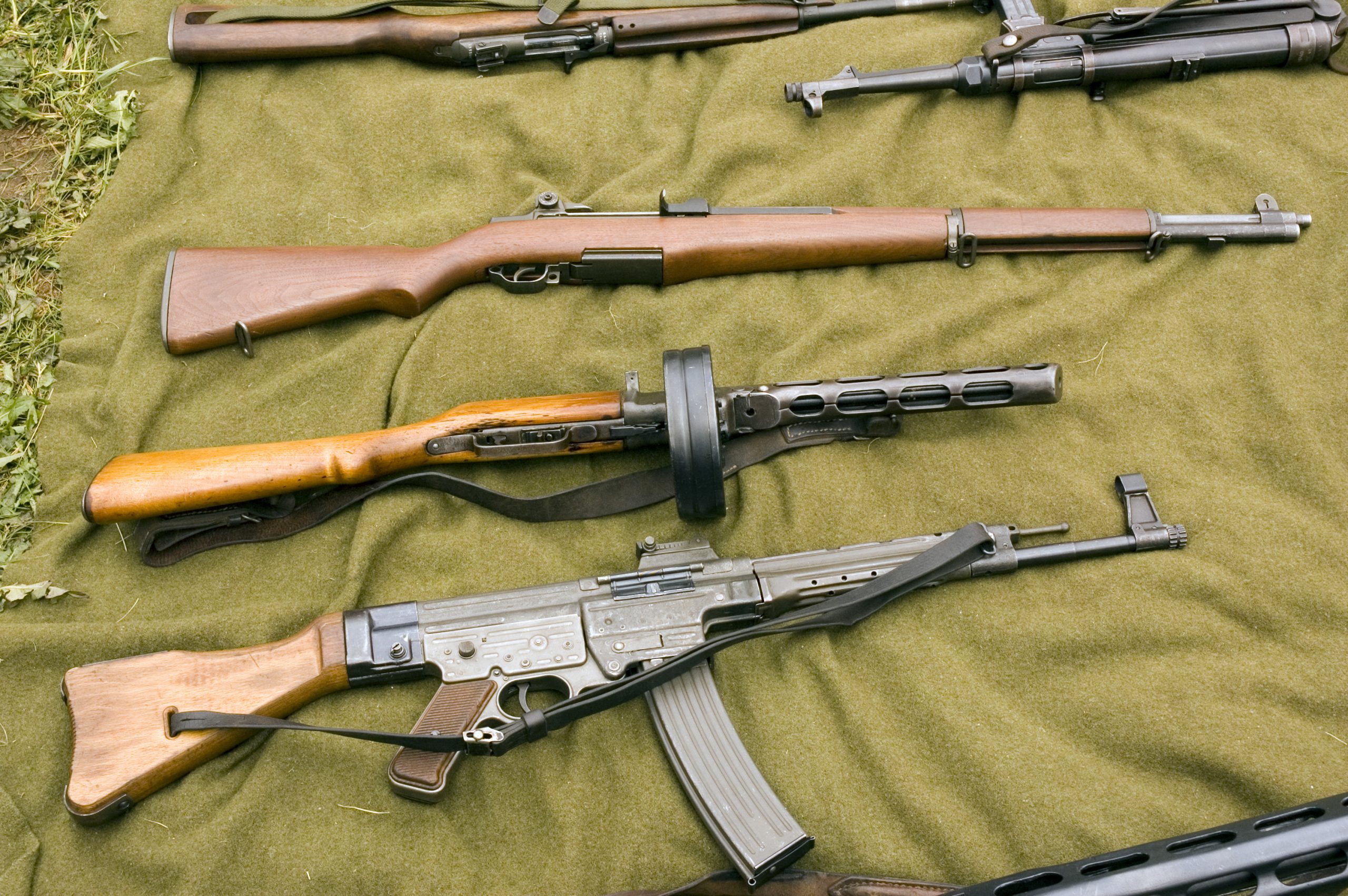
The famous 71-round drum gave the PPSh-41 an unusually large ammunition reserve for a submachine gun of its era. Yet the drum was also one of the weapon’s production and handling complications: it was time-consuming to make, heavy, and slow to reload. From 1943, a curved 35-round box magazine increasingly supplemented it. The change illustrates an important point about mass production: the best solution was not always the most impressive-looking one. Simpler magazines were easier to handle, while also reducing pressure on wartime production lines.
7. Its Construction Favored Harsh Conditions
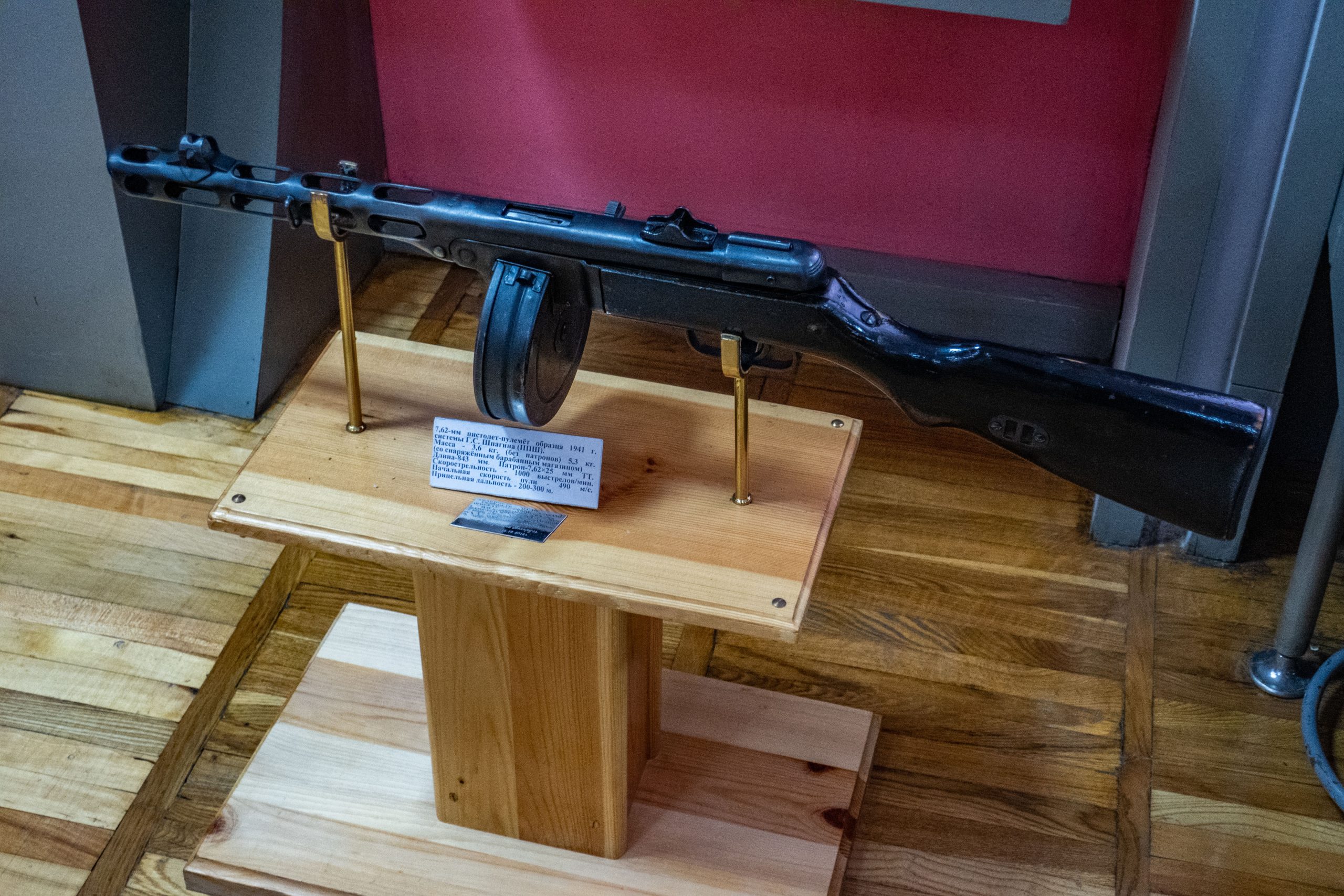
The PPSh-41 was designed to tolerate rough wartime conditions, an important quality for armies operating through mud, snow, dust, and damaged infrastructure. Its receiver opened on a front hinge for relatively straightforward access to the bolt and recoil system, while the construction avoided unnecessary mechanical complexity. The gun weighed about 3.6 kilograms unloaded and roughly 5.4 kilograms with a loaded drum. That weight was substantial, but it also helped keep the fast-firing weapon manageable during bursts. Its sturdy stock and metal body reflected wartime priorities.
8. Production Exploded After 1941
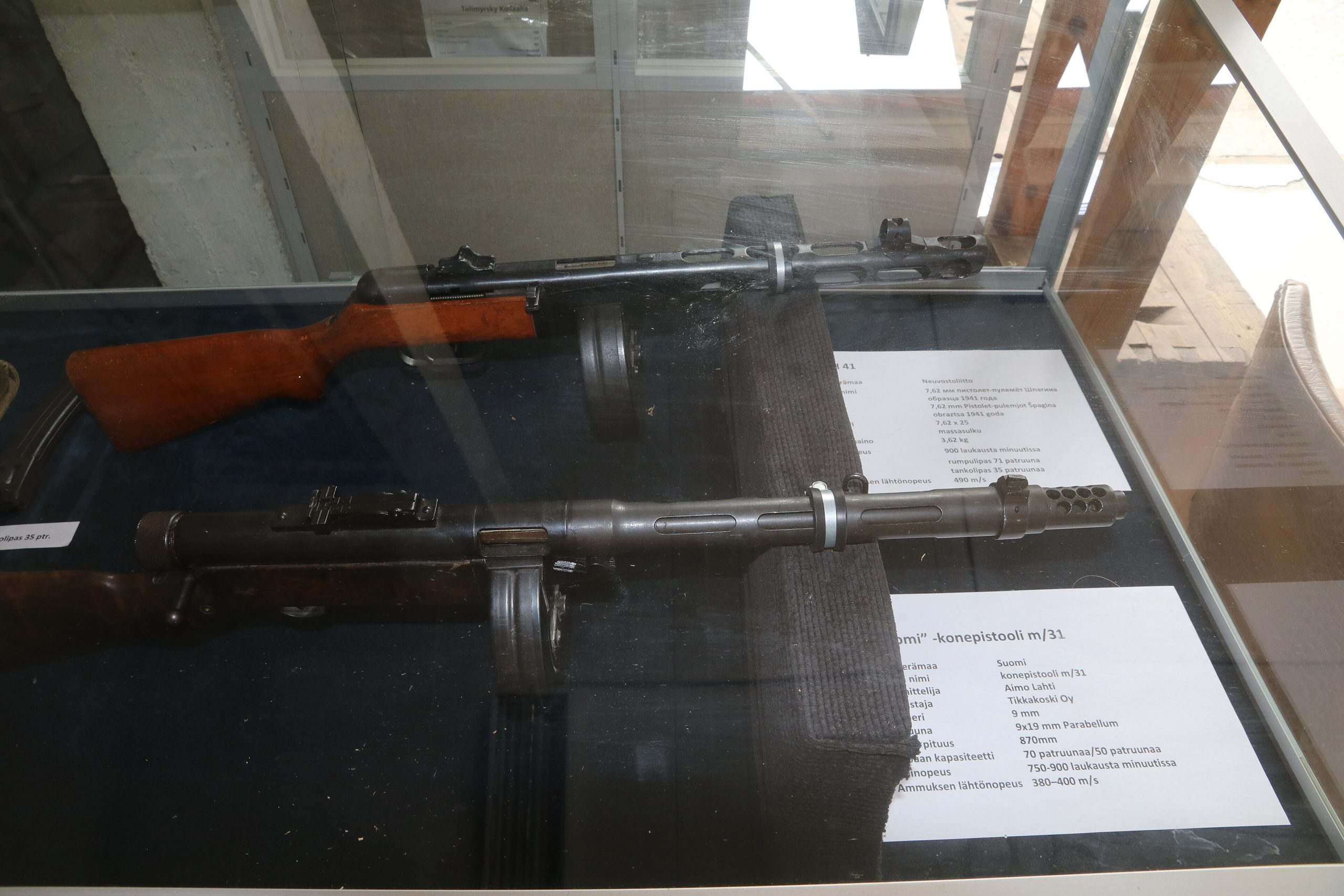
Numbers reveal why the PPSh became a symbol of Soviet wartime industry. Production reached about 90,000 guns in 1941, then surged to roughly 1.5 million in 1942. Across the war, estimates commonly place Soviet output at around 5–6 million examples, depending on the accounting period and source. By 1942, daily output at major facilities could reach several thousand guns. The jump from 90,000 to 1.5 million in one year captures the extraordinary acceleration of Soviet wartime production. Those totals explain how the PPSh could become common rather than merely famous.
9. Millions Changed Battlefield Tactics
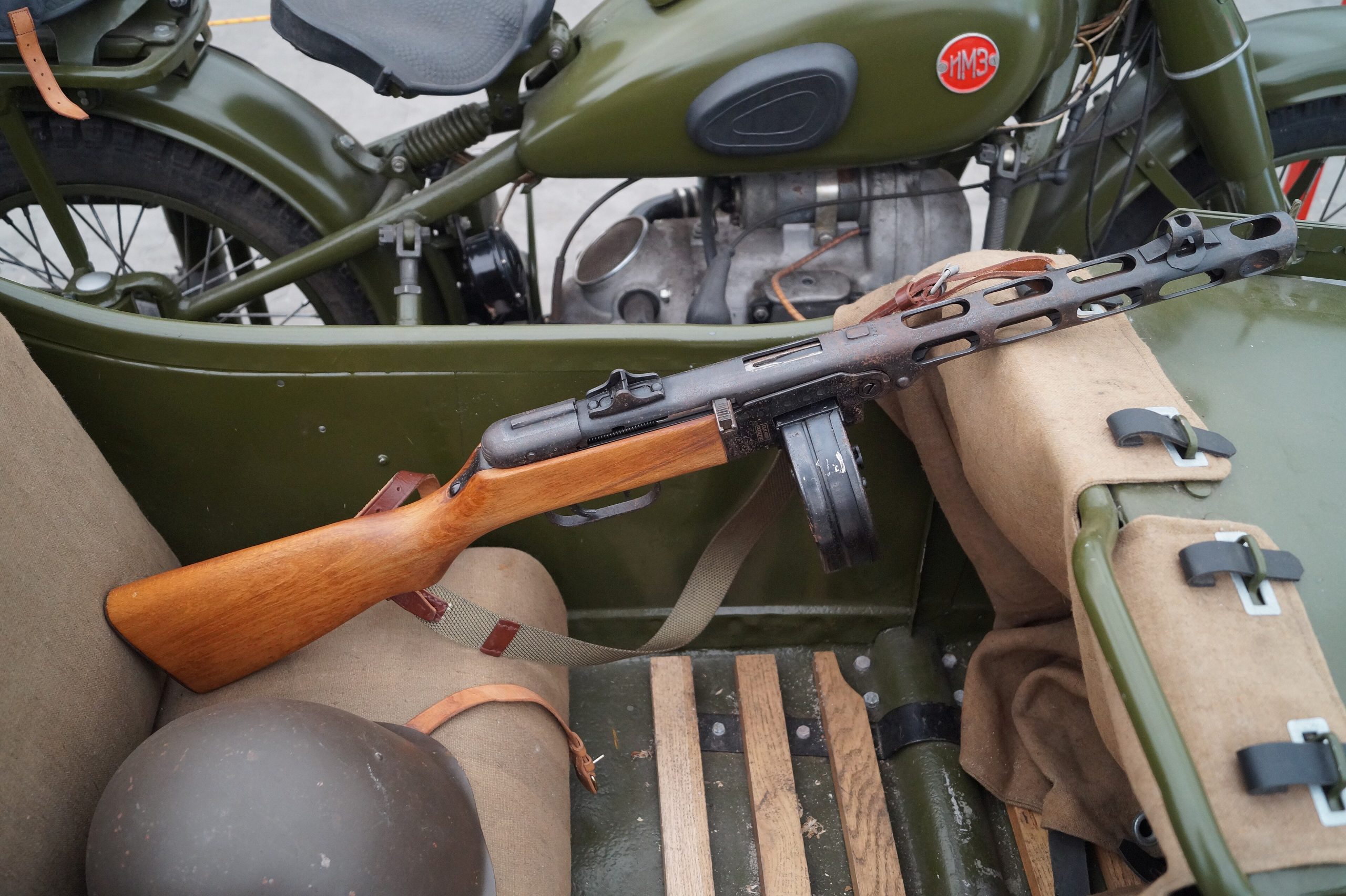
Mass production changed how Soviet formations could use the weapon. The PPSh was especially valuable in assaults, urban combat, trenches, forests, and other situations where short-range volume of fire mattered. Some Soviet units concentrated large numbers of submachine guns rather than distributing them evenly, creating exceptionally dense firepower at close distances. That tactical flexibility meant production numbers had direct battlefield consequences. Millions of guns allowed commanders to reshape infantry firepower around the realities of Eastern Front combat. The weapon, therefore, became more than standard equipment.
10. Its Greatest Feature Was Industrial
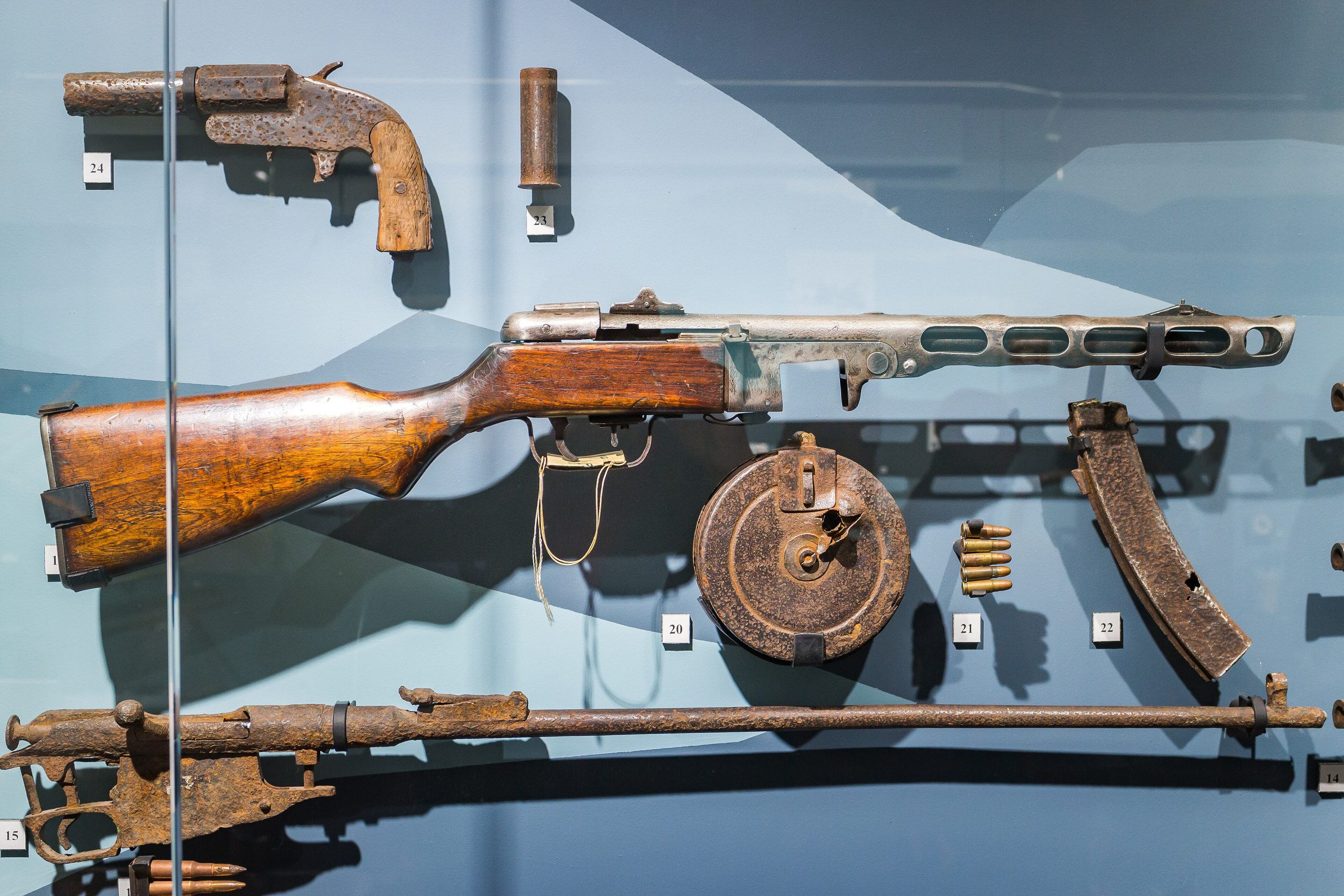
The PPSh-41’s real achievement was the marriage of acceptable battlefield performance with industrial practicality. It combined a 7.62×25mm cartridge, simple blowback operation, stamped construction, established barrel resources, and multiple production sites into one wartime package. The result was not the lightest or most refined submachine gun, but refinement was never its central mission. Its success can be measured in millions produced, thousands reaching factories and fronts each day, and a design that remained useful long after 1945. That combination explains its enduring reputation.