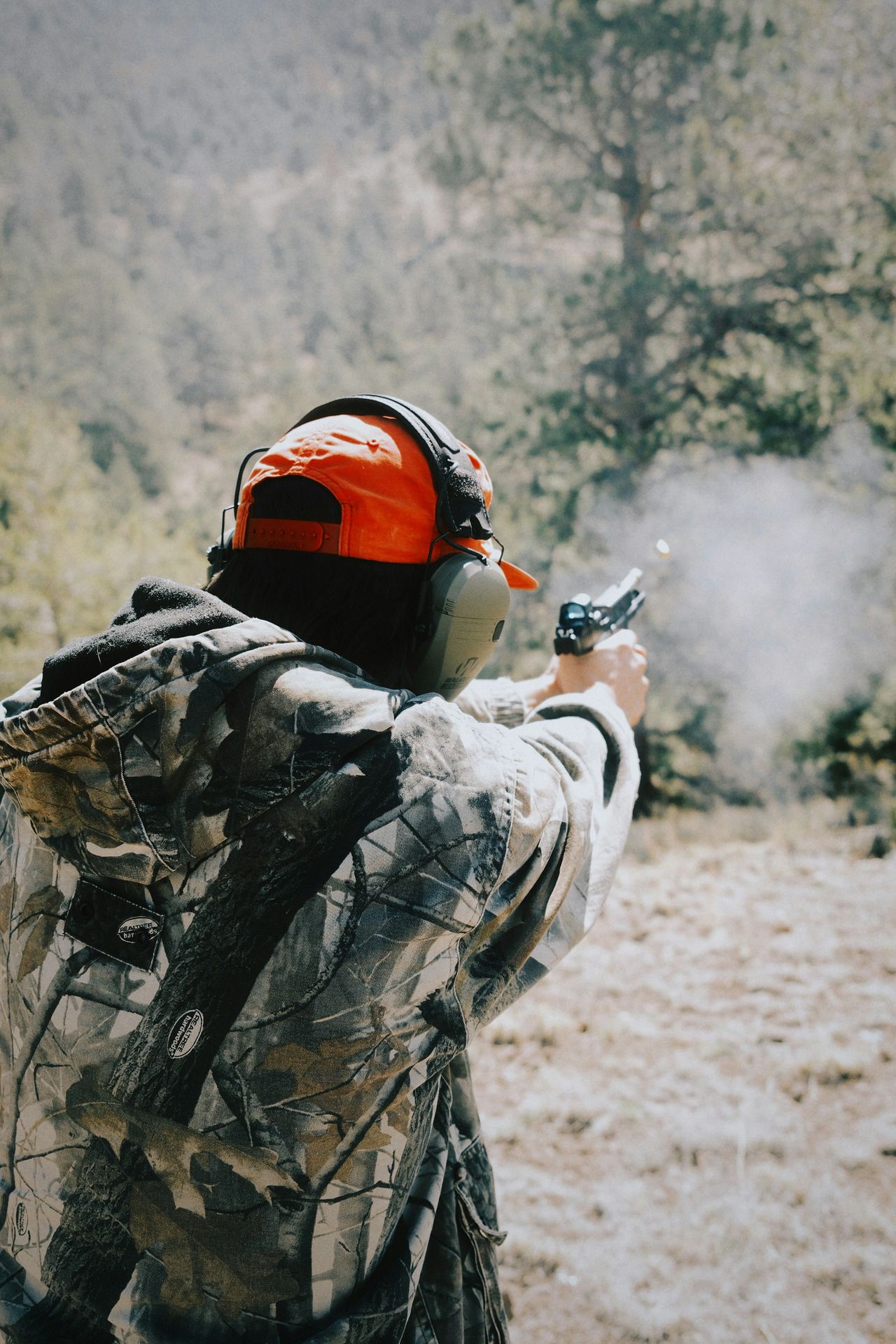
Not every gun that looks tough or powerful is actually a smart choice outdoors. In the field, weight, reliability, weather resistance, and real-world handling matter far more than hype. This gallery looks at firearm types and setups that can make hunting, hiking, ranch work, or backcountry carry harder, less safe, and less effective.
Ultra-heavy magnum rifles

A giant magnum rifle can seem like the ultimate outdoor tool, especially if power is the first thing someone notices. But once that rifle has to be carried over hills, through brush, or up a ridge for hours, the shine wears off fast. Excess weight turns a long day outside into a slog.
These rifles also tend to punish the shooter with stout recoil and loud muzzle blast. That means slower follow-up shots and less practice for many owners.
For most outdoor situations, a balanced rifle that is easier to carry and shoot well will outperform brute force every time.
Cheap optics package rifles

The bargain rifle bundled with a no-name scope often looks like a smart deal at the store. On paper, it promises everything at once: a rifle, an optic, and a low price. In the field, though, that package can fall apart the moment the weather changes or the gun takes a mild bump.
Weak mounts, foggy glass, and wandering zero are common complaints with these setups. That is a miserable combination when a clean shot matters.
A modest rifle with dependable sights or a proven optic is usually the better outdoor companion. Reliability beats a flashy package every single time.
Tiny pocket pistols for wilderness carry

Pocket pistols have their place, but deep outdoors is rarely it. Their small size makes them easy to bring along, yet that same compact shape can make them hard to shoot accurately under stress. Outdoors, where threats may be fast, unpredictable, or larger than expected, that tradeoff becomes a serious weakness.
Short barrels, snappy recoil, and minimal sights all work against confident shooting. Add gloves, cold weather, or wet hands, and handling can get even worse.
When wilderness carry is the goal, a gun that offers better control and more practical capability usually makes far more sense.
Over accessorized tactical shotguns

A shotgun loaded down with rails, lights, shell carriers, oversized stocks, and extra gadgets can look impressive in photos. Outside, all that hardware often adds bulk without adding much usefulness. The result is a gun that feels front-heavy, awkward to shoulder, and tiring to carry across real terrain.
Outdoor guns need to move naturally and come on target without drama. Too many accessories can snag on clothing, brush, or vehicle interiors when the moment calls for speed.
A simpler shotgun usually handles better and asks less from the shooter. In rough country, clean function matters more than visual impact.
Old surplus rifles in poor condition

Military surplus rifles can be fascinating pieces of history, and many are genuinely capable. The problem starts when someone takes a worn, poorly maintained example outdoors and expects modern performance from it. Corroded bores, tired springs, and questionable headspace are not small issues when reliability matters.
These rifles may also be heavy, awkwardly sighted, and fed by ammunition that is harder to find or less consistent. That can turn a fun range novelty into a frustrating field companion.
A sound surplus rifle is one thing. A rough one with unknown history is a gamble few outdoor users should make.
Single-shot guns for all-purpose field use

Single-shot firearms can teach discipline and precision, and they still have devoted fans. But as a do-everything outdoor gun, they ask a lot from the person carrying them. One round and a slower reload leave very little room for error when a follow-up shot is needed quickly.
That limitation may not matter on a calm range day, but the outdoors rarely stay calm for long. Animals move, chances disappear, and conditions change in seconds.
For specialized use, a single shot can be perfectly fine. For general field use, more flexibility usually makes the day safer and less stressful.
Short-barreled rifles with excessive muzzle blast

A very short barrel can make a rifle easier to store and carry, but there is often a steep price in noise and blast. Outdoors, that concussion can be startling even with ear protection, especially when shooting near rocks, vehicles, blinds, or structures that reflect sound at the shooter.
There can also be a practical drop in velocity, depending on the cartridge. That matters more than many buyers expect.
If a rifle becomes miserable to shoot, people tend to practice less and rush more. A slightly longer, better-balanced setup is often the smarter field choice.
Precision rifles built like bench guns

Some precision rifles are wonderfully accurate, but not all of them belong in the woods or on a mountain trail. A setup built like a bench gun can become a burden the moment it leaves the truck. Heavy barrels, oversized chassis stocks, and bulky optics make every step feel more deliberate.
These rifles shine when the shooter has time, support, and a stable position. Real outdoor use is often messier than that. Terrain, weather, and movement favor gear that adapts quickly.
A lighter rifle with practical accuracy will usually serve outdoor users better than one designed to dominate a controlled firing line.
Low-quality imported clones

A bargain clone of a proven firearm can be tempting, especially when the original costs much more. But outdoors is a harsh place to discover poor machining, weak parts, or sloppy assembly. Heat, dust, moisture, and rough handling tend to expose flaws quickly and without mercy.
The trouble is not just inconvenience. A gun that fails to feed, extract, or hold zero can ruin a trip or create a dangerous moment.
There are affordable firearms that perform well, but quality matters. In the field, a trustworthy plain gun is infinitely better than a flashy imitation that cuts corners.
Novelty firearms chosen for serious use

Now and then, a firearm becomes popular because it is weird, dramatic, or internet famous. That can be fun at the range, but novelty is a terrible standard for choosing an outdoor gun. Serious field use asks for predictability, comfort, practical sights, and controls that make sense under pressure.
Novelty guns often compromise one or more of those basics in favor of appearance or gimmicks. What seems entertaining in a video can feel clumsy and frustrating after miles of carrying.
Outdoors, boring is often beautiful. The best tool is usually the one that disappears into the job and simply works when needed.