The Barrett M107 earned its fearsome reputation by combining the enormous .50 BMG cartridge with a semi-automatic design built around range, power, and anti-materiel capability. It is not simply a very large rifle. Its weight, recoil system, barrel, optics provisions, magazine capacity, and military history all contribute to what makes the platform so distinctive. Here are 9 important facts that explain why the M107 became one of the most recognizable heavy rifles in modern military service.
1. The .50 BMG Gives It Its Reputation
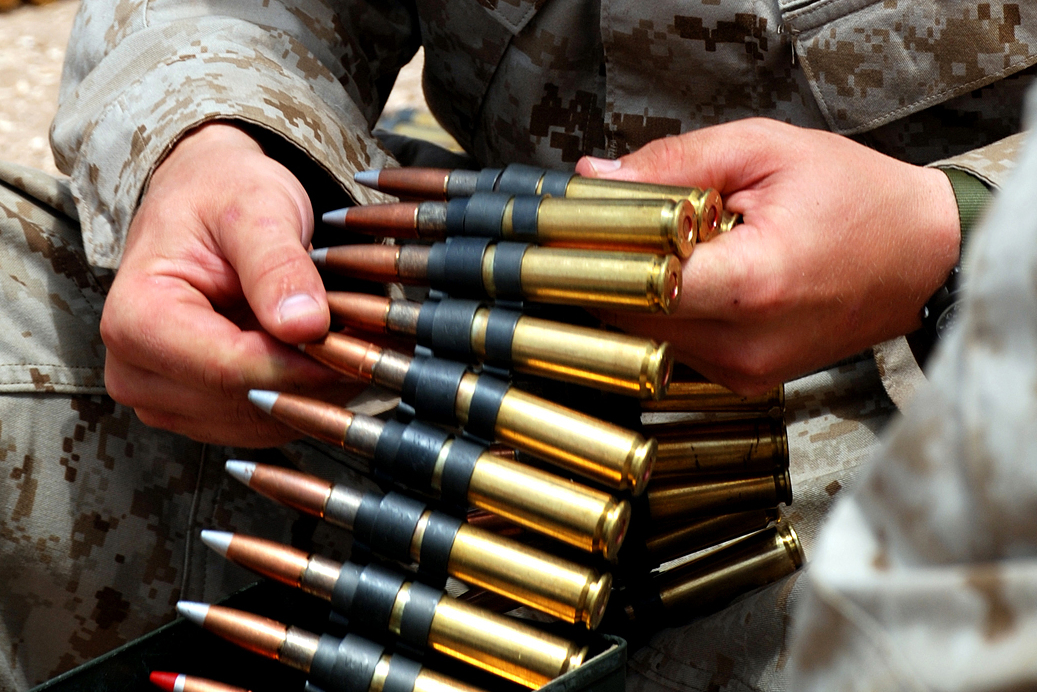
The M107’s headline feature is its 12.7×99 mm NATO, better known as .50 BMG, chambering. That cartridge was developed for heavy machine guns, yet the Barrett turns it into a shoulder-fired precision platform. With a standard 660-grain projectile, the 29-inch M107A1 barrel is listed at about 2,750 feet per second, or 853 m/s. That combination of projectile mass and velocity gives the rifle formidable energy and explains its anti-materiel reputation. It is built for hard targets, not ordinary infantry shooting. That power is why the rifle is associated with vehicles and equipment.
2. It Is a Semi-Automatic Giant
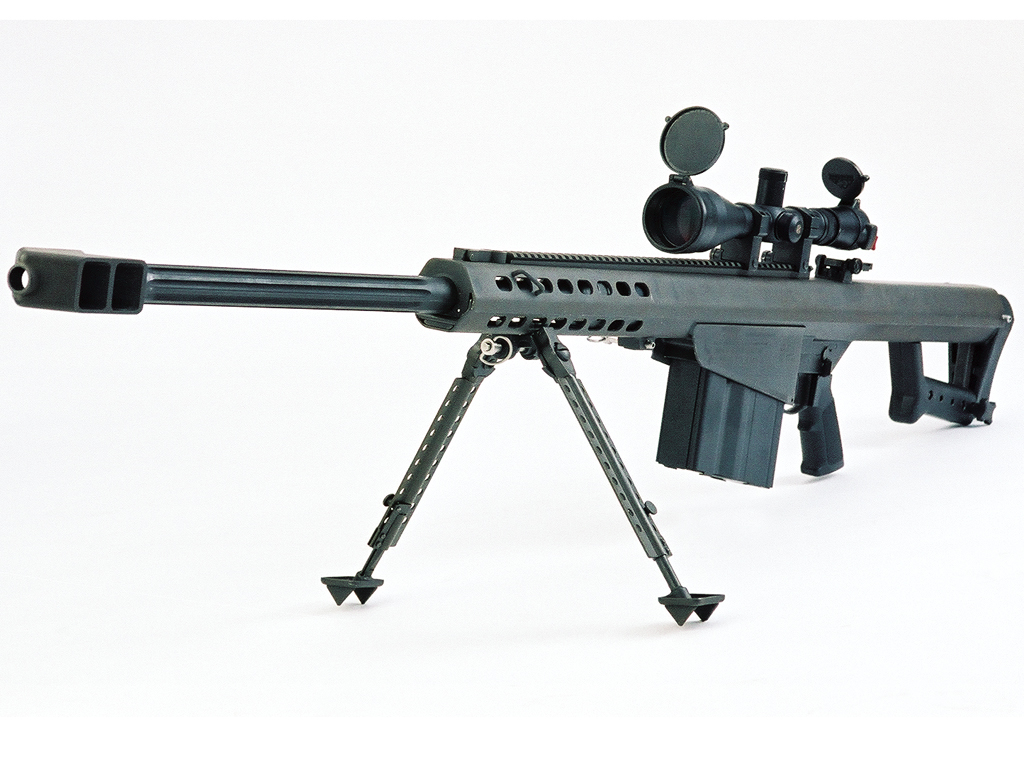
Unlike many heavy precision rifles, the M107 uses a semi-automatic action. That means the shooter does not manually cycle the bolt after every shot, a feature that makes the system unusually distinctive for a rifle of this size. The design traces back to Ronnie Barrett’s M82 family, which entered military service before the M107 designation appeared. The U.S. Army adopted the M107 in 2003 after an evaluation favored the semi-automatic concept. Its 10-round detachable magazine also gives it a higher sustained firing capacity than many traditional heavy bolt-action rifles.
3. Recoil Is Managed by the Whole Rifle
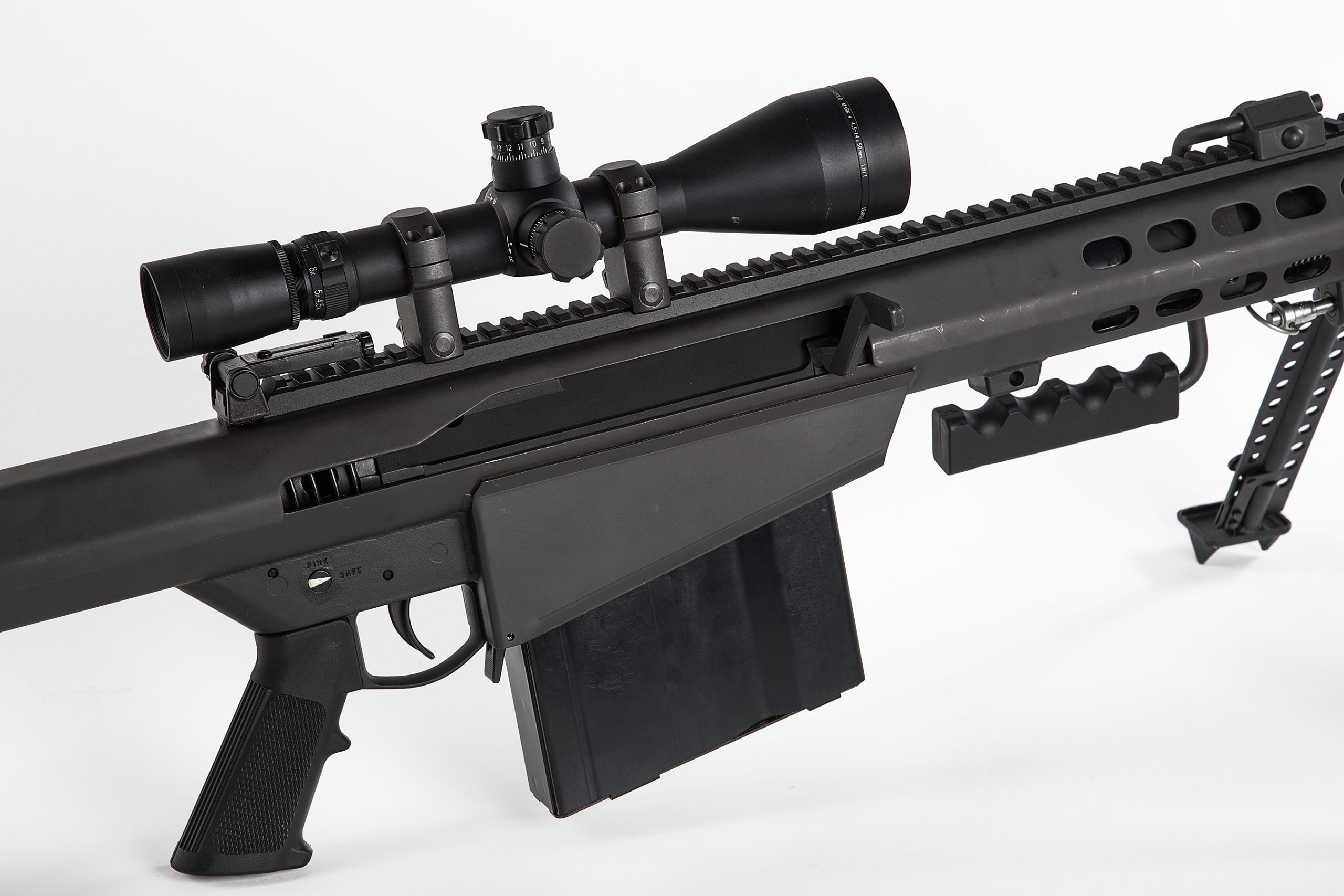
A .50 BMG rifle weighing roughly 27.5 pounds would be unpleasant if its recoil reached the shooter without serious engineering behind it. The M107 instead combines substantial mass, a large muzzle brake, and a recoil-operated system that allows the barrel and receiver components to move during firing. The result is not recoil-free, but it is considerably more manageable than the cartridge’s reputation suggests. On the M107A1, the Sorbothane recoil pad and updated recoil system add further attention to shooter comfort, especially on a rifle designed around repeated firing.
4. Nearly 57 Inches of Rifle
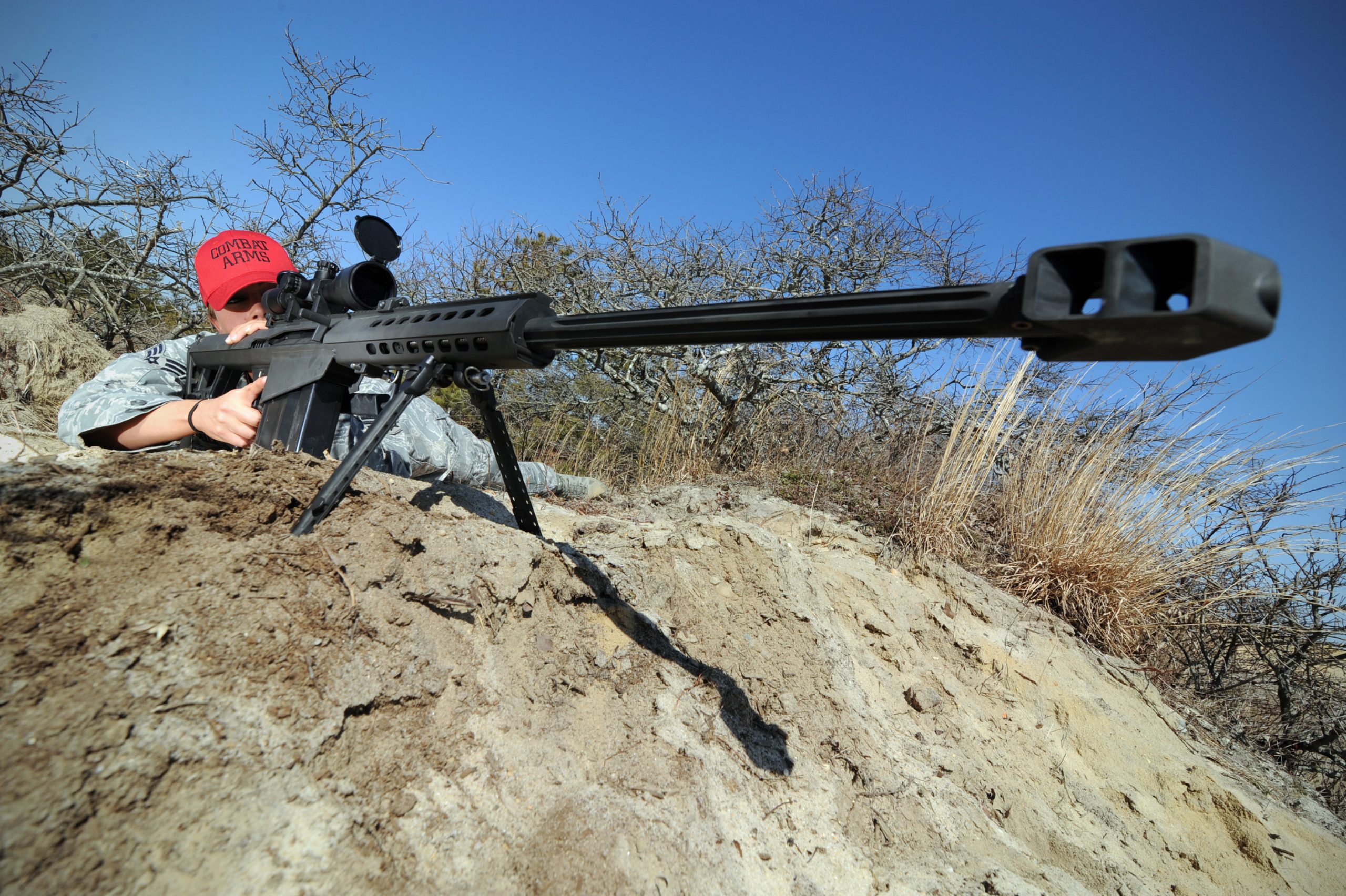
The standard M107A1 is an imposing machine even before its optic and accessories are added. Barrett lists the full-size version at 56.8 inches, or about 1,443 mm, with a 29-inch barrel. The CQ version is shorter, measuring 48.4 inches with a 20.6-inch barrel. Those numbers explain why the M107 is better understood as a portable heavy weapon system than a conventional rifle. Despite its size, the platform can be broken into upper and lower assemblies for transport, with the takedown components measuring roughly 37.75 and 41.38 inches, respectively.
5. Its Range Comes From More Than Raw Power
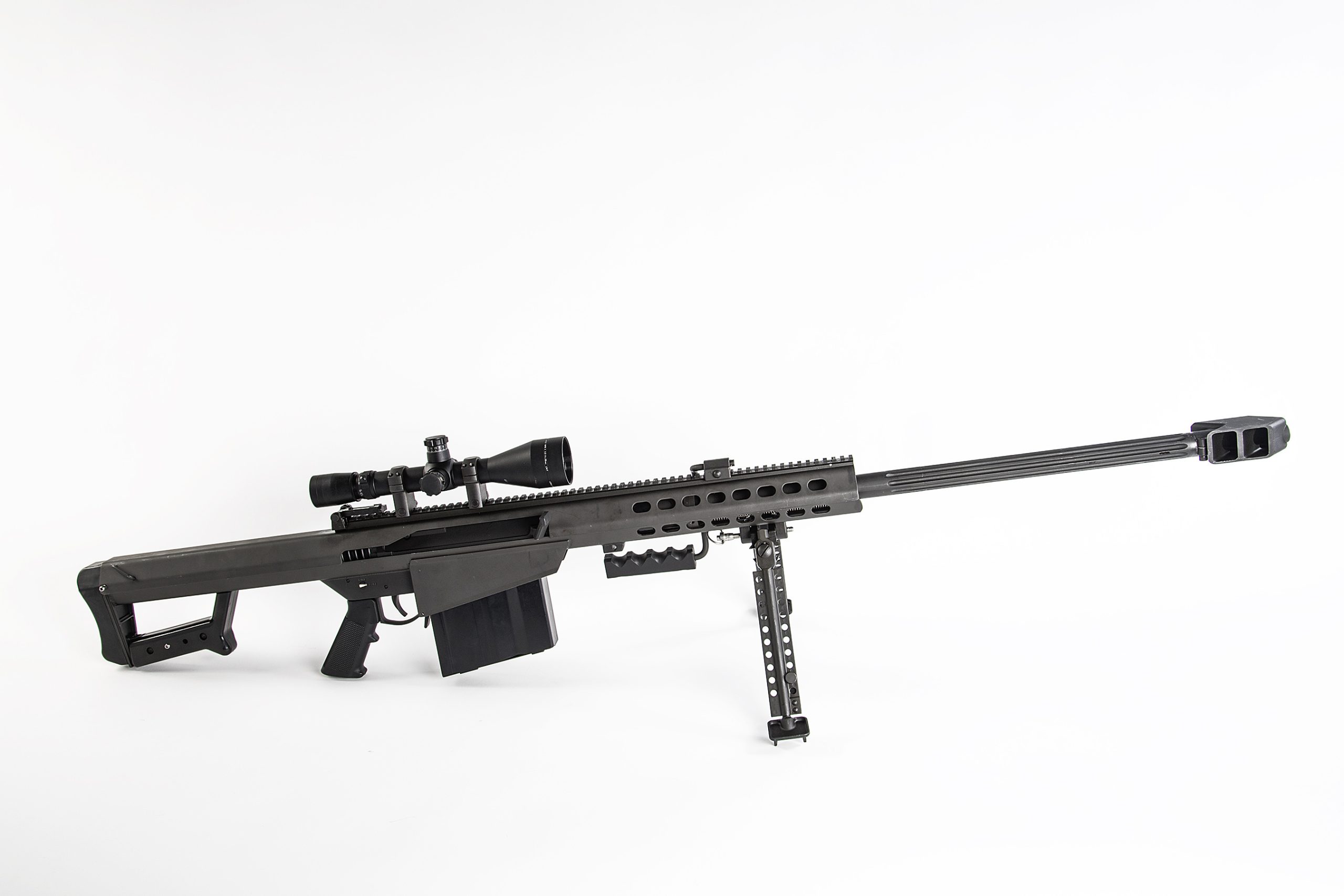
The M107’s long-range reputation is not simply a result of firing a huge cartridge. Its design combines a long 29-inch barrel, a 1:15-inch twist,t and a substantial optics rail that gives shooters room to mount suitable long-range equipment. The M107A1 specification lists a 27 MOA rail, helping accommodate the elevation demands associated with extended-range shooting. Barrett’s earlier M82 family became known for reaching targets well beyond ordinary rifle distances. The M107 carries that concept forward, pairing heavy ammunition with a platform engineered around precision and stability.
6. The M107A1 Cuts the Weight
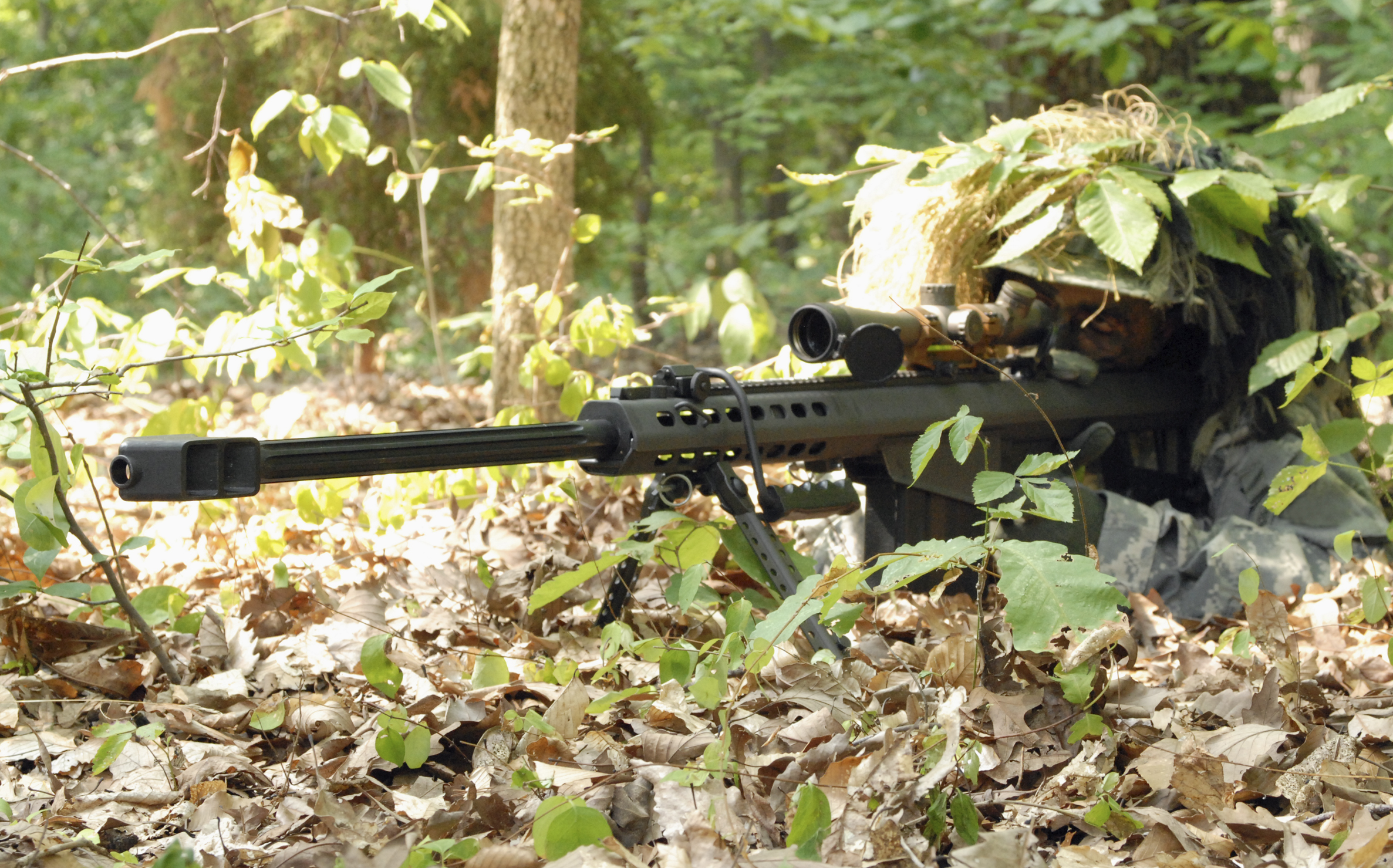
The M107A1 represents a major refinement of the original M107 rather than a completely new concept. Barrett designed it to remove about 4 pounds from the earlier system, with an aluminum upper receiver and selected titanium components contributing to the reduction. Current specifications put the standard M107A1 around 27.55 pounds, or 12.5 kg, depending on configuration. That may sound enormous beside a normal service rifle, but shaving several pounds from a .50-caliber semi-automatic platform matters greatly when the system must be carried with optics, ammunition, and supporting equipment.
7. Ten Rounds Still Means a Serious Ammunition Load
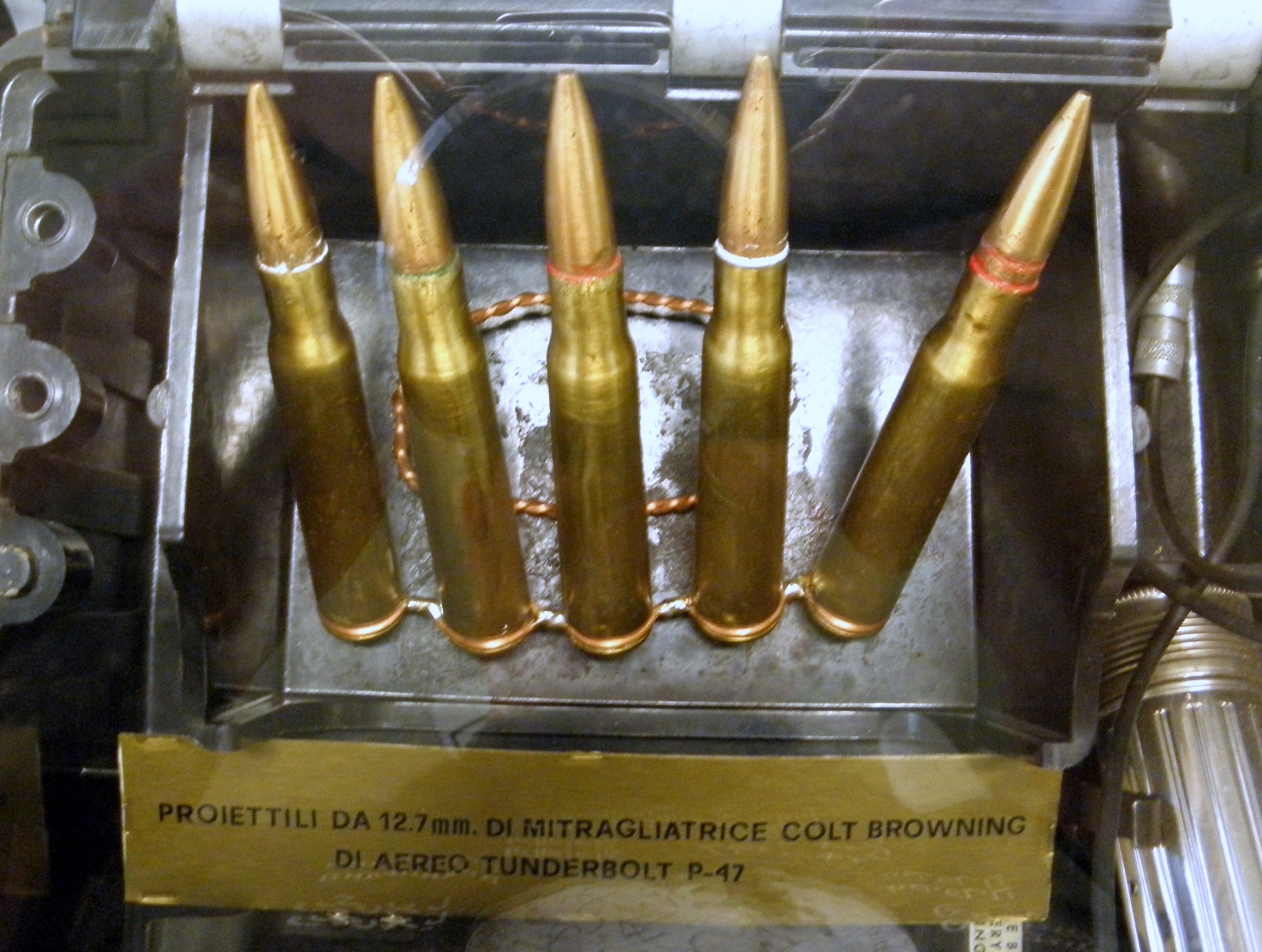
The M107A1 uses a 10-round steel magazine, a surprisingly compact capacity considering the size of each cartridge. Ten loaded .50 BMG rounds represent a substantial ammunition burden compared with ordinary rifle magazines, which helps explain why the M107 is normally treated as a specialized system. Barrett lists witness indicators on the magazine, allowing the ammunition count to be seen without guessing. Its semi-automatic action also reinforces the platform’s repeat-capable design. Barrett also identifies the magazine as steel, emphasizing durability in a demanding field system.
8. It Was Built for Hard Targets
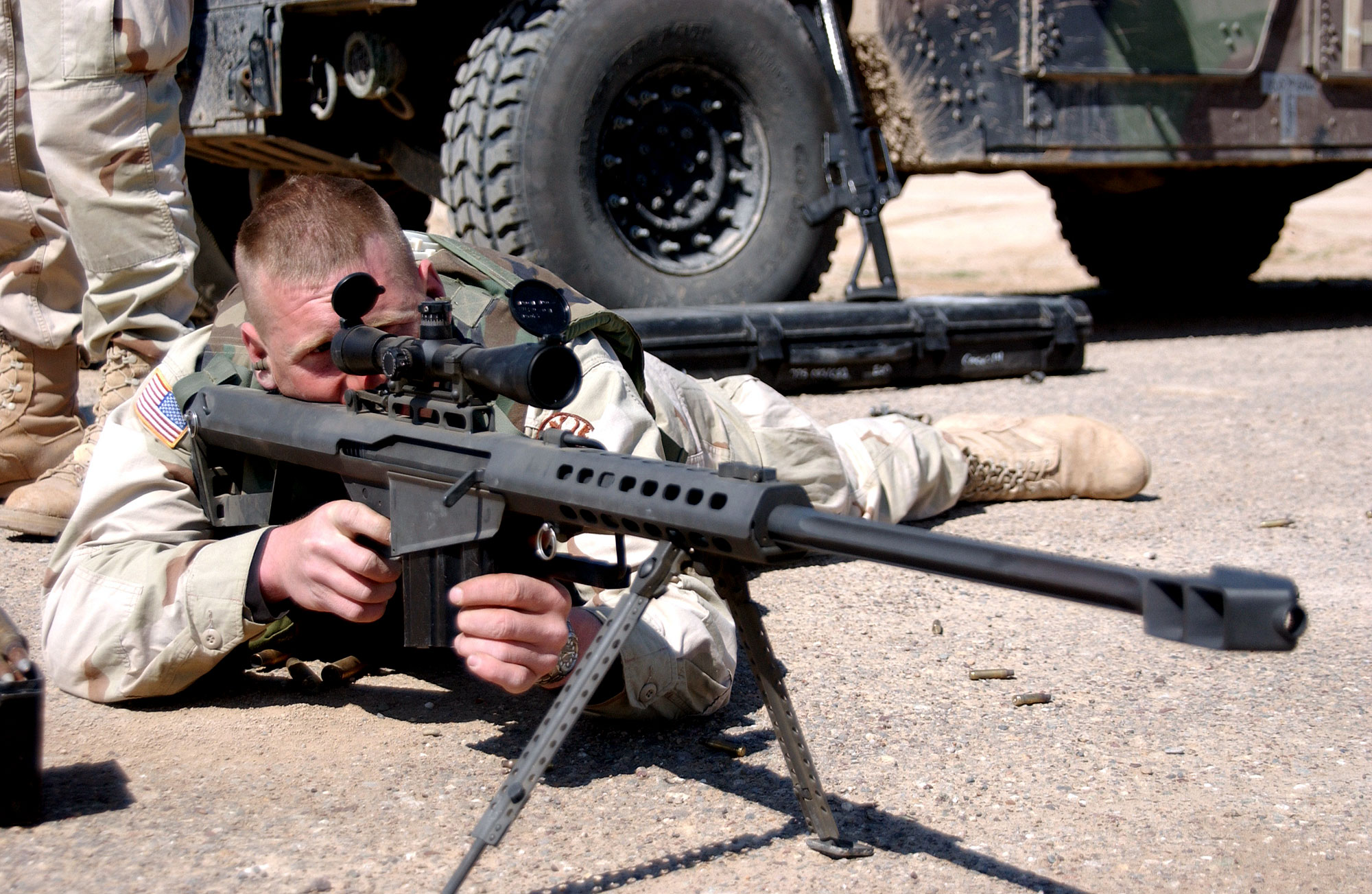
The M107 is commonly described as an anti-materiel rifle because its intended value extends beyond engaging individual personnel. The .50 BMG cartridge can be used against equipment and other hard or lightly protected targets, giving specialized units an option between ordinary small arms and much heavier weapons. Barrett’s M82 family saw combat use during Operation Desert Storm, where the rifles were employed against targets such as radar installations and light armored vehicles. The M107 later continued that lineage in U.S. service, including explosive ordnance disposal roles.
9. The Truck Story Is About Capability, Not Magic
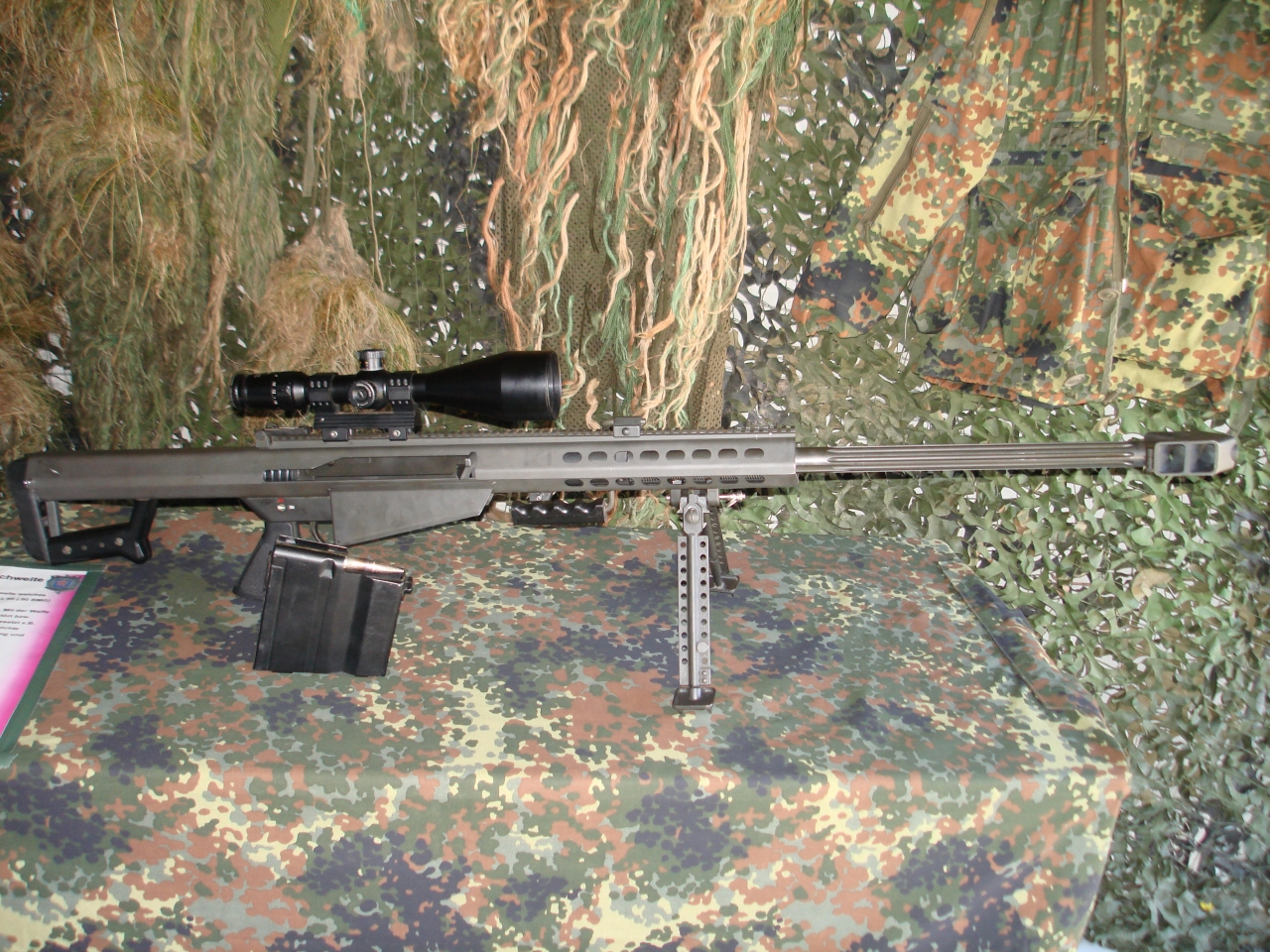
The phrase “stop a truck” captures the M107’s intimidating reputation, but it should not be taken as a guarantee that every shot will disable every vehicle. A vehicle’s construction, armor, components and circumstances all matter. What the M107 genuinely offers is a powerful .50 BMG platform capable of reaching and damaging suitable materiel targets at distances beyond conventional rifles. With a listed 853 m/s muzzle velocity using the standard 660-grain projectile, a 10-round magazine and a roughly 27.5-pound chassis, its reputation comes from engineering and ammunition, not mythology.