Rifle manufacturers often introduce features designed to improve comfort, convenience, accuracy, or versatility. On paper, these additions can sound like obvious improvements, especially when product descriptions emphasize innovation and performance. However, real-world use can reveal trade-offs that are easy to overlook before making a purchase. Extra weight, complicated adjustments, higher maintenance demands, and unnecessary bulk can change the experience considerably. Here are 9 rifle features that may seem appealing initially but can become less practical once their advantages are weighed against everyday handling and intended use.
1. Overly Complicated Adjustable Stocks
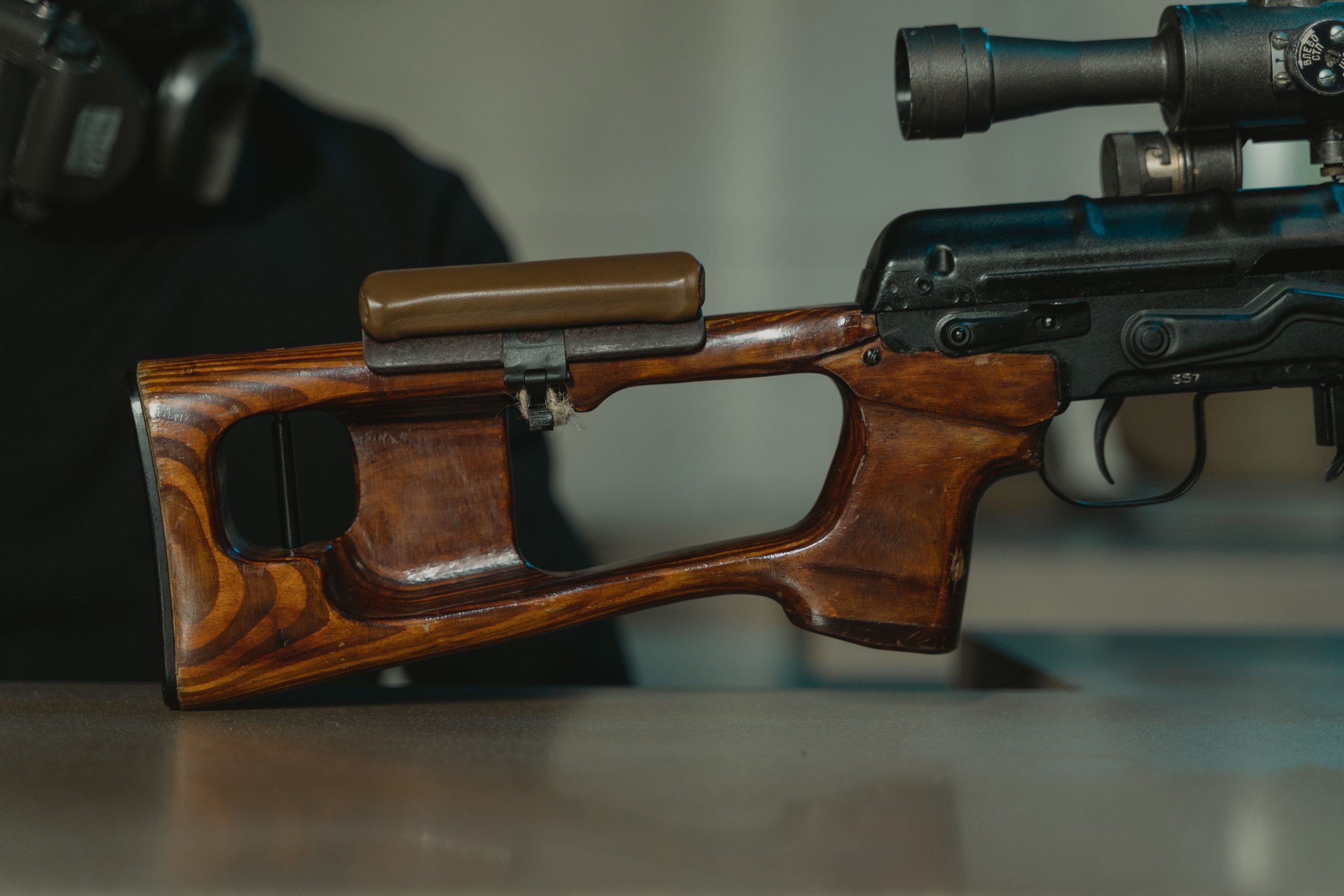
An adjustable stock can help a rifle fit different shooters, but adding too many adjustment points may create unnecessary complexity. Some designs offer changes to length of pull, cheek height, and other dimensions, with several settings available for each feature. A stock with 4 or 5 adjustment mechanisms can take longer to configure than a simpler design. Extra joints may also introduce movement, rattling, or additional cleaning requirements. For someone who rarely changes shooting positions or shares a rifle with others, this flexibility may provide little benefit. A secure, comfortable fit matters more than having the largest possible number of adjustments.
2. Excessively Heavy Barrel Profiles
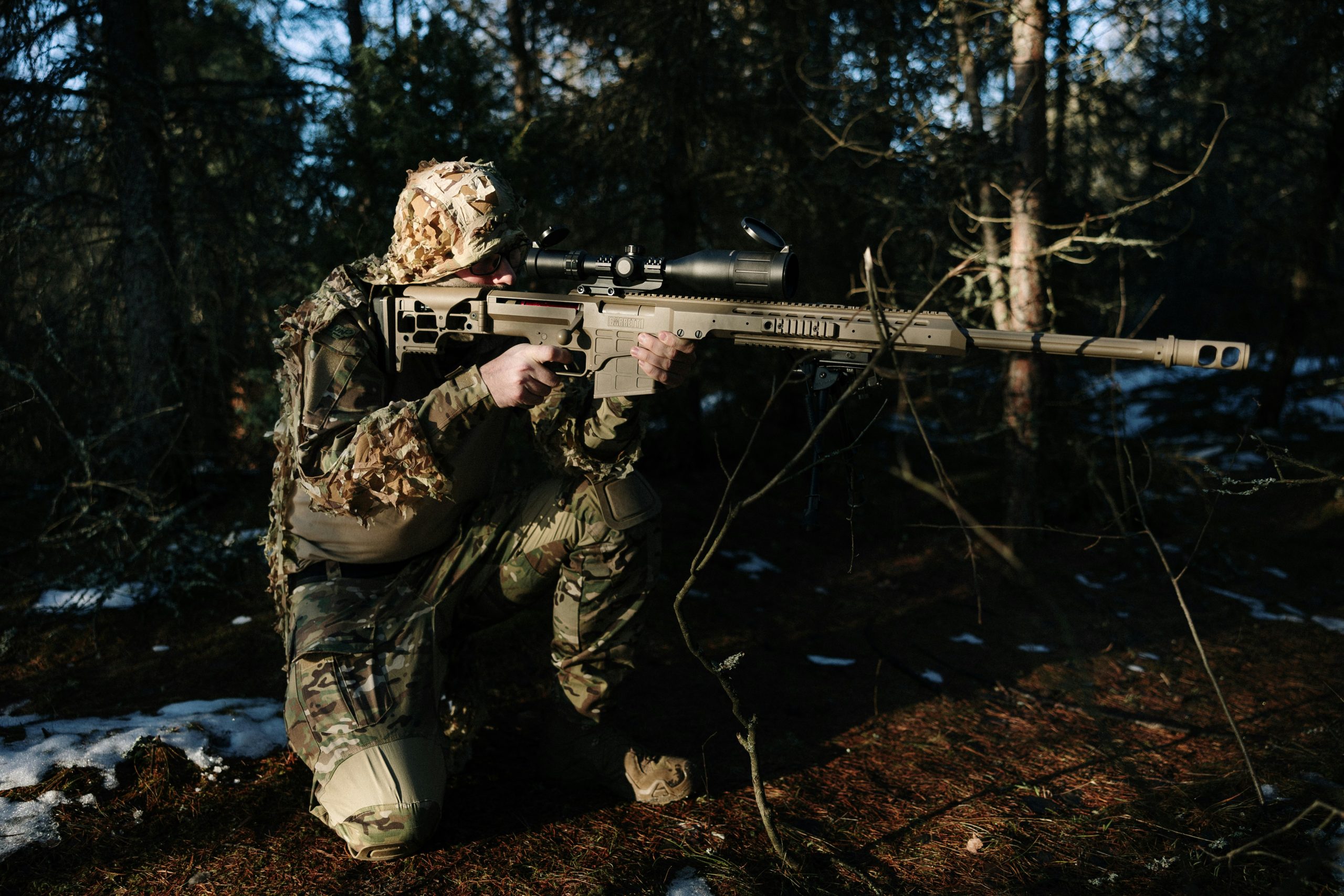
Heavy barrels are often associated with improved consistency during extended shooting sessions because their additional mass can help manage heat. However, that advantage comes with a noticeable weight penalty. A barrel weighing several pounds more than a lightweight alternative can make a rifle tiring to carry over a 3-mile hike or through uneven woodland. The extra mass may be useful on a stationary range, where the rifle remains supported for long periods, but less appealing for hunting. Barrel weight also affects overall balance, particularly when other accessories are installed. Choosing a profile involves weighing heat management and stability against portability, fatigue, and the rifle’s intended purpose.
3. Oversized Muzzle Brakes
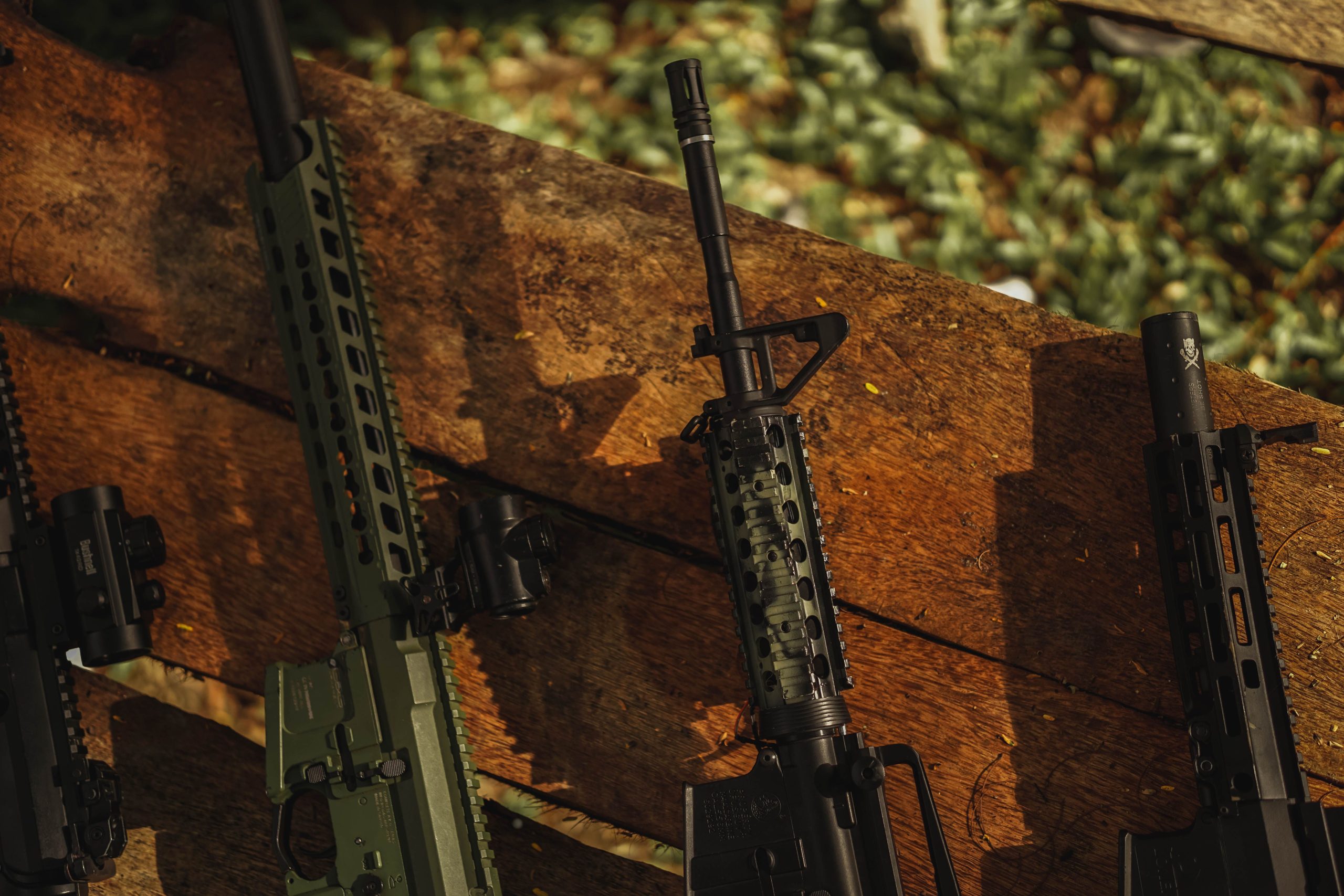
A muzzle brake redirects propellant gases to reduce felt recoil, which can make some rifles more comfortable to shoot. The drawback is that the same gases may produce a sharp blast and considerable noise around the shooter. On a firing line, neighboring shooters can notice the difference immediately, even when wearing hearing protection. Certain brakes also direct pressure sideways, making close-range shooting uncomfortable for people standing nearby. Their effectiveness varies with cartridge, brake design, and rifle weight. A device that reduces recoil substantially may therefore introduce a different set of problems. For many recreational shooters, the practical benefit must be considered alongside noise, blast, and consideration for others.
4. Excessive Rail Space and Accessory Mounts
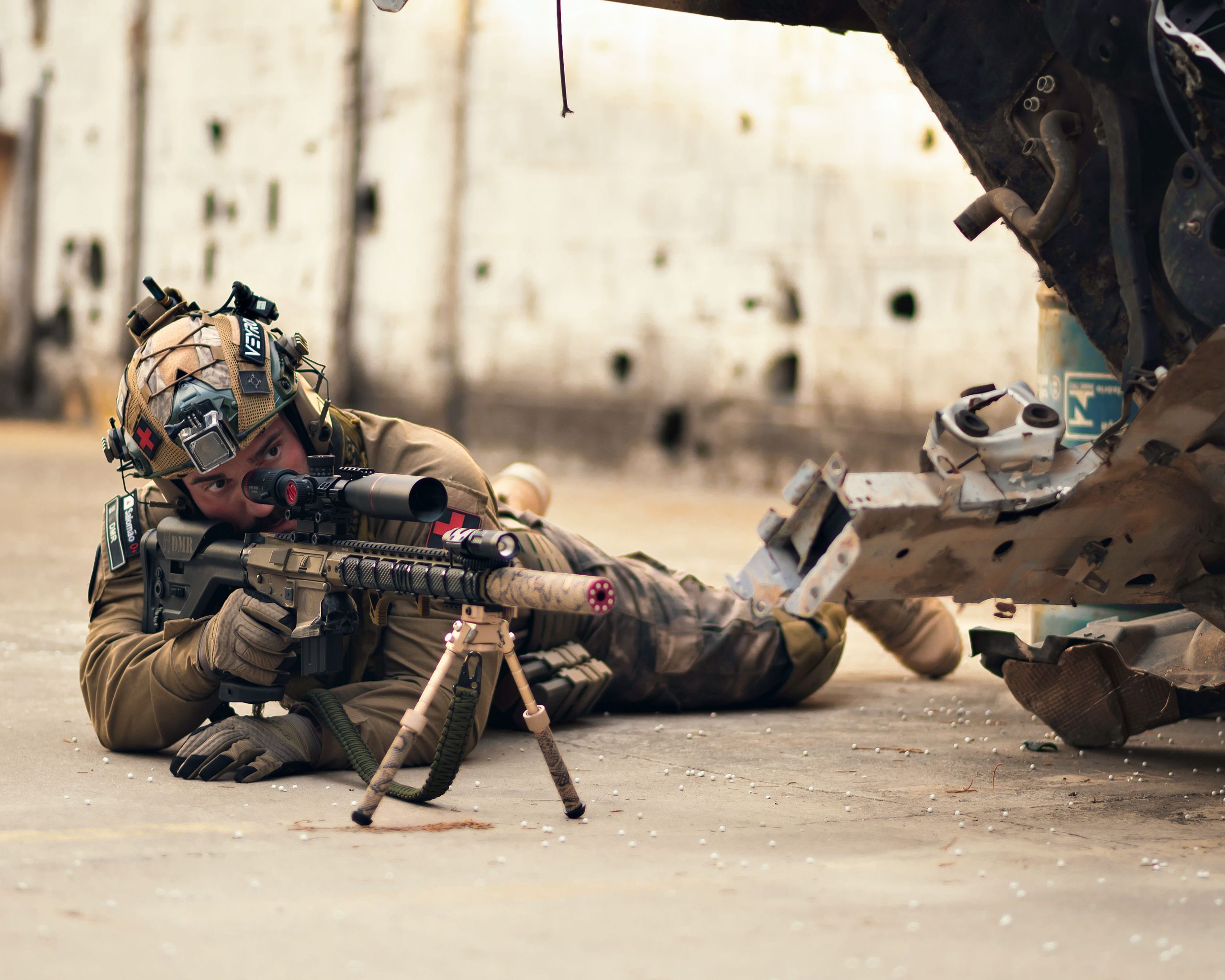
Modern rifles may feature long accessory rails that allow optics, lights, bipods, and other equipment to be attached. Although this modularity sounds convenient, unused mounting space can encourage unnecessary additions. A setup carrying 4 or 5 accessories may become heavier, wider, and more awkward than the original rifle. Extra hardware can also create snag points when moving through dense vegetation or storing the firearm in a case. Every accessory adds cost and may require its own inspection or maintenance. Rails are valuable when equipment serves a clear purpose, but filling every available mounting point rarely improves the experience automatically. A practical setup prioritizes essential equipment over appearance or theoretical versatility.
5. Extremely Short Handguards
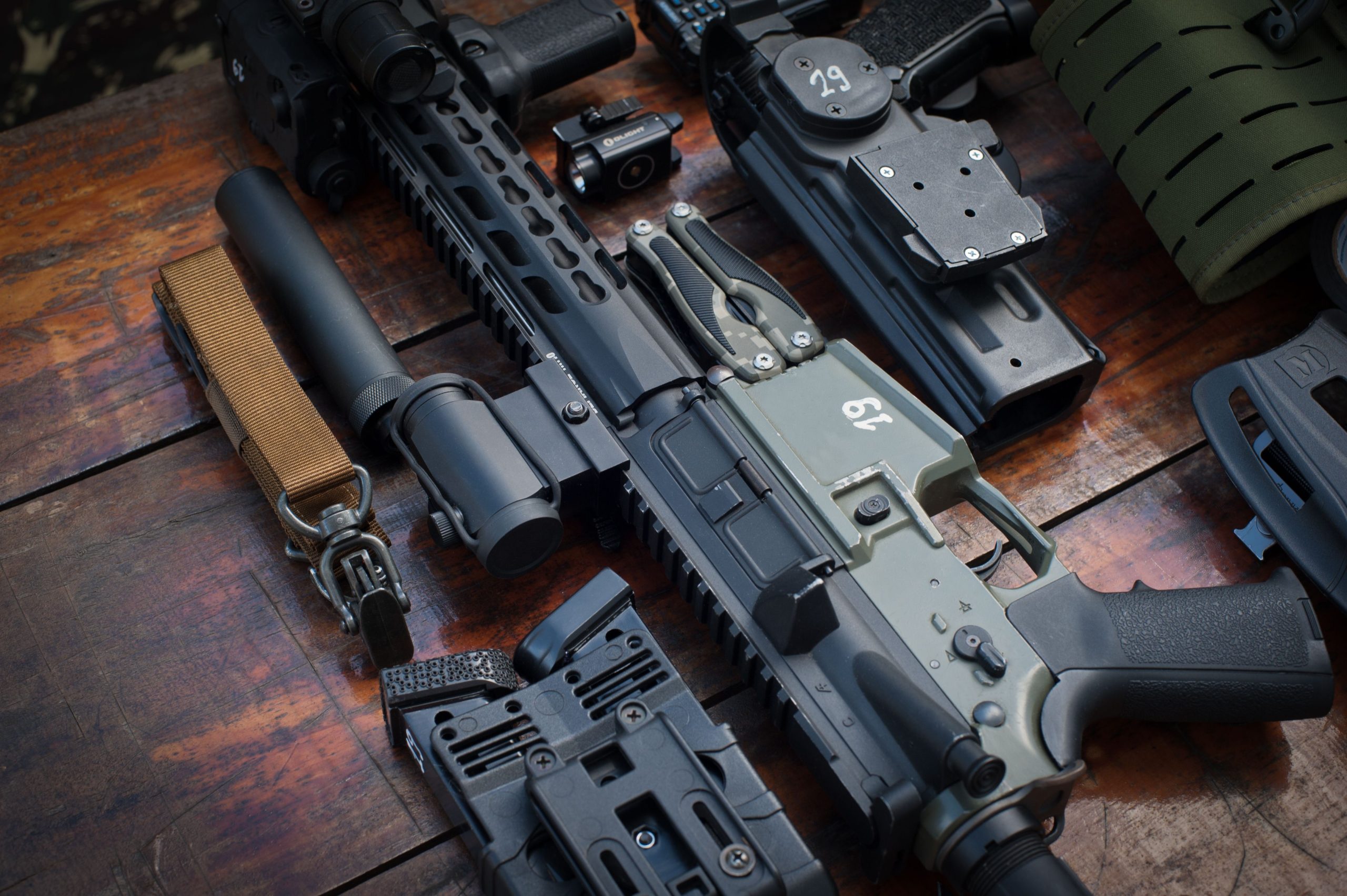
Short handguards can reduce material and create a compact appearance, but they may limit comfort and equipment placement. Depending on the rifle’s design, a handguard measuring around 7 inches offers less space for supporting-hand positions than a longer alternative. Shooters with longer arms may find the available area restrictive, particularly during extended range sessions. Reduced coverage can also leave less room for accessories and may expose more of the barrel assembly to accidental contact. These disadvantages depend on the firearm’s configuration and the shooter’s proportions. A shorter component can suit a compact platform, but choosing one purely for appearance may sacrifice useful support and comfort during ordinary use.
6. Complicated Folding Mechanisms
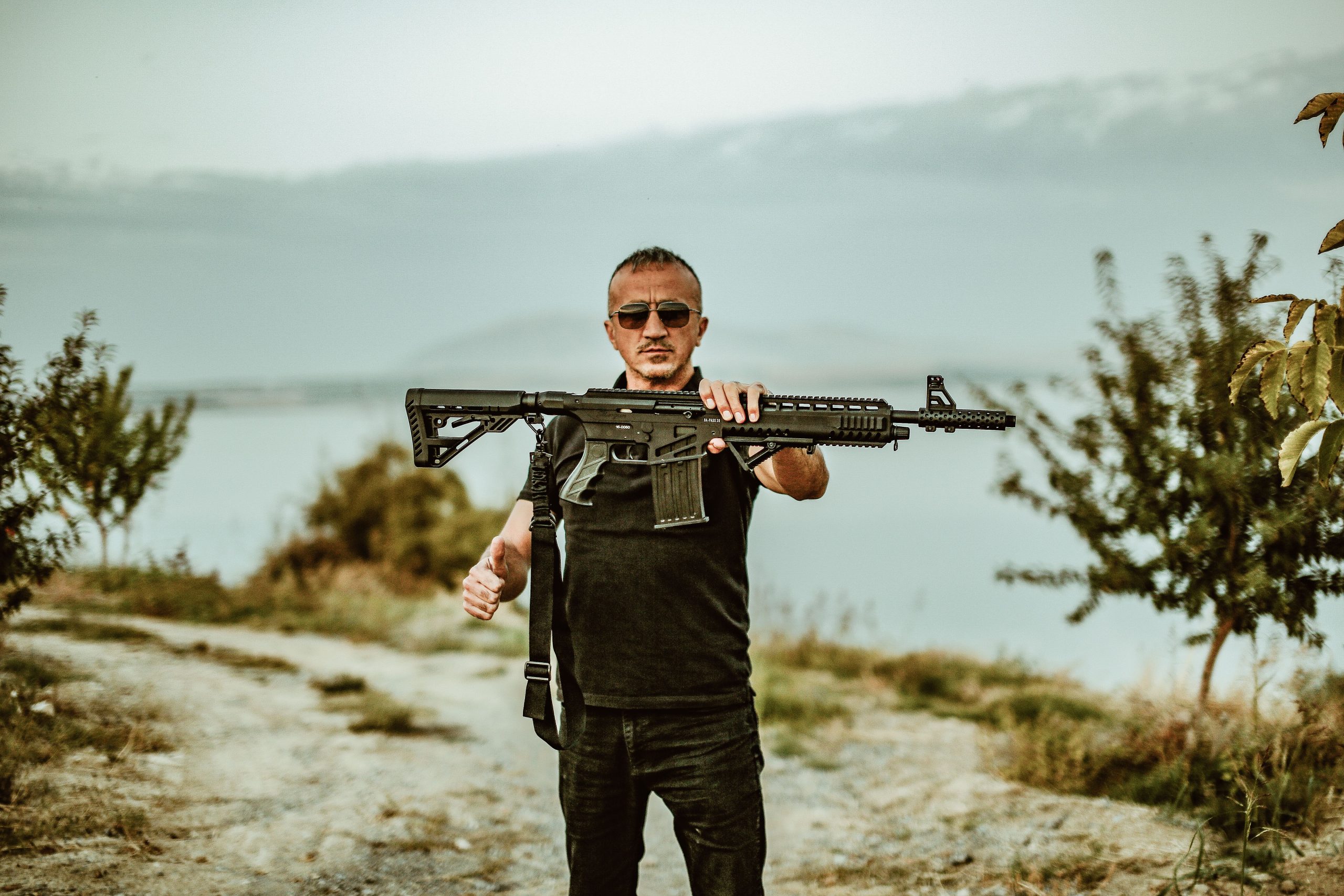
A folding stock can make a rifle easier to store or transport, particularly when space is limited. However, the mechanism introduces moving parts, locking surfaces, and additional points that require inspection. Some designs also add noticeable weight or create a different balance when unfolded. A rifle with a folding mechanism may measure several inches shorter when folded, yet that advantage matters little if the owner rarely needs compact storage. Mechanical wear, dirt, or an improperly secured locking component can also affect reliable operation. Quality designs can work well, but the extra mechanism is not automatically an improvement. Buyers should consider how often folding is genuinely useful rather than treating compact storage as an everyday necessity.
7. Oversized Tactical Charging Handles
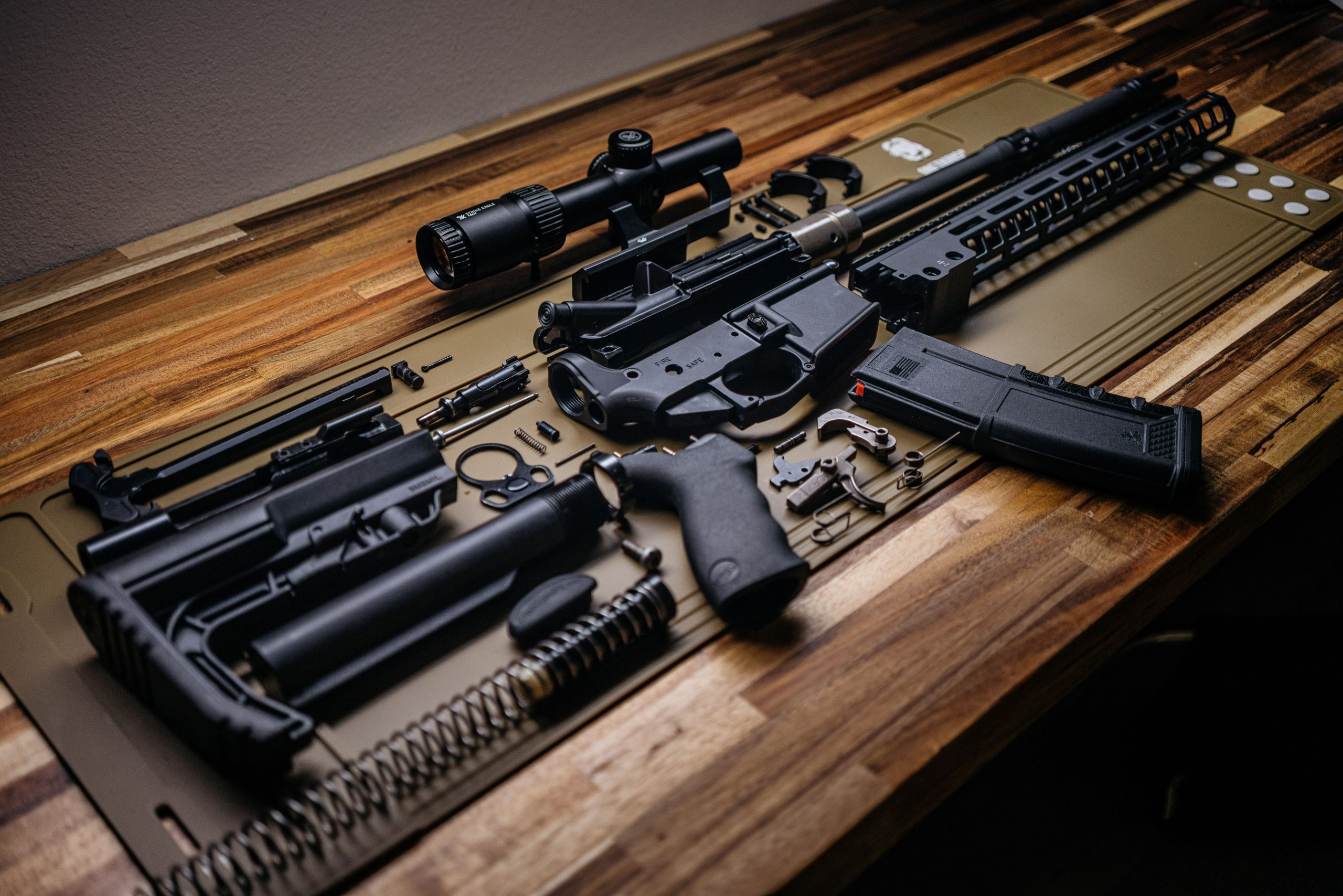
An enlarged charging handle is intended to make manual operation easier, especially when gloves are worn or access is restricted. However, a handle with an unusually large latch can catch on clothing, equipment, or the inside of a rifle case. Some designs also protrude farther than necessary, creating extra bulk without offering a meaningful advantage to every shooter. The difference may be particularly noticeable during routine handling and storage. Compatibility is another consideration because aftermarket parts do not fit every rifle model. A larger component can be helpful for people who struggle with a standard handle, but maximum size is not the same as maximum usability. A secure grip and reliable fit remain essential.
8. Integrated Bipods That Add Permanent Weight
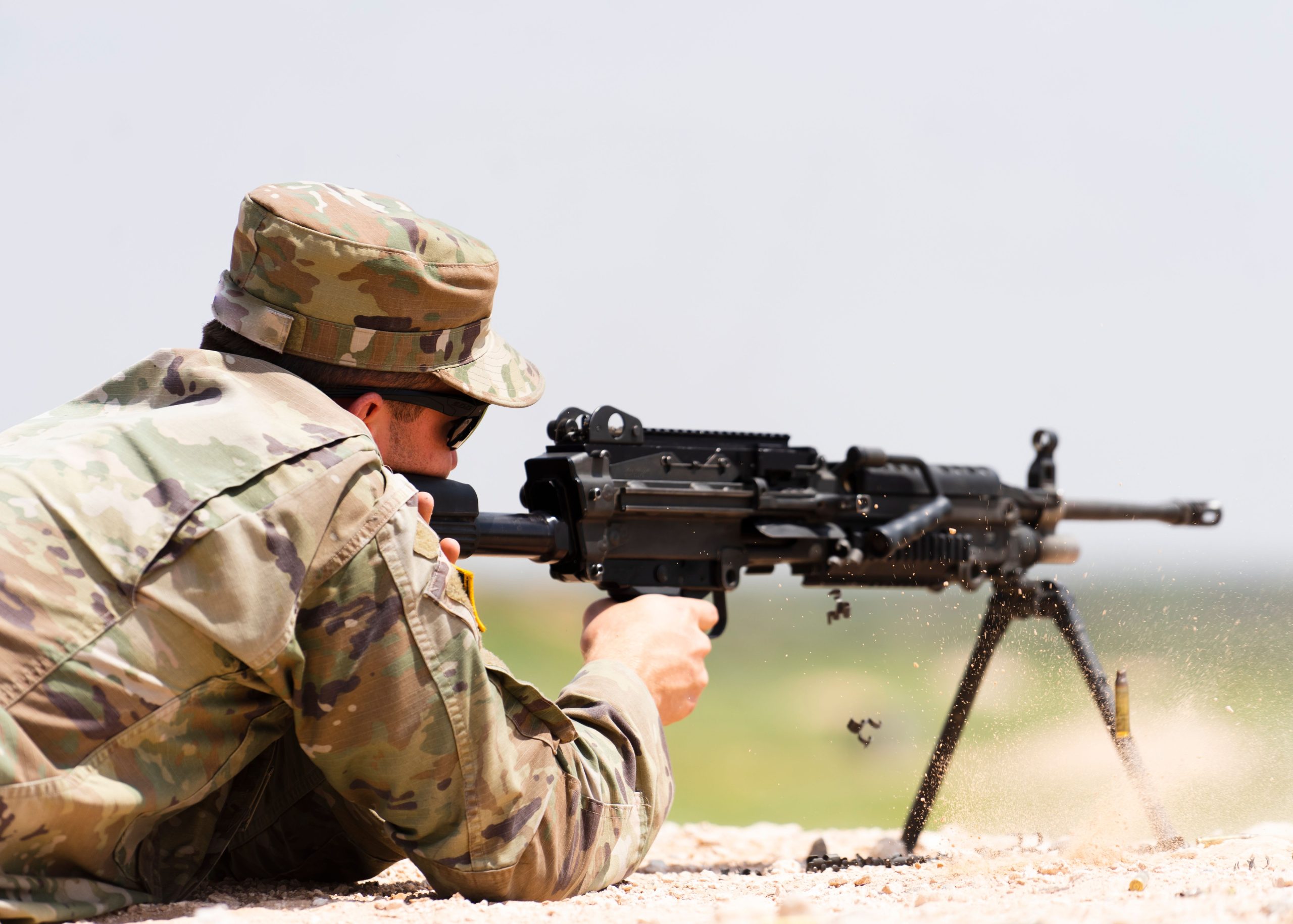
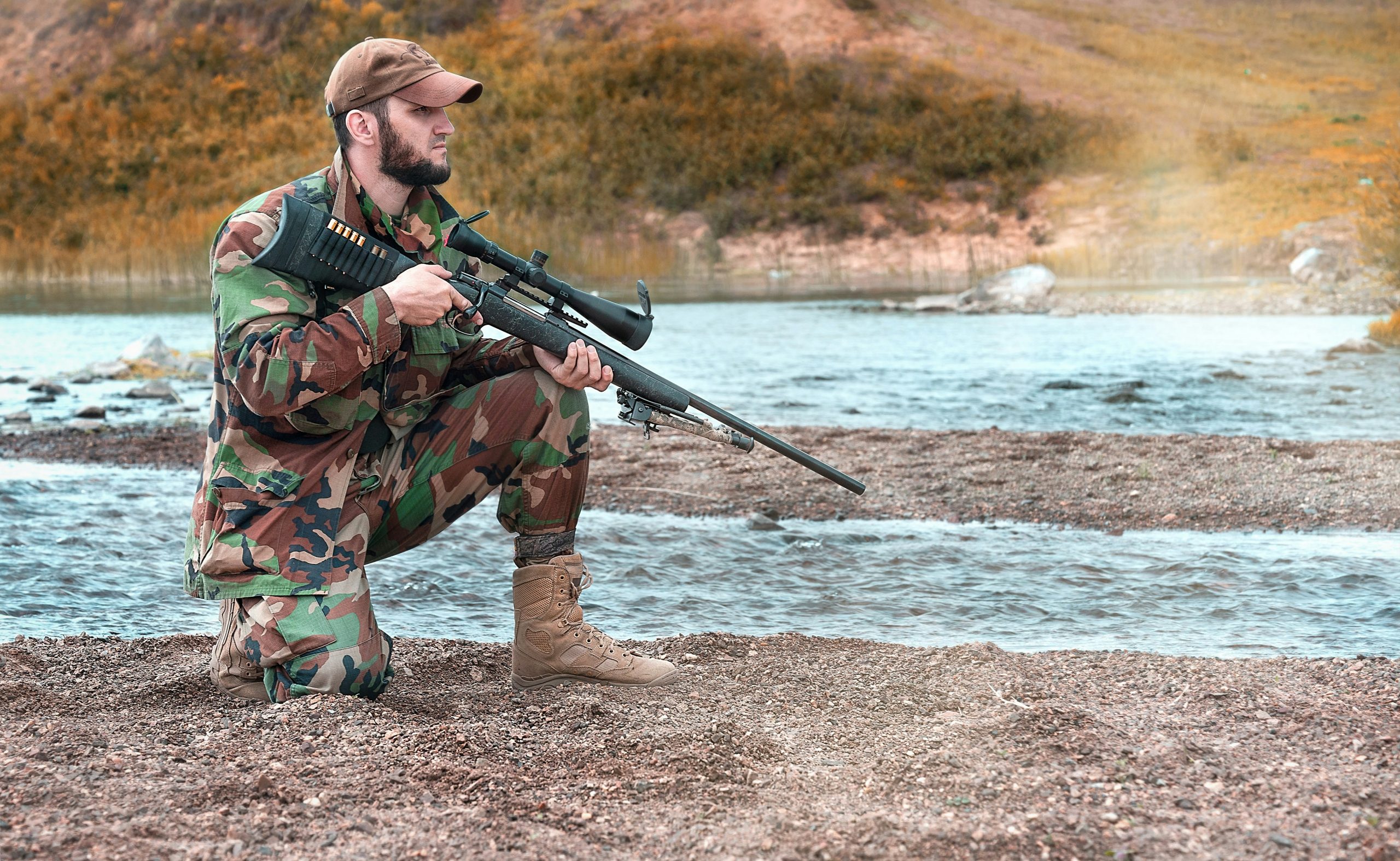
A bipod provides a stable front support for a rifle, making it useful during certain range activities and hunting situations. An integrated or permanently attached model, however, adds weight even when no support is needed. A unit weighing 1 to 2 pounds can make a noticeable difference on a rifle already carried over several miles. Its legs may also catch on vegetation, interfere with storage, or alter how the rifle rests against a sling or pack. Detachable designs offer flexibility, although they introduce their own mounting considerations. For shooters who spend most of their time standing, carrying, or moving between positions, permanent support hardware may be less practical than it first appears.
9. Overly Complex Iron Sight Systems
Iron sights remain useful on many rifles, but complicated designs can make a straightforward aiming system harder to understand and maintain. Some adjustable models include several apertures, multiple elevation settings, and fine windage controls. While these options can serve specific shooting requirements, a casual shooter may rarely use more than one or two settings. A system with 3 or 4 selectable configurations can also create confusion if its markings are unclear or its adjustments are unfamiliar. Additional moving parts may need periodic inspection to ensure they remain secure. Simple sights can be effective when properly fitted and understood. More adjustment options are worthwhile only when they match the shooter’s actual needs.