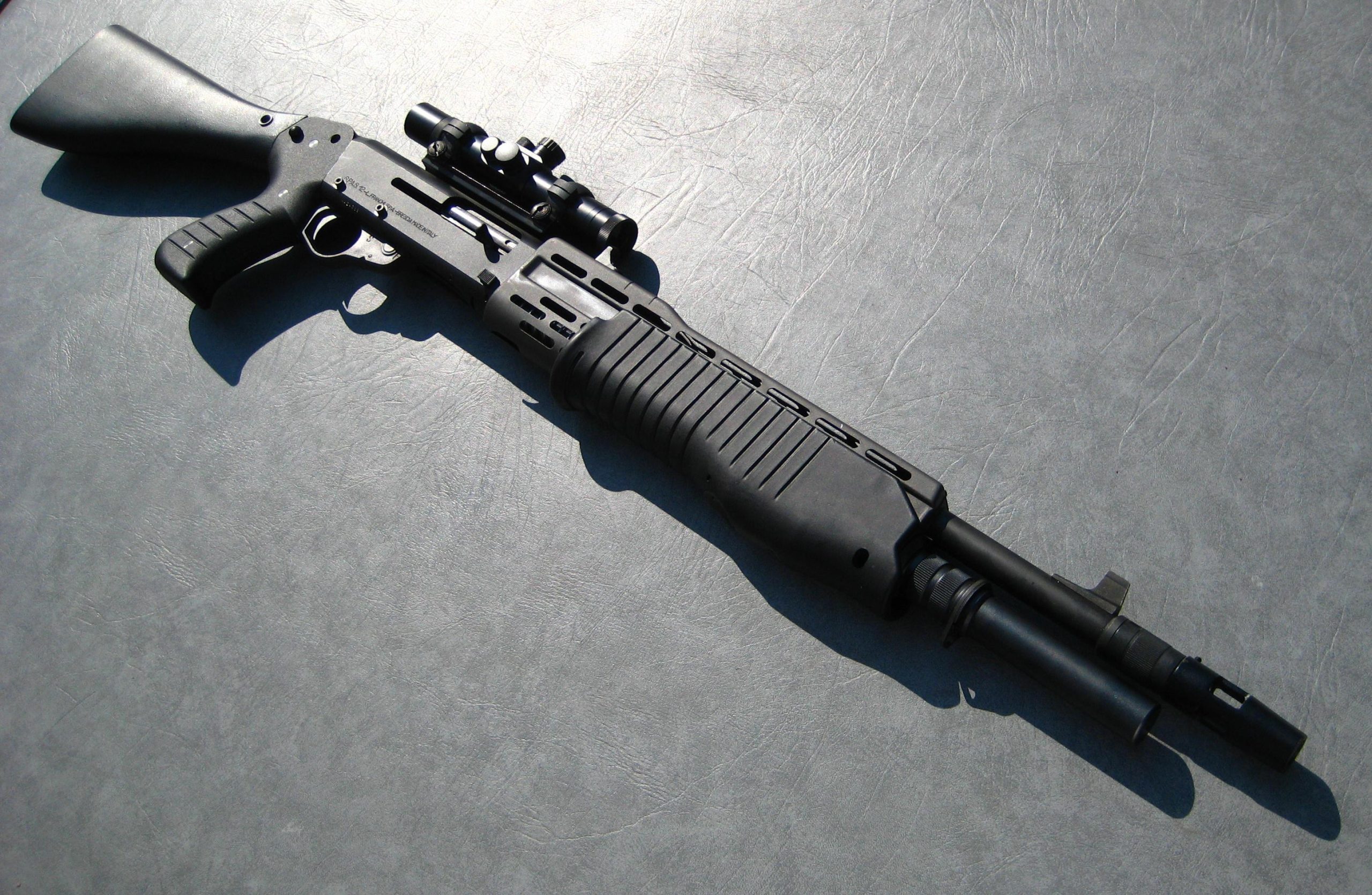
The SPAS-12 became one of the most recognizable tactical shotguns of the late 20th century, but its American import history is more complicated than the phrase “banned forever” suggests. The important turning point came from federal interpretation of the sporting purposes test, rather than a single law aimed specifically at the SPAS-12. ATF had already begun examining whether unusual, military-oriented shotguns belonged in the sporting market. By 1989, the SPAS-12 faced serious import restrictions, although a modified sporting version was subsequently approved for a limited period.
1. The “sporting purposes” rule changed everything
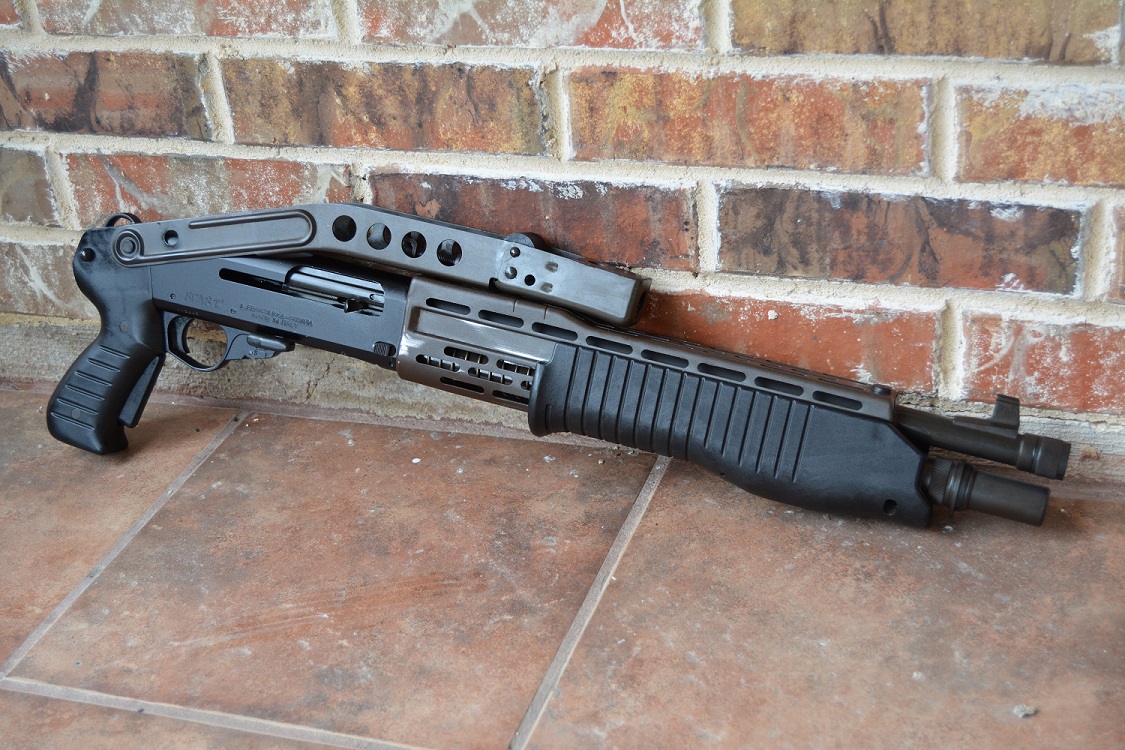
The SPAS-12 did not simply become illegal because lawmakers disliked its appearance. The key issue was import eligibility under 18 U.S.C. §925(d)(3), which required an imported firearm to be particularly suitable for, or readily adaptable to, sporting purposes. ATF had already begun applying that standard more strictly to unusual shotguns. In 1984, the agency rejected the Striker-12 and Streetsweeper, showing that a shotgun could fail the test. By 1989, the SPAS-12’s military and law-enforcement character made continued ordinary importation increasingly difficult. This was a regulatory import decision, not a blanket congressional prohibition.
2. Its design looked far removed from a traditional sporting shotgun
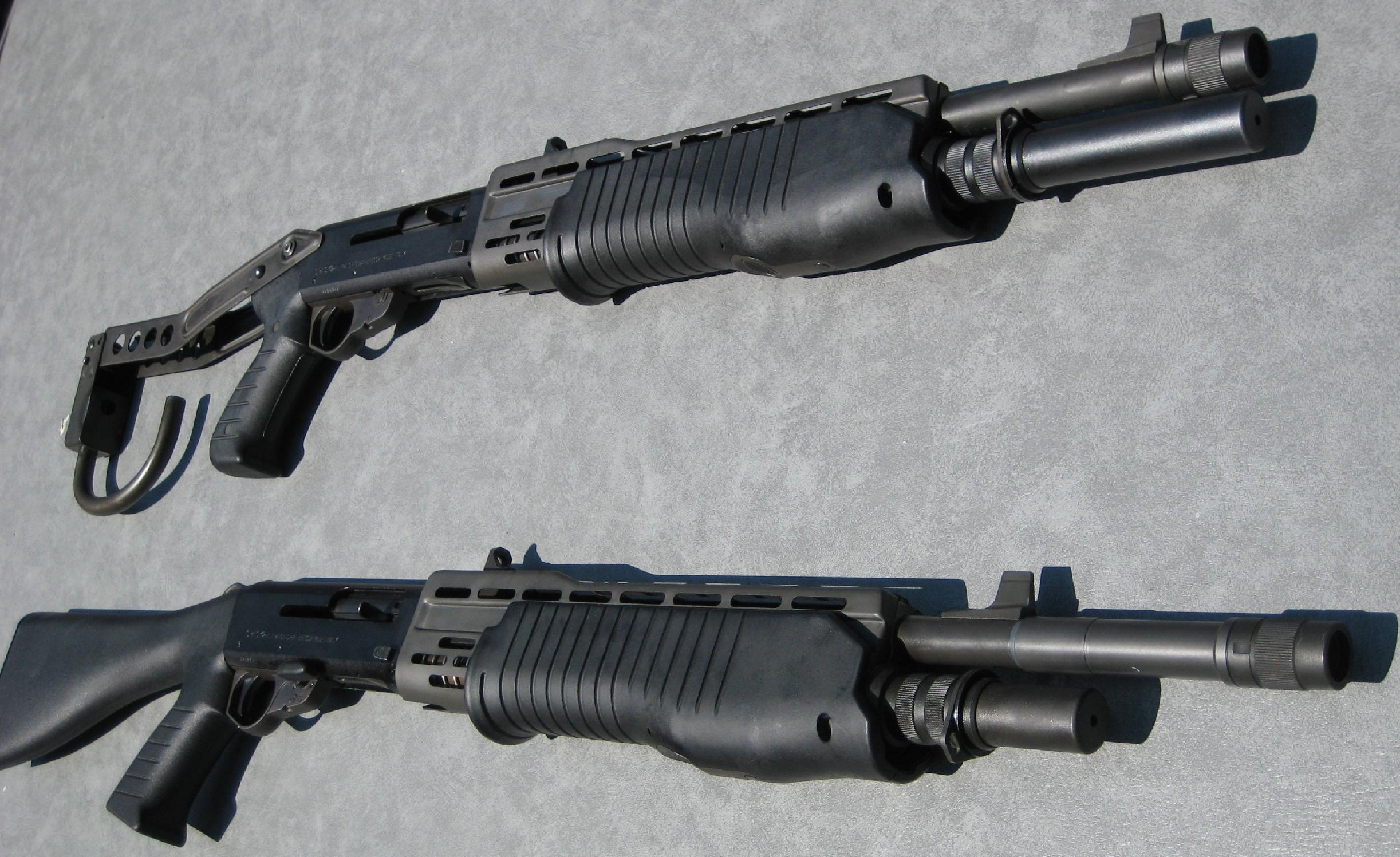
A major problem for the SPAS-12 was that its design looked unlike the traditional sporting shotguns used for hunting, trap, and skeet. It was created in Italy by Luigi Franchi for military and police roles, and its distinctive controls and configuration reinforced that identity. ATF’s sporting analysis considered practical characteristics rather than simply asking whether an owner could hunt with it. That distinction mattered. A firearm could have a lawful sporting use yet still fail the import test if its overall design was not regarded as particularly suitable for recognized sporting activities. The number to remember is 1989, when the federal import landscape changed.
3. Its dual operating system added to its unusual identity
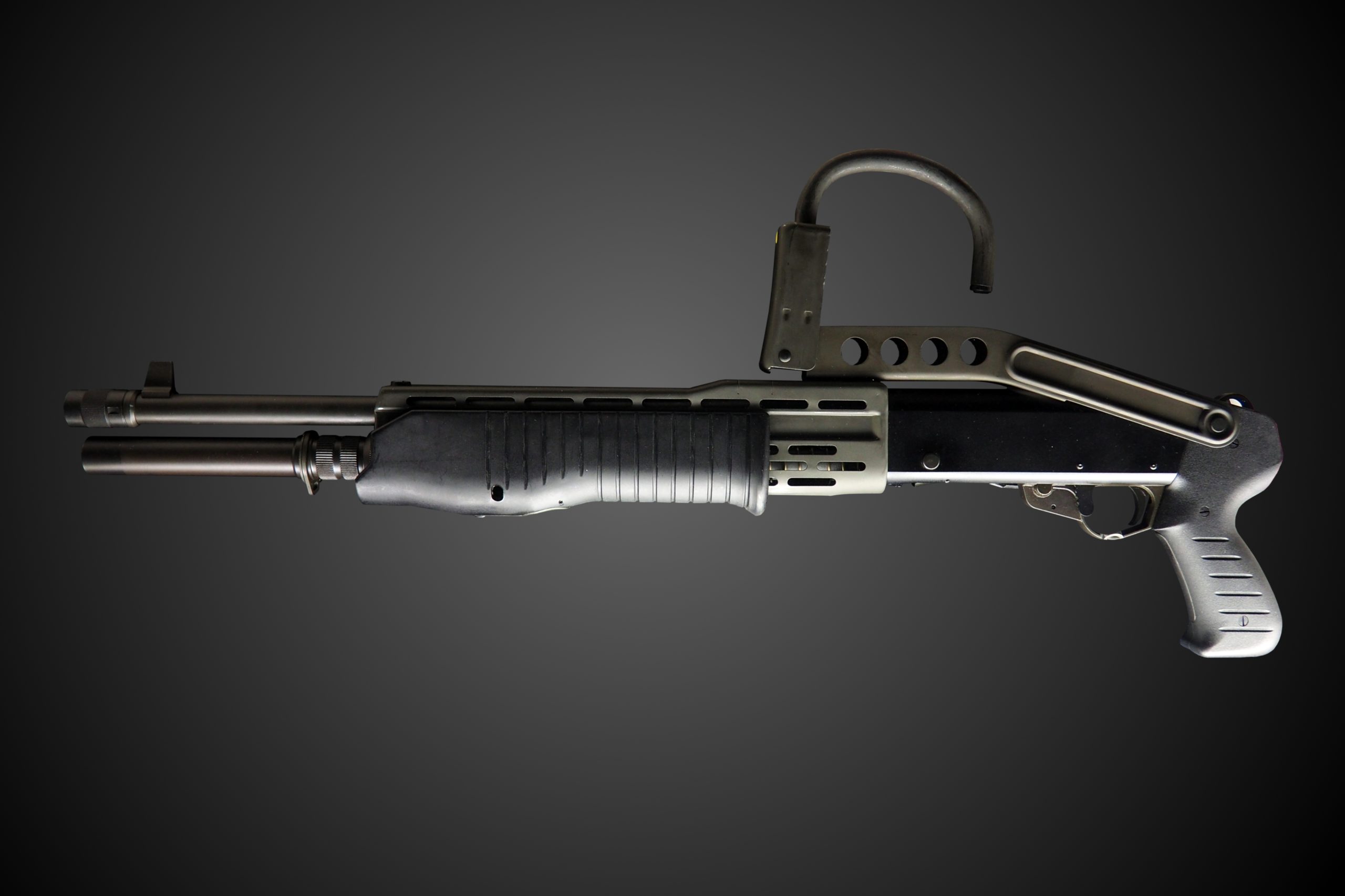
The SPAS-12’s unusual dual operating system also made it stand apart from ordinary sporting shotguns. It could function as a semiautomatic shotgun and, through its design, be configured for pump operation when ammunition conditions required it. That flexibility was useful, but it also strengthened the impression that the gun was engineered around demanding service roles rather than conventional hunting. The important point is that ATF did not need to prove the mechanism was dangerous by itself. The agency evaluated the firearm as a package, considering its configuration, purpose, and sporting suitability. That broader approach helped place the SPAS-12 in regulatory trouble.
4. Military-style features worked against its import case
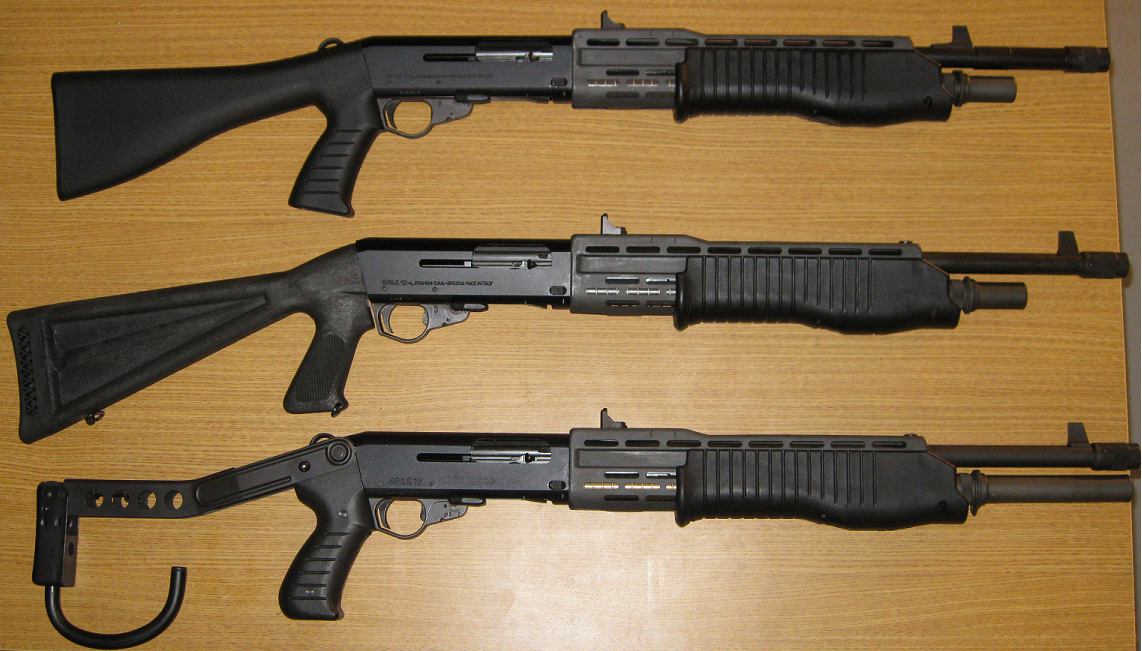
Its physical configuration was another major factor. The original SPAS-12 became famous for features such as a folding metal stock, pistol-style grip, and a distinctive hooked stock arrangement on some versions. Those features were visually and functionally associated with tactical use, even though appearance alone did not create the legal restriction. Federal import decisions looked at how a firearm was configured and what purposes that configuration served. The 1989 era was especially important because ATF was scrutinizing firearms whose military-style characteristics separated them from conventional sporting arms. That made the SPAS-12 difficult to fit inside the older sporting category.
5. Its size and capacity did not fit the traditional sporting model
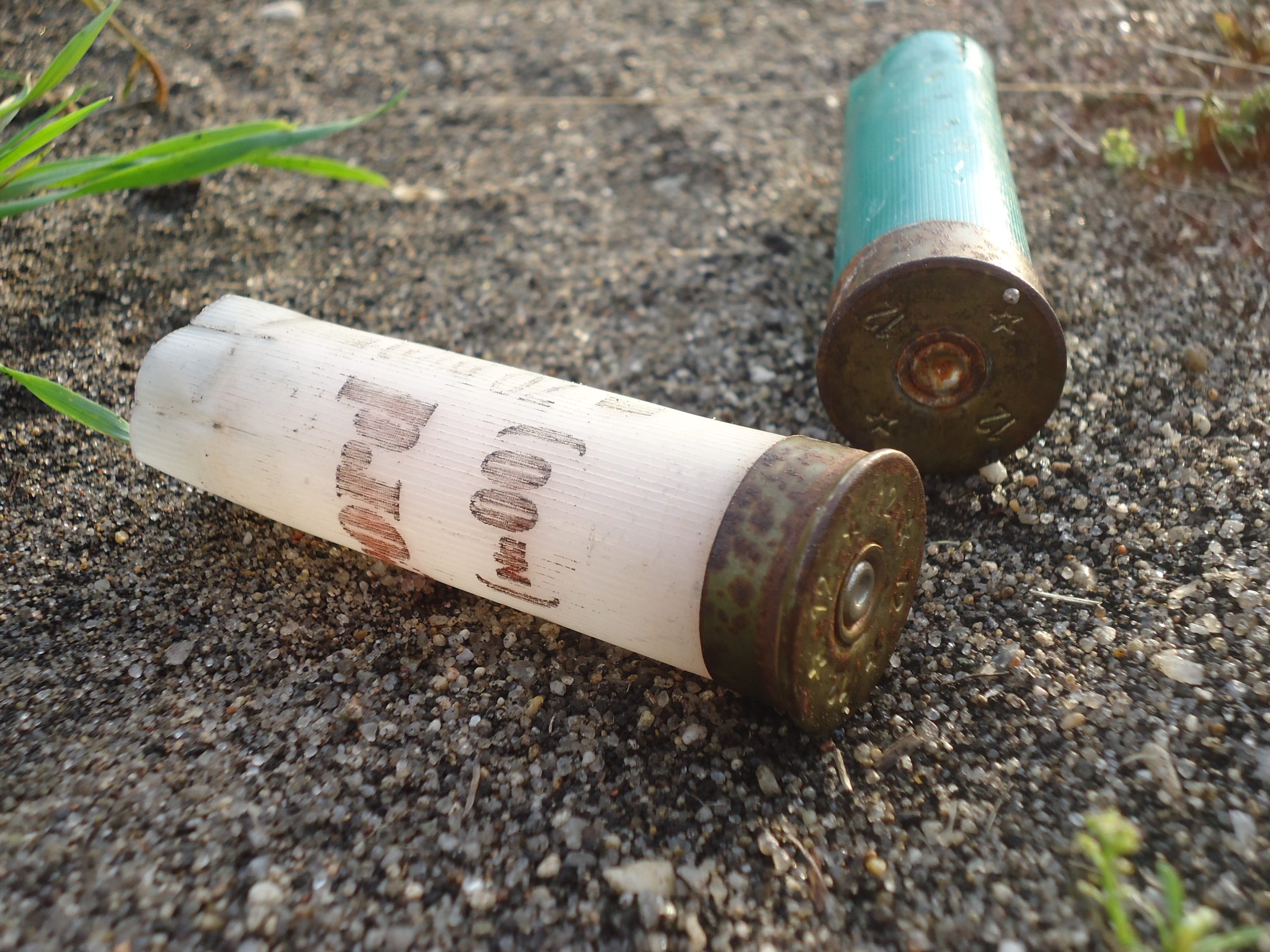
Capacity and overall bulk also mattered in the regulatory environment of the period. The SPAS-12 was a large 12-gauge repeating shotgun, with commonly encountered configurations holding 8 shells, although capacity varied by model and market configuration. ATF had already considered size, weight, bulk, and capacity when judging other unconventional shotguns. Those characteristics could make a firearm less practical for traditional hunting or clay-target sports. The issue was cumulative rather than dependent on one feature. Its dimensions, repeating capability, and tactical configuration made the SPAS-12 harder to characterize as a conventional sporting shotgun.
6. Police and combat-style competition was not enough
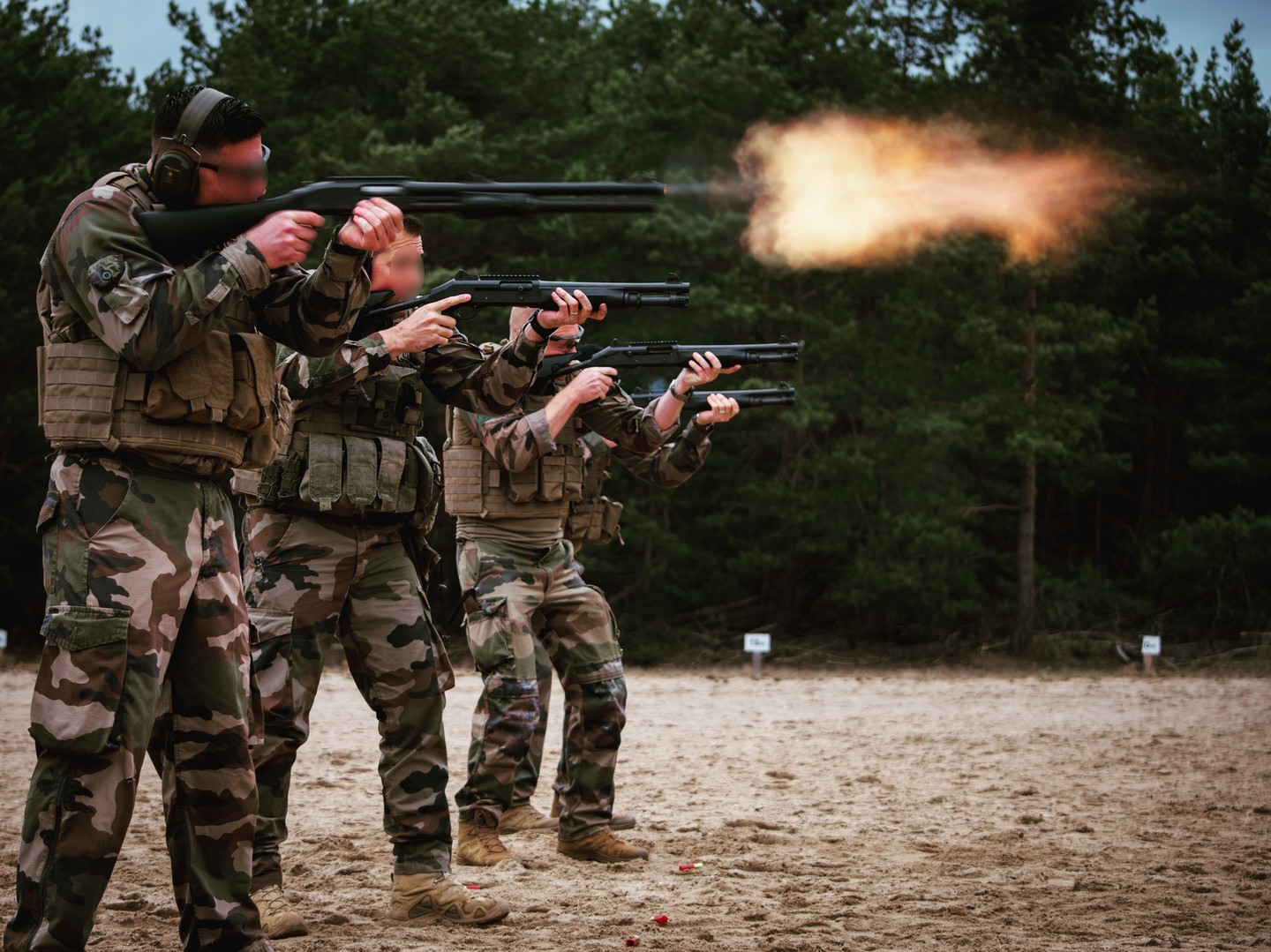
The law also drew a sharp line between ordinary sporting competition and activities resembling police or combat use. ATF’s 1984 review rejected the argument that police-style combat competitions automatically qualified as “sporting purposes.” Instead, the agency emphasized traditional activities such as hunting, trap, and skeet. That history mattered when later firearms with tactical designs were evaluated. The SPAS-12’s reputation among military and law-enforcement users therefore worked against its import case, even though civilian owners could legally use a shotgun for legitimate purposes. The key figure is 1984, when that interpretation was established.
7. The 1989 restriction did not erase every SPAS-12

Another reason the story is often misunderstood is that “banned from import” did not mean every SPAS-12 disappeared from America. Importation began in 1982 and was stopped under the stricter 1989 regime, but a modified sporting version appeared afterward. In 1990, American Arms brought in a redesigned configuration marketed as the Sporting Purpose Automatic Shotgun, with changes intended to satisfy federal requirements. ATF accepted that modified variant for a period, illustrating how a specific configuration could change an import determination. The timeline therefore has 3 dates- 1982, 1989, and 1990- showing that the restriction was more nuanced than a permanent prohibition.
8. Later federal restrictions made the history even more complicated
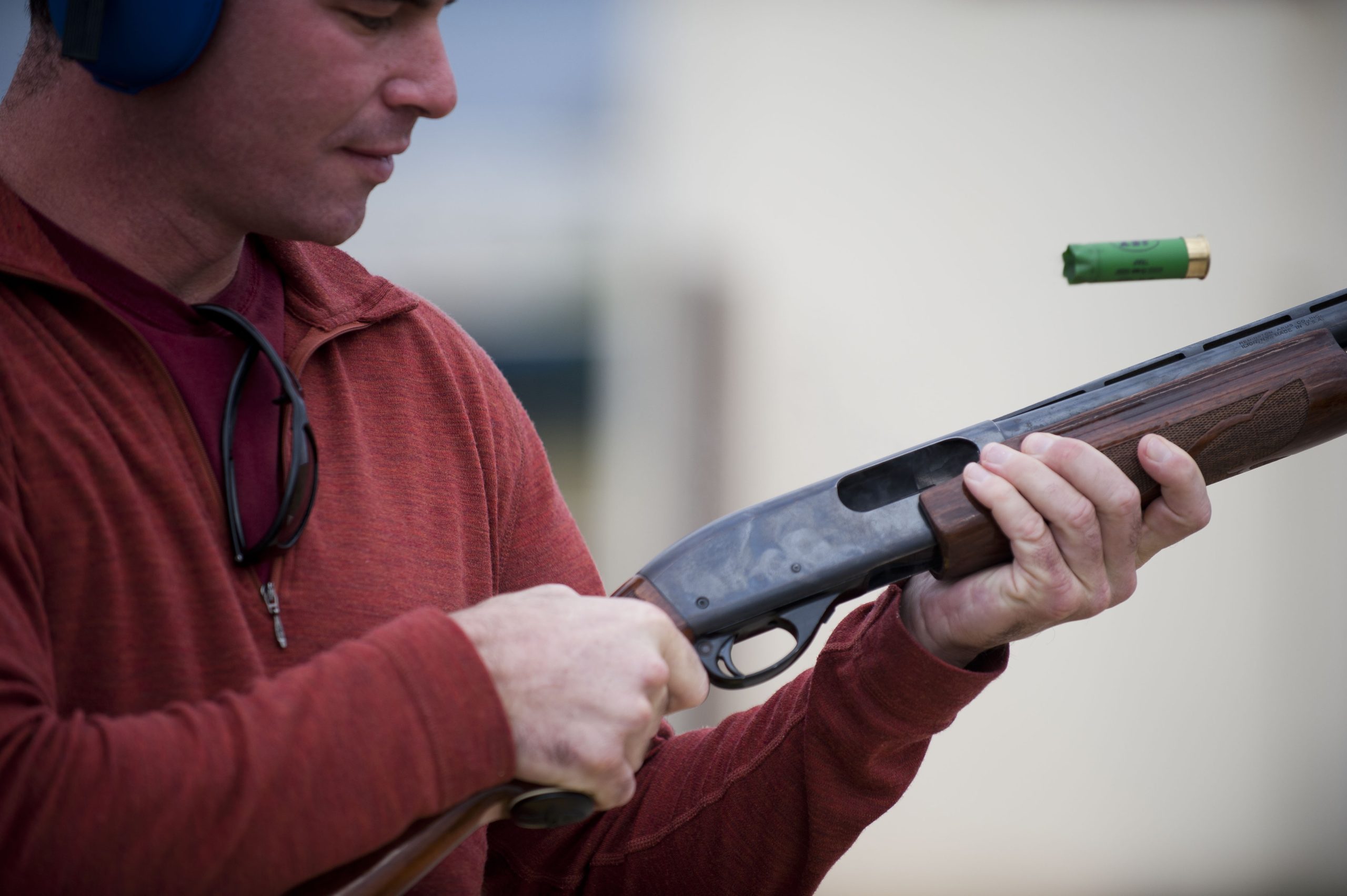
The final reason is the most important: the SPAS-12 was caught in a broader federal effort to define what imported firearms belonged in the civilian sporting market. Its military-style configuration, size, capacity, and specialized design reinforced the prevailing conclusion that it was not a traditional sporting shotgun. Yet saying America “banned it forever” is misleading. Modified examples were imported after 1989, and federal rules later changed. The 1994 federal assault-weapons law also introduced separate restrictions, including limits on certain semiautomatic firearms and magazines over 10 rounds. The SPAS-12 story is therefore a regulatory timeline, not a simple lifetime ban.