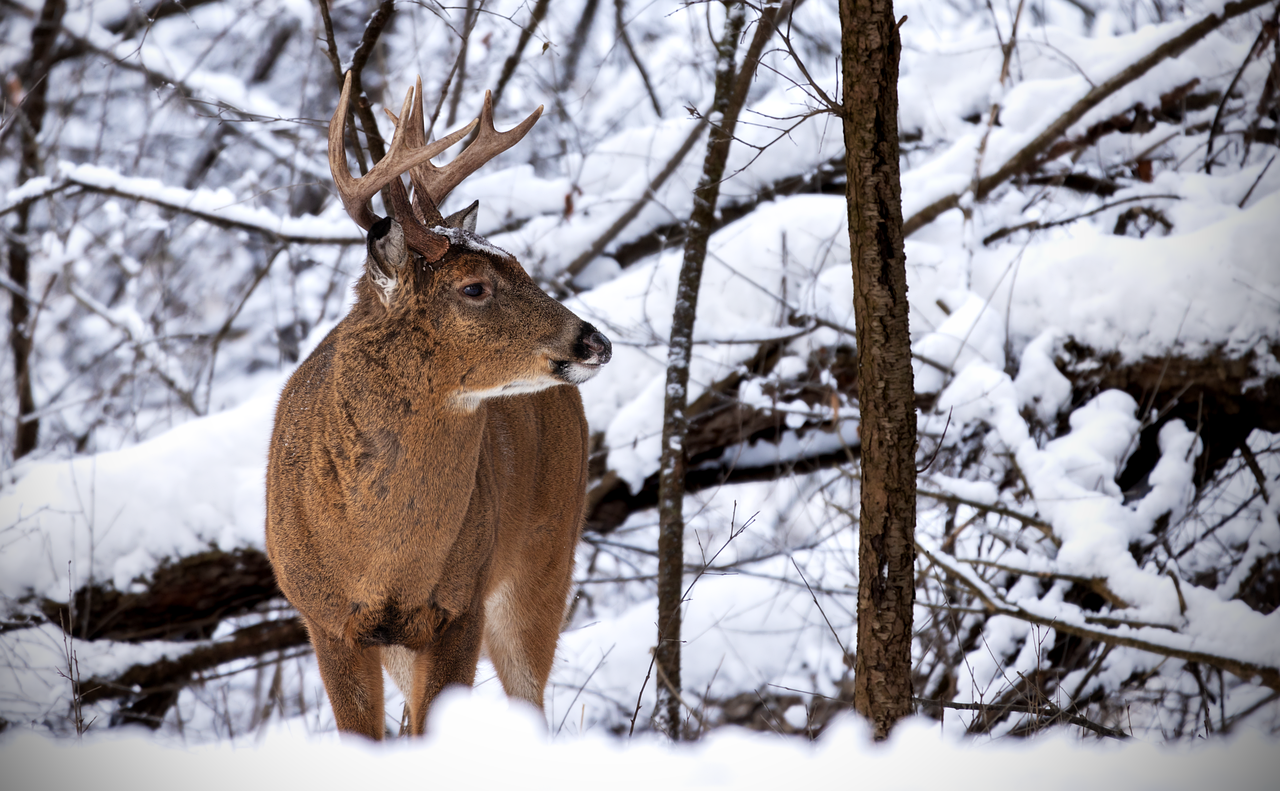
Whitetail deer are still one of North America’s great wildlife success stories, but their numbers and movements are changing in noticeable ways. In some places herds are booming, while in others hunters are seeing fewer deer, older habitat, and more pressure on the landscape. These nine big drivers help explain what is happening and why smart hunters need to adjust how, where, and when they hunt.
Milder winters are changing survival rates

Winter used to be a hard reset in many northern deer ranges. Deep snow, cold stress, and limited food often thinned herds and shaped where deer could reliably survive. When winters come later, end earlier, or stay less severe, more deer make it through to spring.
That sounds simple, but it changes a lot for hunters. Higher survival can mean more does, more fawns, and stronger local numbers, yet it can also push deer into places where food and cover are already stretched. Hunters should watch local winter severity reports and adjust expectations by region, not by old memories.
Habitat loss and habitat change are reshaping the map

Whitetails thrive where food, cover, and edge come together, but those ingredients are changing fast. Subdivisions, warehouse corridors, large scale agriculture, and aging forests can all reduce the kind of patchwork habitat deer use best during different seasons.
In some areas, deer simply shift rather than disappear. They move to overlooked creek bottoms, brushy parcels, neglected corners of farm country, and suburban green space where hunting access is limited. Hunters who rely on spots that produced a decade ago may be hunting a memory. The better move now is to scout for current bedding cover, fresh browse, and travel routes tied to today’s landscape, not yesterday’s.
Predators are affecting fawn recruitment

In many regions, the biggest population story is not adult deer harvest but how many fawns survive their first weeks. Coyotes, black bears, bobcats, and other predators can lower recruitment, especially where cover is thin and nutrition is poor. A herd can look stable one year and slip quietly the next if too few fawns join it.
For hunters, this matters because recruitment shapes the future age structure of the herd. Fewer fawns now can mean fewer yearlings and fewer mature bucks later. Pay attention to summer trail camera photos, state survey data, and local observations of does with fawns. Those clues often tell a clearer story than a single fall hunt does.
Changing farm practices are altering deer nutrition

Farm country still produces a lot of deer, but modern agriculture does not always create steady nutrition across the calendar. Cleaner fields, quicker harvests, fewer small grains, and reduced cover on the landscape can leave deer with feast periods followed by nutritional gaps.
That affects body condition, antler growth, fawn survival, and even where deer spend daylight hours. Hunters often focus on the field that looks best in October, but deer live on a 12 month nutrition schedule. Looking for nearby winter food, summer forage, and secure bedding cover gives a fuller picture. The best hunting setups now often sit where agriculture meets overlooked natural browse and dependable security cover.
Hunting pressure is pushing deer into new routines

Deer numbers are only part of the story. In many places, deer are still around, but they behave differently because pressure starts earlier, lasts longer, and comes from more angles. Trail cameras, preseason intrusion, public land crowds, and suburban disturbance can make mature deer shift travel patterns fast.
Hunters often read that change as a population decline when it is really a behavior adjustment. Bucks may go more nocturnal, use thicker cover, or favor small overlooked parcels that feel safer. The hunters who adapt tend to scout with less intrusion, hunt tighter to bedding when conditions are right, and pay close attention to access routes that keep the woods calm.
Urban and suburban growth is creating deer strongholds

Some of the healthiest local deer populations now exist close to people. Neighborhood greenways, utility corridors, golf courses, and no hunting pockets can give deer abundant food and low mortality. As development spreads, those refuge areas become population engines for the surrounding landscape.
That creates a strange split for hunters. Rural ground may feel slower while suburban deer numbers remain high, but access is harder and regulations can be more restrictive. Hunters who want to stay effective should learn the patchwork rules that govern archery zones, special seasons, and permission based opportunities. In many regions, understanding human geography matters almost as much as reading deer sign.
Drought and extreme weather are stressing herds

Not every weather problem shows up in winter. Drought can reduce forage quality, dry up water sources, and change how deer use a property for months at a time. Severe storms, flooding, and heat can also disrupt fawning cover, food availability, and normal movement corridors.
These events do not hit every region the same way, which is why broad assumptions can miss the mark. Hunters should look at recent rainfall, mast production, crop conditions, and water availability before setting a plan. A dry year can pull deer toward isolated water and green browse, while a flood year may compress movement onto ridges, field edges, and whatever cover stays usable.
State management goals are shifting with public attitudes

Wildlife agencies are not managing deer in a vacuum. They are balancing hunter opportunity with crop damage, forest regeneration, vehicle collisions, disease concerns, and the views of landowners and nonhunters. That means population goals can change even when hunters would prefer a different outcome.
In some places, agencies want fewer deer. In others, they are trying to rebuild age structure, reduce disease spread, or protect fragile habitat from overbrowsing. Hunters who ignore regulation changes are missing part of the population story. Season dates, antlerless quotas, and unit specific rules often reveal exactly what biologists are trying to accomplish and where the herd is headed next.
Hunters need a more local and flexible game plan

The biggest takeaway is that there is no single whitetail story anymore. Populations are rising in some pockets, flattening in others, and declining where several stressors stack together. The hunters who stay successful are the ones who treat deer trends as local, seasonal, and constantly worth rechecking.
That means scouting more thoughtfully, following agency data more closely, and being willing to change properties, tactics, and timing. It also means paying attention to habitat quality instead of relying only on anecdotal camp talk. The new advantage belongs to hunters who connect weather, food, pressure, regulations, and deer sign into one picture, then hunt the conditions in front of them.