Suppressed rifles were once treated like niche gear, but that image is changing quickly in the hunting world. More hunters now see them as practical tools that can improve comfort, communication, and confidence in the field. As ownership climbs and laws evolve, suppressed setups are moving from curiosity to mainstream hunting equipment.
Less Blast Means a Better Shooting Experience

The first thing most hunters notice is simple: a suppressor makes a rifle far more pleasant to shoot. It reduces the sharp concussion that can make a single shot feel jarring, especially from lightweight hunting rifles with powerful cartridges.
That change matters in real hunting situations, not just at the range. When a shot feels less punishing, many people stay calmer and more focused on what happens next.
For newer hunters, that softer experience can remove a major barrier. For veterans, it often feels like a long overdue upgrade to equipment they already trust.
Hunters Want to Protect Their Hearing

Hearing protection is one of the biggest reasons suppressor interest keeps growing. In the field, hunters do not always have time to put on earmuffs before a fast shot, and many do not want plugs blocking the sounds around them.
A suppressor does not make a rifle silent, but it can cut the report enough to reduce the risk and severity of hearing damage. That practical middle ground appeals to people who spend years around gunfire.
The longer hunters stay active, the more this issue matters. Protecting hearing today can mean fewer regrets after decades in blinds, tree stands, and backcountry camps.
Better Communication After the Shot

A suppressed rifle can make it easier for hunters to talk after firing, and that is a bigger advantage than many people expect. On guided hunts, family hunts, or predator control outings, clear communication can shape everything that happens in the next few seconds.
Instead of dealing with an overwhelming blast and ringing ears, hunters may be able to hear instructions, track movement, or coordinate a follow-up more effectively. That can reduce confusion in moments when timing matters.
The result is not just comfort. It can improve teamwork, especially when multiple people are watching game, calling distances, or managing animals across open ground.
Reduced Recoil Helps With Accuracy

Many suppressors also help tame recoil, which is another reason hunters are paying attention. By adding weight to the muzzle and changing how gases exit the barrel, they can make some rifles feel steadier and easier to control.
That can lead to better shot placement, particularly for smaller framed shooters or anyone sensitive to hard kicking cartridges. A rifle that feels manageable is often a rifle that gets practiced with more often.
In hunting, confidence and precision are everything. If a suppressor helps a shooter stay on target and avoid flinching, the appeal becomes obvious very quickly.
It Is Easier to Spot the Hit

When recoil and muzzle blast are reduced, hunters often have a better chance of seeing what happens through the scope. That can make it easier to spot the hit, watch the animal’s reaction, and judge whether a second shot is needed.
This is especially useful in open country, where visual feedback matters and distances can stretch. Losing sight picture for even a moment can make follow-up decisions harder than they need to be.
Being able to stay in the optic gives hunters more information in real time. In ethical hunting, that extra awareness can be just as valuable as raw rifle performance.
More States Have Opened the Door

Legal access has expanded dramatically over the years, and that has fueled much of the growth. In many places where suppressors were once restricted or viewed skeptically, hunters can now use them lawfully for a wide range of game.
When rules change, buying habits change with them. People are far more likely to invest in a suppressor if they know they can use it during regular deer, hog, or predator seasons.
That momentum tends to build on itself. As more hunters see legal suppressors in camp and in the field, the equipment starts to feel normal rather than specialized.
The Stigma Around Suppressors Is Fading

For years, suppressors were misunderstood by people who knew them mostly from movies and television. In real life, hunters have increasingly come to see them as practical accessories, not mysterious gadgets.
That image shift matters because equipment trends often follow social acceptance as much as technical merit. Once hunters start hearing friends describe suppressors in terms of comfort, safety, and field usefulness, skepticism tends to soften.
Retailers, guides, and shooting instructors have helped move that conversation along. The more ordinary suppressors look in everyday hunting culture, the faster adoption grows.
Modern Designs Are More Practical Than Before
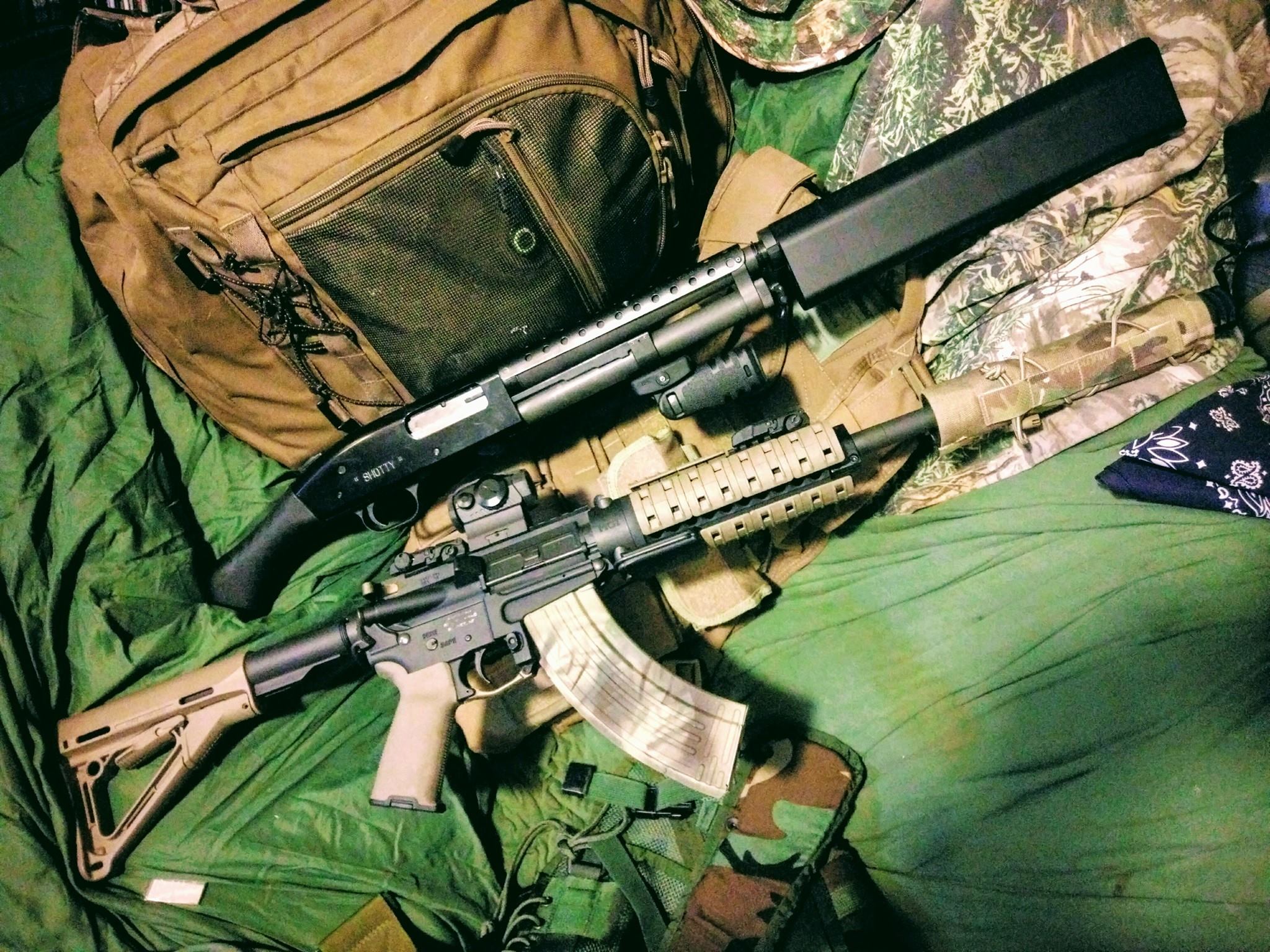
Early suppressors could seem heavy, bulky, or awkward for a mountain rifle or all day carry. Newer models have improved that equation with better materials, shorter lengths, and options tailored to different calibers and hunting styles.
That does not mean every setup feels compact, but many are now realistic for common field use. Hunters can choose models built for durability, lighter weight, or a balance between sound reduction and portability.
As the gear gets better, resistance drops. A product that once felt like a specialty add-on now fits more naturally into mainstream rifle builds.
Hunters Practice More With Comfortable Setups

A rifle that is easier on the ears and shoulder often gets used more often, and that can have a major effect on real hunting performance. Practice sessions become less fatiguing, less intimidating, and easier to enjoy over time.
That matters because accuracy in season usually starts months earlier at the bench or on steel. Hunters who are comfortable behind their rifles tend to spend more time confirming zero, learning holds, and refining trigger control.
In that sense, suppressors support better habits, not just better gear. More practice usually means cleaner shots, steadier nerves, and fewer mistakes when the moment arrives.