Groundhog hunting often receives far less attention than deer, turkey, or waterfowl, yet the animal offers a surprisingly interesting mix of habitat reading, patience, seasonal timing, and land-management value. Groundhogs, also called woodchucks, are mainly active during daylight and emerge from hibernation in late winter, creating a hunting opportunity that feels very different from many traditional seasons.
1. It Fills a Quiet Gap on the Calendar
Groundhog hunting often sits in the shadow of larger game seasons, yet that timing is part of its charm. Deer and turkey may dominate the sporting calendar, while woodchucks can provide an active pursuit when the woods feel comparatively quiet. Indiana DNR notes that groundhogs emerge in mid to late February and are mainly active during daylight, especially around dawn and dusk. That creates a useful window for hunters who enjoy a 2-part rhythm: glassing open ground early, then watching field edges later. Because the species favors meadows, pastures, crop fields and fence rows, the hunt can also introduce hunters to a very different landscape from dense big-game cover.
2. The Animal Is Far More Interesting Than Its Reputation
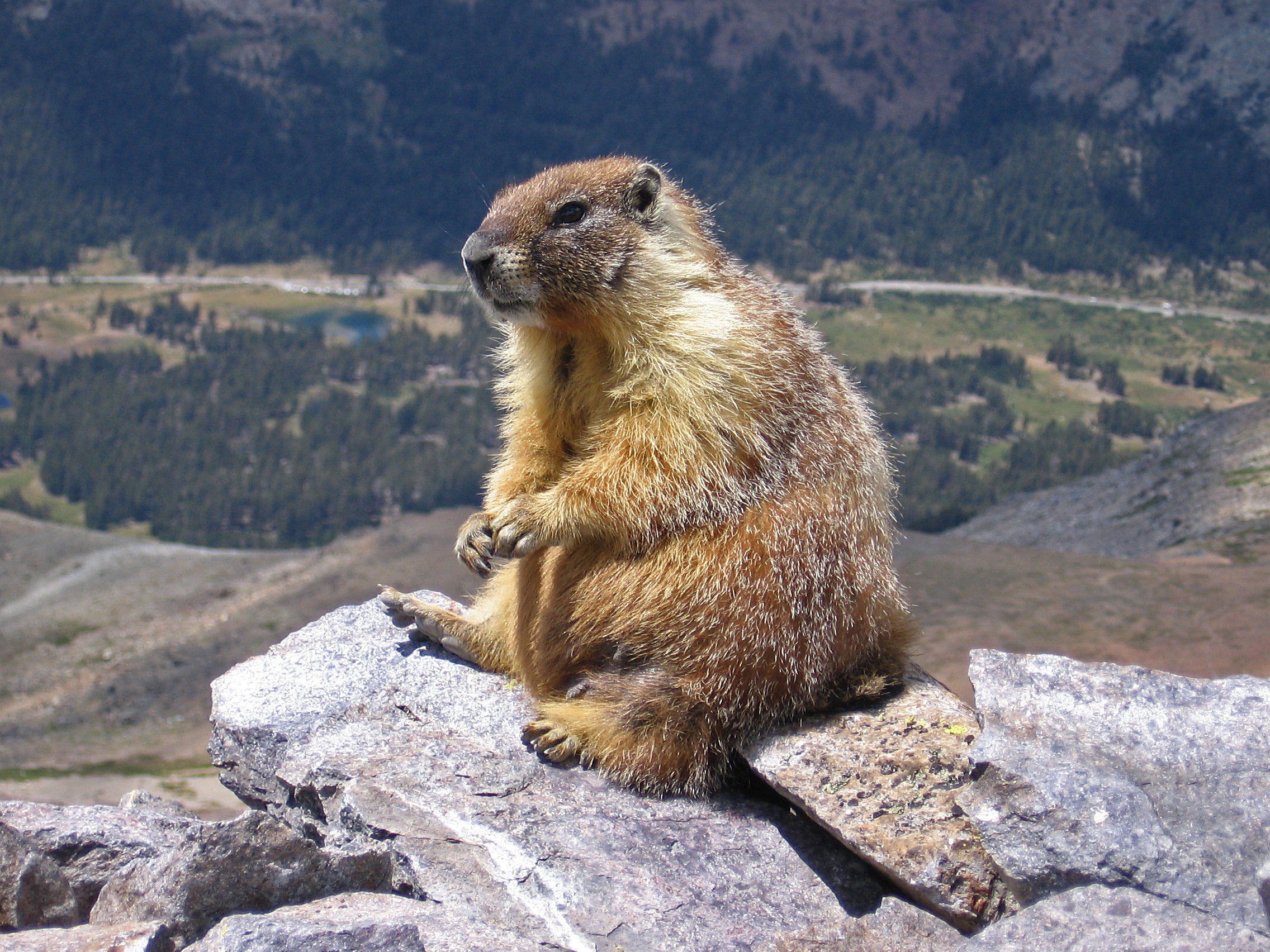
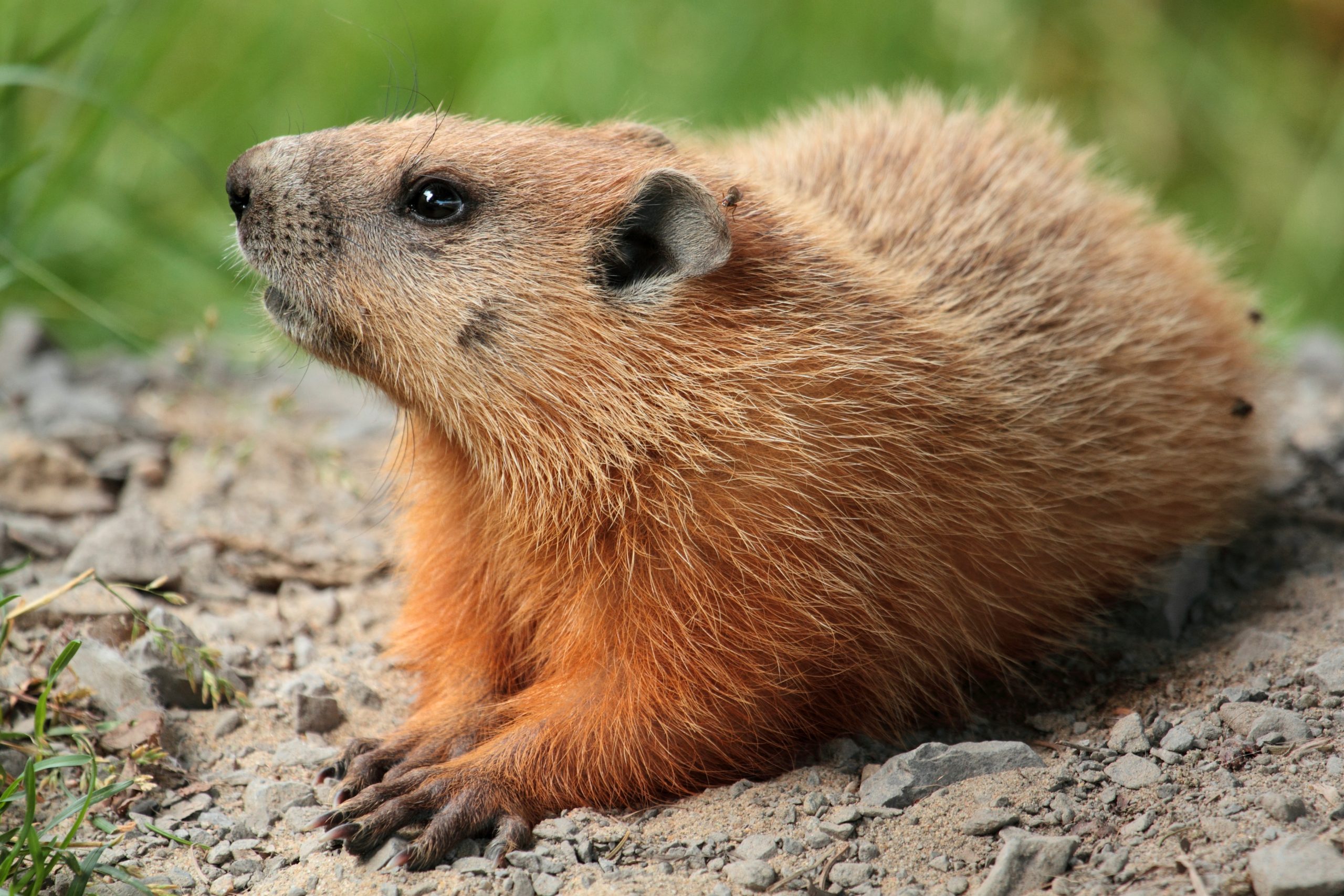
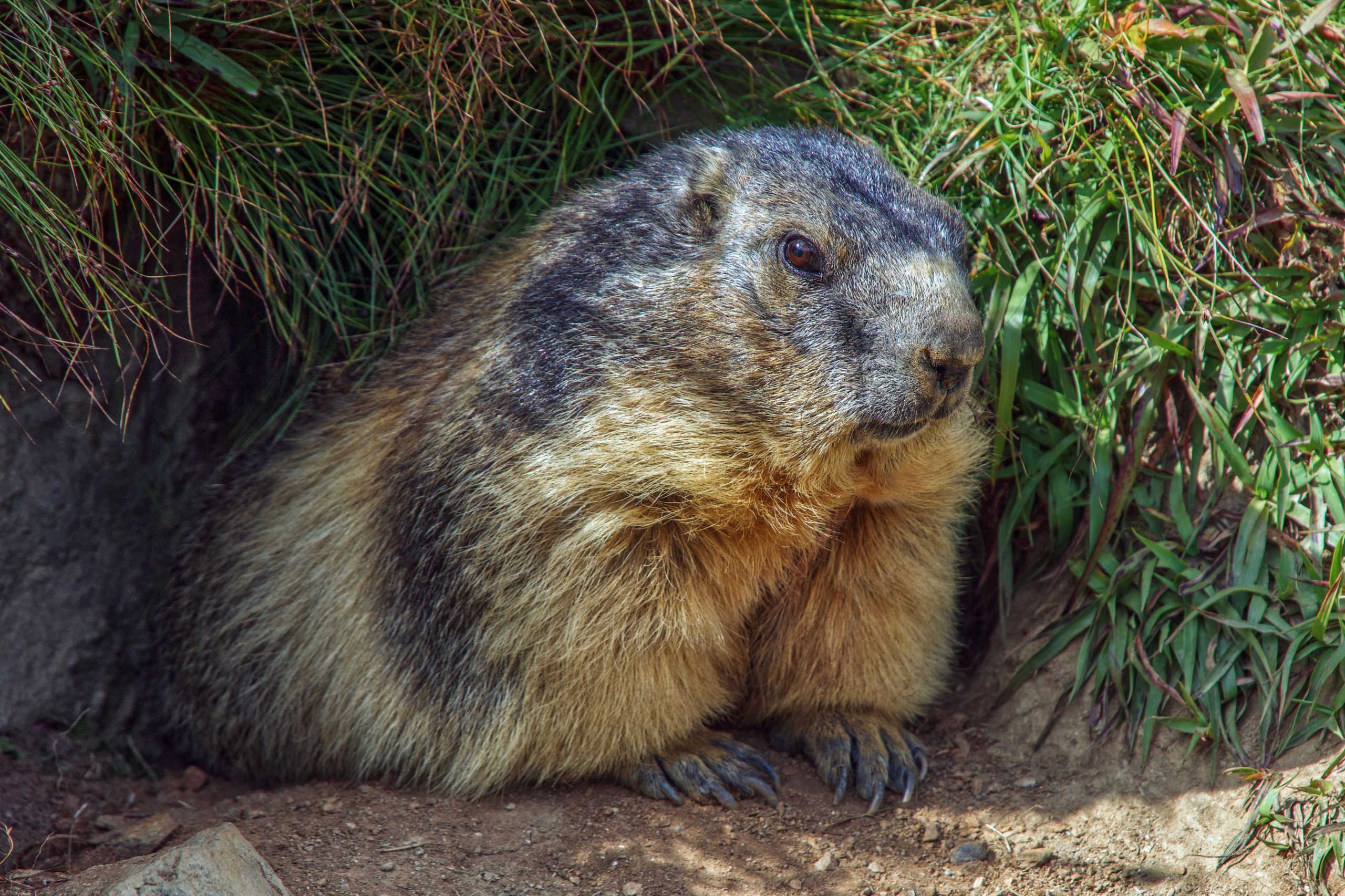
Calling a groundhog ordinary misses how specialized this animal actually is. Indiana DNR lists adults at roughly 7 to 14 pounds and about 25 inches long, while Maryland reports that some can reach 14 pounds. Their short legs, heavy claws and powerful forelimbs are built for excavation, not speed. A single animal may maintain several burrow entrances, and Maryland notes tunnels can extend to about 45 feet with some burrows reaching 5 feet underground. Learning how those physical traits shape movement makes the hunt feel less like a simple pest outing and more like studying a highly adapted native mammal. Even the burrow itself tells part of the story.
3. Every Field Edge Becomes a Clue
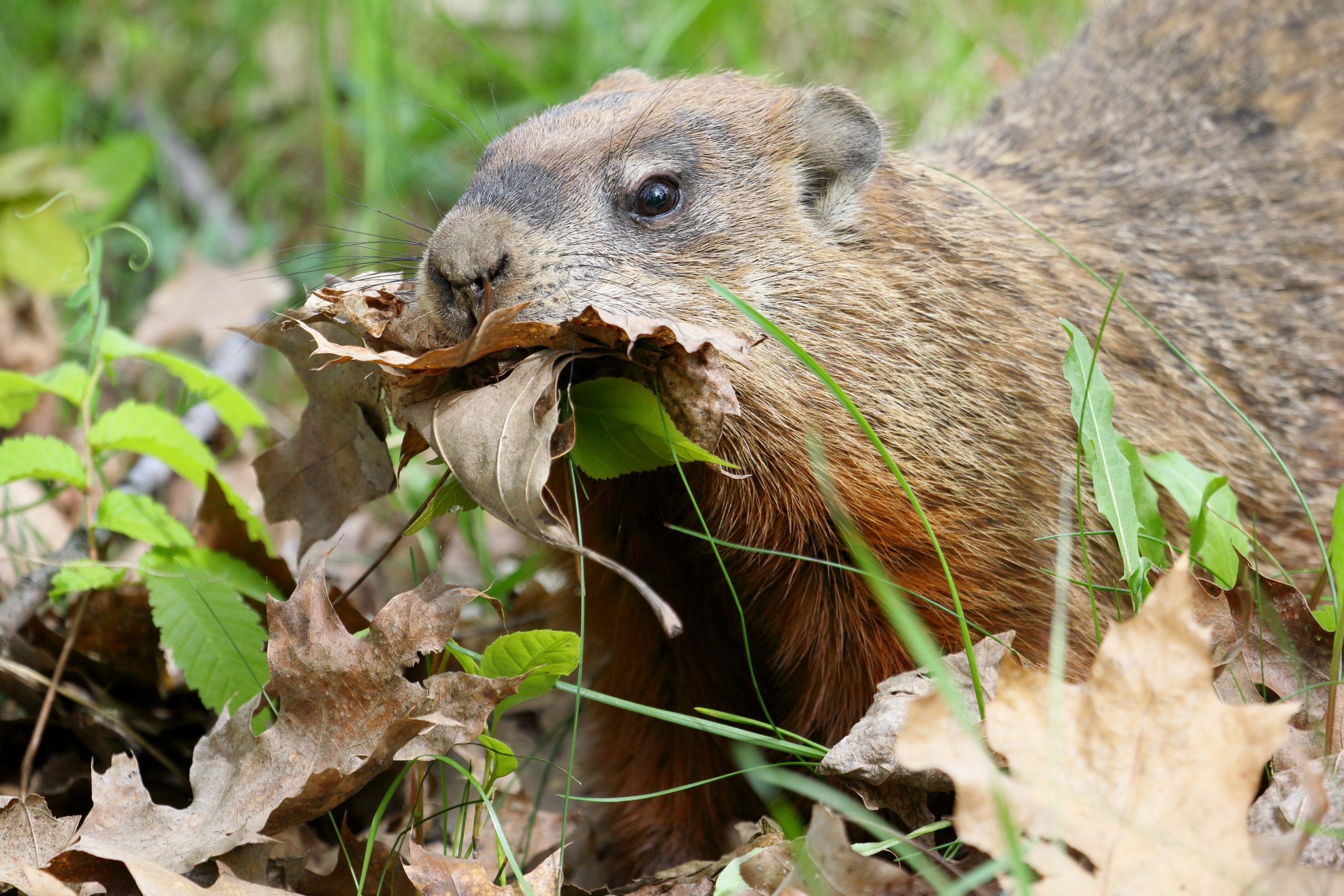
Groundhog country rewards hunters who read habitat instead of simply walking into a field and waiting. Maryland says these animals favor forest edges beside open agricultural land, while Indiana highlights meadows, pastures, crop fields, brushy areas, and fence rows. Burrows are especially useful clues because active sites can show fresh soil, worn paths, and repeated traffic. A useful numerical detail is that Maryland reports many burrows have 2 to 5 entrances. Those openings, paired with nearby feeding areas, can help explain why one section of a property stays productive while another looks almost identical but rarely shows activity. Habitat can reveal more than distance alone.
4. It Turns Observation Into a Real Skill

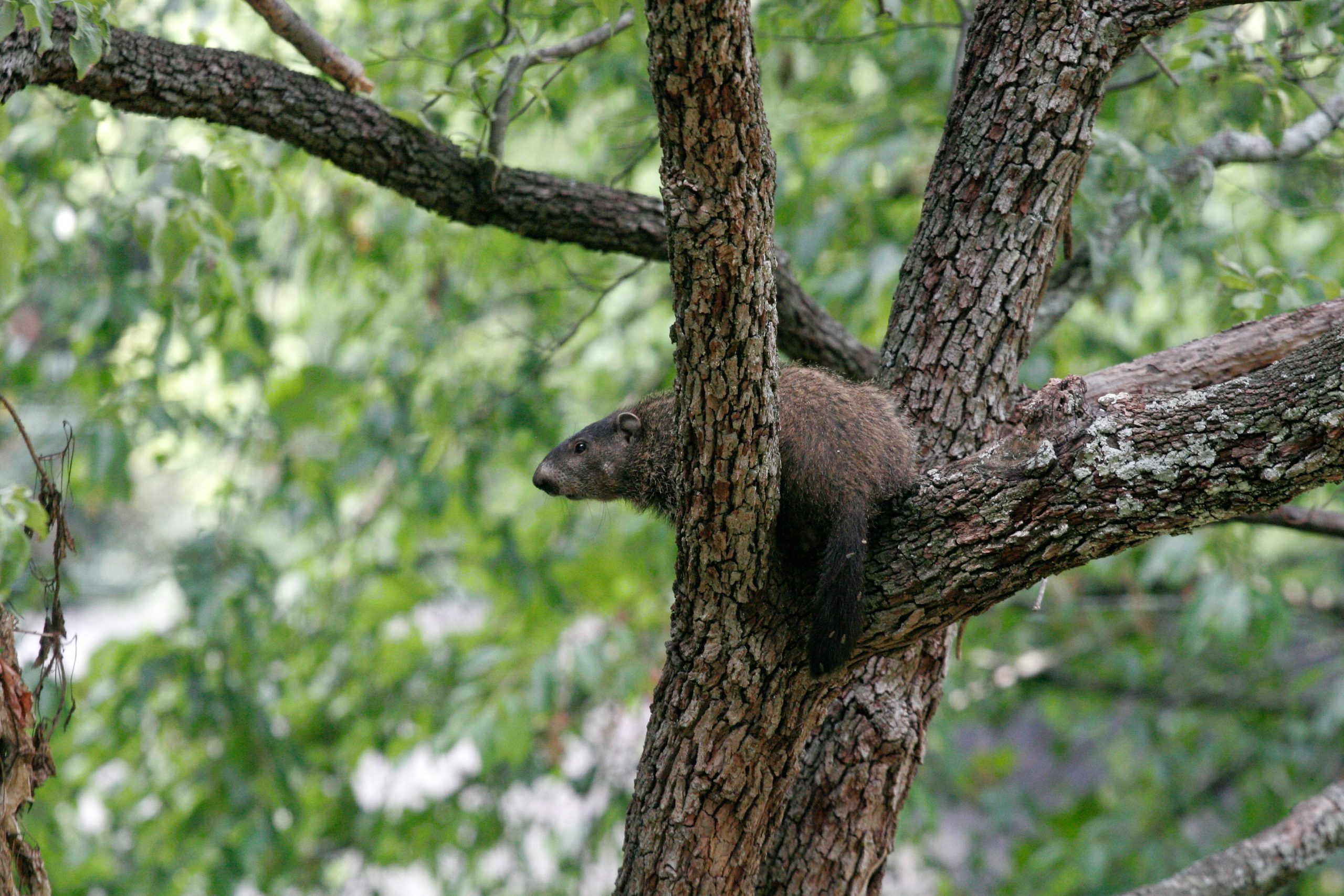
Groundhog hunting can sharpen fieldcraft because the animal spends much of its day below ground. Illinois DNR reports that a woodchuck may spend most of the day in its burrow and come above ground for no more than about 2 hours. That small window rewards steady observation, patience, and knowledge of feeding areas. Instead of expecting constant movement, hunters learn to scan likely openings, watch vegetation lines and notice repeated patterns. The challenge is not simply waiting longer; it is learning when a 5-minute change in visibility, noise, or animal movement could alter what happens next. That makes observation itself part of the hunt.
5. It Offers a Strong Introduction to Varmint-Style Hunting
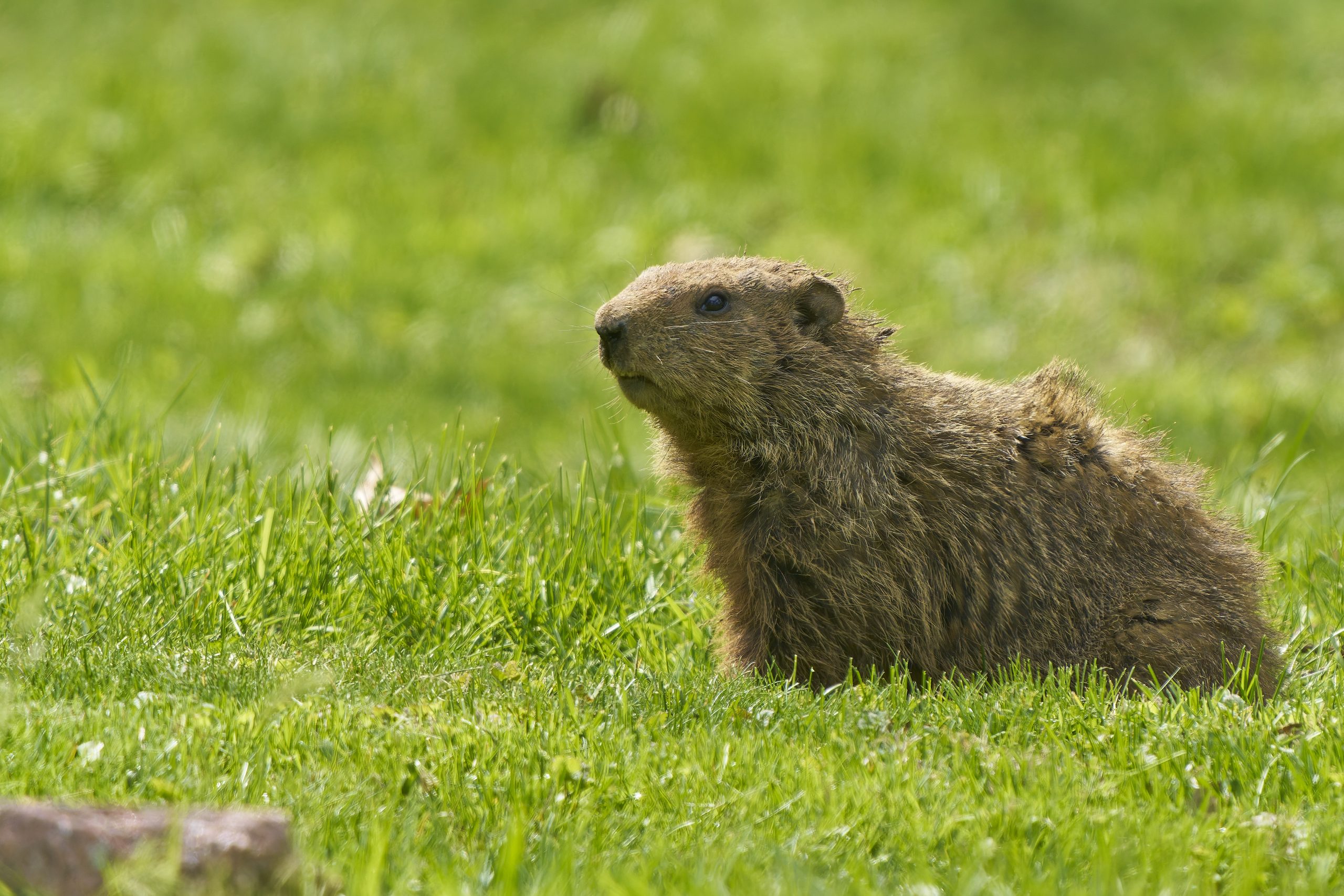
For hunters developing their field skills, groundhog outings can provide a focused way to practice patience, identification and safe shot selection without the scale of a traditional big-game trip. The animal is a common native species in much of its range, and Illinois describes it as common statewide. Its daylight habits also make observation easier than with strictly nocturnal wildlife. A hunter can spend 2 or 3 hours studying a property, checking habitat and learning where animals emerge. The result is a compact outdoor experience that can build useful habits while keeping the main emphasis on responsible hunting and accurate species identification.
6. The Hibernation Cycle Makes Timing Important
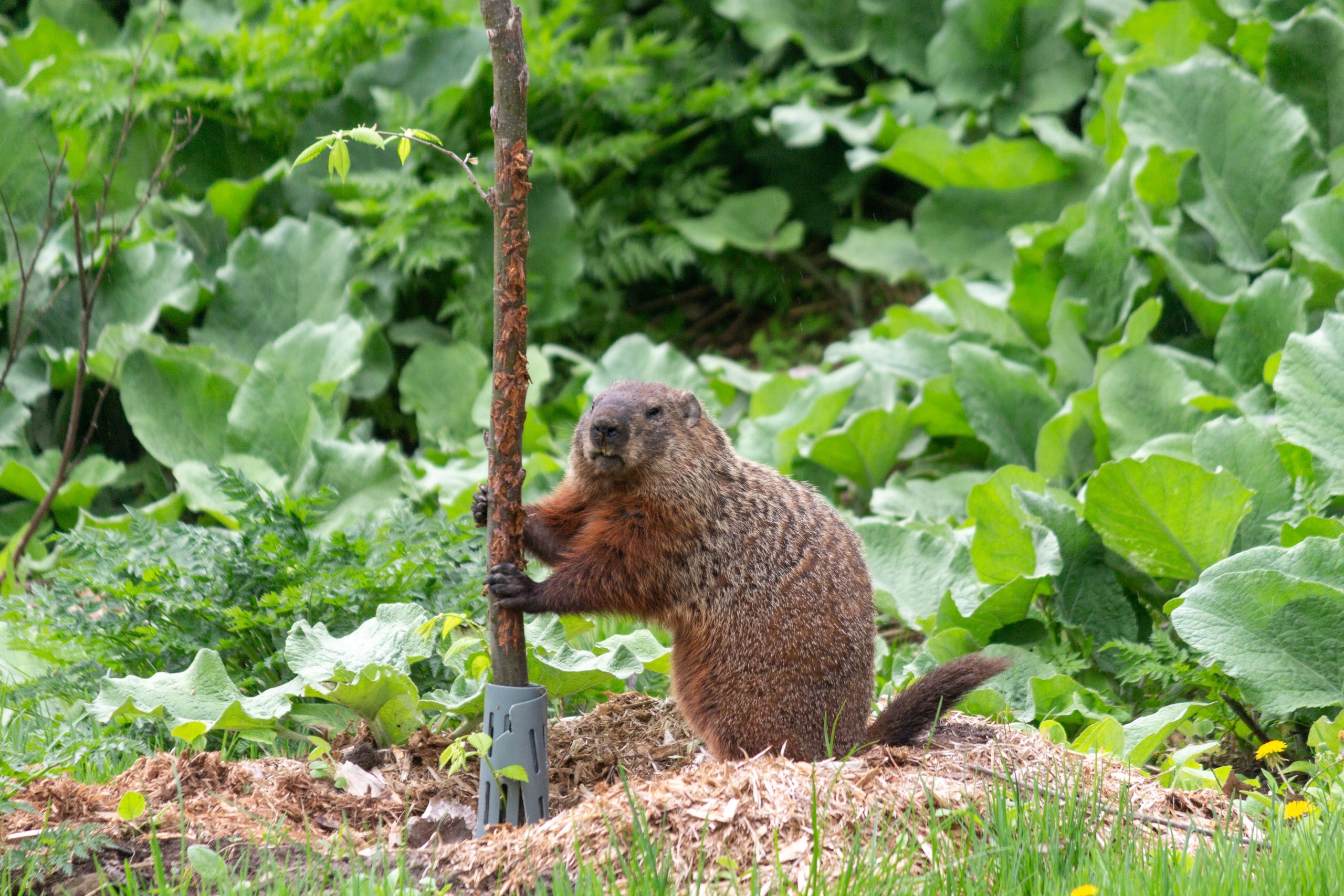
Groundhogs are true hibernators, so their yearly rhythm strongly shapes when hunters can encounter them. Maryland reports that hibernation generally begins in late October or early November, with emergence around late February or early March. During hibernation, the heartbeat can fall from about 80 beats per minute to only 4 or 5, an extraordinary physiological change. Once animals return above ground, feeding activity increases as vegetation becomes available. That seasonal transition explains why a field that looked empty for months can suddenly show fresh burrow soil, trails, and feeding signs within a short period. The timing can make the first weeks above ground especially interesting.
7. Farmers Often Notice Their Impact First
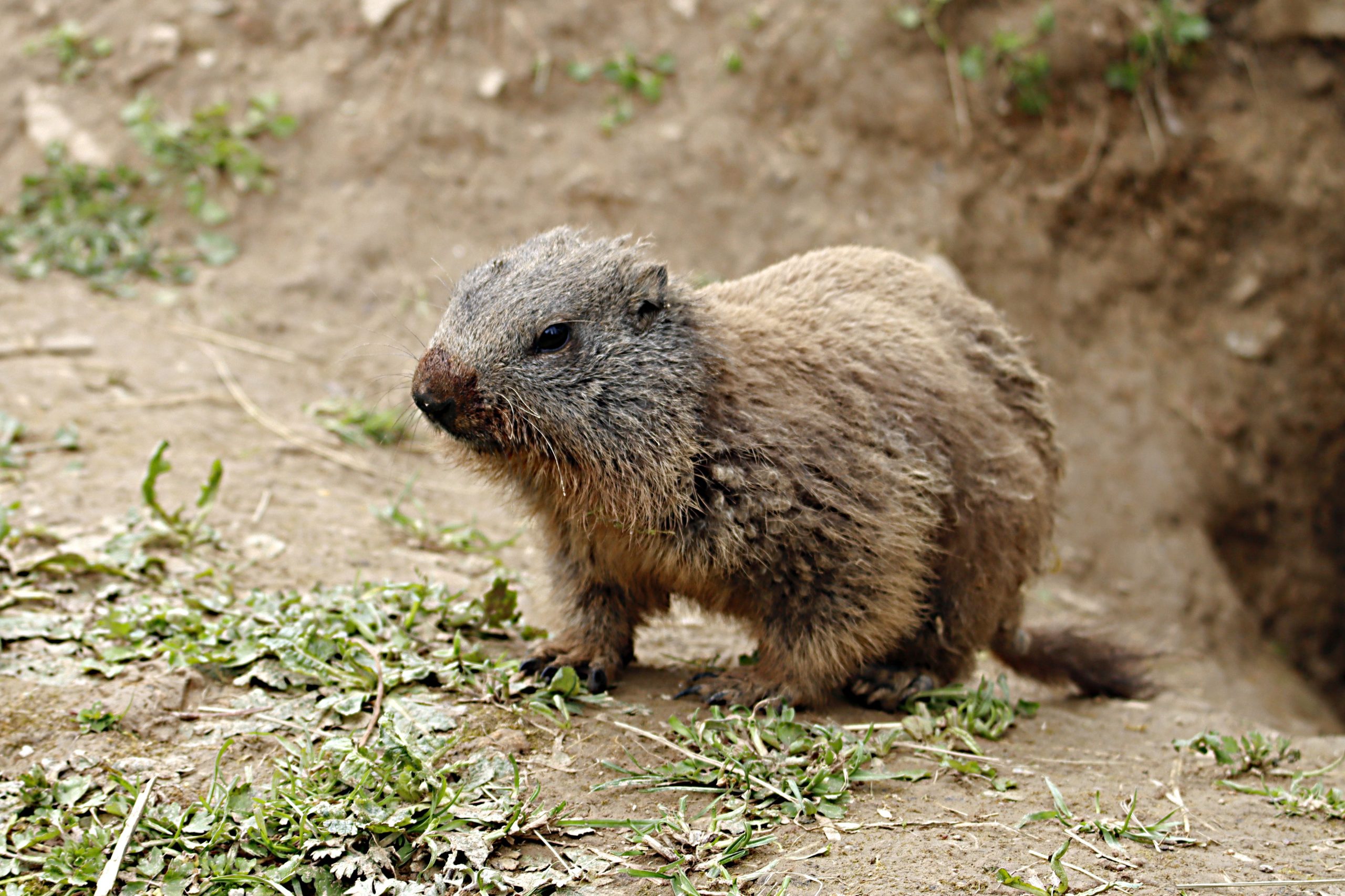
Groundhogs are mostly plant eaters, and that can put them directly in competition with crops, gardens, and landscape plants. Indiana DNR says an adult can consume more than 1 pound of vegetation in a day, including grasses, leaves, fruit, and crops. Their burrowing can also affect structures and earthen banks. That does not make every groundhog a nuisance, but it explains why landowners may have a practical interest in population control where legal. A hunting opportunity connected to a land-management concern can create a clearer purpose for the outing, provided local law, landowner permission, and safe shooting conditions are respected. The goal is management, not indiscriminate taking.
8. Regulations Vary More Than Many Hunters Expect
Groundhog hunting is not governed by one nationwide calendar, and that is one of the easiest details to overlook. Illinois places woodchucks within its regulated wildlife framework, while New York defines woodchuck as a small-game mammal and directs hunters to current state rules for seasons and methods. Indiana is notably different: its DNR says groundhogs may be taken year-round without a hunting or trapping license and without a limit. Those examples show why a 3-step check matters before any trip: verify the current season, confirm the legal method, and obtain required permission for the property. Rules can also change between seasons today.
9. The Simplicity Is Exactly What Makes It Appealing
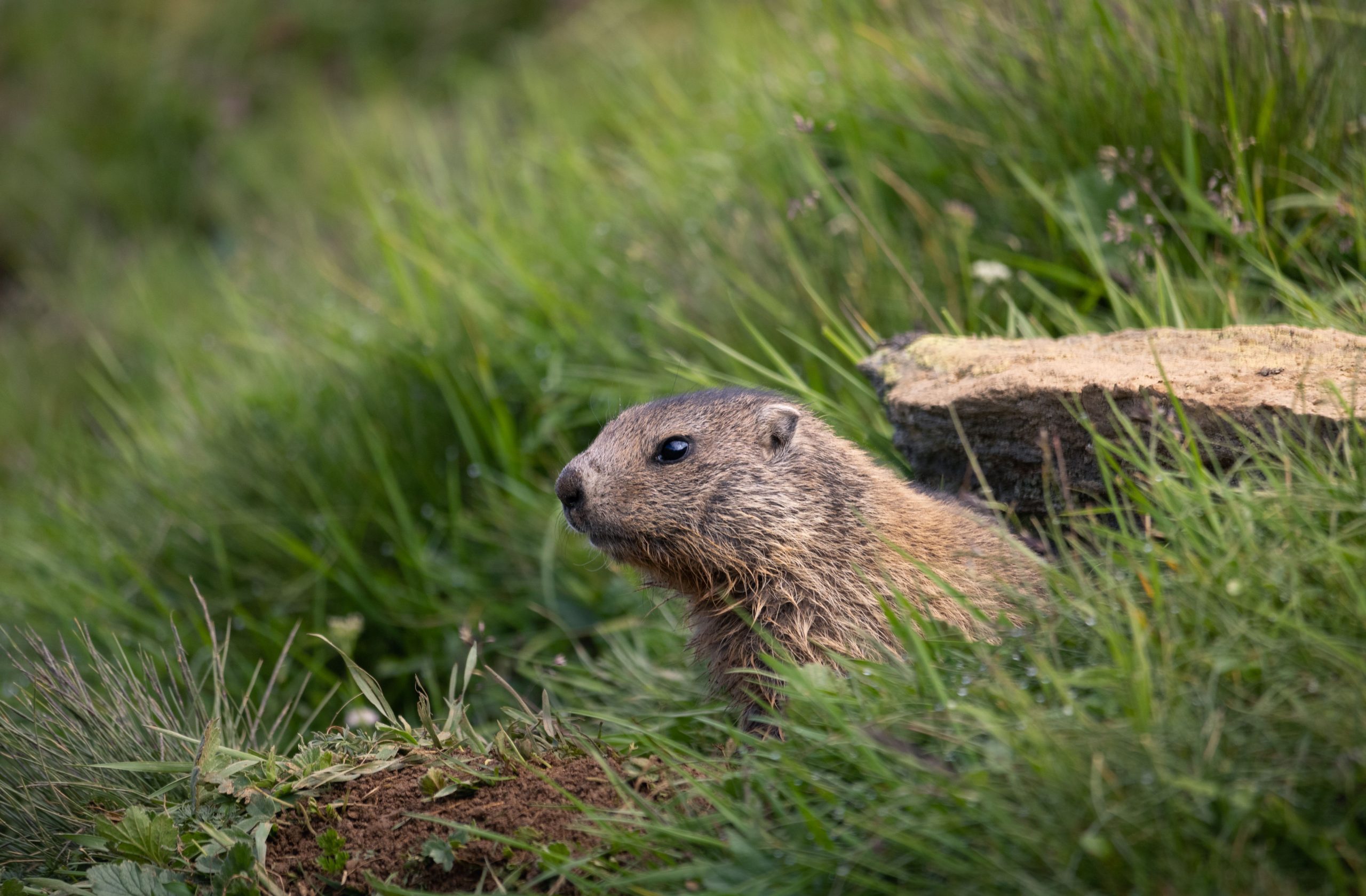
Groundhog hunting rarely carries the ceremony of a major deer opener, and that understated nature may be its biggest attraction. A productive outing can revolve around a single field, a handful of visible burrows and a few hours of careful observation. Maryland notes that young groundhogs are usually born in litters of 2 to 6, while Indiana reports one litter per year and a gestation period of 31 to 32 days. Those numbers hint at a seasonal cycle that can change quickly. For hunters who enjoy learning a landscape, watching wildlife, and pursuing a less celebrated quarry, that simplicity has genuine appeal. It can feel rewarding without requiring a complicated itinerary.