Concealed carry puts different priorities on a firearm than hunting, sport shooting, or range use. The goal is not simply to have a firearm available. It must remain reasonably discreet while a person walks, sits, drives, works, and handles normal daily activities. Pistols are specifically shaped around compactness and portability, while rifles are built around shoulder-fired use. Federal regulations also distinguish the two by their intended design.
1. A Pistol Fits the Body Better
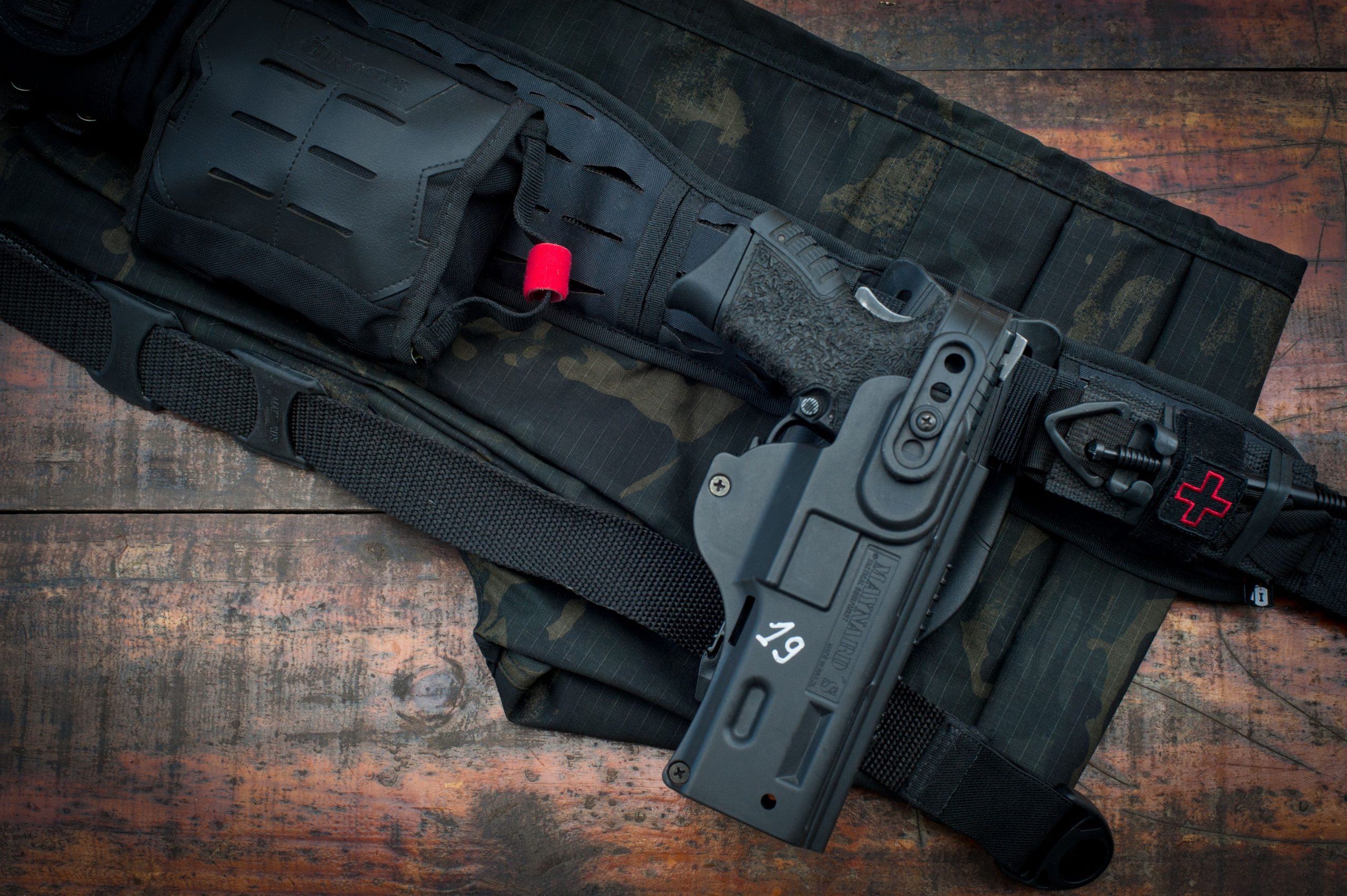
A pistol fits the human body better because it was designed around one-handed carry. Its grip, slide, and short barrel can sit close to the torso without needing a shoulder stock or long fore-end. A typical compact pistol may be around 6 to 7 inches long, while many practical rifles are 30 inches or longer. That difference is not cosmetic. A longer firearm creates more points that can print through clothing, catch on furniture, or become visible during normal movement. Concealed carry favors a small footprint. It has to stay unobtrusive through hours of normal movement.
2. Weight Matters Every Day
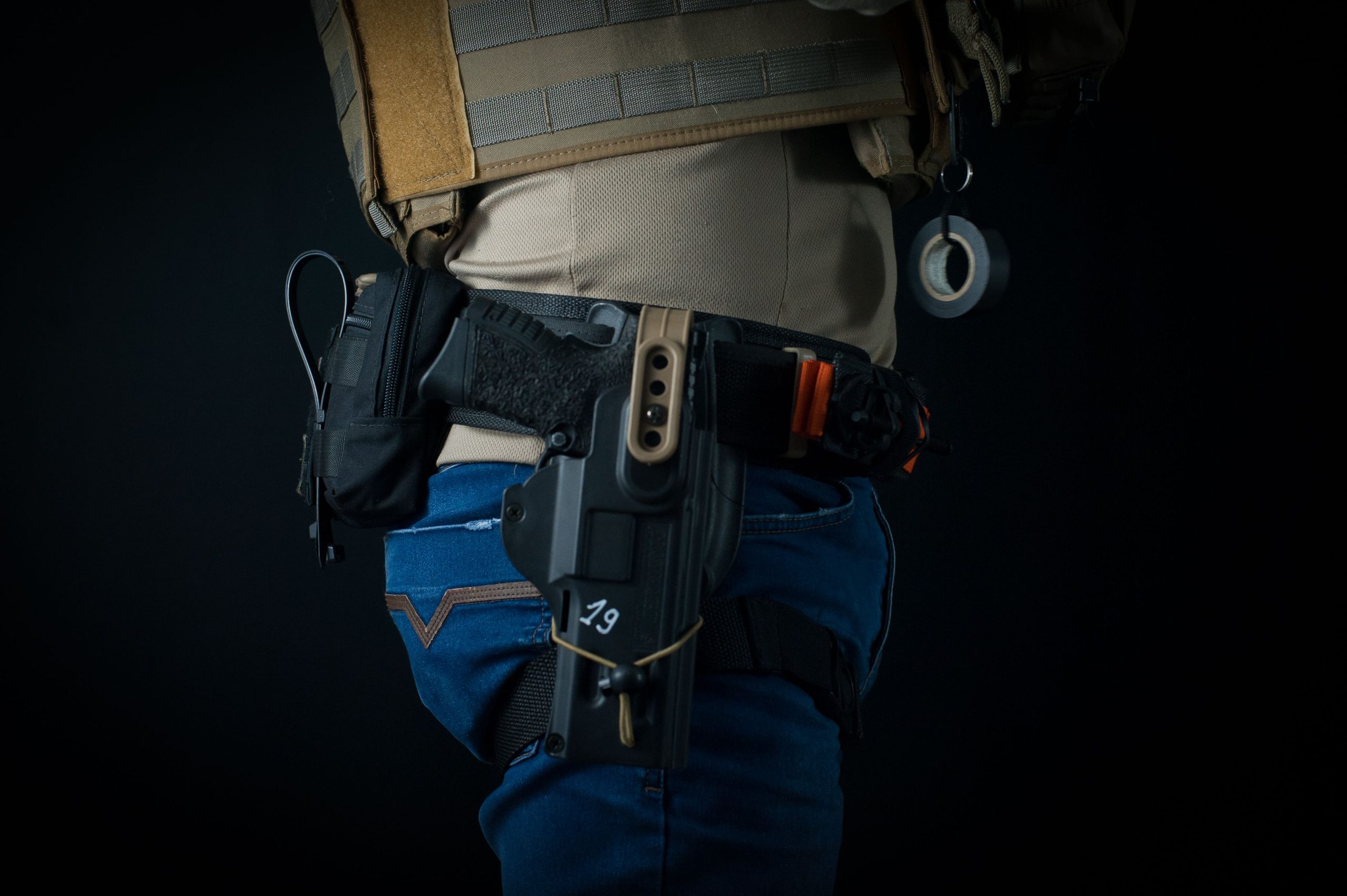
Weight becomes a daily issue long before it becomes a shooting issue. Many compact pistols weigh roughly 20 to 30 ounces unloaded, while a conventional rifle can easily weigh 6 to 9 pounds before optics or accessories are added. Carrying several extra pounds against the body for hours changes comfort and movement. A pistol also concentrates its weight into a compact package, making belt or holster carry more manageable. For everyday concealed carry, reducing bulk and fatigue is a major practical advantage. That extra load can become noticeable during a full day.
3. Concealment Favors a Smaller Outline
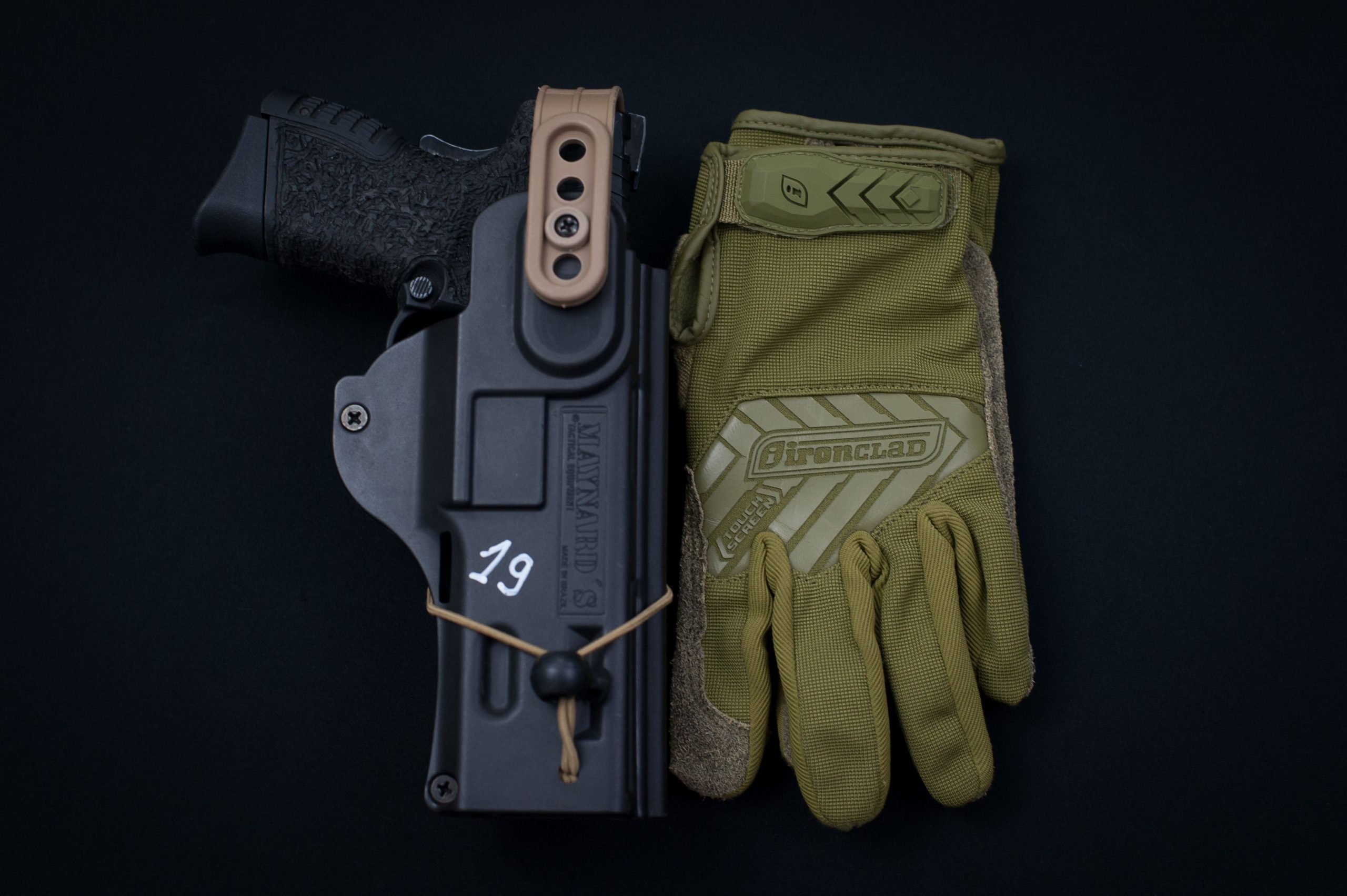
A concealed firearm has to remain hidden while its owner walks, sits, bends, drives, and reaches. A pistol has fewer protruding parts to manage, especially when carried in a purpose-built holster. A rifle’s stock, magazine, handguard, and barrel extend far beyond the waist or torso, making concealment much harder. Even a shortened rifle still has a longer profile than most pistols. In simple terms, concealment works best when the firearm can stay inside the body’s natural outline instead of extending beyond it. A smaller outline is simply easier to keep under clothing.
4. Daily Movement Is Easier
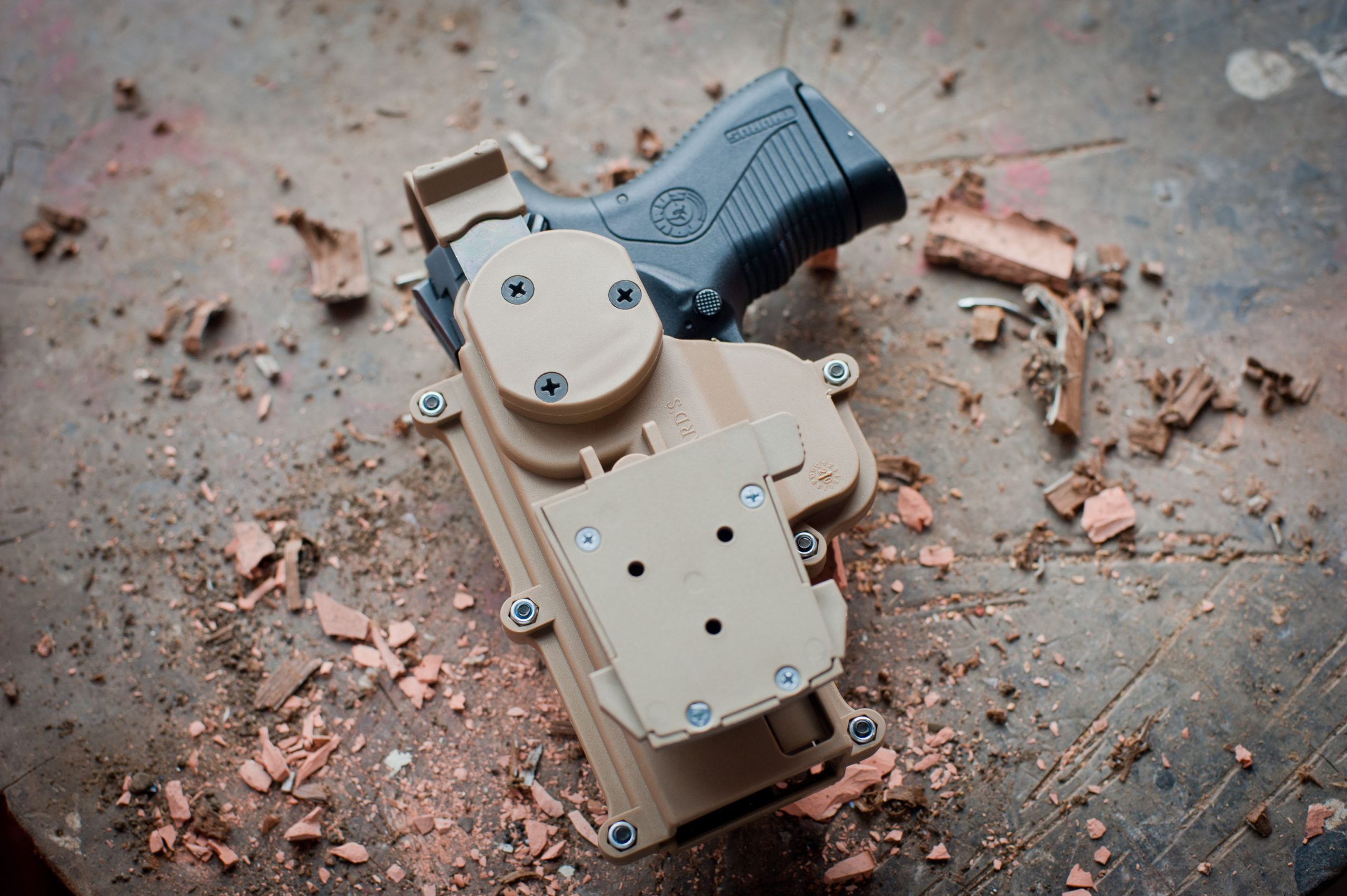
Normal daily movement also favors the pistol. People squeeze through doors, climb stairs, sit in vehicles, shop, work, and interact with others without planning every movement around a firearm. A rifle built around shoulder firing is awkward in those settings because its length must be accommodated. Federal rules also define a rifle as a shoulder-fired design, while a pistol is designed to be fired with one hand. That basic design difference explains why pistols align more naturally with discreet, everyday carry. That difference is fundamental to how each platform is built.
5. Holsters Make Pistols Practical
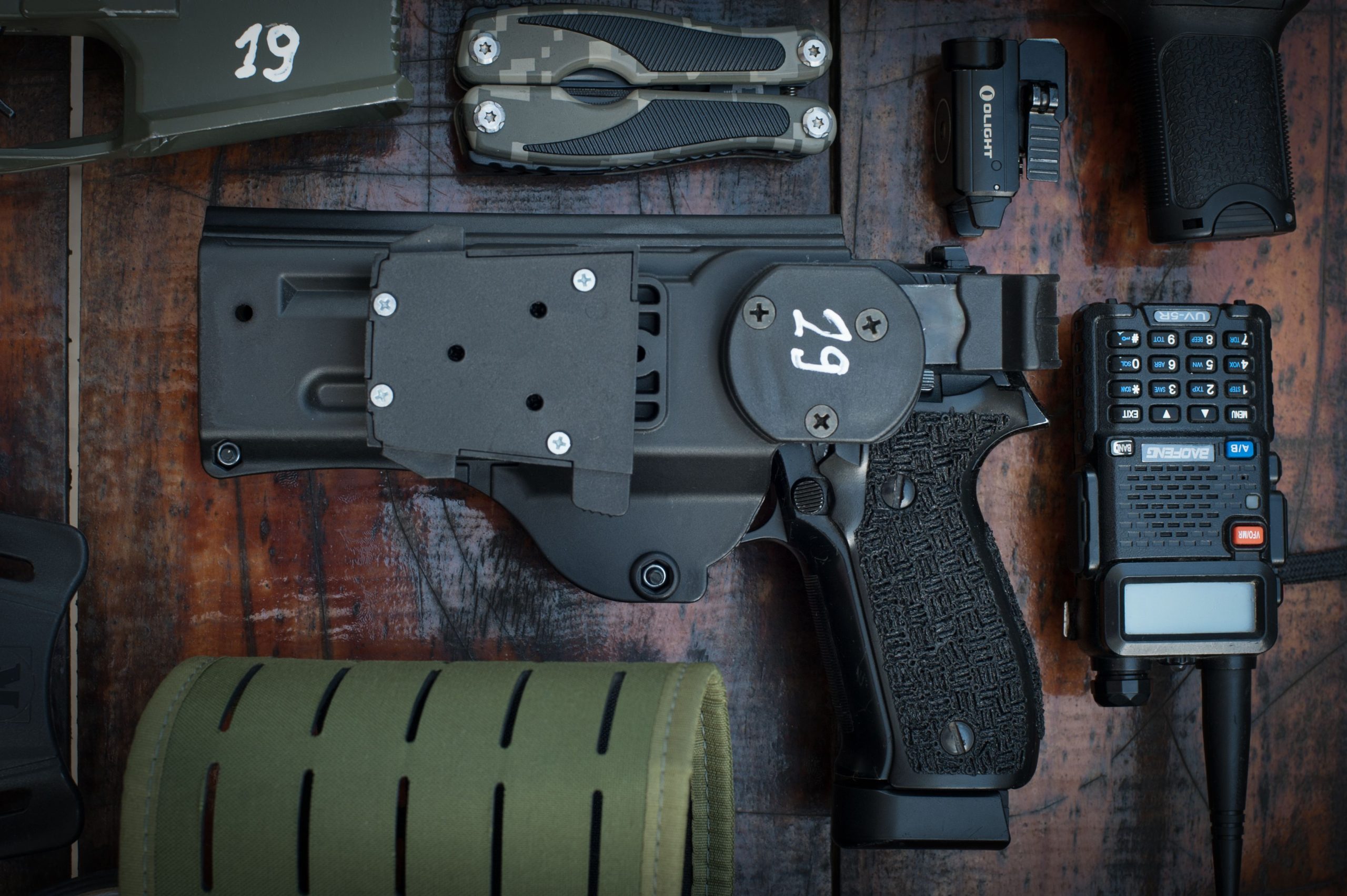
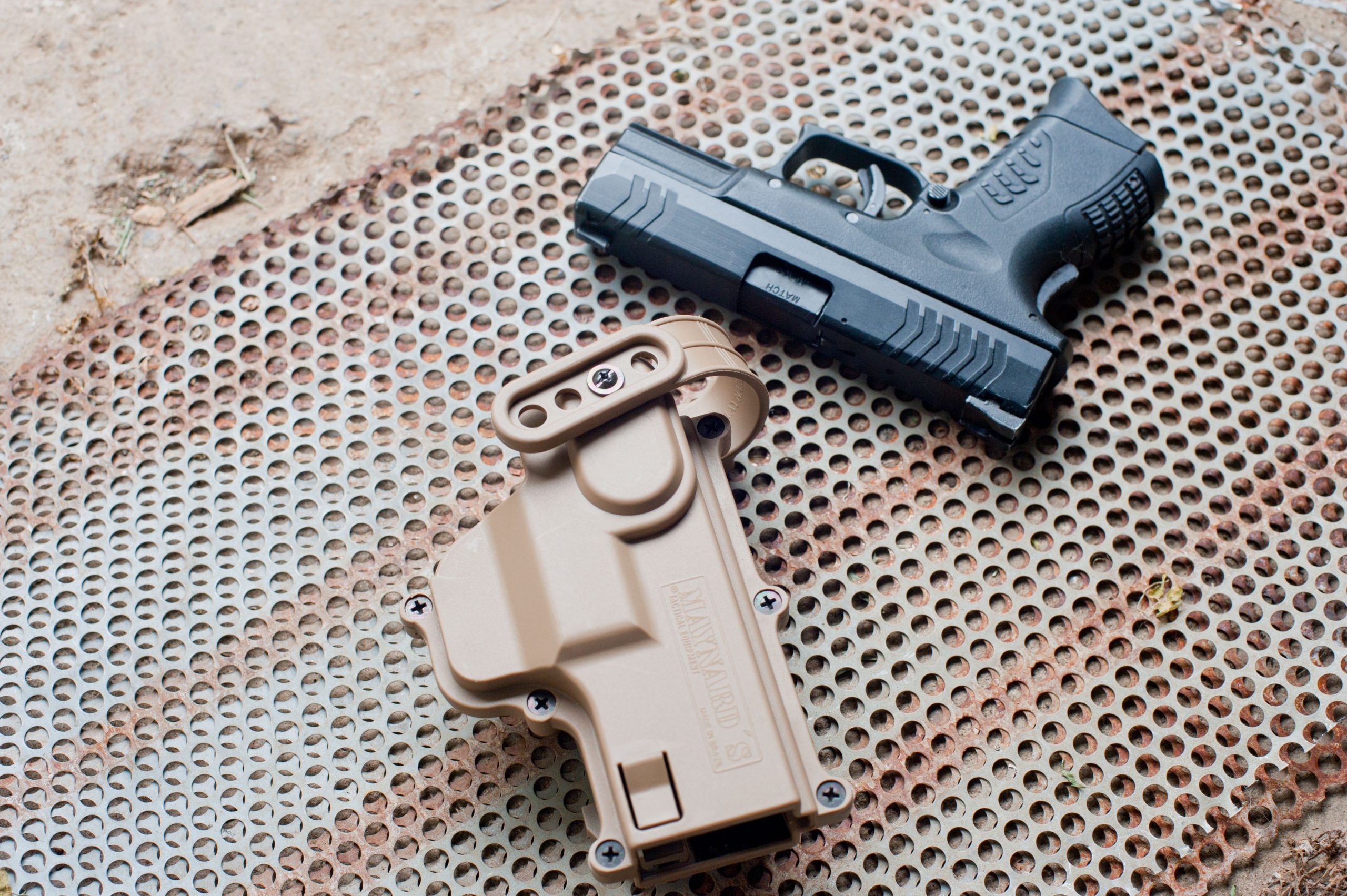
Holsters are another important piece of the puzzle. A pistol can be secured close to the body with systems designed for waistband, inside-waistband, or other carry positions. A rifle normally requires a sling and enough room for the longer firearm to hang or move. That creates a larger management problem in crowded spaces. A pistol can remain contained in a dedicated holster throughout ordinary movement. The hardware is smaller, the profile is tighter, and there is less firearm extending away from the body. A compact setup also leaves less equipment to manage.
6. Vehicles Highlight the Difference
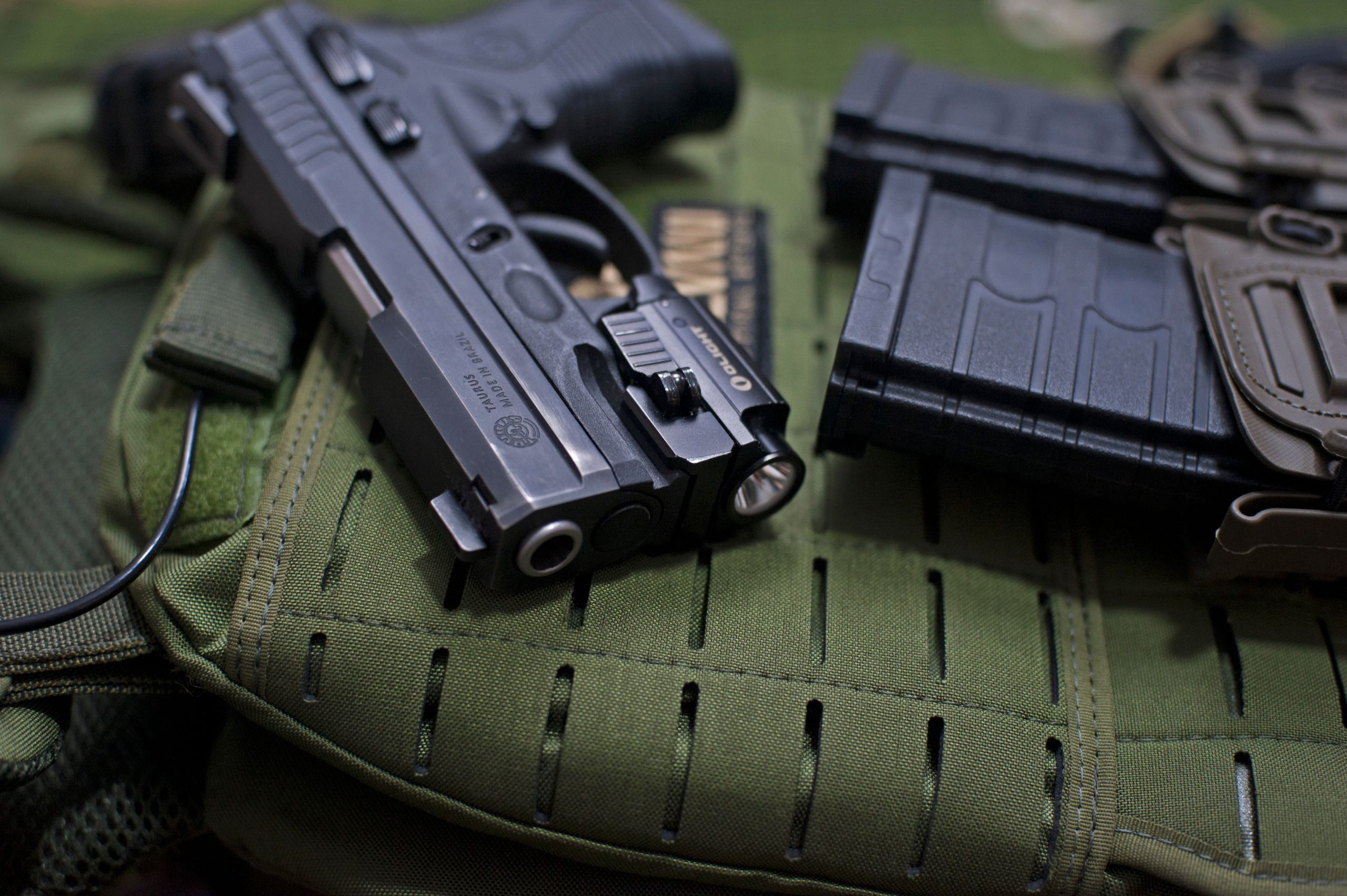
Vehicles make the difference even clearer. A pistol can stay secured in a suitable holster while the carrier sits, buckles a seat belt, or gets out of a car. A conventional rifle needs considerably more space because of its stock and barrel. A typical rifle measuring 30 to 36 inches can interfere with seats, doors, and other occupants. Concealed carry is supposed to work during routine life, not only while standing in an open area. The pistol’s compact shape gives it a practical advantage whenever space is limited. Extra length becomes especially inconvenient inside a car.
7. Rifles Have More Parts to Hide
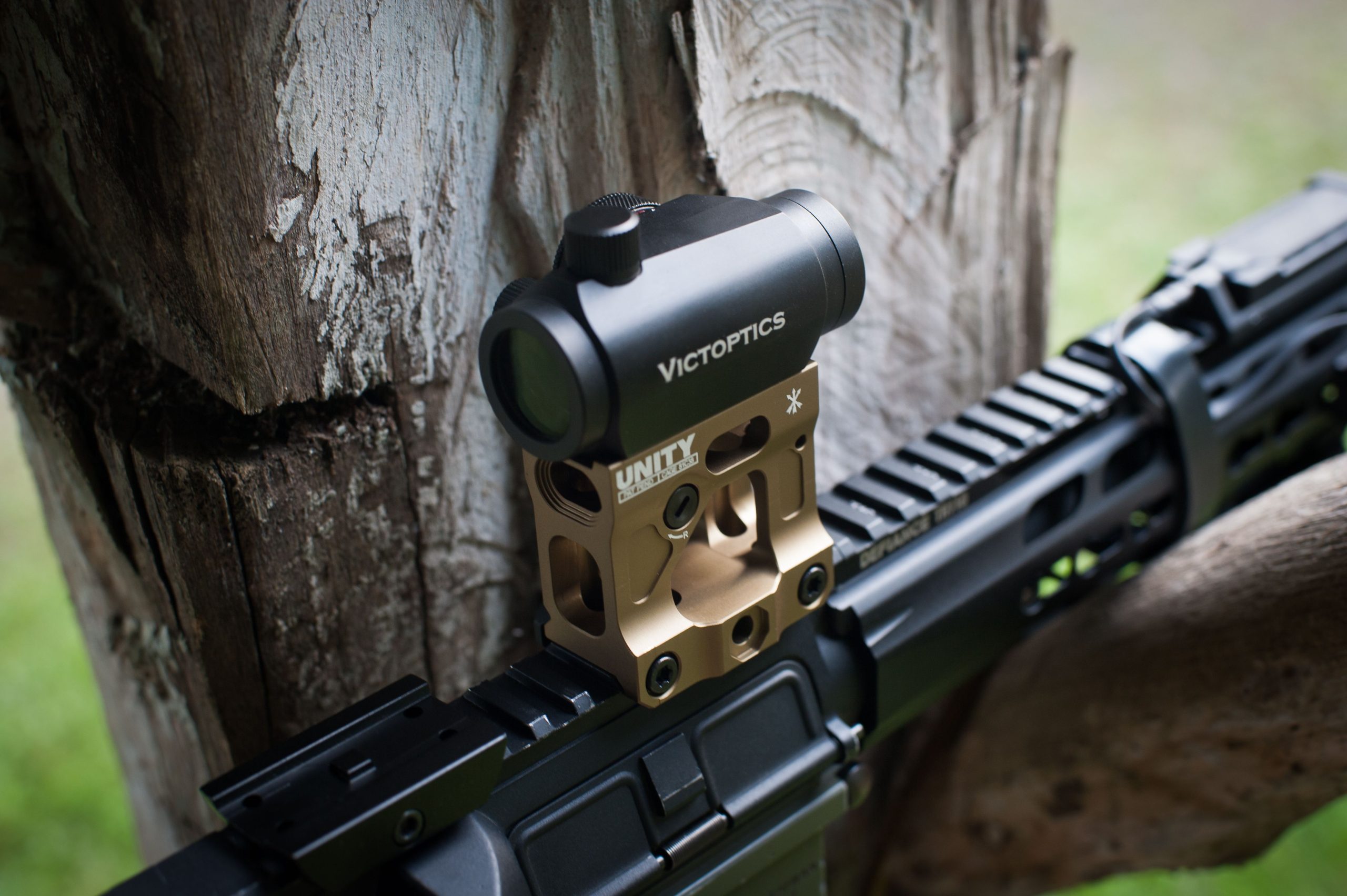
A rifle’s longer sighting system and shoulder stock are useful for its intended role, but those same features work against concealment. The stock alone can add several inches, while the barrel and handguard create another long section that must be hidden. A pistol eliminates the shoulder stock and keeps the operating parts close together. That does not make every pistol easy to conceal, because dimensions and clothing still matter. It simply means the basic platform starts with a much smaller envelope. The compact profile is therefore easier to manage discreetly.
8. Short Rifles Can Bring Extra Legal Complexity
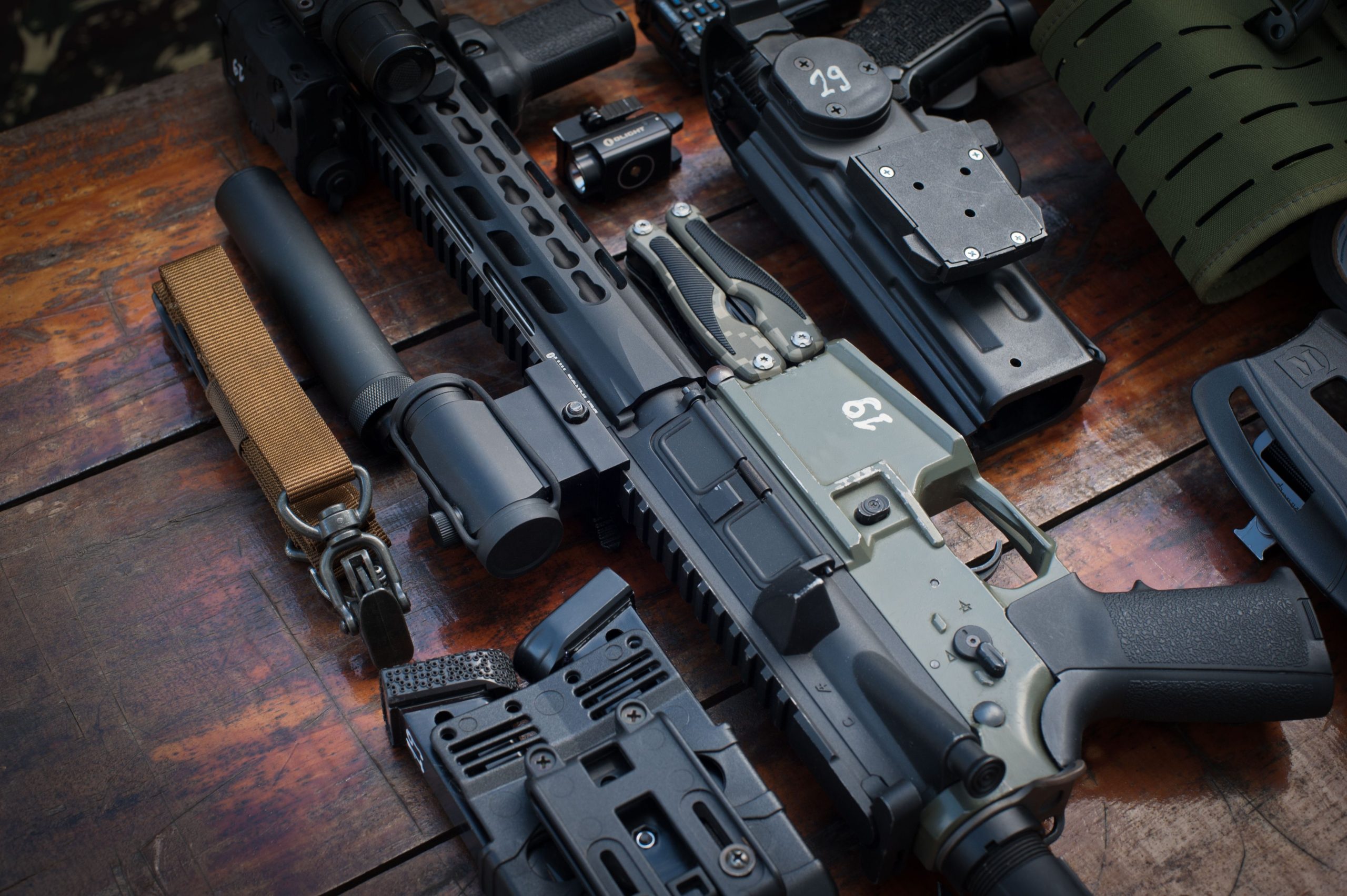
Legal classification can add another layer of complexity to unusually short rifles. Under U.S. federal rules, a rifle with a barrel shorter than 16 inches falls into the National Firearms Act’s short-barreled rifle category, subject to applicable requirements. Overall length can also matter for certain configurations. A standard pistol does not need to imitate a rifle to be compact. This is one reason the pistol remains the simpler category for ordinary concealed-carry discussion, although state and local laws can differ substantially. State and local laws may impose additional rules.
9. Concealed Carry Changes the Priorities
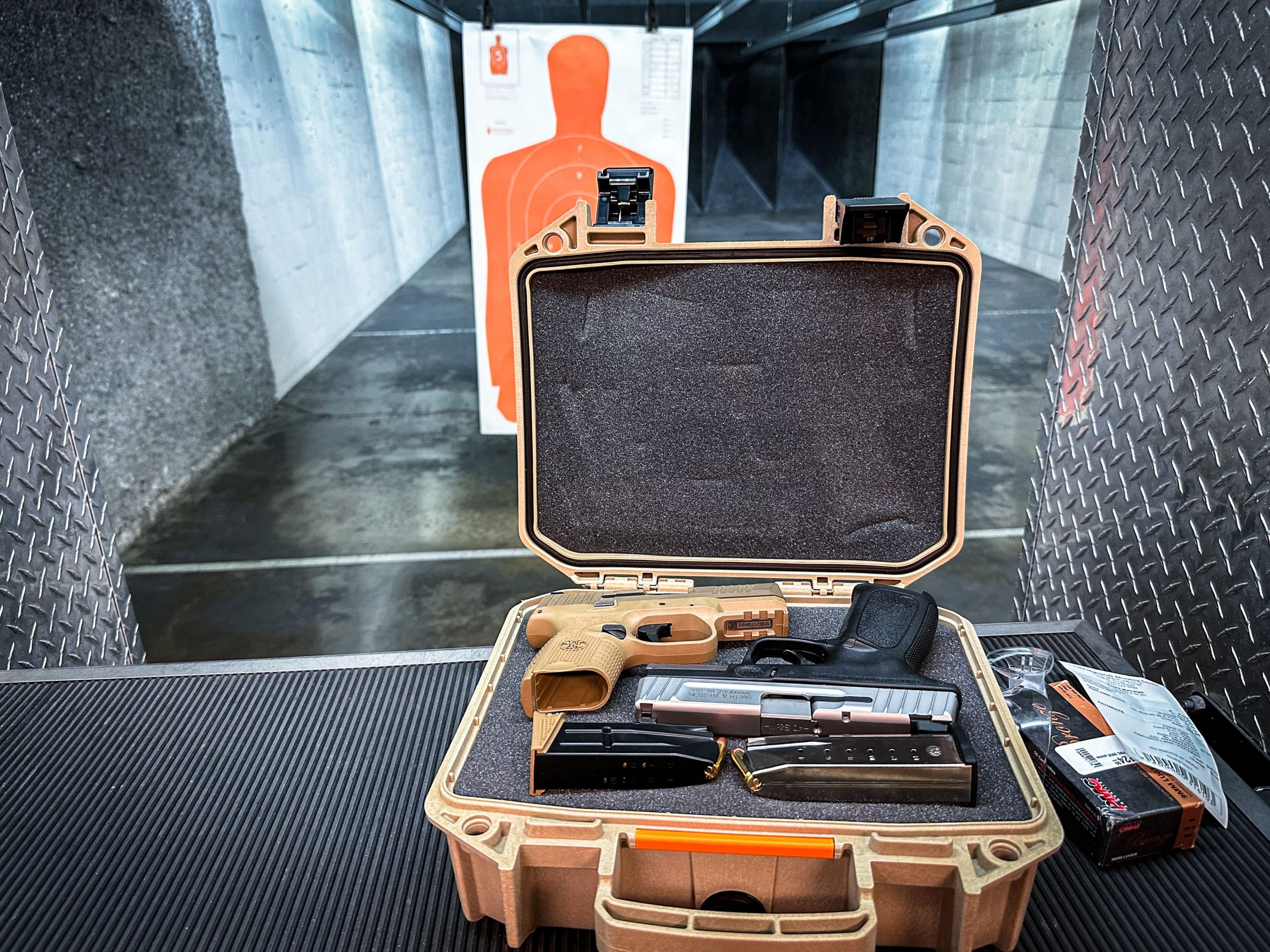
The biggest reason is purpose: concealed carry is about discreet portability, not maximizing range or stability. Rifles can offer range and stability, but those benefits come with extra length and bulk. A pistol accepts some of those trade-offs to create a package that can travel with the person. That balance keeps pistols at the center of concealed carry. The word concealed changes the priorities, putting compactness, controllability, comfort, and secure carry ahead of rifle-style dimensions. The pistol is simply better matched to discreet everyday portability.