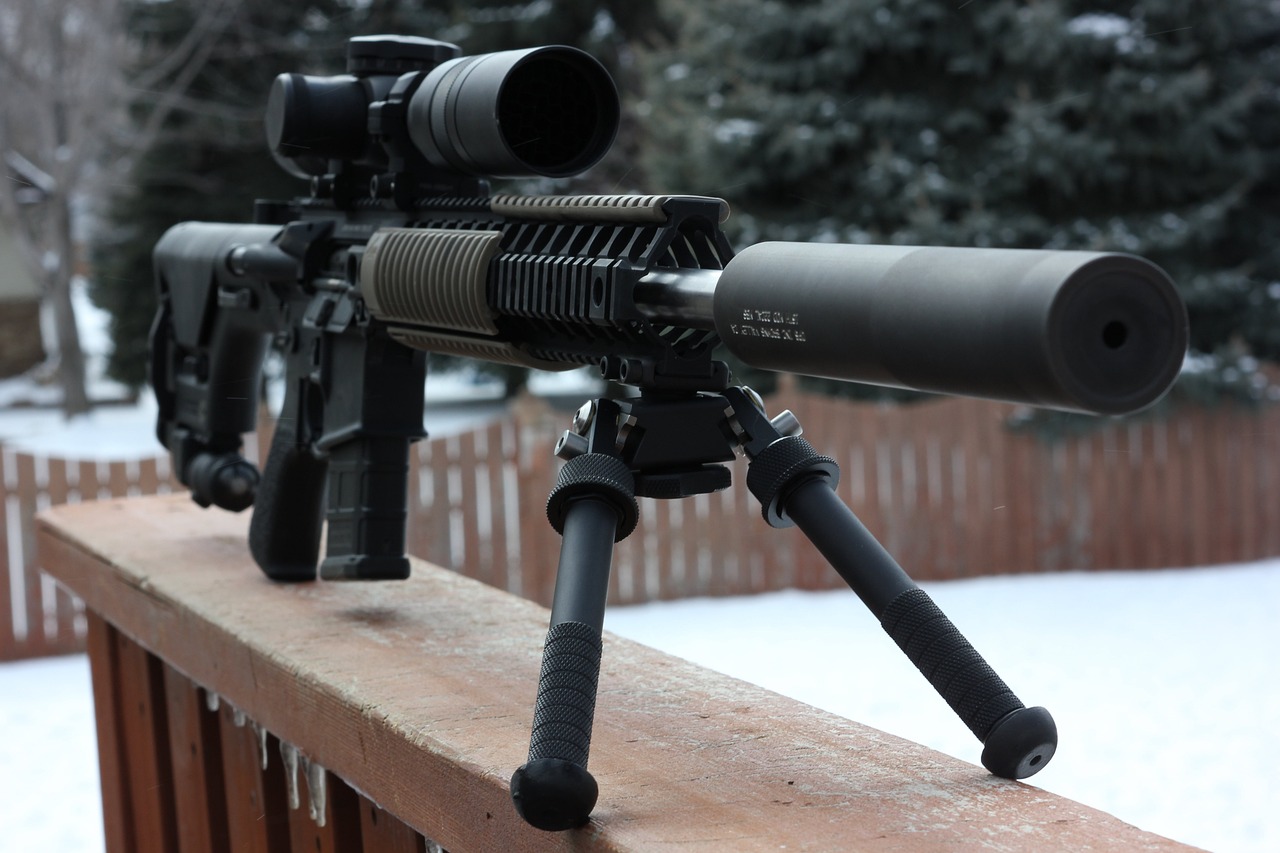
Precision Rifle Series competition has been building a devoted following for years, but its recent surge feels different. Bigger fields, tougher stages, and rising talent are turning these matches into can’t-miss events for shooters and spectators alike. These nine PRS stops reveal how a once-niche discipline is evolving into one of the country’s most competitive sports scenes.
Precision Rifle Series Pro Series Finale
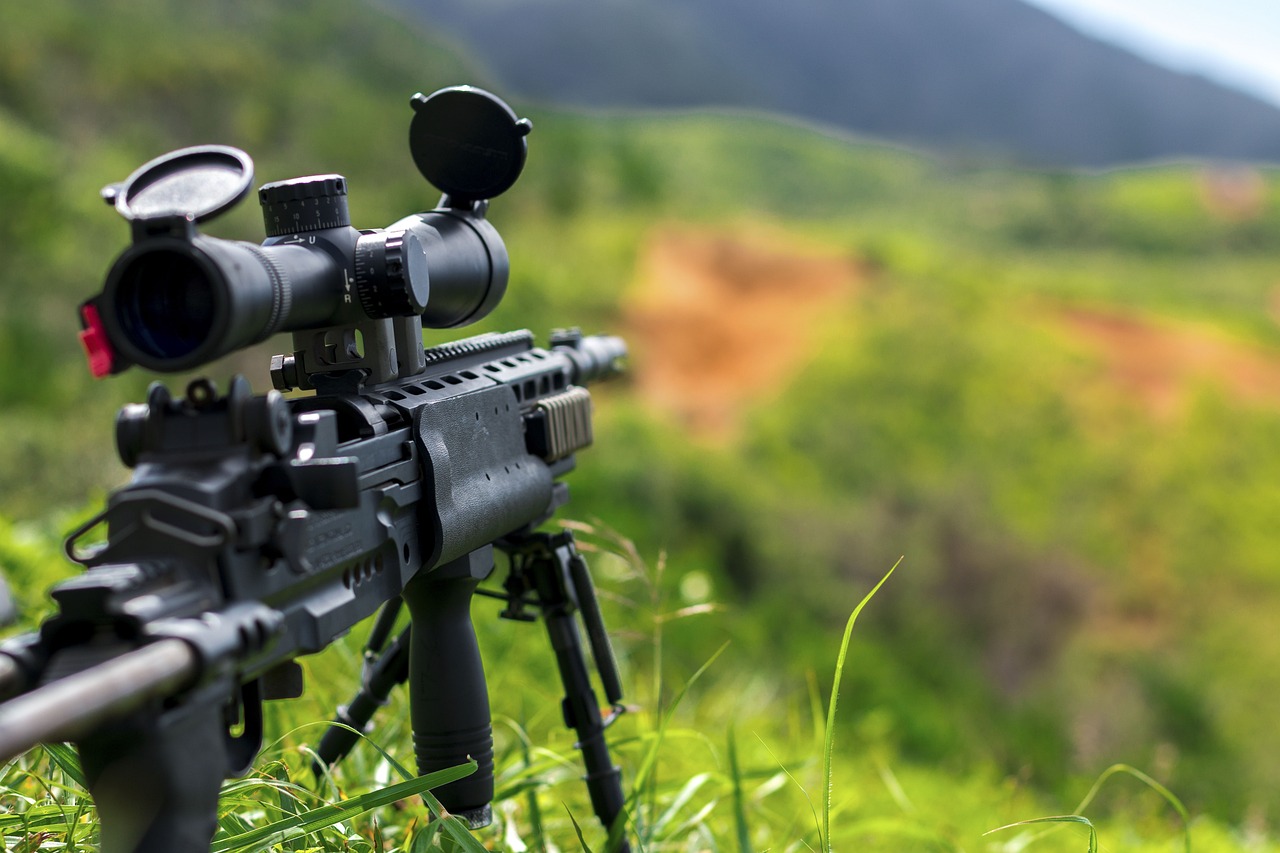
If one match captures the pressure and polish of modern PRS, it is the season-ending finale. The field is stacked with the year’s best performers, and every stage feels like a referendum on consistency, composure, and raw problem-solving under the clock.
What makes the finale so compelling is that nobody gets there by accident. Shooters arrive tested by a full season of travel, changing weather, and shifting terrain, so the margins are razor thin. A single miss on a distant plate or a fumbled barricade transition can reshape the leaderboard in seconds.
For fans, it is the closest thing PRS has to a championship showcase. For competitors, it is the match where reputations harden and titles actually mean something.
AG Cup
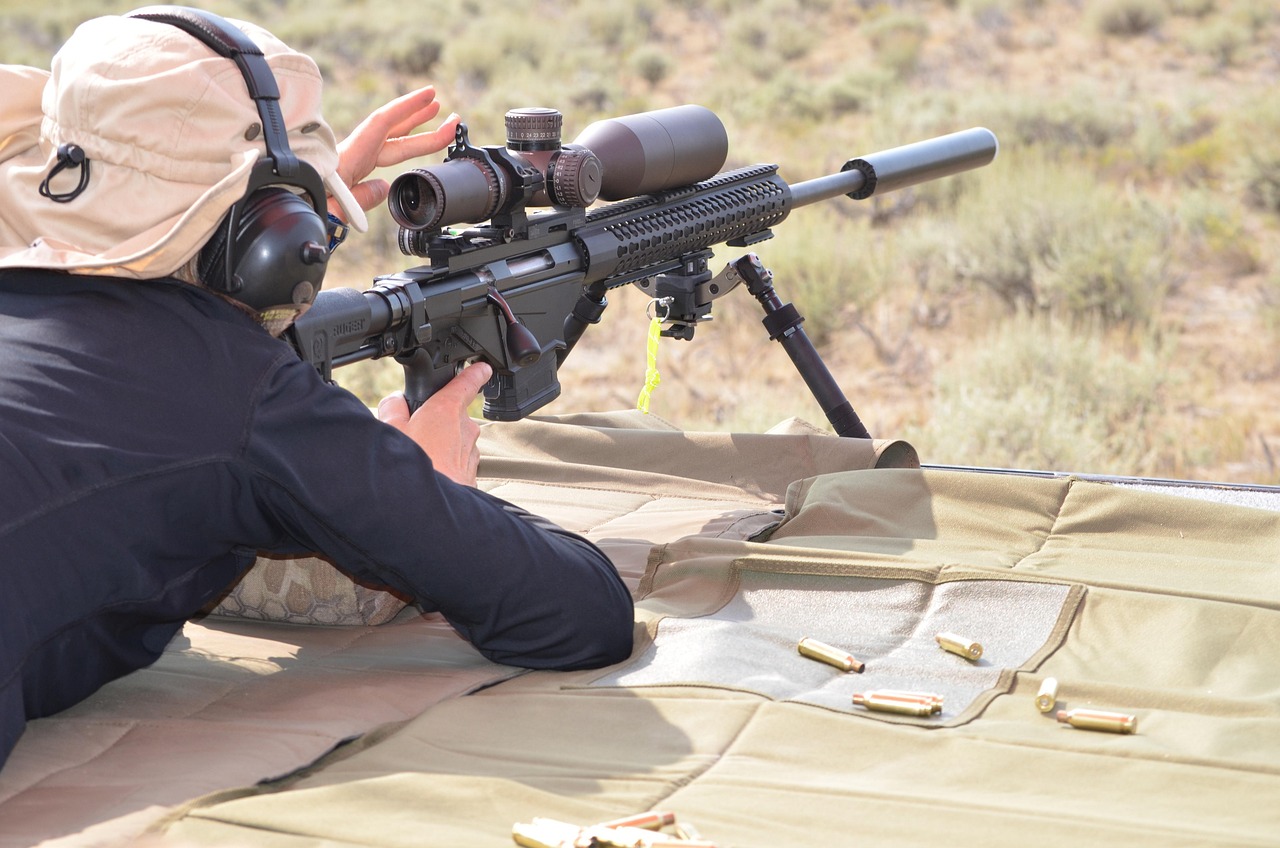
The AG Cup has earned a reputation as one of the sport’s most exclusive and demanding events. It is invitation-only, which gives it an all-star feel, but the real draw is how relentlessly it tests the very best shooters in conditions where everyone is expected to perform.
This is not a place to simply survive the course of fire. Competitors have to attack stages with confidence, trust their data, and make clean positional shots while the pressure keeps building. The field is smaller than some open events, yet the concentration of elite talent makes every point unusually valuable.
That intensity has helped the AG Cup become a benchmark. Winning here says a lot more than just having a good weekend.
Mammoth Sniper Challenge
The Mammoth Sniper Challenge sits at the edge of what many casual sports fans would even consider a shooting match. It combines long-range marksmanship with physical endurance, gear management, and mental resilience, creating a punishing format that feels closer to an expedition than a typical weekend competition.
Teams move through rough terrain carrying everything they need, then try to make accurate hits while fatigued and under stress. That changes the conversation completely. It is no longer just about perfect fundamentals on a square range, but about decision-making when your legs are gone and the clock is unforgiving.
That brutal blend of fitness and precision is exactly why Mammoth has become so respected.
Sniper’s Hide Cup
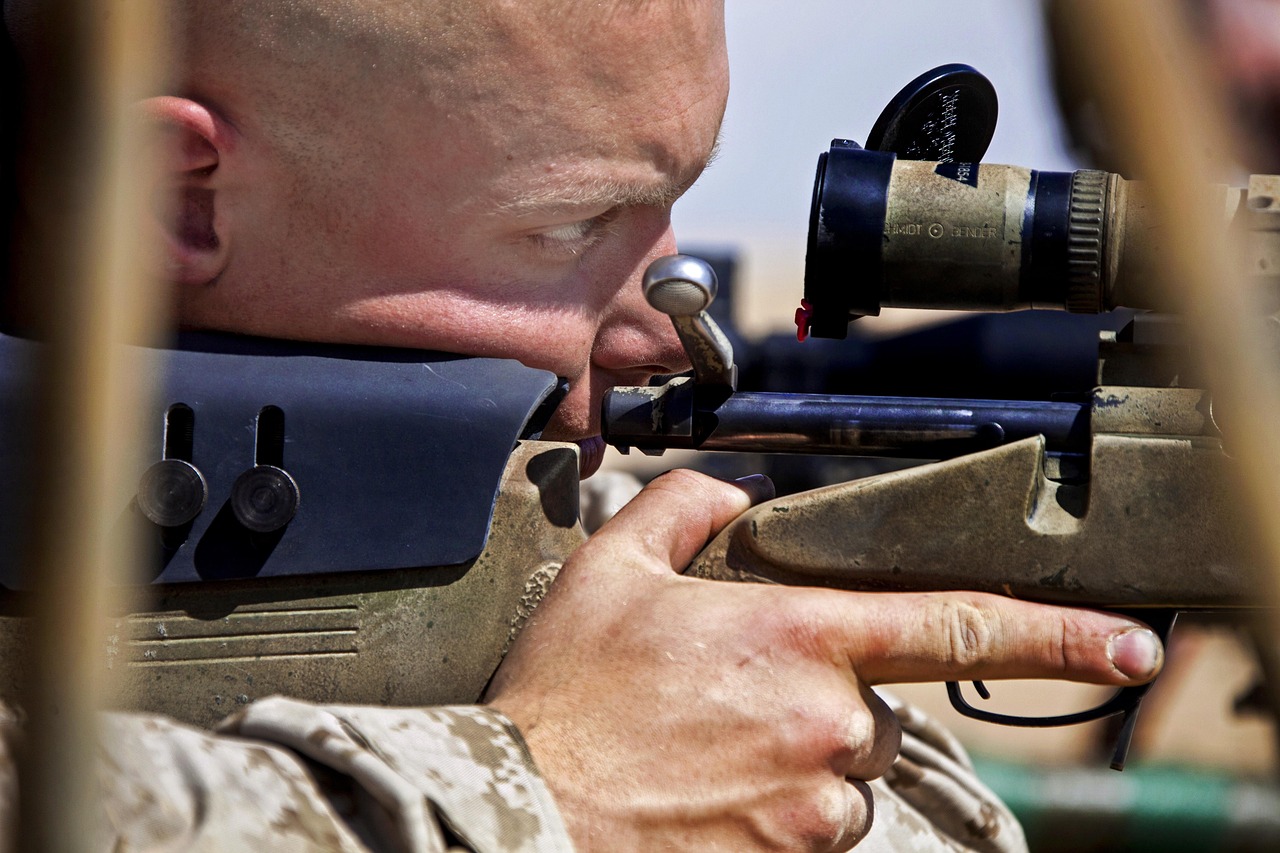
Few brands carry more weight in the precision rifle world than Sniper’s Hide, and its marquee match has become a magnet for serious competitors. The Cup feels plugged directly into the culture of the sport, where equipment knowledge, ballistic refinement, and stage execution all collide.
The match often attracts a deep roster of experienced shooters who know how to capitalize on tiny advantages. That can make the atmosphere feel deceptively calm even as the level of competition gets brutally high. A stage that looks manageable on paper quickly becomes difficult once wind calls and unstable positions enter the picture.
Because of that, the Sniper’s Hide Cup has become more than a branded event. It is a proving ground with real status.
K&M Kahles Precision Rifle Competition
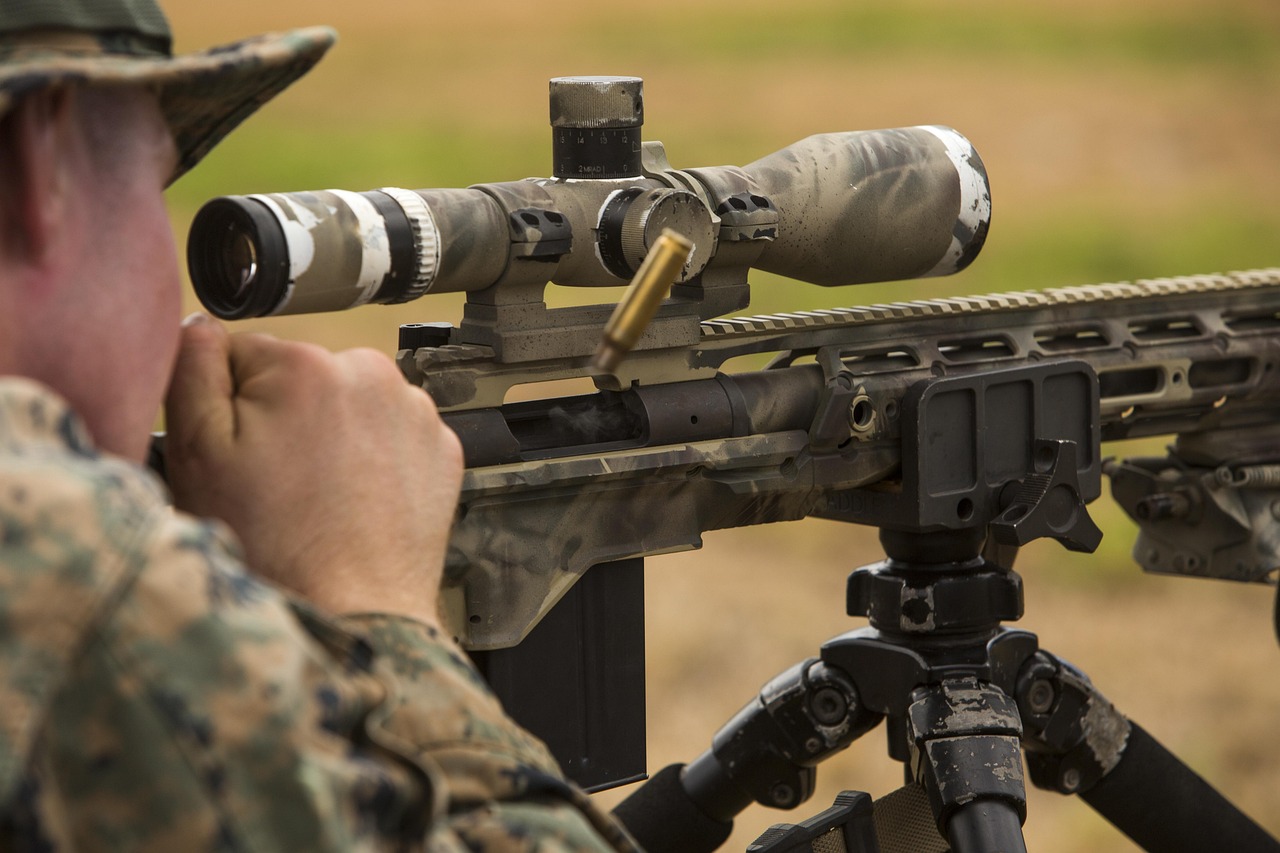
Held at one of the most recognized facilities in the country, the K&M Kahles match has become a showcase for polished match design and elite execution. The venue itself is part of the appeal, with thoughtfully built stages that reward both preparation and adaptability.
Shooters are asked to solve a variety of problems rather than repeat one skill set over and over. A stage may demand speed from awkward props, then immediately shift to disciplined target identification and a calm trigger press at distance. That constant change keeps the leaderboard fluid and prevents anyone from coasting.
The result is a match people watch closely every year. If you want to see where PRS standards are heading, this is a strong place to look.
Hornady Precision Rifle Challenge
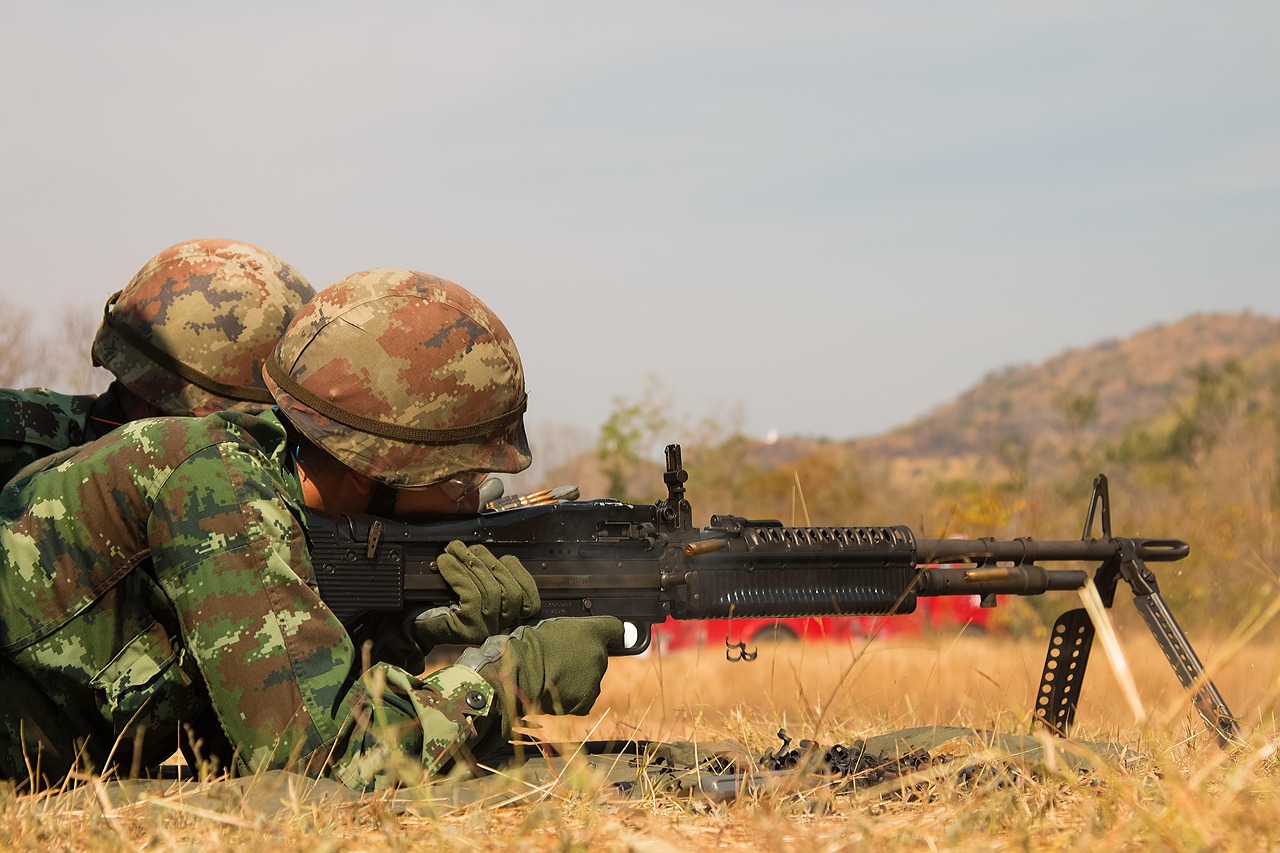
The Hornady Precision Rifle Challenge has grown into one of the most visible events in the sport, partly because the name carries instant recognition. But the match’s real credibility comes from how consistently it draws a skilled field ready to test loads, data, and nerves against difficult stages.
There is often a technical feel to the event that mirrors the modern precision rifle scene itself. Ammunition performance, ballistic confidence, and efficient movement all matter, and small errors get exposed quickly. Shooters who arrive overprepared usually gain the edge because the match tends to reward discipline more than improvisation.
That combination of prestige and practical challenge gives the event a big footprint in the competitive calendar.
Bushnell Brawl
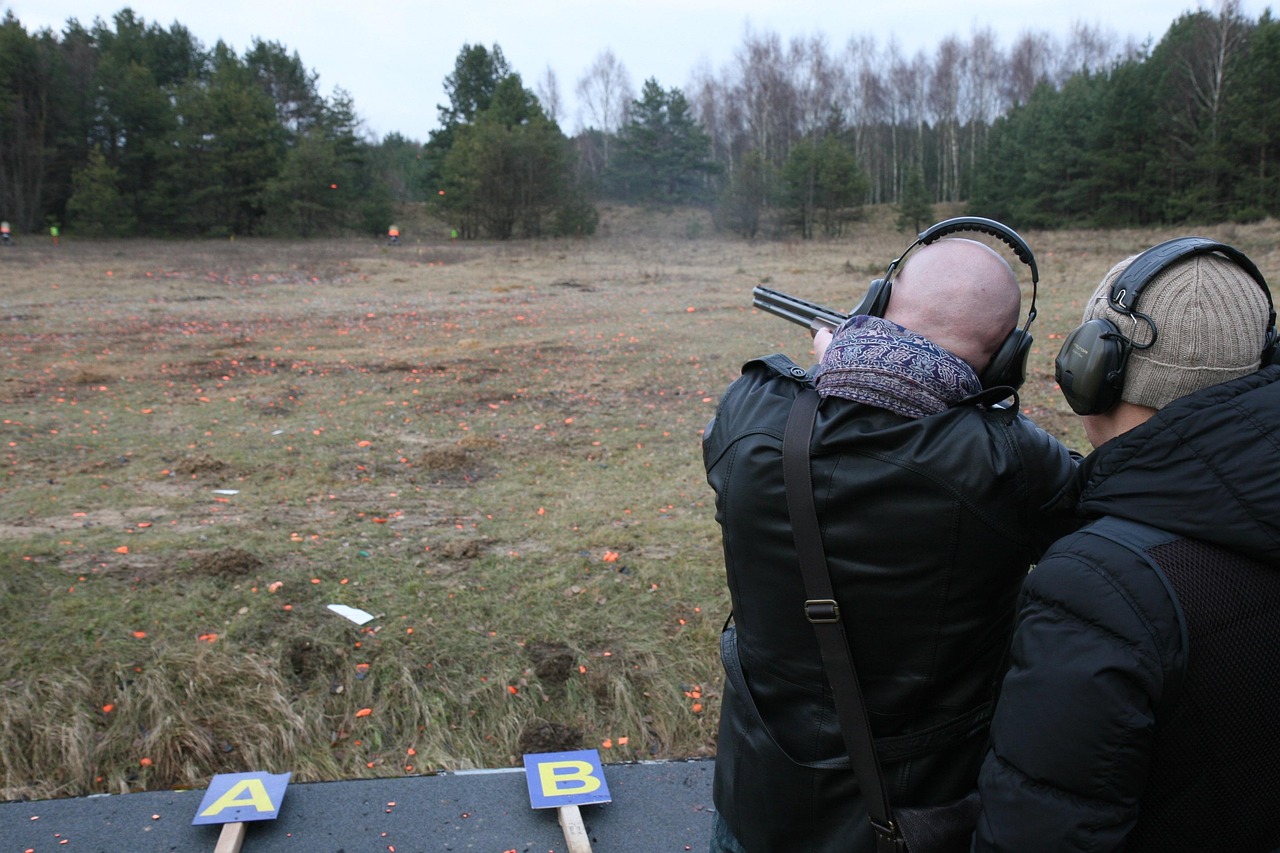
The Bushnell Brawl sounds aggressive, and in many ways it delivers on that promise. This is the kind of match where the pace can feel relentless, with stages that force shooters to balance aggression and control instead of leaning too far into either one.
That tension is what makes it so watchable. Competitors have to decide when to push for time and when to slow down for a cleaner hit sequence, knowing that a rushed miss can be just as costly as playing things too safe. The smartest shooters read the rhythm of a stage before the buzzer ever starts.
As PRS has matured, matches like this have helped define its identity. They reward athletic thinking as much as pure marksmanship.
Oklahoma PRS Regional Showdowns
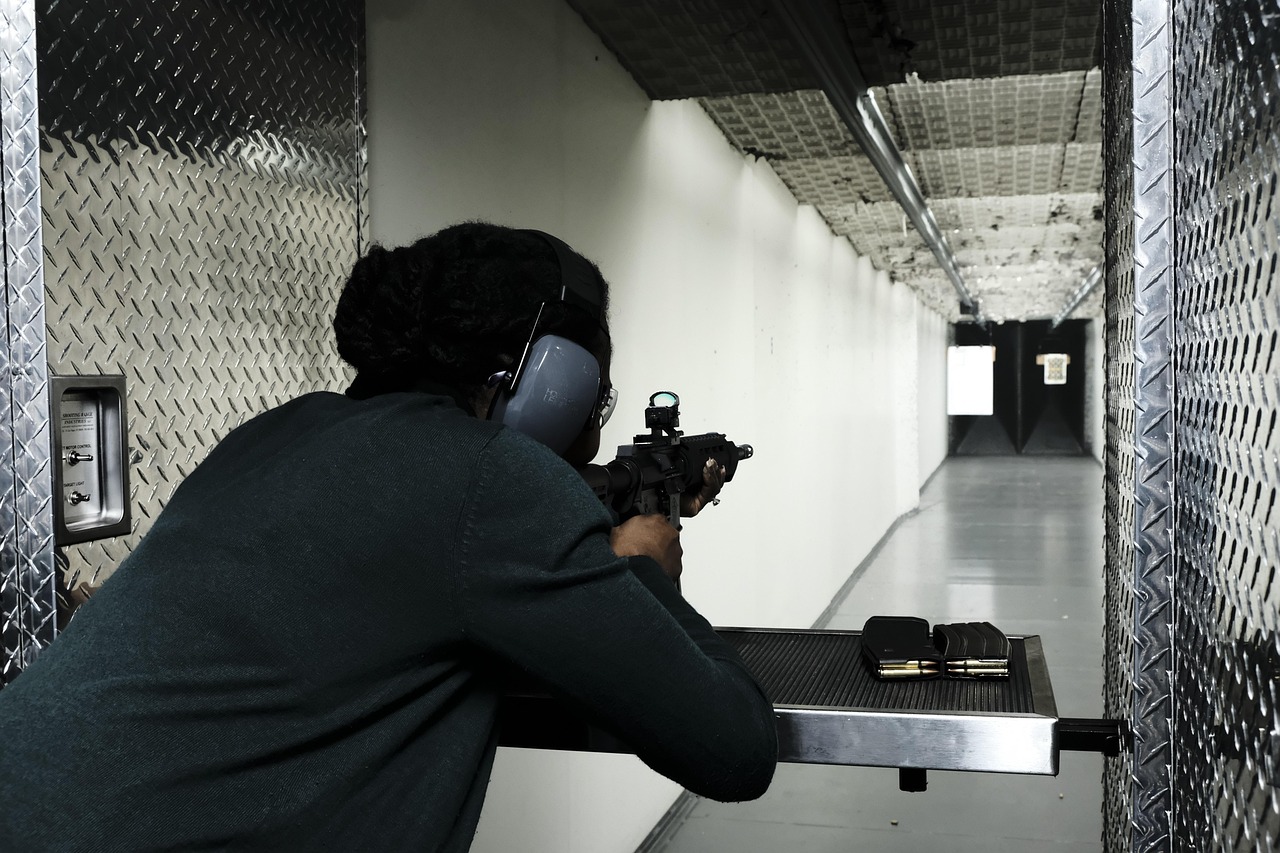
Not every important battleground in precision rifle is a nationally hyped finale. Oklahoma’s regional matches have become quietly influential because they attract hard-nosed local talent, frequent national contenders, and the kind of wind that can humble almost anyone.
Regional events matter because they are where depth in the sport really shows up. You see hungry shooters trying to break through, veterans protecting their standing, and practical stage designs that expose weaknesses fast. There is often less ceremony than at marquee invitationals, but the competitive seriousness is absolutely there.
In many ways, these matches reveal PRS at its healthiest. They prove the sport’s rise is not just top-heavy, but built on strong, demanding local competition.
Texas Precision Matches

Texas has become one of the busiest and most influential states in the precision rifle ecosystem, and its major matches reflect that scale. Big ranges, varied terrain, and a deep bench of shooters help create events that feel both expansive and intensely competitive.
The state’s match culture also rewards versatility. One weekend might emphasize speed and movement, while another leans into difficult wind calls and patient target engagement. That variety keeps competitors honest and helps sharpen well-rounded shooters who can travel anywhere and still remain dangerous.
When people talk about PRS growth in America, Texas is impossible to ignore. Its events have become incubators for talent and trendsetters for match expectations nationwide.
Rocky Mountain Precision Matches

Matches in the Rocky Mountain region bring a different flavor to PRS, and that is a big part of their growing importance. Elevation, shifting weather, and dramatic terrain can all complicate ballistic assumptions, forcing shooters to stay mentally flexible from the first stage to the last.
These events tend to feel scenic and punishing at the same time. A beautiful backdrop does not make a stage easier when the wind switches halfway through a run or a hillside position challenges stability. Competitors who thrive here usually have strong fundamentals and the patience to trust them.
That is why Rocky Mountain matches are drawing more attention. They remind everyone that the sport’s toughest contests are often shaped by the environment as much as the course design.