Few rifle cartridges have survived long enough to become part of history lessons, part hunting tradition, and part modern sporting tool. The .45-70 Government is one of them. Introduced in 1873, it was created for a military rifle, yet its heavy bullets and straightforward design eventually found a lasting place in big game hunting. Its story is not about being the fastest cartridge. It is about useful power, adaptable rifles, and an unusual ability to remain relevant as firearms technology changed.
1. It Was Born as a Military Heavyweight
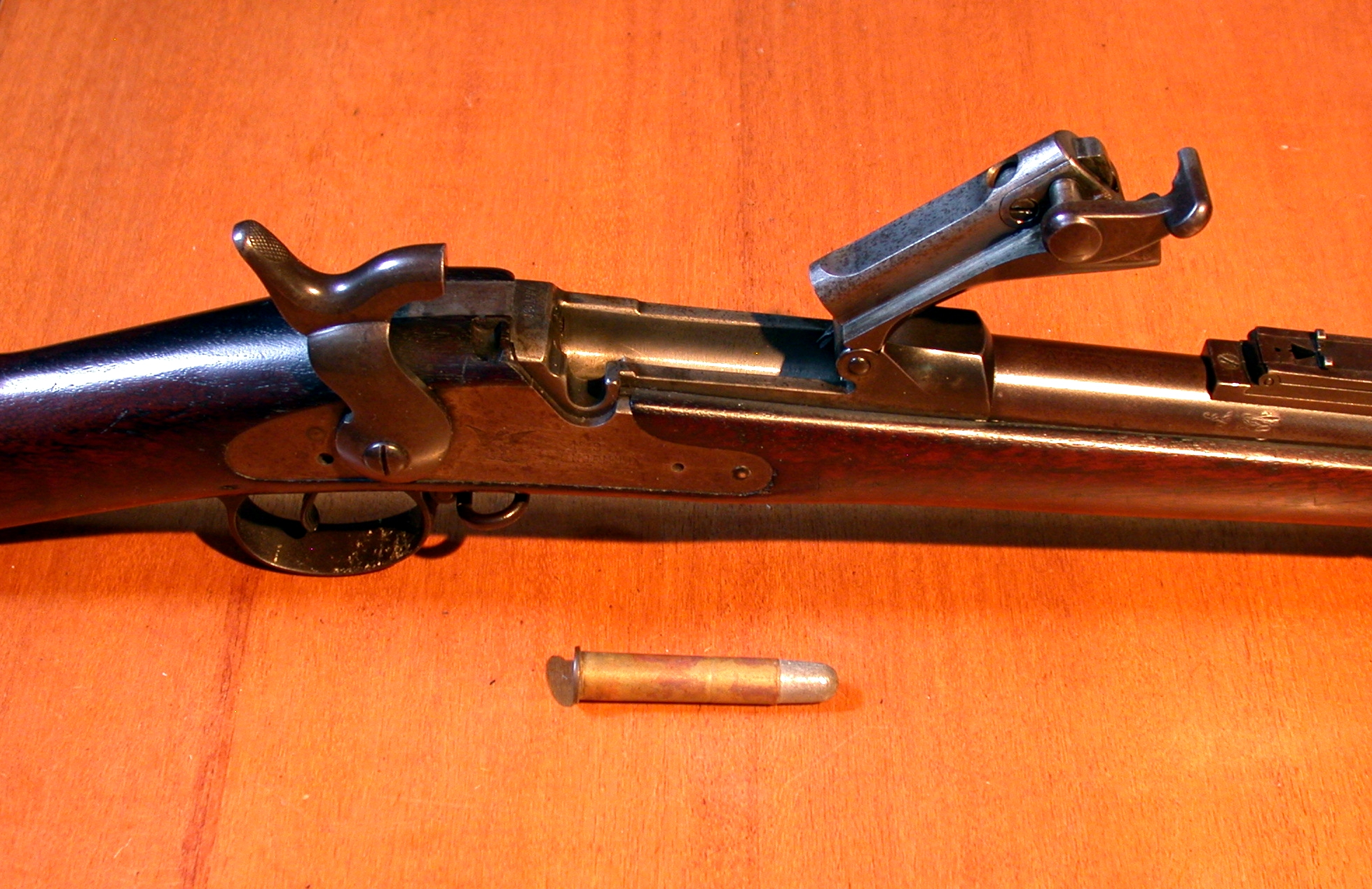
The .45-70 Government arrived in 1873 with the Springfield Model 1873, replacing the .50-70. Its original .45-70-405 name described a .45-caliber bullet, 70 grains of black powder, and a 405-grain projectile. The classic load pushed that heavy bullet at roughly 1,350 to 1,400 fps. That was modest by modern standards, but the large lead projectile delivered substantial momentum. Its military service lasted until the 1890s, yet its hunting reputation was only beginning.
2. The 405-Grain Bullet Gave It a Distinct Personality
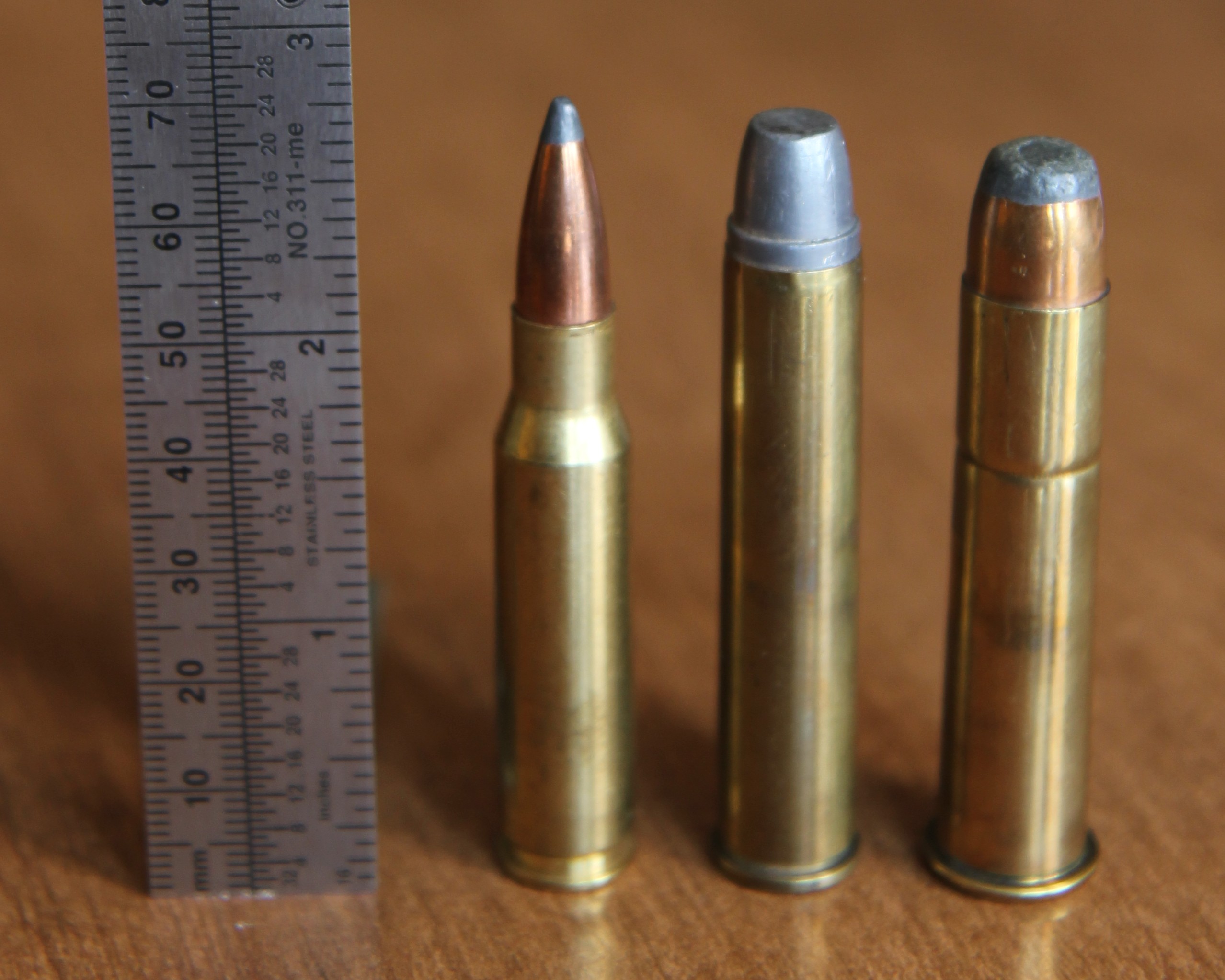
A 405-grain bullet is unusually heavy compared with many modern hunting projectiles, and that mass became central to the cartridge’s identity. Early military ammunition used a round-nose lead bullet, creating a very different ballistic profile from today’s streamlined bullets. The combination of large diameter and weight favored strong penetration at moderate velocity. Hunters quickly recognized that the same characteristics useful on military targets could also suit large North American game at sensible ranges, where shot placement mattered more than extreme speed.
3. The 500-Grain Load Changed Its Long-Range Reputation
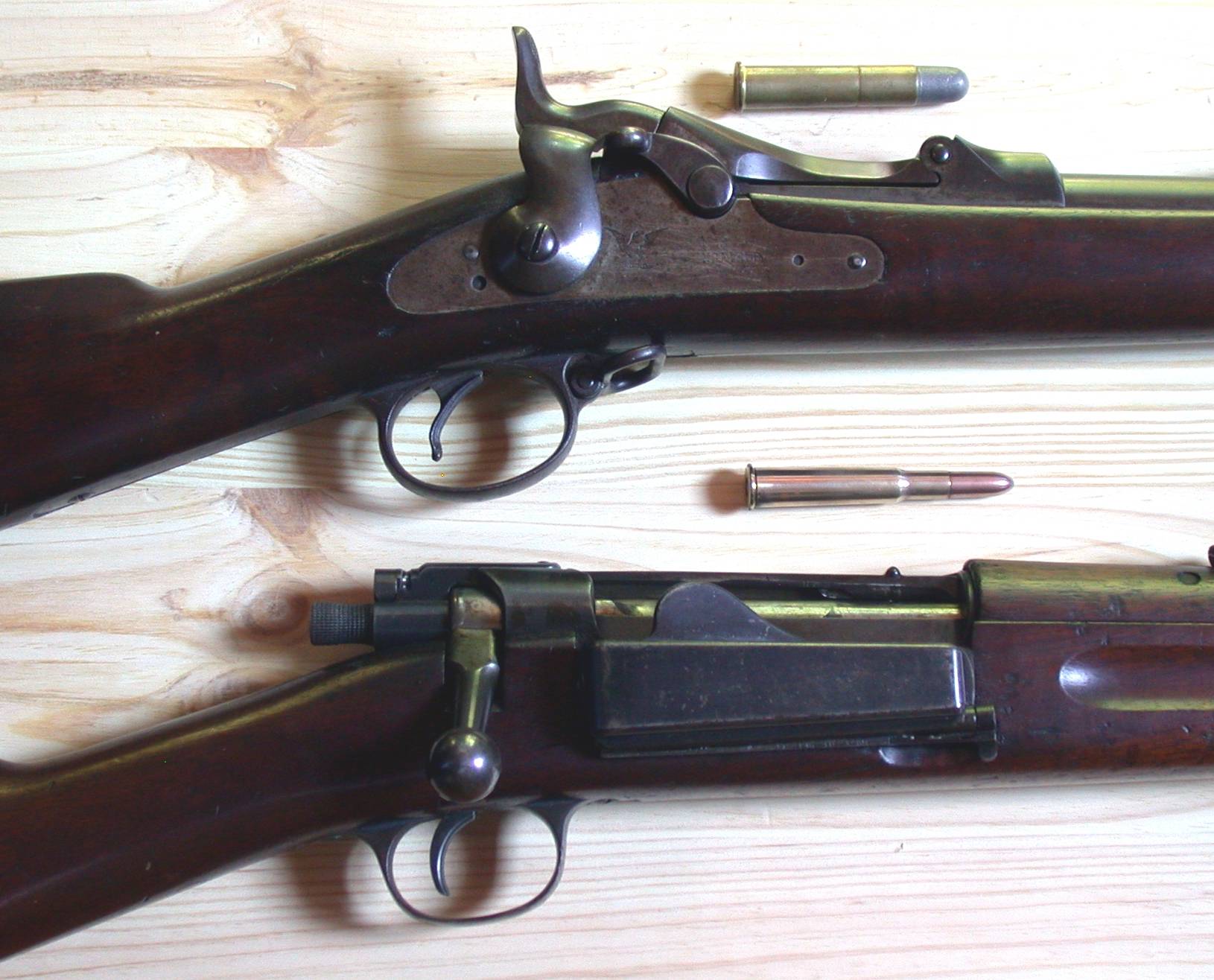
The cartridge evolved after military testing showed advantages of a heavier projectile. By 1884, the Springfield Model 1884 could use the .45-70-500, sending a 500-grain bullet at about 1,315 fps. The heavier projectile improved long-range performance, although it also increased recoil. Historical testing at Sandy Hook demonstrated that these bullets could retain remarkable penetration at extreme distances. The lesson was not that the cartridge became a flat-shooting round, but that a heavy projectile could carry useful momentum surprisingly far.
4. Its Short-Range Power Suits Big Game Better Than Its Trajectory
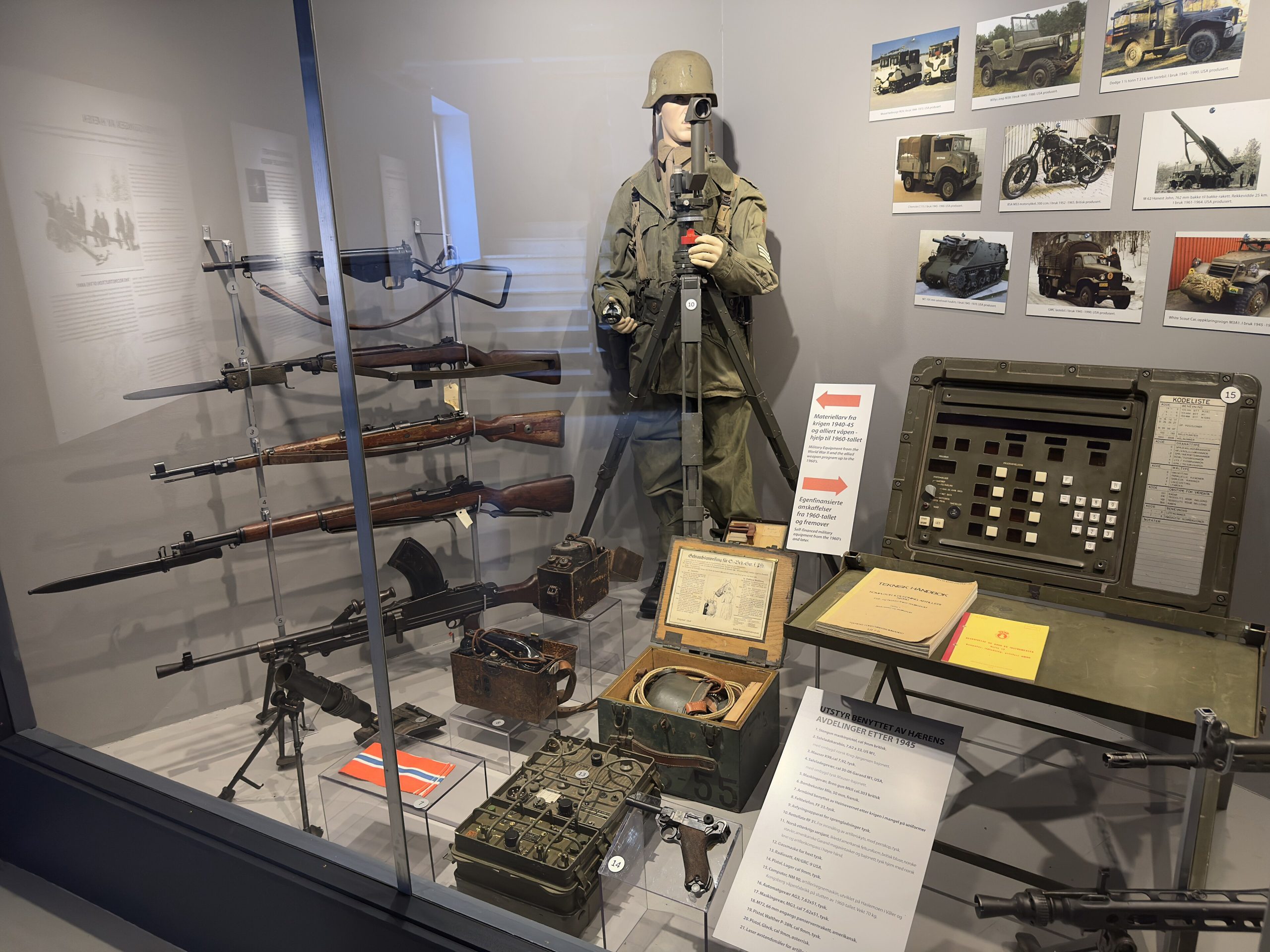
The .45-70 is not a modern high-velocity cartridge, and its trajectory is one of its clearest limitations. Original loads were slow enough to require careful range judgment, especially beyond a few hundred yards. Yet that same moderate velocity can be useful for hunters working in thick timber, where shots are often relatively close. A broad, heavy projectile can deliver substantial impact without requiring magnum-level velocity. Its practical hunting niche has therefore remained short to moderate ranges, not distant open-country shooting.
5. Modern Rifles Turned an Old Cartridge Into a Flexible Hunter
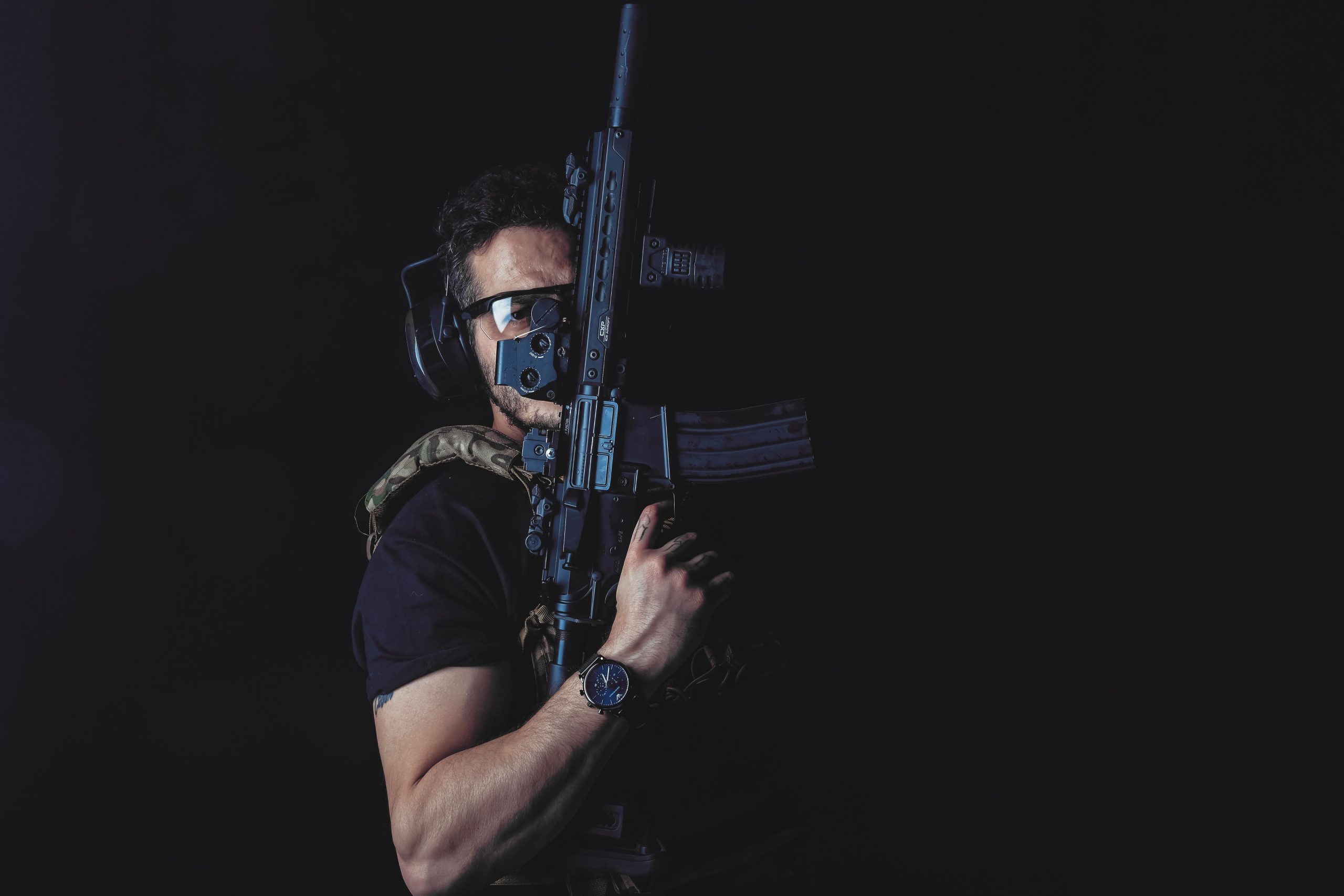
The .45-70 survived because manufacturers kept chambering it in rifles very different from the original Trapdoor Springfield. Modern lever actions, single-shot rifles, and other strong designs gave hunters new ways to use the old cartridge. Ammunition also expanded from traditional-style bullets to modern jacketed and bonded projectiles. That variety matters because not every .45-70 load is interchangeable in every rifle. Original Trapdoors operate at much lower pressure than many modern actions, making firearm-specific ammunition selection essential.
6. Pressure Ratings Explain Why One .45-70 Is Not Like Another
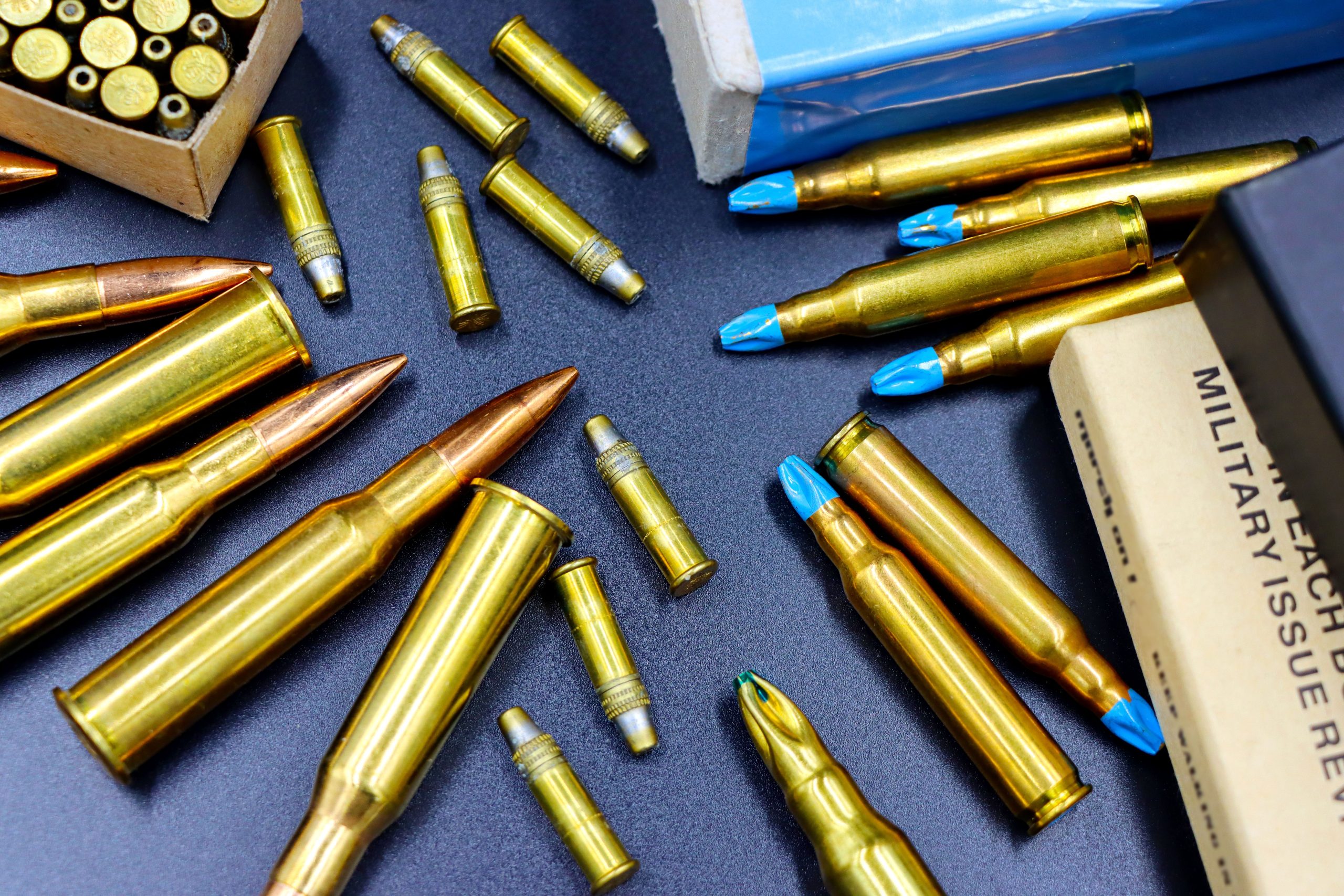
The cartridge’s long history creates an important safety distinction between rifles. Original Springfield Trapdoors were designed around relatively low pressures, commonly cited around 18,000 to 19,000 psi. Modern rifles can be engineered for substantially higher pressures, but ammunition intended for those firearms must never be assumed suitable for an older action. The cartridge name alone does not identify its pressure category. A hunter must match factory ammunition to the rifle’s specifications, because 2 rifles bearing the same chambering can have very different limits.
7. Its Recoil Is Part of the .45-70 Experience
Heavy bullets and substantial powder charges produce noticeable recoil, especially in lightweight hunting rifles. The effect depends on bullet weight, velocity, rifle weight, stock design, and the shooter’s position. A 9-pound rifle can feel very different from a compact guide gun chambered for the same cartridge. That matters because practical accuracy depends on controlling the rifle, not merely reading energy figures. A load that looks impressive on paper is of limited value if the hunter cannot comfortably place repeated shots where intended.
8. Its 150-Year Survival Is Really About Versatility
Few centerfire rifle cartridges introduced in 1873 remain widely recognized today, yet the .45-70 continues to occupy a distinctive hunting role. It moved from military service to frontier hunting, then into modern sporting rifles and specialized big-game applications. Its enduring appeal comes from a useful combination of large bore diameter, heavy bullets, manageable action lengths, and modern ammunition choices. It is not the fastest cartridge, nor the flattest shooting, but its strengths remain remarkably relevant after more than 150 years.