The Browning X-Bolt has a strong reputation for accuracy and refinement, which is exactly why small problems can sneak up on owners. When a trusted rifle starts acting differently, many shooters assume it is ammo, weather, or a bad day at the range. This gallery looks at the subtle malfunctions that often build slowly, then suddenly turn into missed shots, feeding trouble, or a rifle that does not inspire confidence when it matters most.
Sticky Bolt Lift After Firing
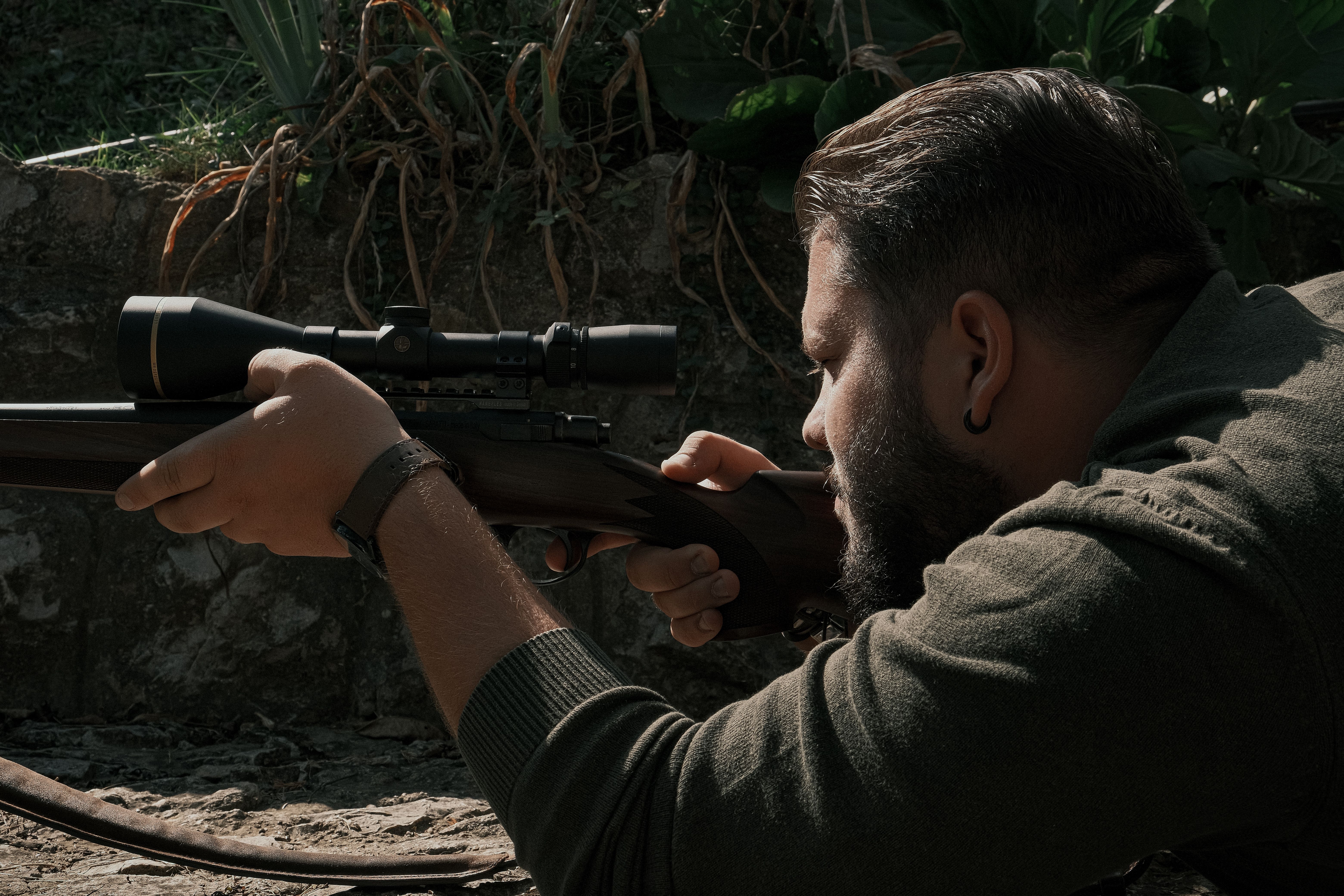
One of the easiest warning signs to dismiss is a bolt that suddenly feels harder to lift after a shot. Owners often blame a hot load, dirty chamber, or rough conditions, but repeated resistance can point to chamber fouling, pressure issues, extractor drag, or early wear in the action.
The danger is not just inconvenience. A sticky bolt can slow follow-up shots and mask a deeper problem that keeps getting worse with every range trip. If the rifle used to cycle smoothly and now needs extra force, that change deserves attention before it becomes a reliability issue in the field.
Failure to Feed From the Magazine
Feeding problems rarely begin as dramatic stoppages. More often, the first clue is a round that noses down, hesitates below the chamber, or feeds only when the bolt is worked slowly and carefully. A worn magazine spring, damaged follower, or slightly misaligned magazine can all create trouble that feels random at first.
That randomness is what catches owners off guard. The rifle may run perfectly for months, then jam on the one cartridge that matters. Once feeding becomes inconsistent, confidence drops fast, and many shooters discover too late that the issue was growing long before it became obvious.
Extraction Problems That Start Small
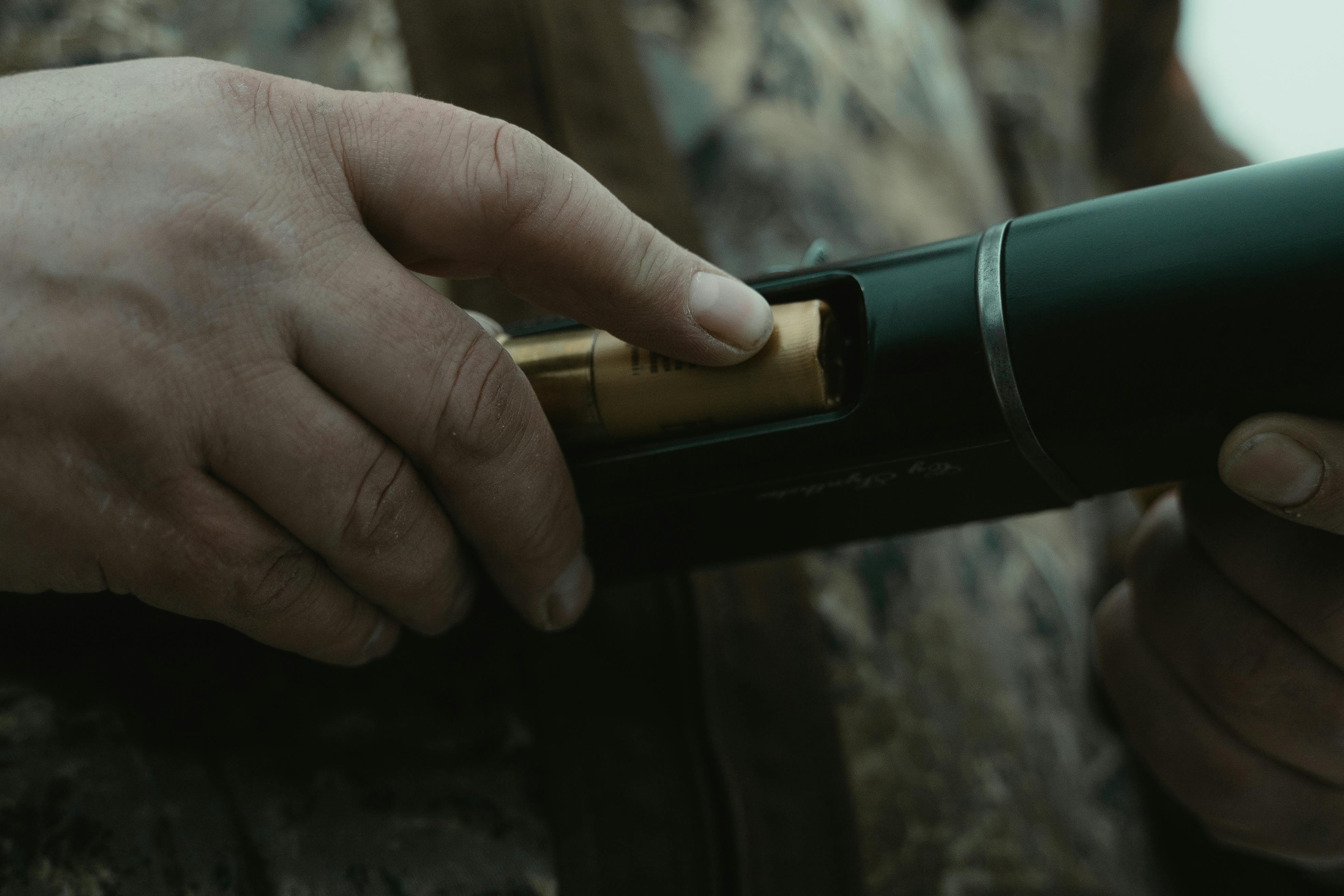
A rifle does not have to completely fail to extract before there is a real problem. Sometimes the spent case comes out weakly, feels rough on the way back, or requires a sharper tug than usual. That can signal carbon buildup, a rough chamber, extractor wear, or brass dimensions the rifle no longer tolerates well.
Because the case still comes out, many owners keep shooting and move on. But extraction issues tend to snowball, especially when heat and fouling increase during a long session. What begins as a minor annoyance can turn into a stuck case and a rifle that is suddenly out of action.
Ejection That Turns Weak or Erratic

Weak ejection often hides behind the phrase it still works. Cases may dribble out instead of clearing the action cleanly, or they may kick in odd directions from one shot to the next. Dirt under the ejector, spring fatigue, or subtle wear on bolt components can all change how positively the rifle throws brass.
This matters more than it seems. Poor ejection can interrupt the shooter’s rhythm and create confusion when a case bounces back into the action area. On a calm bench day it may seem manageable, but in hunting conditions, erratic ejection can quickly become a frustrating and costly malfunction.
Trigger Creep or Inconsistent Break

Many X-Bolt owners choose the rifle because it feels crisp and predictable, so trigger changes can be surprisingly unsettling. If the break becomes heavier, mushier, or less consistent from shot to shot, that shift may point to contamination, wear, improper adjustment, or internal parts that need professional inspection.
Accuracy problems often show up here before the owner realizes what changed. Groups open up, timing feels off, and clean shots become harder to call. Because trigger deterioration can happen gradually, shooters sometimes adapt without noticing until the rifle no longer feels like the same firearm they trusted before.
Safety That Feels Loose or Uncertain

A safety should feel deliberate and repeatable every single time. If it starts moving too easily, feels vague between positions, or no longer gives that confident click, it should never be brushed off as normal wear. Small changes in the safety mechanism can signal dirt, part wear, or a fit issue that deserves immediate caution.
This is one malfunction category owners often underestimate because the rifle may still fire and cycle normally. But uncertainty in the safety system changes how the rifle is handled, stored, and trusted. Any loss of crisp engagement is a serious warning sign, not a cosmetic annoyance.
Wandering Zero From Loose Mounting Hardware
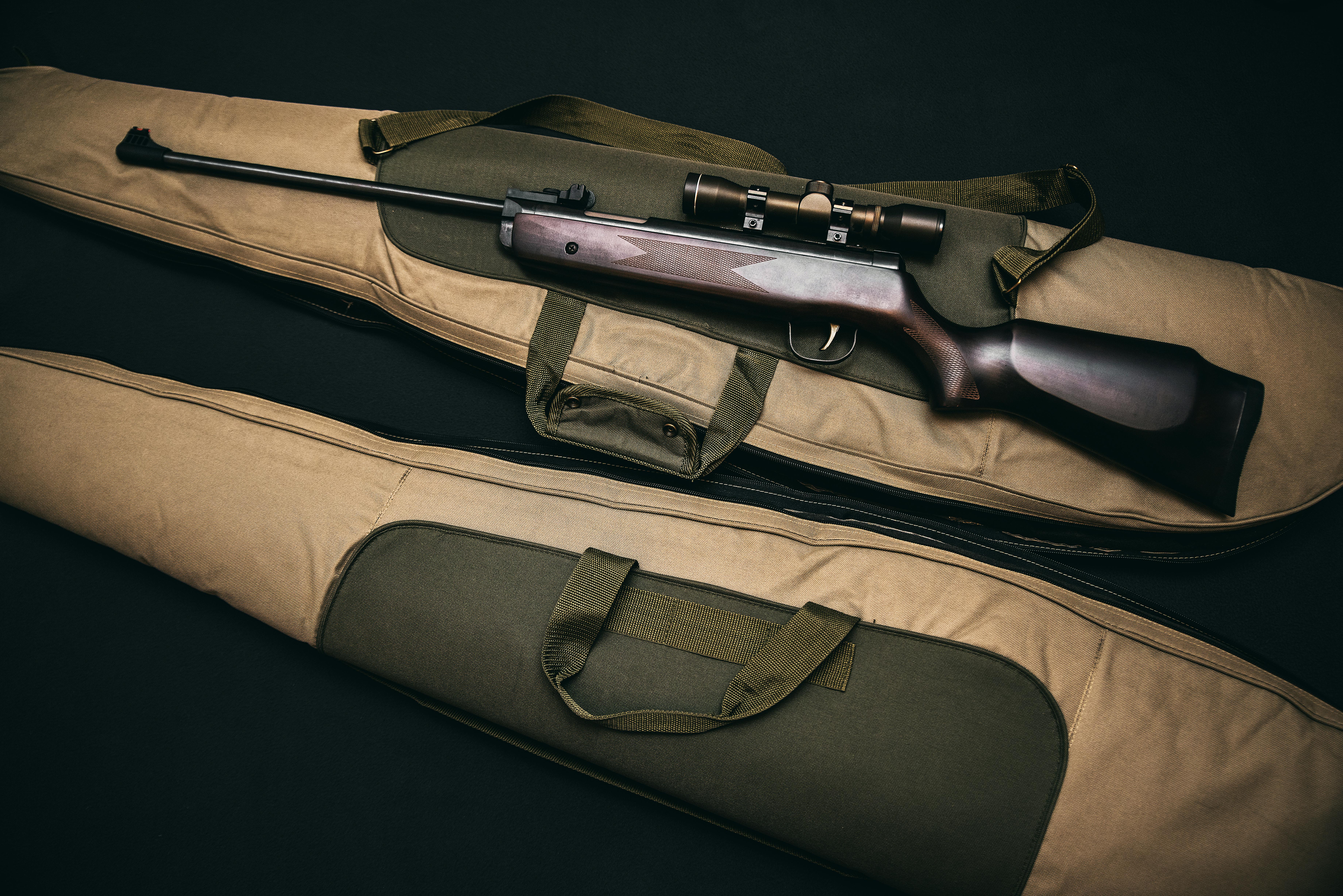
Not every malfunction lives inside the action. Sometimes the problem is a rifle that slowly loses zero because scope bases, ring screws, or action screws have shifted just enough to cause inconsistency. The shooter sees unexplained flyers and assumes wind, ammo, or technique, while the hardware keeps loosening in plain sight.
This kind of issue is especially deceptive because the rifle may still produce occasional tight groups. That partial performance makes the problem harder to diagnose. By the time the zero has wandered far enough to spoil a hunt or competition day, the warning signs were usually there in those strange, scattered impacts.
Corrosion Hiding in the Barrel or Bolt

Corrosion does not always announce itself with obvious orange rust. In many rifles, it starts as faint discoloration, roughness in the bore, or hidden moisture damage in the bolt body and recesses. A firearm stored after wet weather or handled often without thorough cleaning can develop problems that remain invisible until performance drops.
Accuracy loss, stiff cycling, and premature wear can all follow. The frustrating part is that owners often discover the damage only after a deep cleaning or a bad day on the range. By then, what seemed like a small maintenance oversight may have already changed the rifle’s behavior in lasting ways.
Stock Pressure Changes That Hurt Accuracy

Synthetic and walnut stocks can both create surprises over time. Temperature swings, moisture, impact, or screw tension changes may alter how the stock bears against the action and barrel. When that pressure changes, a rifle that once printed dependable groups can start scattering shots without any obvious mechanical failure.
Owners often chase optics, ammo, and shooting form before looking at stock fit. That makes this problem particularly sneaky. The rifle still functions, still chambers, and still fires, but it no longer behaves consistently. In practical terms, that is its own kind of malfunction, especially when precision is the whole point.