Firearms have occupied an unusual place in American life. Some began as military tools, others as hunting or sporting arms, yet many eventually became symbols of independence, preparedness, craftsmanship, or rural tradition. Their meanings are not identical, and their roles have changed over time. Together, these nine firearms illustrate why discussions about self-reliance in America often extend beyond the mechanics of a gun and into questions of history, culture, responsibility, and law.
1. Ruger 10/22
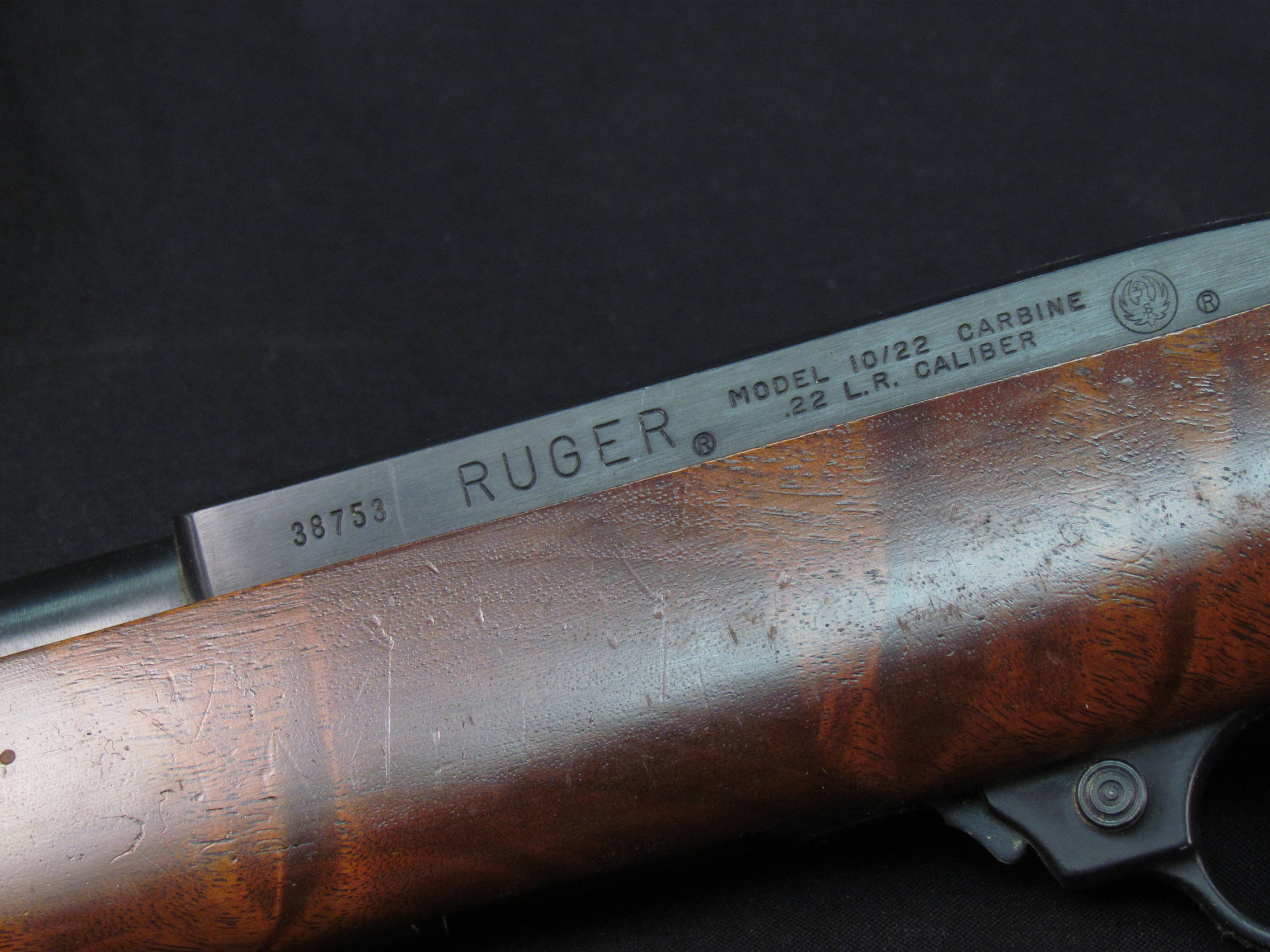
Introduced in 1964, the Ruger 10/22 became a familiar .22 LR rifle for training, small-game hunting, farm chores, and recreational shooting. Ruger says more than 10 million have been produced over 61 years, a figure that shows how deeply the design entered American gun culture. Its light rimfire cartridge also keeps practice relatively accessible. In the self-reliance debate, the 10/22 represents a quieter idea: useful skills can begin with a simple, manageable rifle rather than a powerful one. It also shows that self-reliance can begin with practice and maintenance.
2. Winchester Model 1894
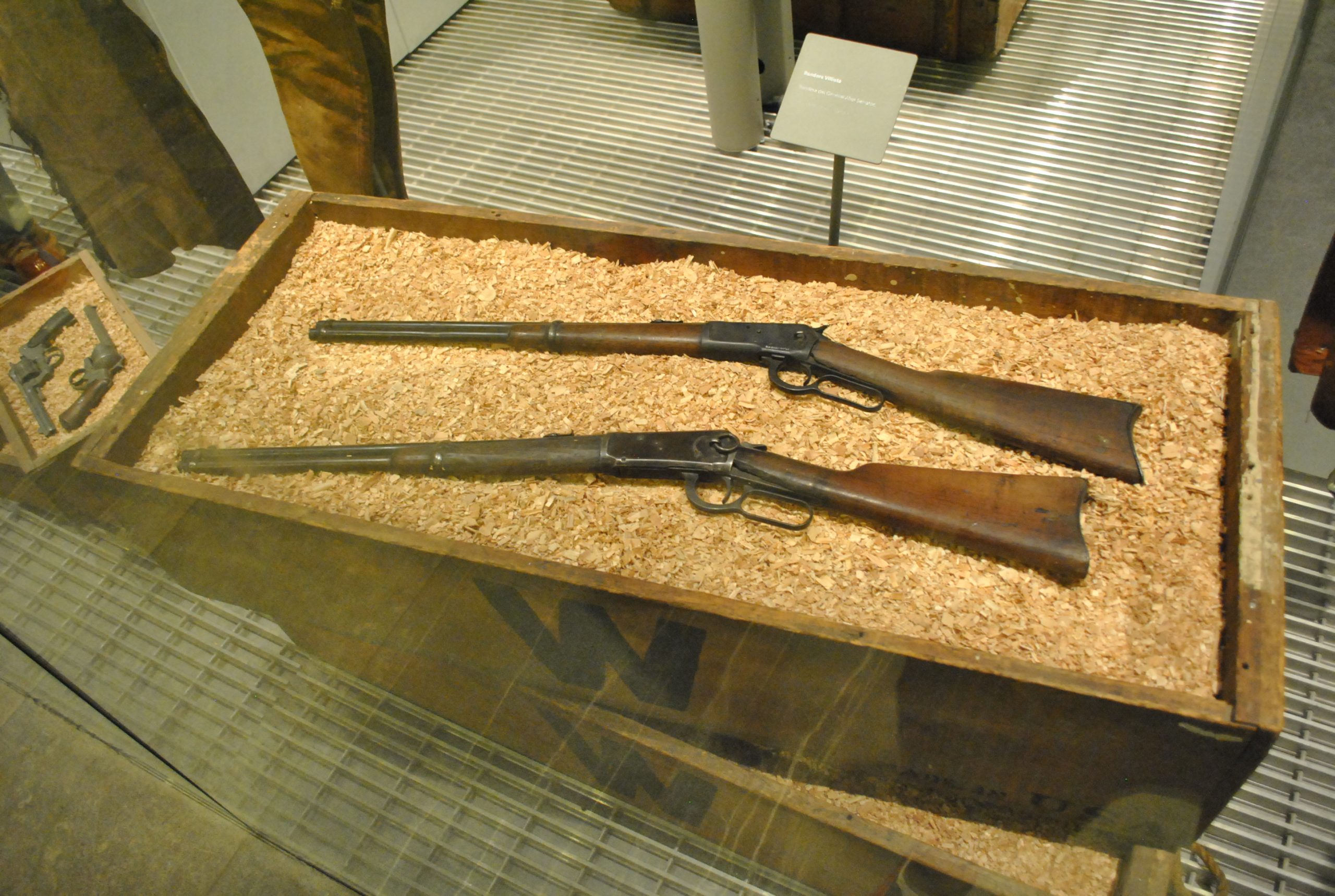
The Winchester Model 1894 arrived in 1894 and became closely associated with deer hunting and the American West. Its lever-action design paired naturally with the .30-30 cartridge, giving hunters a compact rifle that could be carried through woods and brush. Winchester calls it the most famous deer-hunting rifle in its history. Its place in the self-reliance conversation is largely cultural: the rifle evokes hunting, rural independence, and the expectation that ordinary people can provide food through their own skills. That image has lasted for generations.
3. Colt M1911
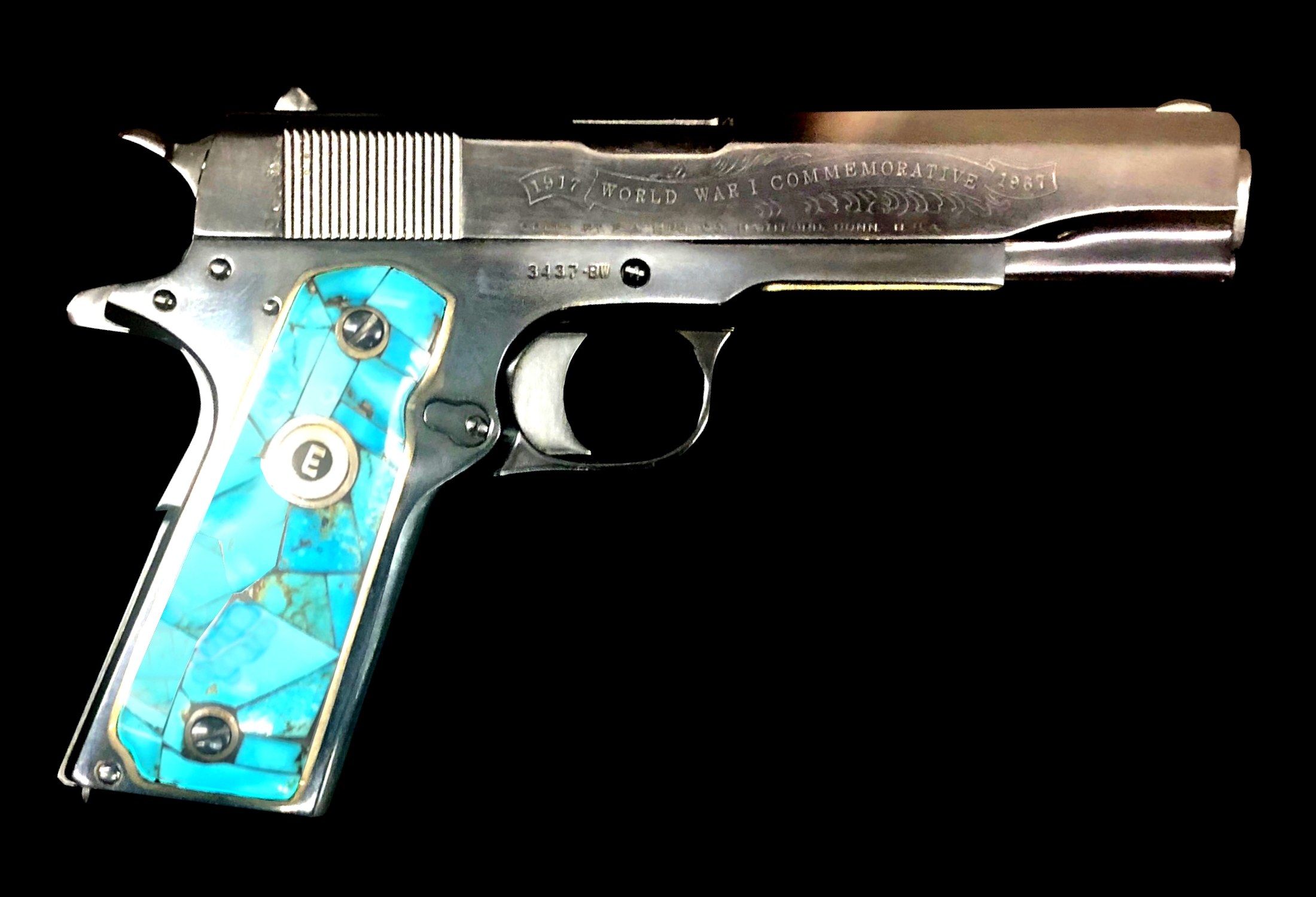
The Colt M1911 became one of America’s most recognizable service pistols. Adopted by the U.S. military in 1911, it was chambered in .45 ACP and remained a standard American sidearm for decades. Its long service life helped turn the model into more than military equipment; it became part of civilian sporting, collecting, and defensive culture. In arguments about self-reliance, the 1911 often symbolizes individual responsibility and preparedness, although its ownership and use also sit within America’s wider firearms-law debate. History spans service, sport, collecting, and civilian use.
4. AR-15
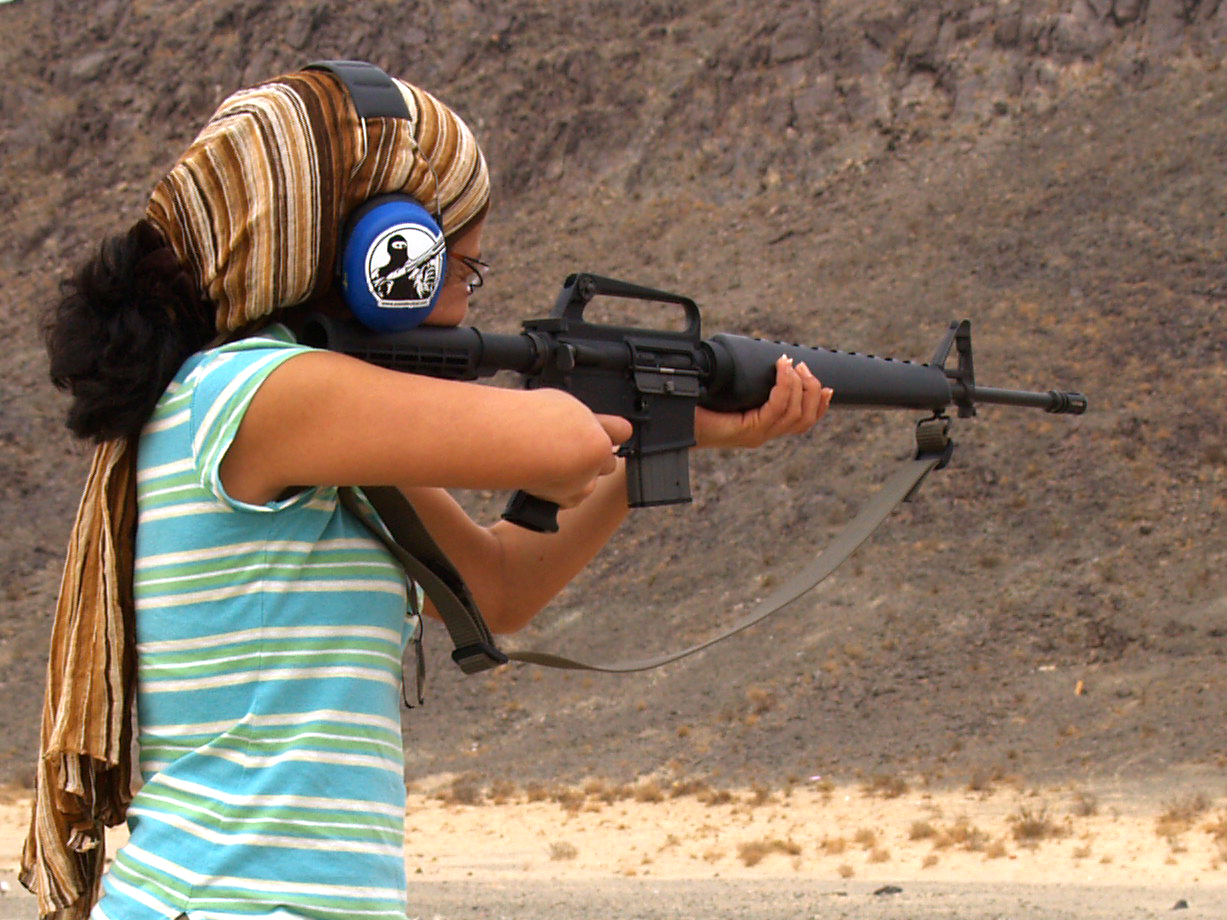
The AR-15 is one of the clearest examples of how a firearm can become a cultural symbol beyond its original engineering purpose. The design emerged from Eugene Stoner’s work with ArmaLite in the 1950s, while the related M16 family followed for military service. Today, AR-pattern rifles are associated with sport shooting, competition, hunting where lawful, and collecting. They also appear prominently in debates about firearm regulation, making the platform a central example of how self-reliance, personal liberty, public safety, and constitutional arguments can collide.
5. Ruger Mini-14
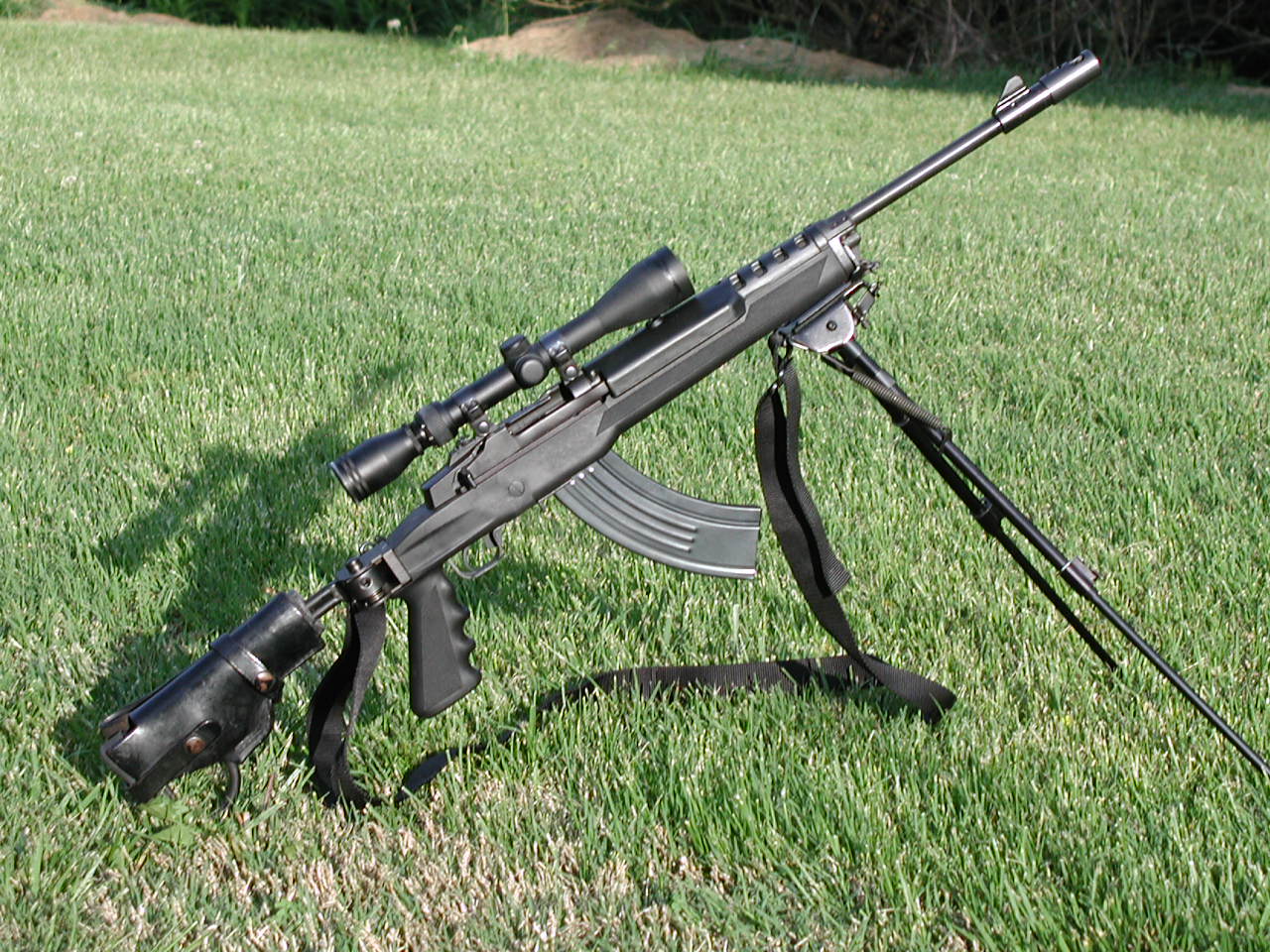
Ruger’s Mini-14, introduced in 1974, was designed as a lightweight .223 rifle and became known as a practical ranch and farm rifle. Ruger notes that the platform earned the nickname “Ranch Rifle” because of its popularity around woods, farms, and ranches. Its appearance also differs from the military styling associated with some other semiautomatic rifles. That combination helped make the Mini-14 an interesting part of America’s self-reliance conversation, where practical utility and cultural symbolism often overlap. It bridges traditional sporting rifles and modern semiautomatic designs.
6. Remington 870
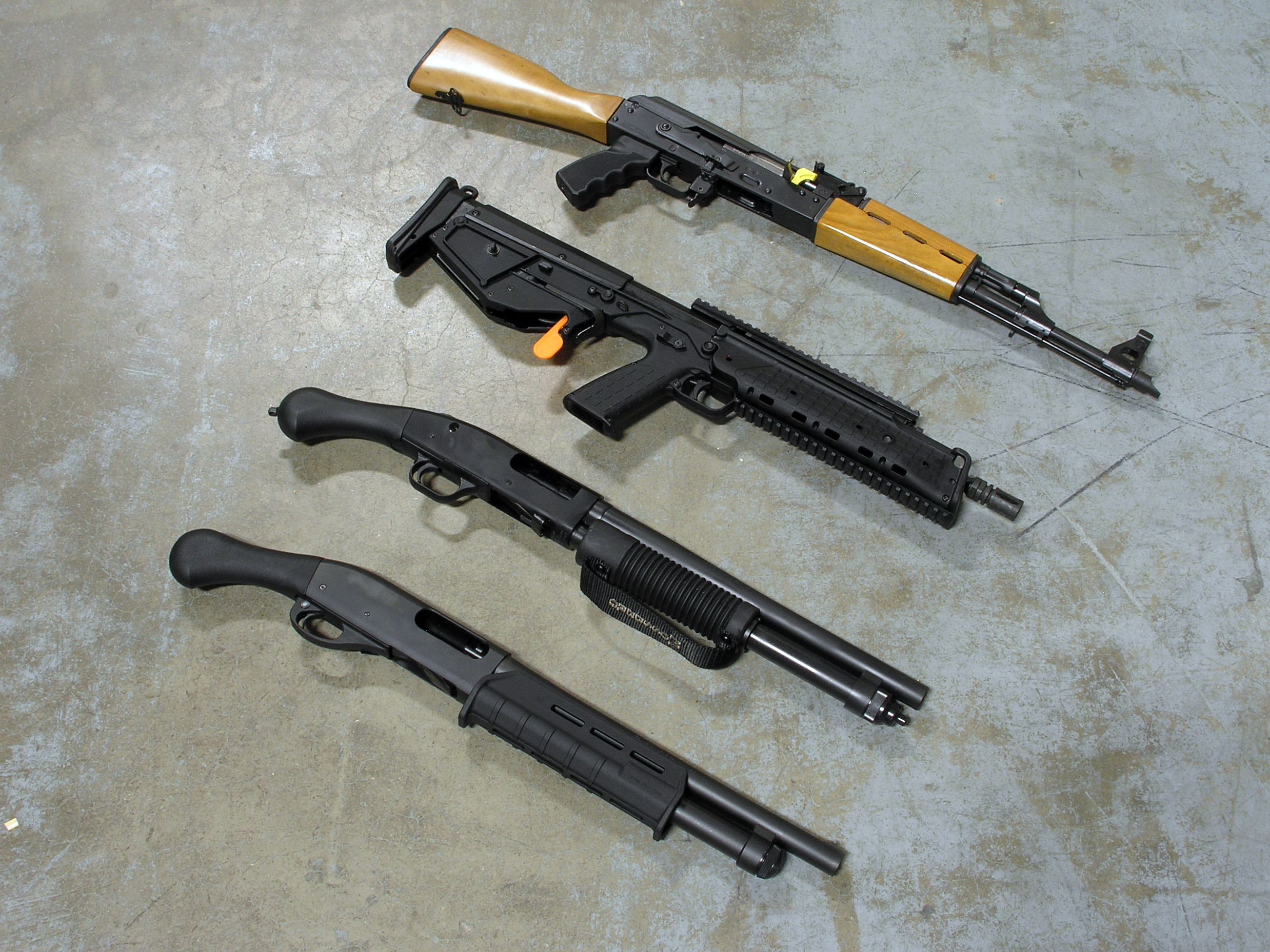
The Remington 870, introduced in 1950, became one of America’s best-known pump-action shotguns. Its simple operating system, broad range of chamberings and configurations, and long production history made it common in hunting, sporting, law enforcement, and home settings. More than 10 million have been produced, according to Remington, across gauges including 12, 16, 20, 28, and .410. More than seven decades after its introduction, the model remains a reference point when Americans discuss a general-purpose shotgun. That record helps explain its lasting familiarity.
7. Glock 17
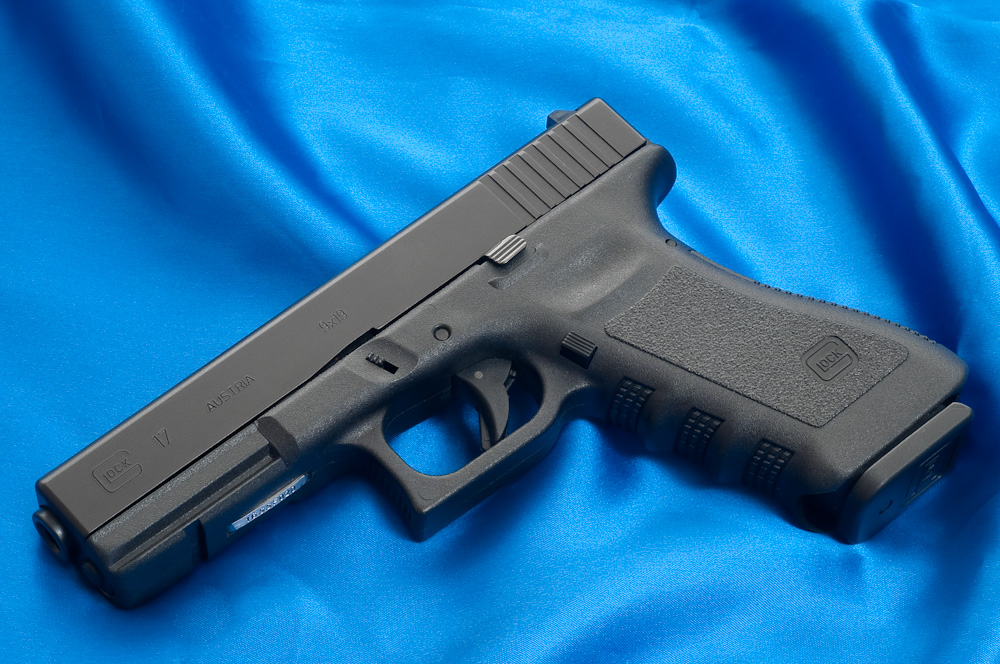
The Glock 17 entered production in Austria in 1982 and became a major influence on modern service-pistol design. Its polymer frame, 17-round standard magazine, and relatively simple operating system helped distinguish it from many traditional metal-frame pistols. Glock says the pistol was accepted by the Austrian Army in 1983, while its design later spread widely among military and law-enforcement users. In the United States, its visibility placed Glock within broader conversations about personal protection, training, responsibility, and firearm regulation.
8. M1 Garand
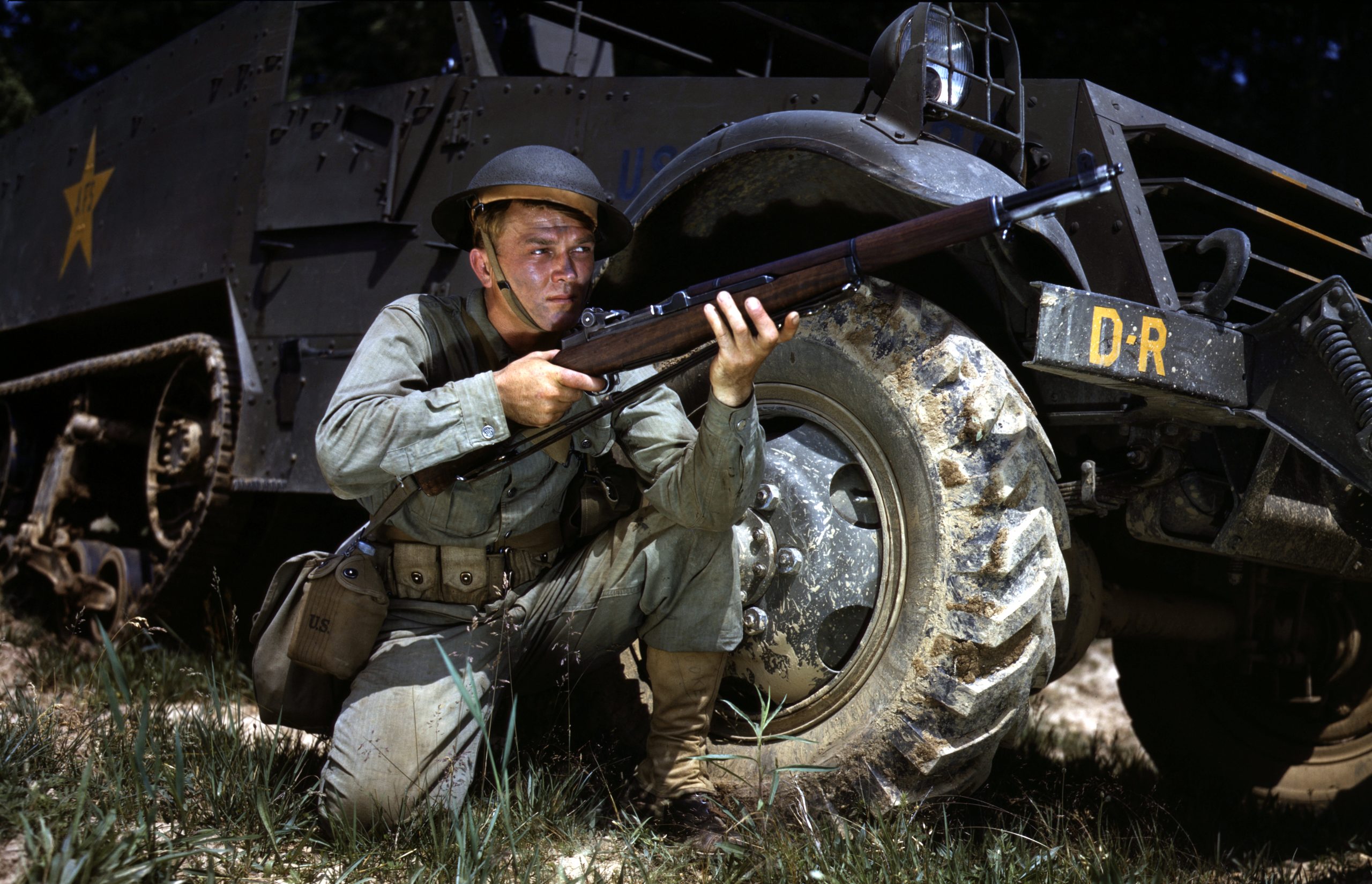
The M1 Garand occupies a different place in the self-reliance story because its strongest connection is historical. Adopted by the U.S. Army in 1936, it became the standard American infantry rifle during World War II and remained important into the Korean War era. Its eight-round en-bloc magazine and semiautomatic action represented a major step in infantry firepower for its time. Today, the Garand survives through museums, collectors, historical shooting programs, and civilian ownership, where it often represents craftsmanship, military heritage, and American industrial capacity.
9. Remington Model 700
The Remington Model 700, introduced in 1962, became a major American bolt-action rifle family and influenced generations of hunting and precision rifles. Remington lists it as a bolt-action centerfire design and records a remarkably broad range of chamberings, including .243 Winchester, .270 Winchester, .30-06 Springfield, and 7mm-08 Remington. Its importance to the self-reliance discussion comes from a different angle than the AR-15 or handgun: the bolt-action rifle is closely linked with hunting, fieldcraft, and deliberate marksmanship. For many Americans, those skills are part of learning to depend on personal preparation.