The first season with a young hunting dog can feel equal parts thrilling and humbling. New owners often picture clean retrieves and perfect steadiness, then discover that small training gaps show up fast in the field. These are the lessons many people only learn after a few chaotic hunts, muddy mornings, and one very confused dog.
Obedience matters more than excitement

A young hunting dog can have all the drive in the world and still be difficult to hunt if basic obedience is shaky. The first season often reveals that sit, here, heel, and place are not warm-up commands. They are the foundation that keeps a dog safe, focused, and workable when birds flush and adrenaline spikes.
Many first-time owners spend summer building enthusiasm, then realize in fall that enthusiasm without control quickly turns into chaos. A dog that breaks, ignores recall, or pulls through every setup is not being stubborn. More often, the dog is simply doing what training has truly prepared it to do.
The field exposes every inconsistency
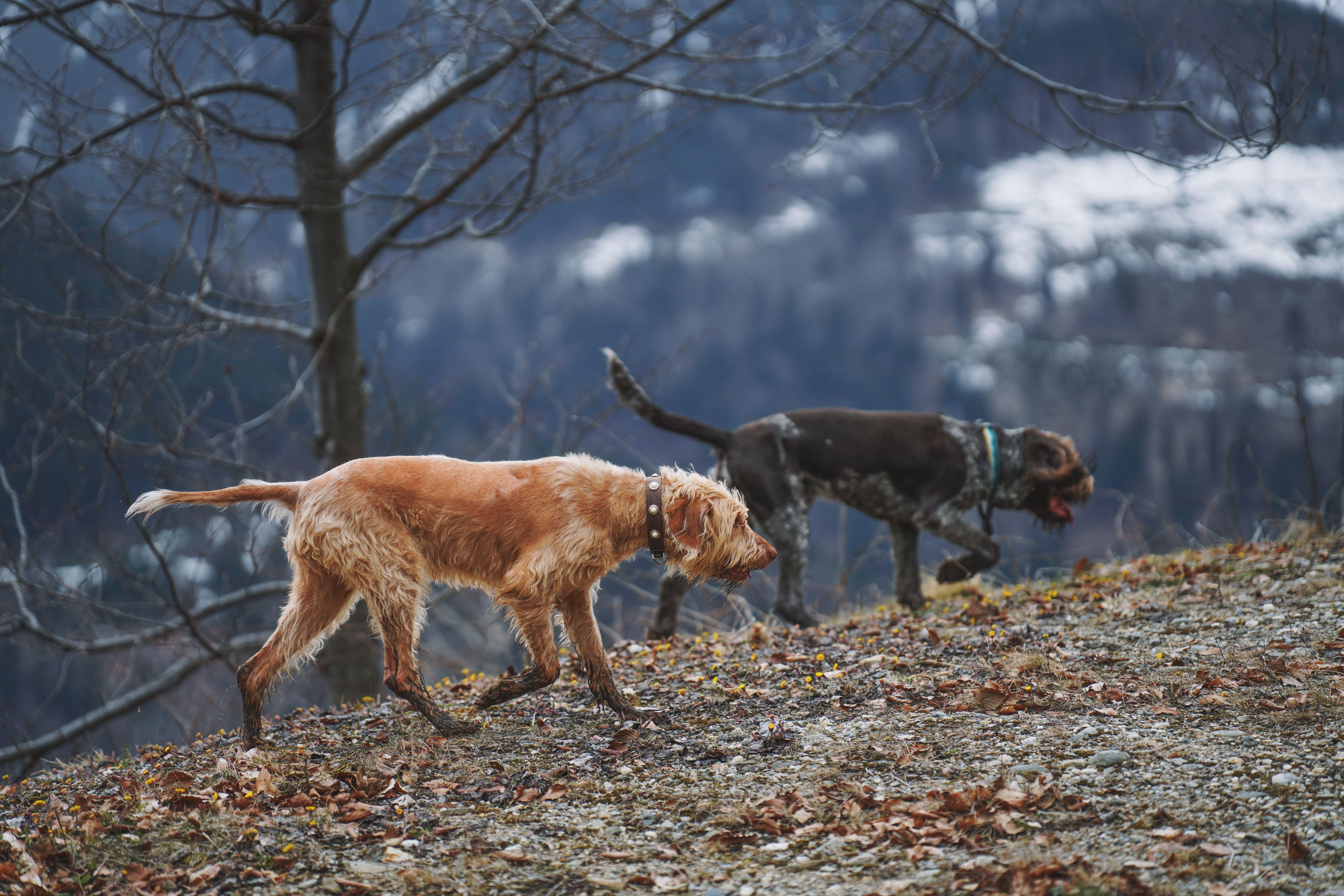
At home, a command may seem solid because the dog performs it in the yard, on the driveway, or near the kennel. Then opening weekend arrives, and the same dog acts like it has never heard a word. That is the moment many owners learn that training in one familiar place does not equal understanding everywhere.
Dogs do not generalize as neatly as people expect. Scent, wind, terrain, gunfire, birds, and other hunters all change the picture. If commands are practiced only in easy settings, the field will feel like a completely different world. Consistency across locations is what turns a lesson into a reliable habit.
Steadiness takes longer than people think

Few first-season surprises are more common than the dog that cannot stay put when birds rise or a shot goes off. New owners often assume natural instinct will guide a dog into polished behavior. In reality, steadiness is one of the slowest skills to build because it asks the dog to override its strongest impulses.
That is why a dog can look impressive during drills and still break hard in live hunting situations. The excitement is higher, the timing is different, and the reward feels immediate. Steadiness is less about a single correction and more about patient repetition until self-control becomes part of the routine.
Retrieving is not the same as delivering to hand
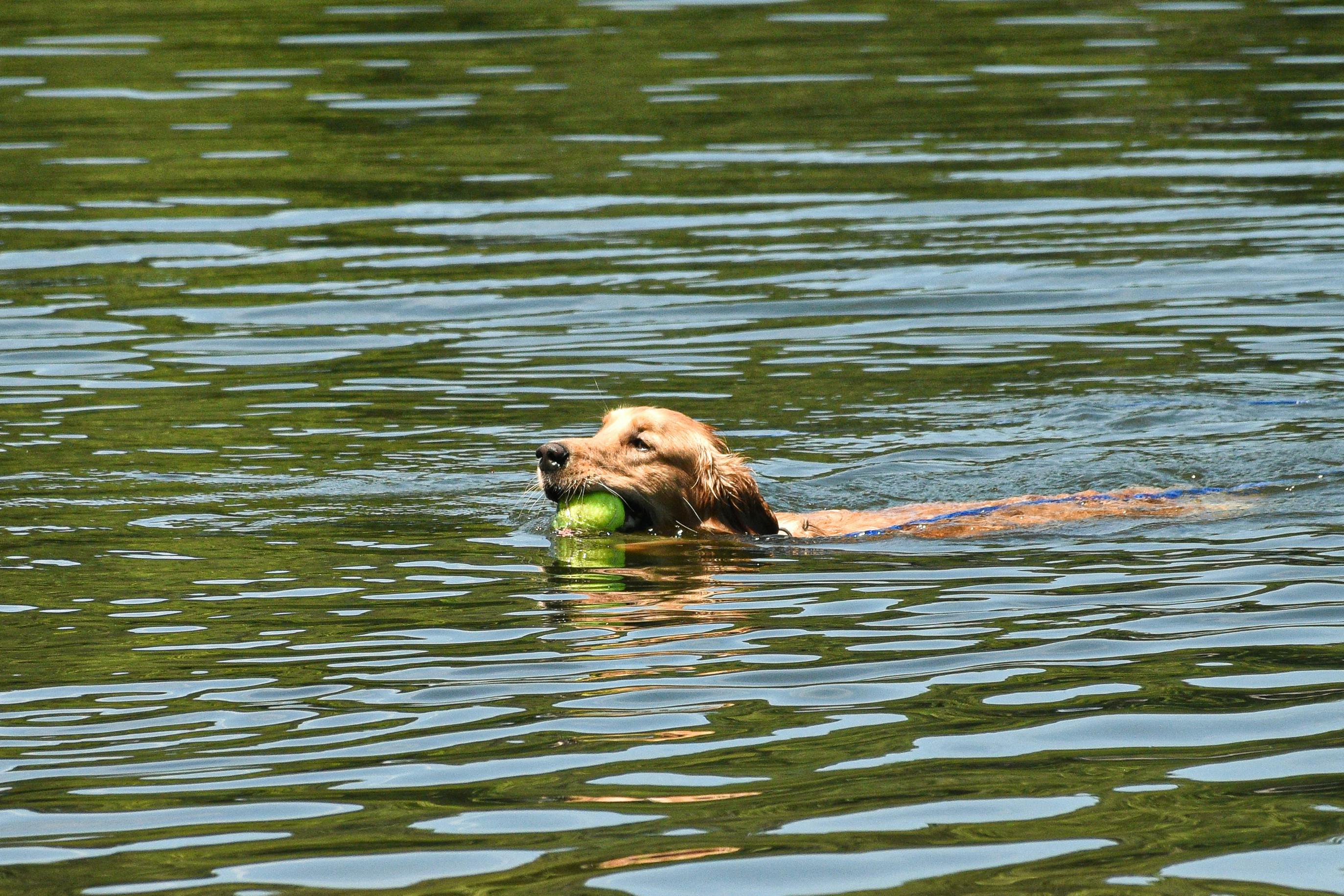
Many dogs love to chase and pick things up, which leads first-time owners to believe retrieving is basically handled. Then the dog drops birds short, parades around proudly, or plays keep-away in front of the blind. The lesson comes fast: wanting the object is not the same as completing the whole job cleanly.
A polished retrieve includes pickup, return, hold, and delivery to hand without extra drama. If any part is vague, the field will expose it. Owners often wish they had spent more time teaching calm possession and a reliable finish instead of assuming excitement over bumpers would carry the process.
Conditioning can make or break a hunt
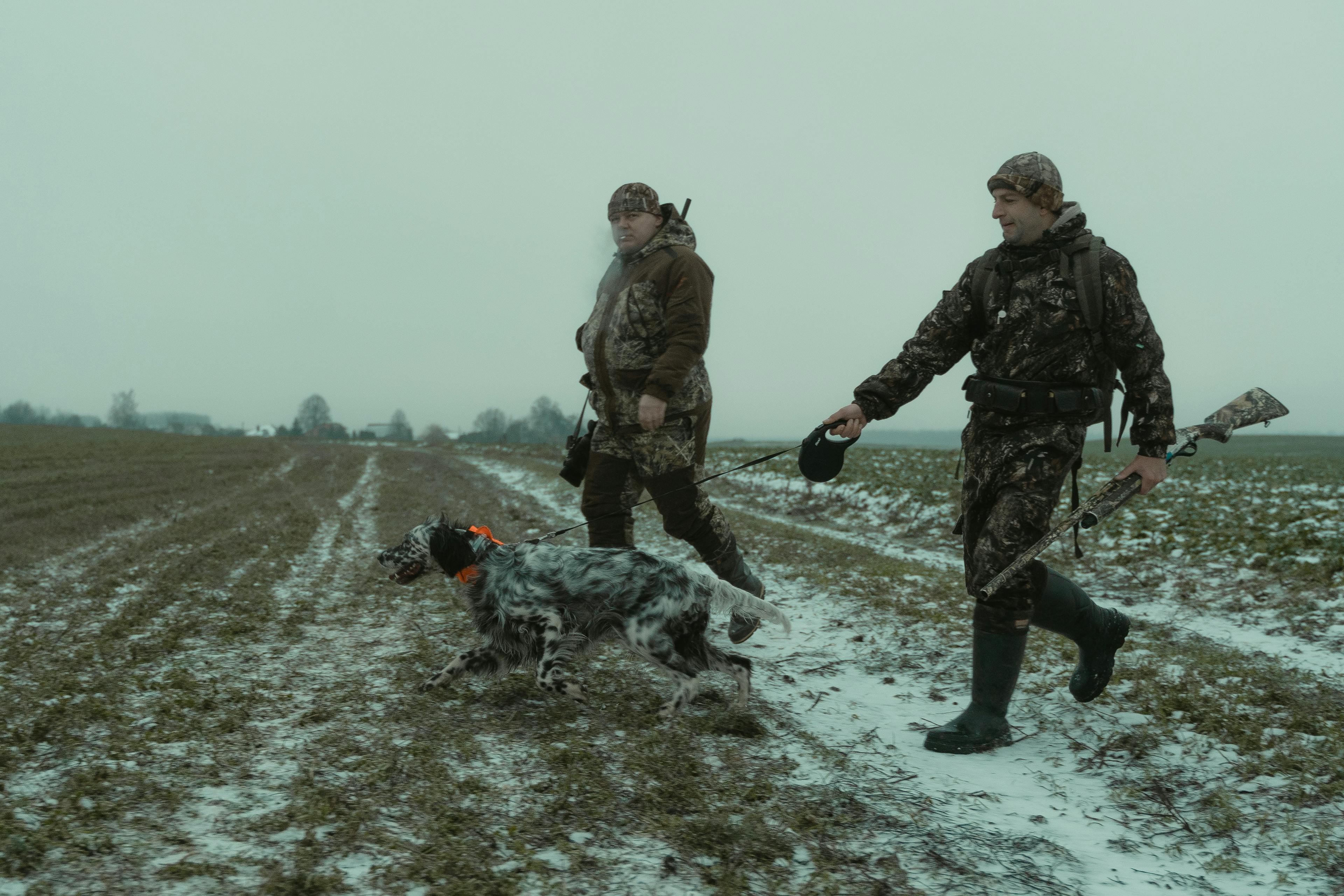
A talented dog that tires early will struggle to perform, no matter how sharp the training seems on paper. First-time owners often underestimate how physically demanding real hunting is, especially in cold water, thick cover, or all-day upland walks. Endurance, muscle, and recovery matter more than many people realize before the season starts.
The first rough outing often teaches this lesson the hard way. A tired dog loses focus, makes poor decisions, and can become more vulnerable to injury. Conditioning is not just about speed or intensity. It is about preparing the dog’s body to support the work its instincts are eager to do.
Bird exposure must be managed, not rushed
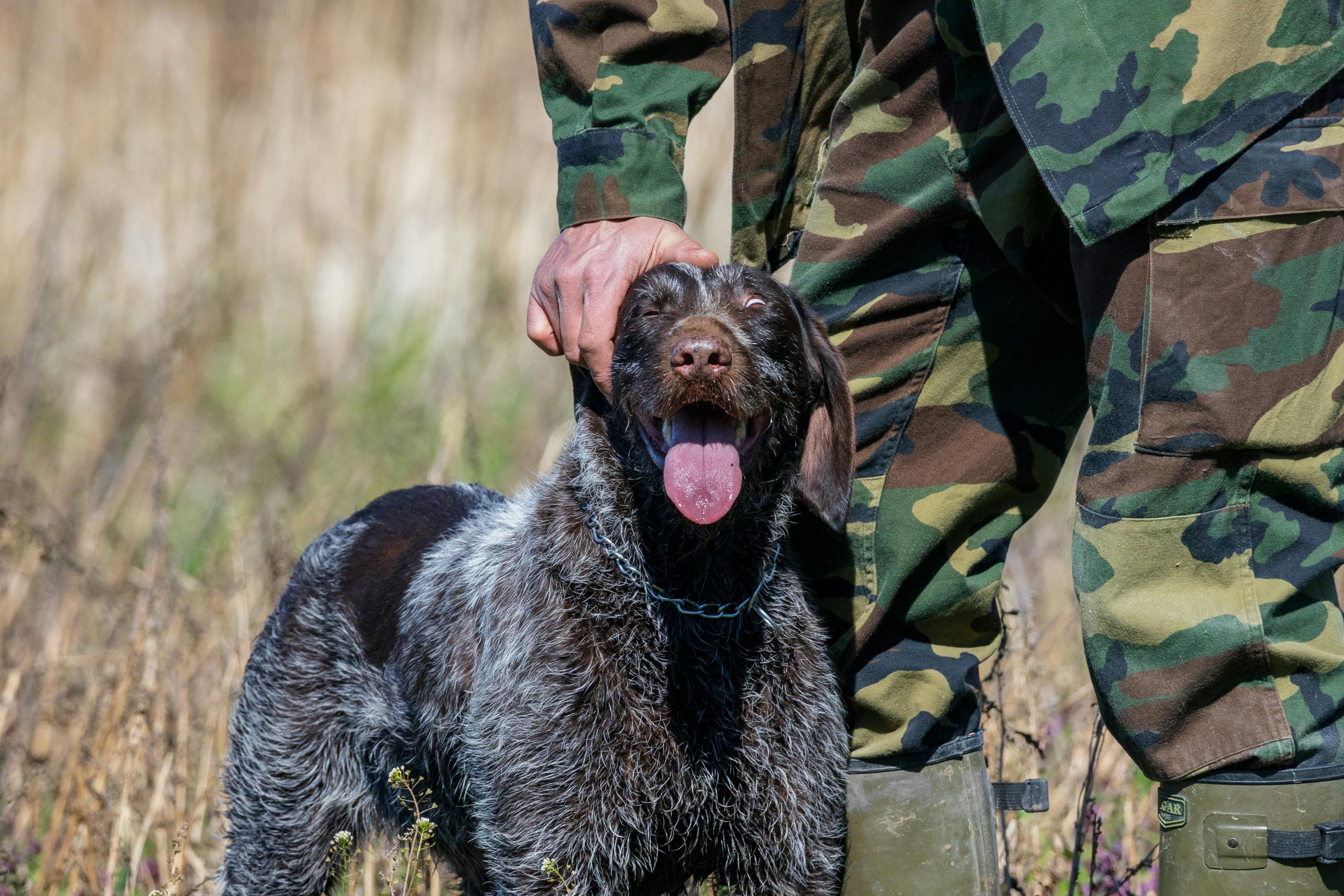
New owners are often so eager to spark prey drive that they overdo bird work too early or with too little structure. The result can be a dog that gets wildly excited but learns sloppy habits around scent, flushes, and retrieves. Birds are powerful teachers, but they can teach the wrong lesson just as quickly.
Good exposure builds confidence and clarity at the same time. Too much pressure can create hesitation, while too much freedom can create disorder. During a first season, many people realize they should have used bird contacts more intentionally, shaping calm responses rather than just chasing big reactions.
Gun introduction is easy to mishandle

A lot of first-season regret starts with a gun introduction that was too loud, too close, or paired with confusion. Owners can be surprised by how quickly a promising dog becomes uneasy if noise is introduced carelessly. Confidence around gunfire is not automatic, even in breeds built for hunting work.
The goal is to connect sound with something positive and exciting, usually at a distance and in the right sequence. If the dog is not fully engaged first, the shot can feel startling instead of meaningful. Once concern appears, rebuilding trust can take far more time than a patient introduction would have required.
Handling pressure requires timing and fairness
Corrections are part of dog training, but first-time owners often learn too late that pressure without clarity creates confusion more than improvement. A dog that does not fully understand a command cannot respond correctly just because the consequence became stronger. In the field, bad timing often looks like disobedience when it is really uncertainty.
Fair pressure comes after teaching, not in place of it. The dog needs to know exactly what behavior turns pressure off and earns success. During the first season, many owners discover that calm repetition and precise timing solve more problems than intensity ever will.
Manners in the blind are a trained skill

Some dogs behave beautifully in motion but fall apart when asked to sit quietly in close quarters. Whining, fidgeting, creeping, and crowding other hunters can turn a hunt into a long morning. New owners often assume the dog will settle naturally once it gets used to the setup, but that usually does not happen on its own.
Blind manners are their own category of training. The dog has to learn patience, spatial awareness, and calm attention while exciting things happen nearby. By the first season, many people wish they had spent more time rehearsing stillness, not just marks and retrieves.
Weather and terrain change behavior fast

A dog that looks polished on a mild training day can seem like a different animal in icy water, high wind, or chest-high cover. First-time owners often underestimate how much environment affects confidence, scenting, speed, and decision-making. The field does not simply test training. It changes the task itself.
That is why a dog may hesitate at a cold-water entry, overshoot a mark in heavy wind, or lose momentum in dense brush. These are not always signs of poor attitude. Often they reflect a lack of exposure to realistic conditions. Variety in training helps dogs stay adaptable when nature gets difficult.
Your emotions travel straight down the leash
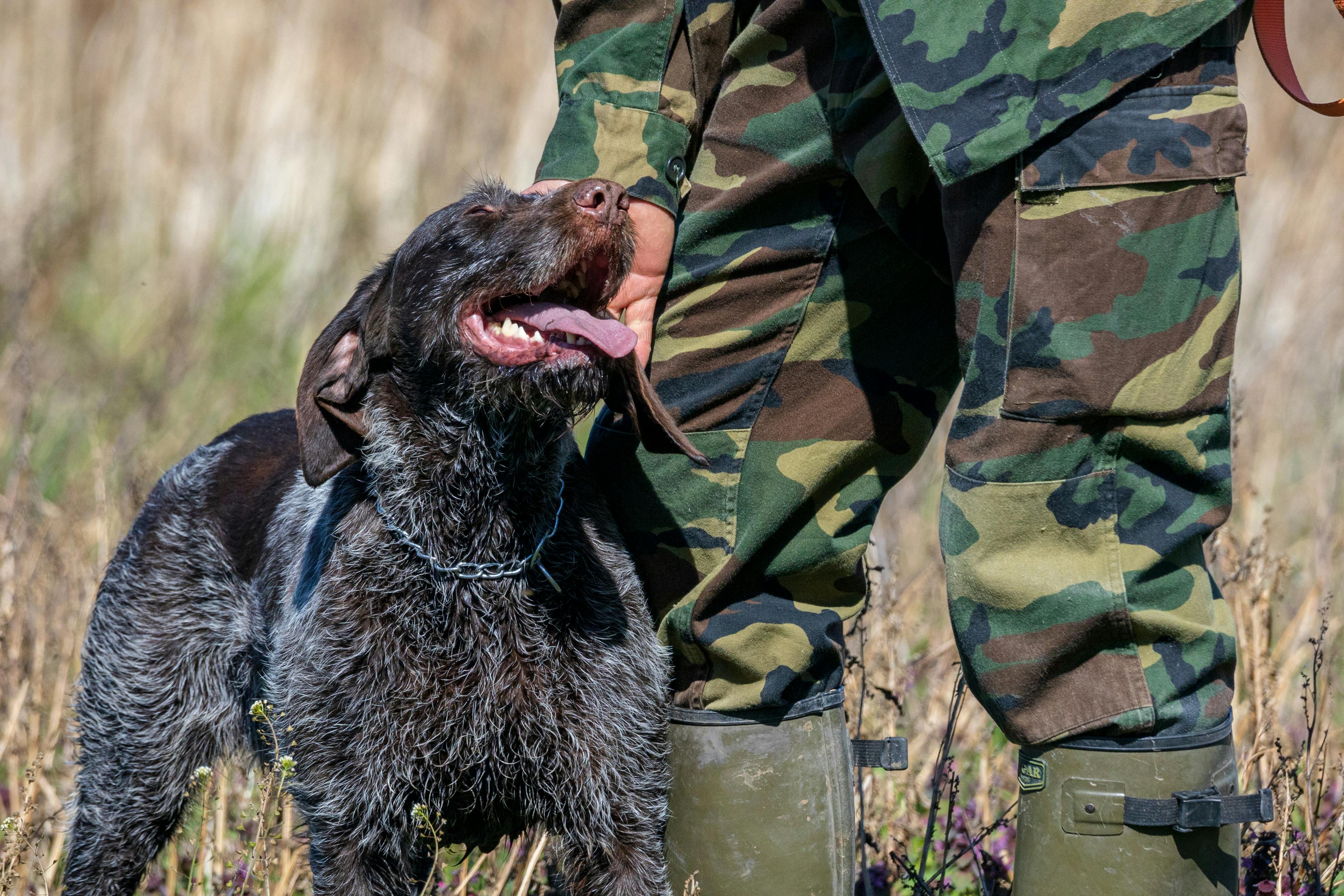
Few lessons are more humbling than realizing the dog is reacting to your tension as much as to the birds. First-time owners often enter hunts with high expectations, then tighten up after a mistake. Dogs notice that change immediately, and many become more frantic, sticky, or distracted when the handler’s mood shifts.
A calm handler gives the dog a clearer picture of the job. That does not mean being passive or permissive. It means staying deliberate instead of emotional when things go sideways. In the first season, many people learn that training the dog is inseparable from managing themselves.