Cowboy Action Shooting is a competitive sport that brings the firearms, clothing, and atmosphere of the American Old West to a modern shooting range. Competitors typically dress in period-inspired outfits and complete timed stages using a combination of revolvers, rifles, and shotguns. Success depends on more than speed, because accuracy, safe gun handling, and familiarity with each firearm all matter. Most traditional competitors need a specific combination of guns to participate in the sport’s main categories. Understanding the role of each firearm, its ammunition, and the competition rules helps newcomers appreciate what makes this unusual shooting discipline so demanding.
1. Colt Single Action Army Revolver
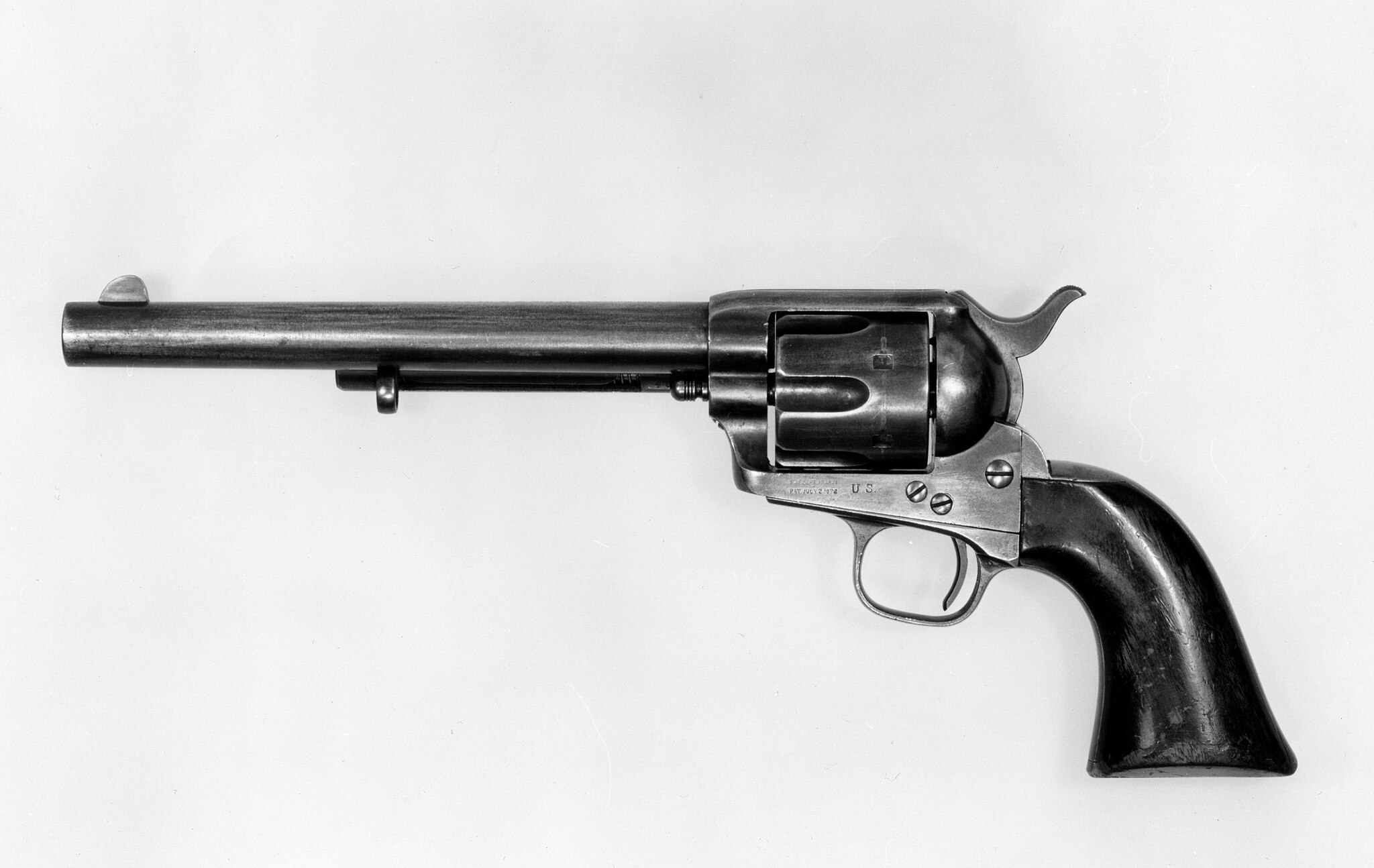
The Colt Single Action Army, introduced in 1873, is one of the defining revolvers of the Old West and remains a familiar choice in Cowboy Action Shooting. Its traditional single-action mechanism requires the hammer to be cocked before each shot, giving competitors a deliberate rhythm to master. Shooters commonly use a matched pair because many stages call for two revolvers. Original examples can be costly, so modern replicas are often more practical for regular competition. Check the current rulebook for permitted calibers and modifications before buying.
2. Ruger Vaquero Revolver
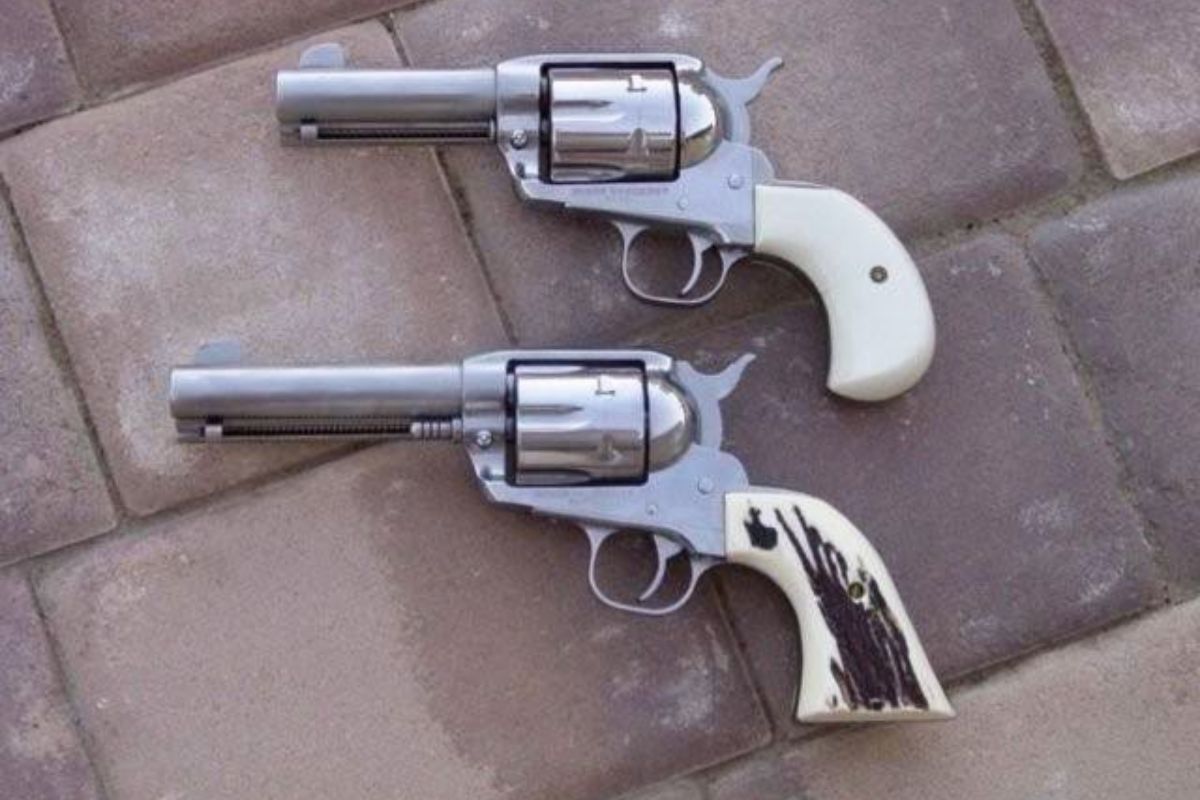
The Ruger Vaquero offers a modern take on the classic single-action revolver, with a sturdy frame and handling inspired by nineteenth-century designs. It is often considered by competitors who expect to practice frequently and want a firearm built for repeated use. Cowboy Action stages commonly require two revolvers, so matching examples can make grip, sight picture, and trigger feel more consistent. Different generations and configurations exist, however, and not every version is legal in every category. Confirm the event’s rules and approved modifications before choosing one.
3. Uberti Cattleman Revolver
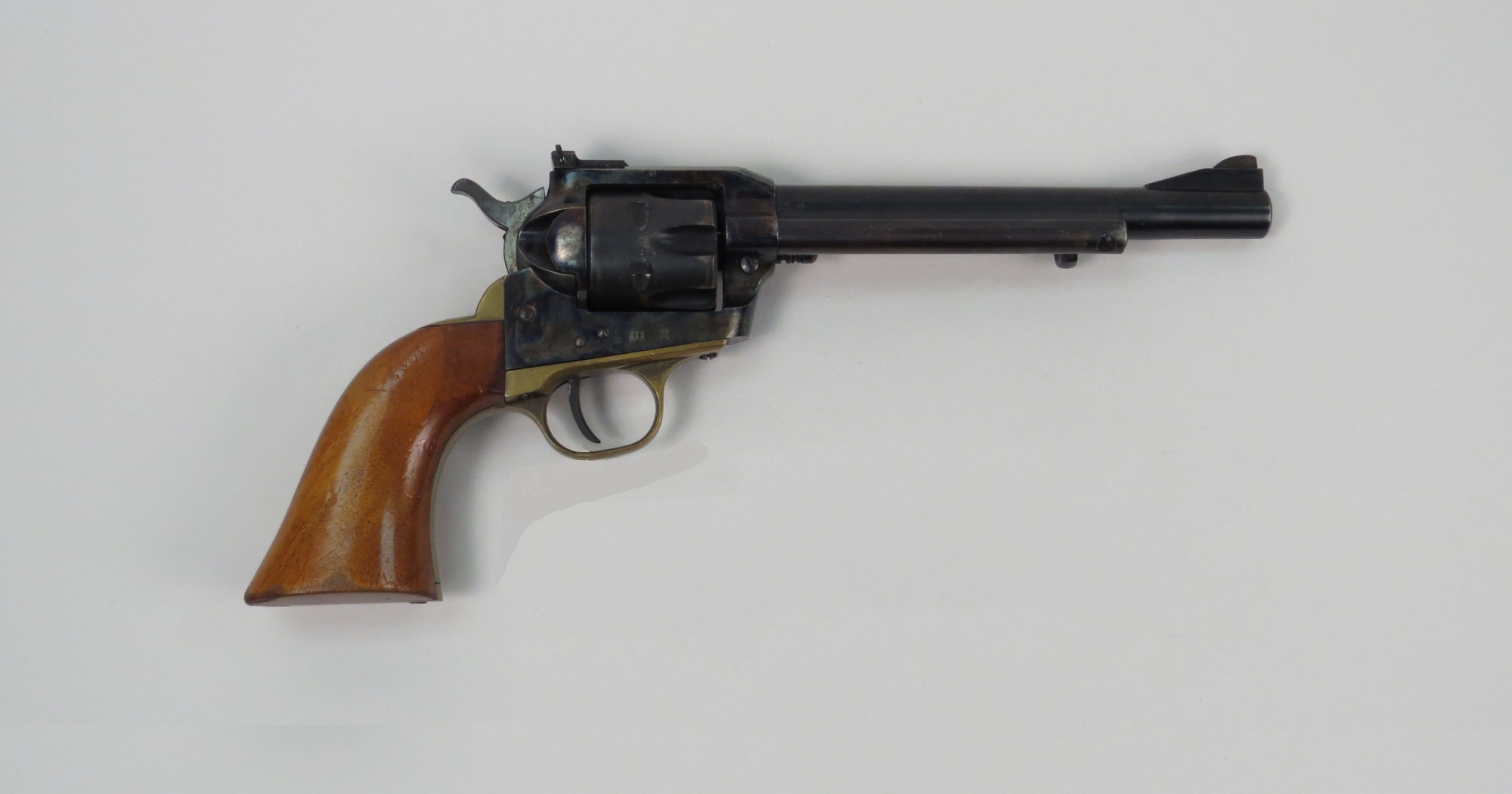
The Uberti Cattleman is a reproduction-style single-action revolver inspired by familiar frontier-era handguns. Its traditional appearance appeals to shooters who want period style without searching for an expensive antique. Competitors often choose 2 similar revolvers to keep handling consistent between stages. Available chamberings and finishes vary, so check the exact specifications rather than relying on the product name alone. A qualified instructor can help newcomers learn safe loading, unloading, and range procedures before their first match.
4. Colt 1873-Style Lever-Action Rifle
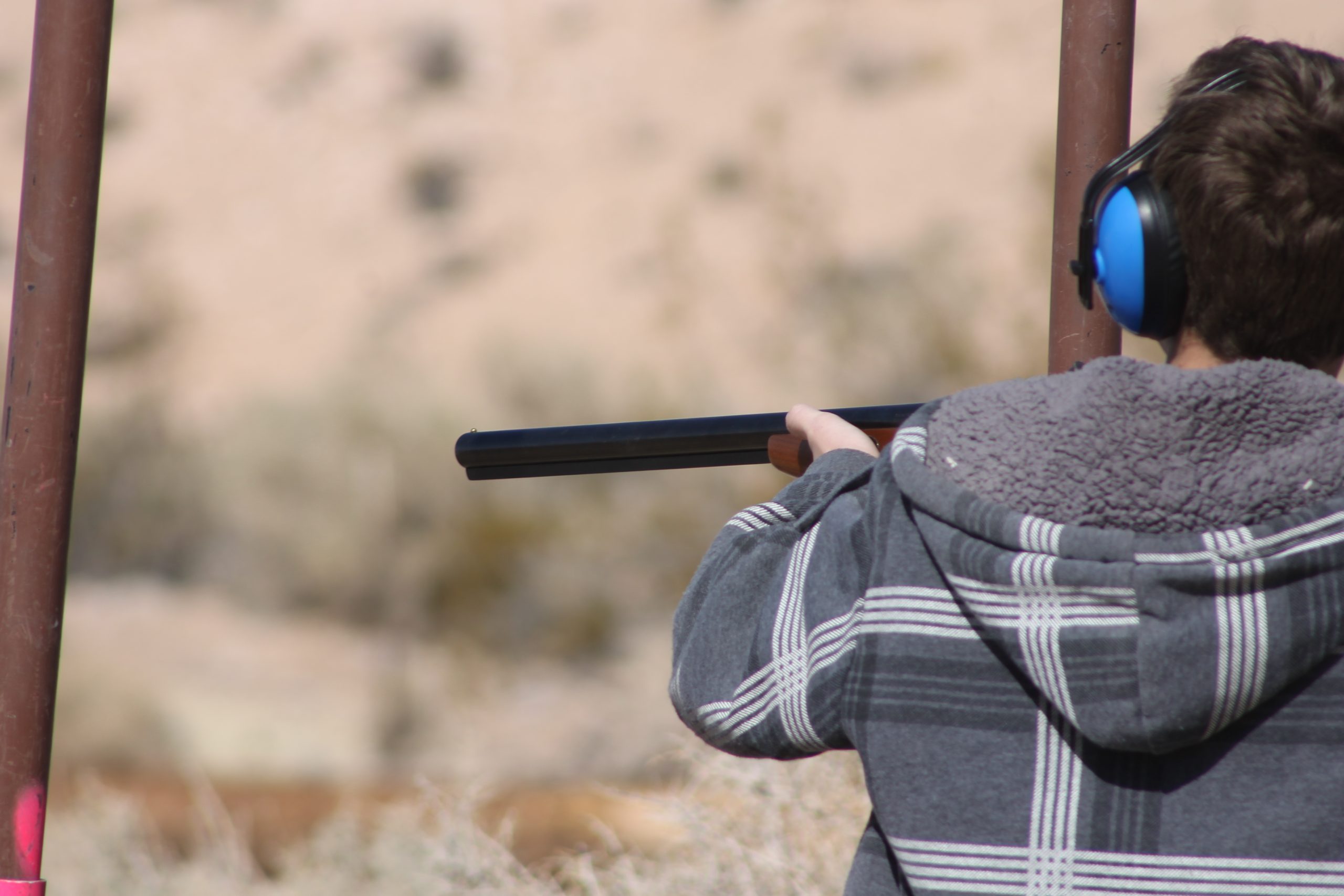
A rifle is central to most traditional Cowboy Action stages, and the 1873-pattern lever-action is a familiar choice. Its lever cycles the action between shots, so smooth operation and reliable function matter during timed runs. Competitors may select a caliber compatible with their revolvers where rules and ammunition allow, simplifying practice and supply. Modern reproductions are common because original rifles can be valuable collectibles. Have any rifle checked for safe condition, and verify its caliber and configuration against the rules for your category.
5. Winchester 1866-Style Rifle
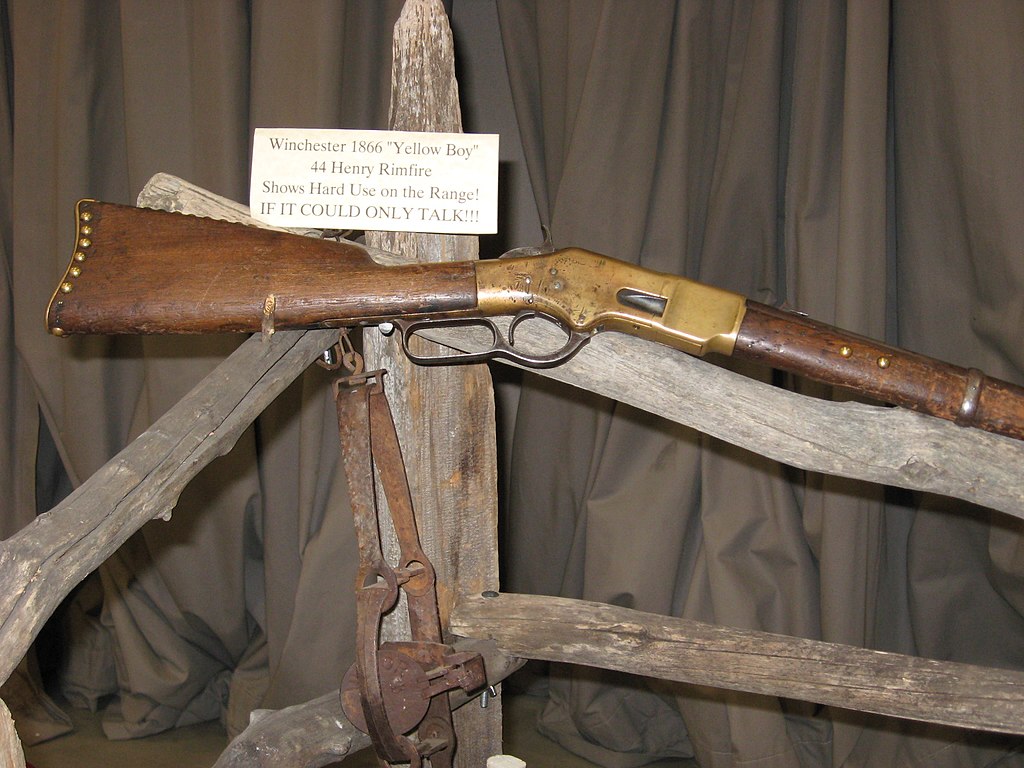
The 1866-pattern lever-action rifle, often recognized by its brass-colored receiver, brings an unmistakable early-Western look to the firing line. Its historical design and lever operation appeal to competitors who value period style as well as performance. Like other competition rifles, it must feed ammunition reliably and meet the match’s equipment rules. Reproductions can differ in caliber, sights, and internal details, so the model name alone does not establish eligibility. Ask the match director which configurations are accepted before investing in one.
6. Marlin 1894 Lever-Action Rifle
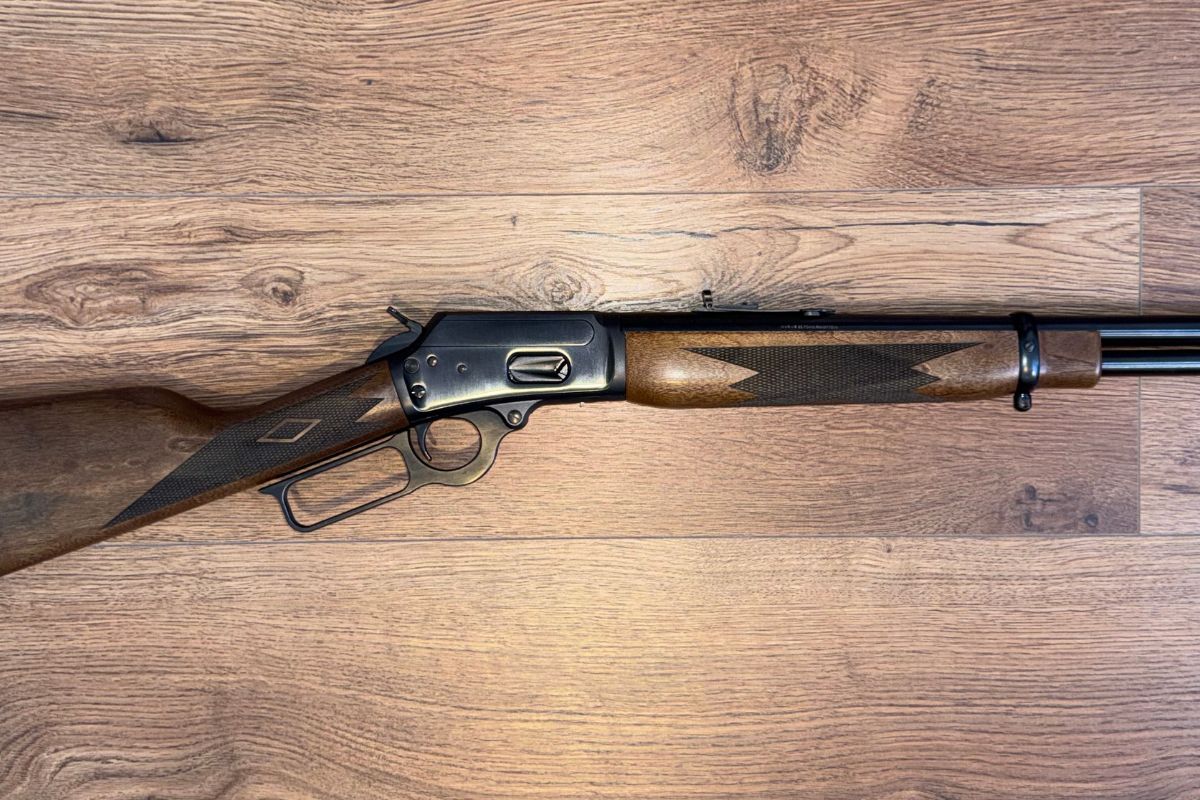
The Marlin 1894 is a lever-action design seen in Cowboy Action circles, particularly in suitable pistol calibers. Its side-ejecting action and receiver layout differ from Winchester-pattern rifles, giving it a distinct feel. Whether a specific version is allowed depends on the category and current rulebook, so do not assume every modern configuration qualifies. Reliability, safe handling, and comfortable fit matter more than appearance alone. Before purchasing, confirm the rifle’s chambering and configuration with the club where you plan to compete.
7. Side-by-Side Coach Gun
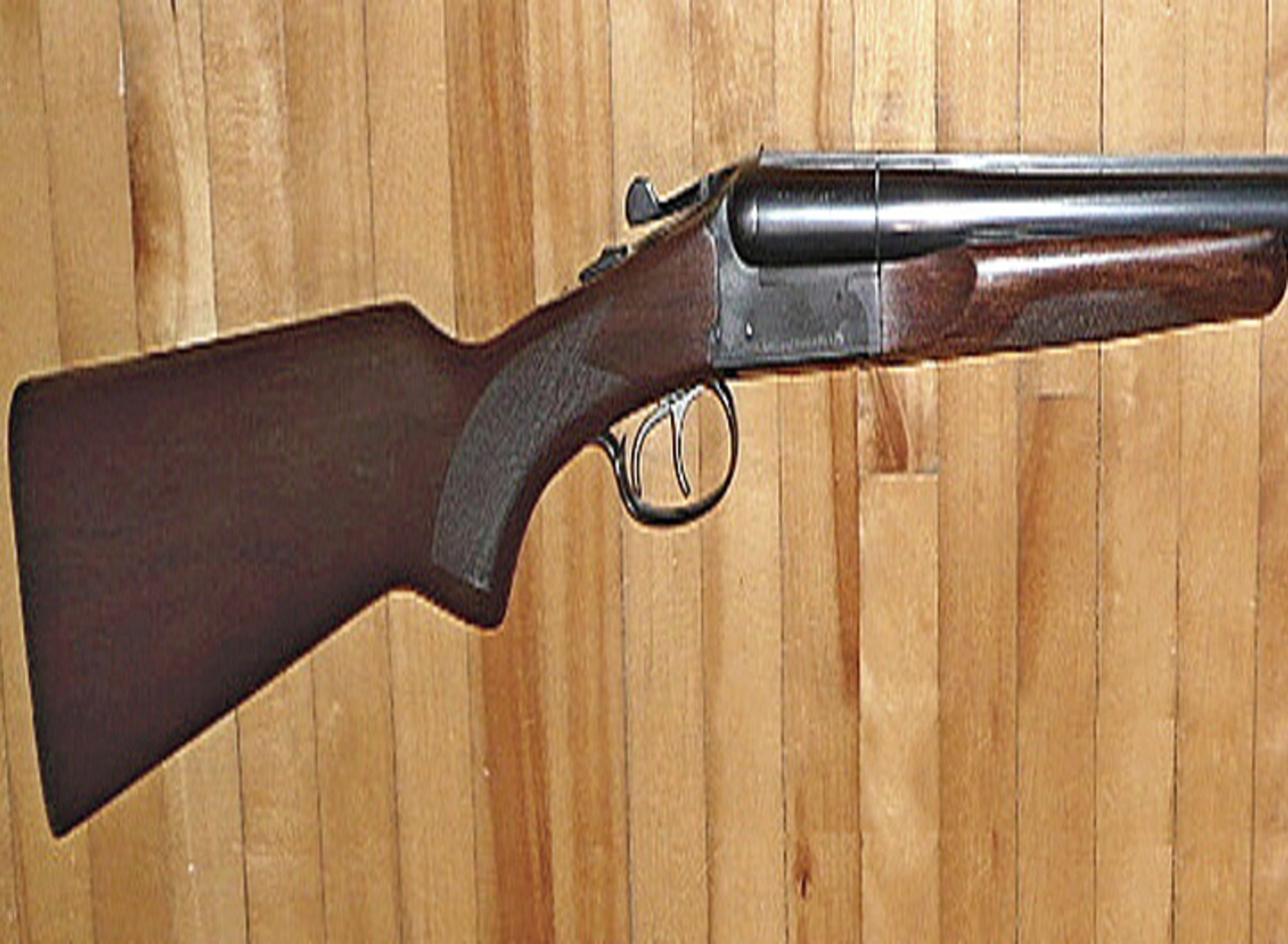
A side-by-side shotgun is a traditional option for the shotgun stages found in many Cowboy Action matches. Its two barrels sit next to each other, and common competition versions use external or internal hammers depending on the design. The break-action layout makes the open, unloaded condition easy for range staff to verify, but competitors must still follow every loading and movement command. Barrel length, chamber dimensions, and permitted modifications can affect eligibility. Check the rulebook and have an older shotgun inspected by a gunsmith before competition.
8. Winchester Model 1897 Shotgun
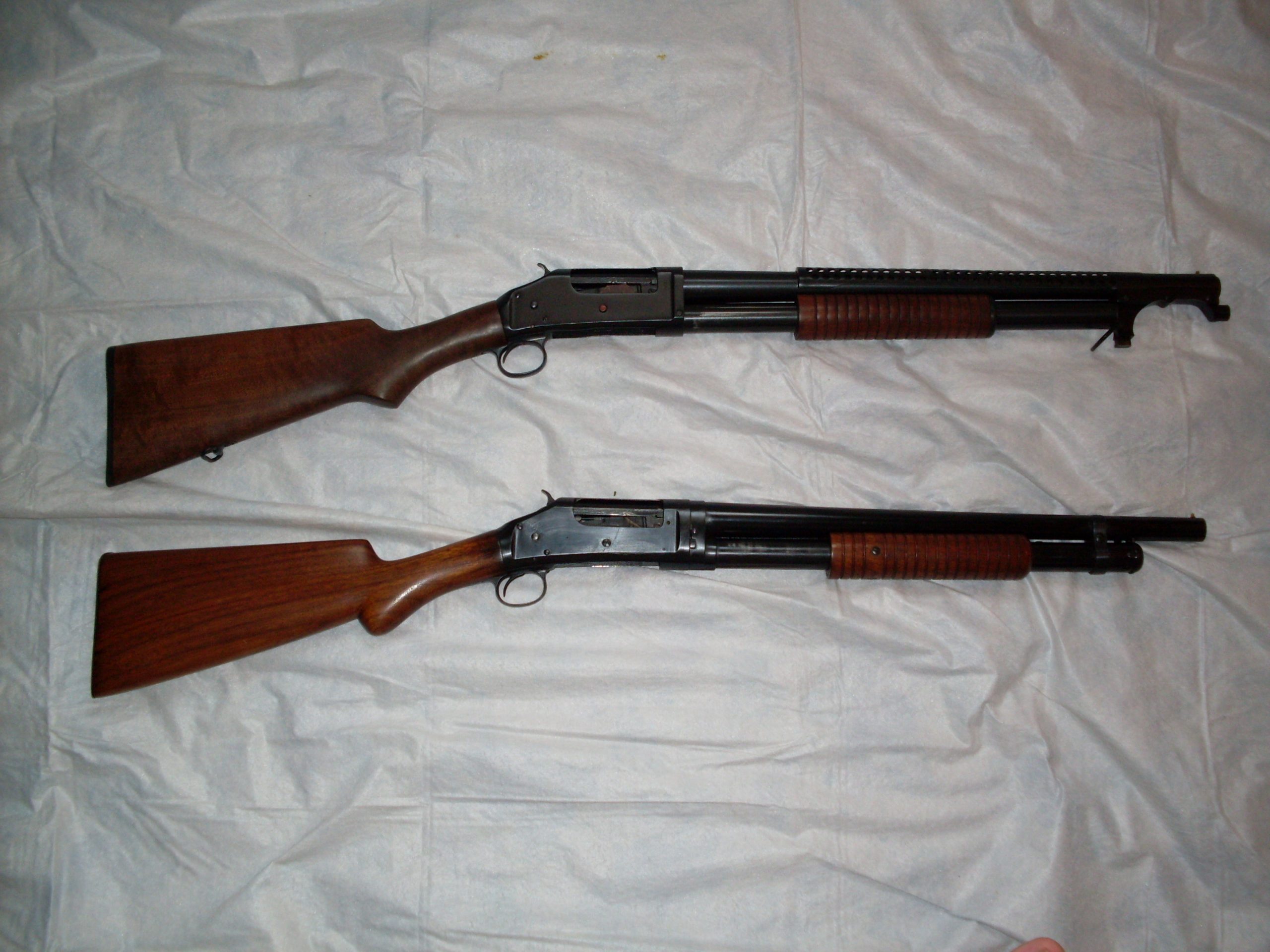
The Winchester Model 1897 is a pump-action shotgun with deep roots in American sporting and military history, and approved versions are used in some Cowboy Action categories. Its operating method differs from a break-action coach gun, requiring the shooter to cycle the action between shots while maintaining safe muzzle direction. Age and condition matter because many examples have seen extensive use, and not every variant or modification is eligible. Check the current rules before buying one, and arrange a competent safety inspection rather than assuming a historical firearm is match-ready.