The Arsenal SAM7 occupies an unusual place in the AK world. It looks familiar at first glance, yet its Bulgarian manufacturing heritage, forged-and-milled receiver, and carefully produced components place it above many ordinary AK-pattern rifles. For enthusiasts, the attraction is not simply the name or country of origin. It is the combination of traditional Kalashnikov architecture with a manufacturing process that demands considerably more time, machinery, and precision than inexpensive stamped-receiver builds.
1. Its Bulgarian Roots Go Back More Than 140 Years
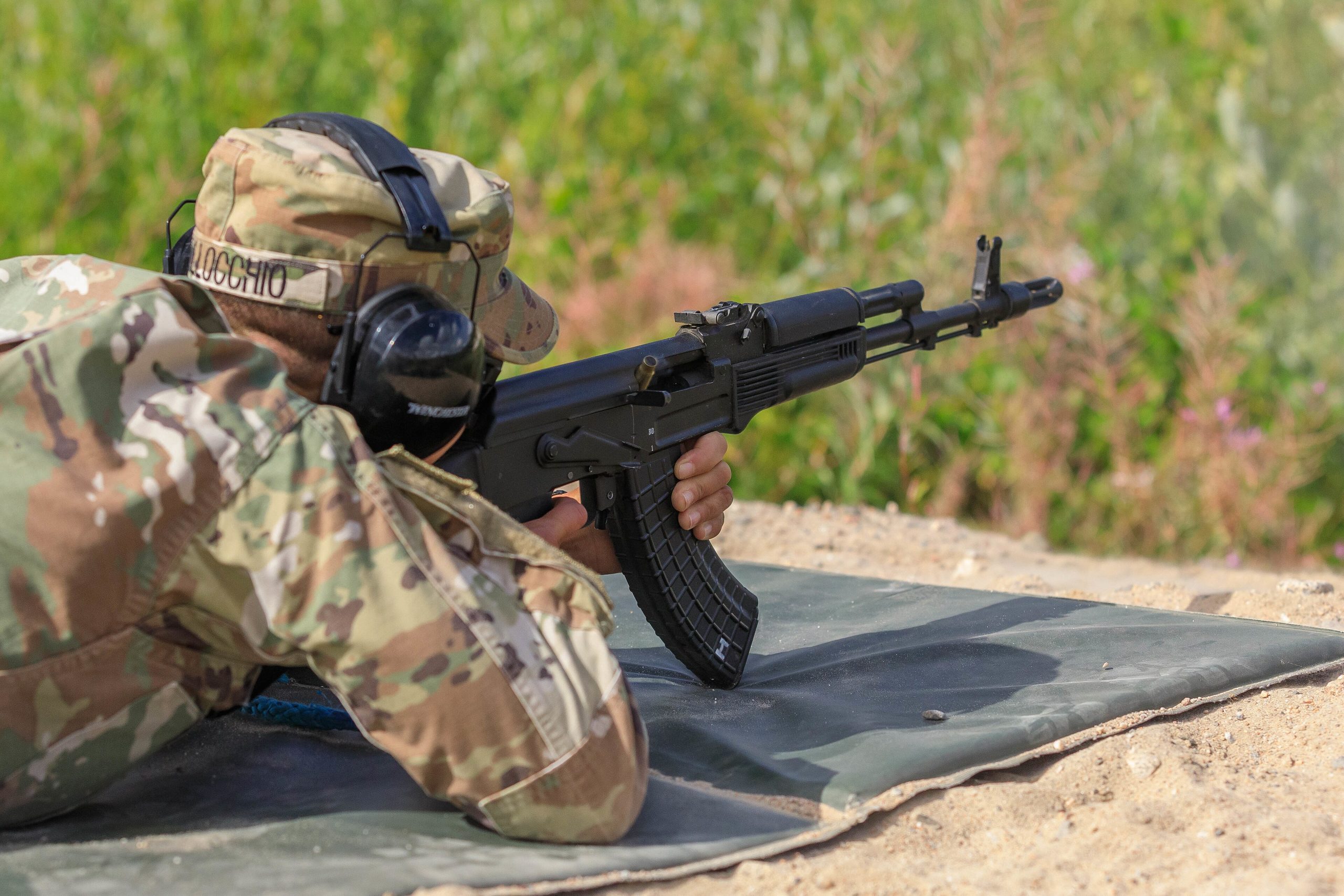
The SAM7’s identity begins with its Bulgarian origin, not merely an AK-style appearance. Arsenal’s Kazanlak operation has roots stretching back to 1878, while its Kalashnikov production history dates to 1958. The SAM7 family carried that industrial heritage into the American market as a premium semi-automatic line. Rather than relying on mixed surplus parts, modern SAM7 rifles have been built around new-production components, giving buyers a more consistent manufacturing story than many parts-kit builds. That consistency is a major reason the name became respected among AK collectors.
2. The Receiver Takes Hours, Not Minutes
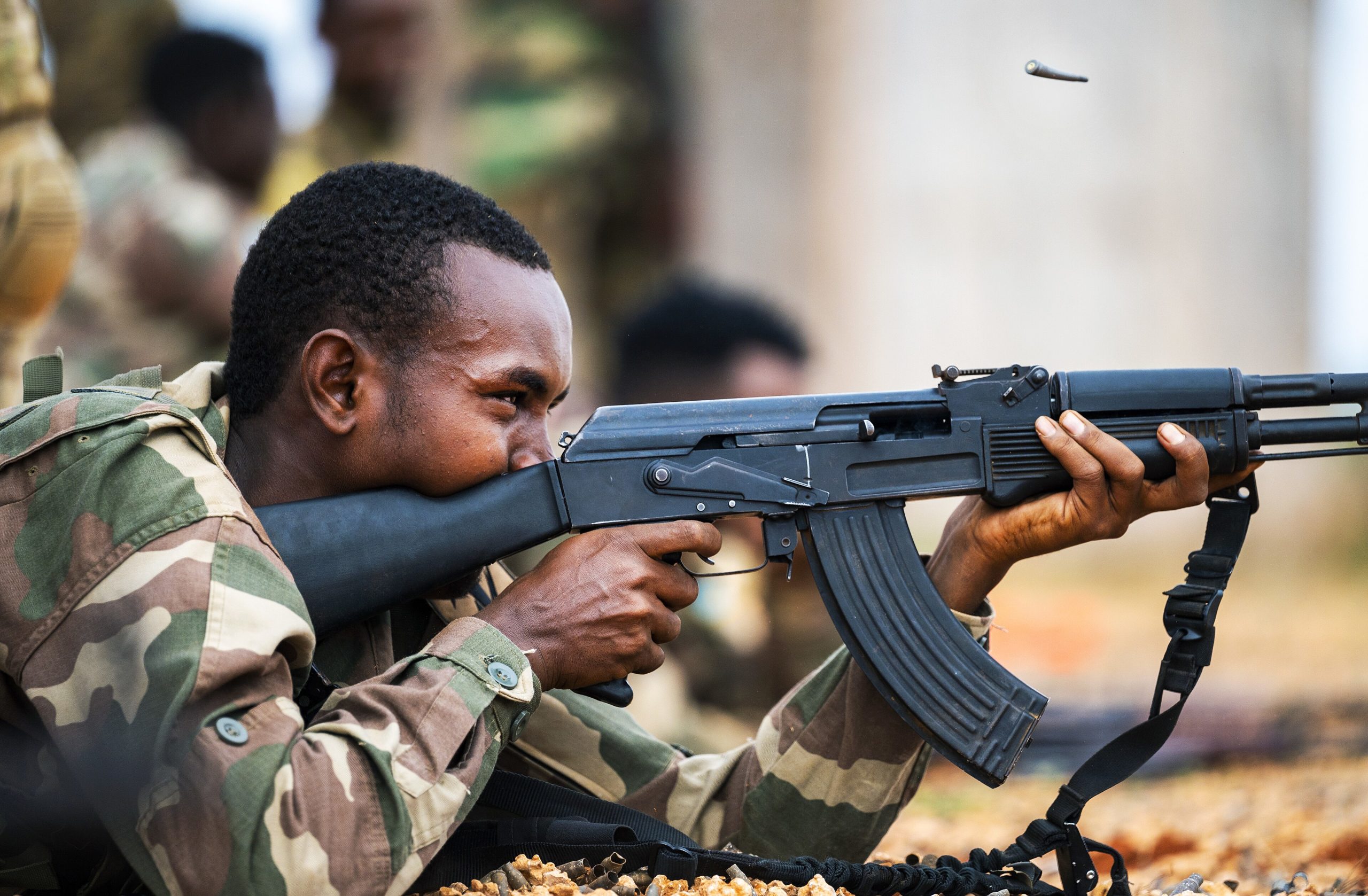
One of the SAM7’s biggest talking points is its receiver. Instead of starting with ordinary sheet steel, Arsenal uses a hot-die hammer-forged steel blank and then machines it into the finished milled receiver. Published evaluations describe a roughly 5-ton forging process followed by about 5 to 5.5 hours of milling. The result is a dense, carefully machined component with a distinctive milled profile. It is expensive and time-consuming to make, but that manufacturing choice is central to the SAM7’s reputation and explains much of its premium positioning.
3. The Classic 7.62×39 Chambering Remains Central
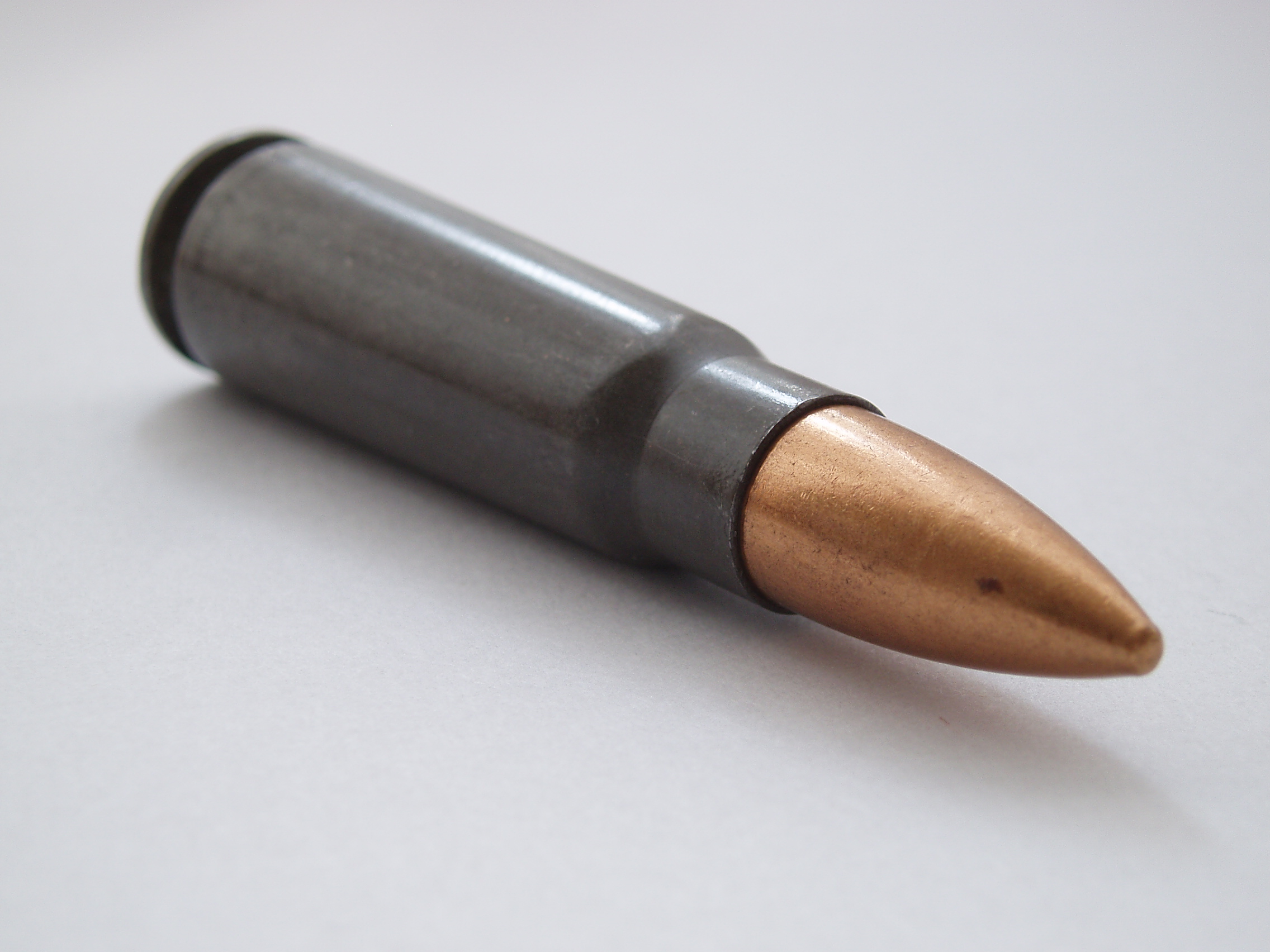
The SAM7R is chambered for 7.62×39 mm, the cartridge associated with the classic Kalashnikov family. A representative SAM7R configuration uses a barrel around 16.3 inches long, with cold-hammer-forged construction and a hard-chromed bore. That combination reflects Arsenal’s emphasis on durability rather than simply reproducing an old pattern. The 7.62×39 chambering remains the defining mechanical link between the SAM7 and the original AK lineage. The documented twist is about 1:9.4.
4. The Operating System Stays Faithful to the AK
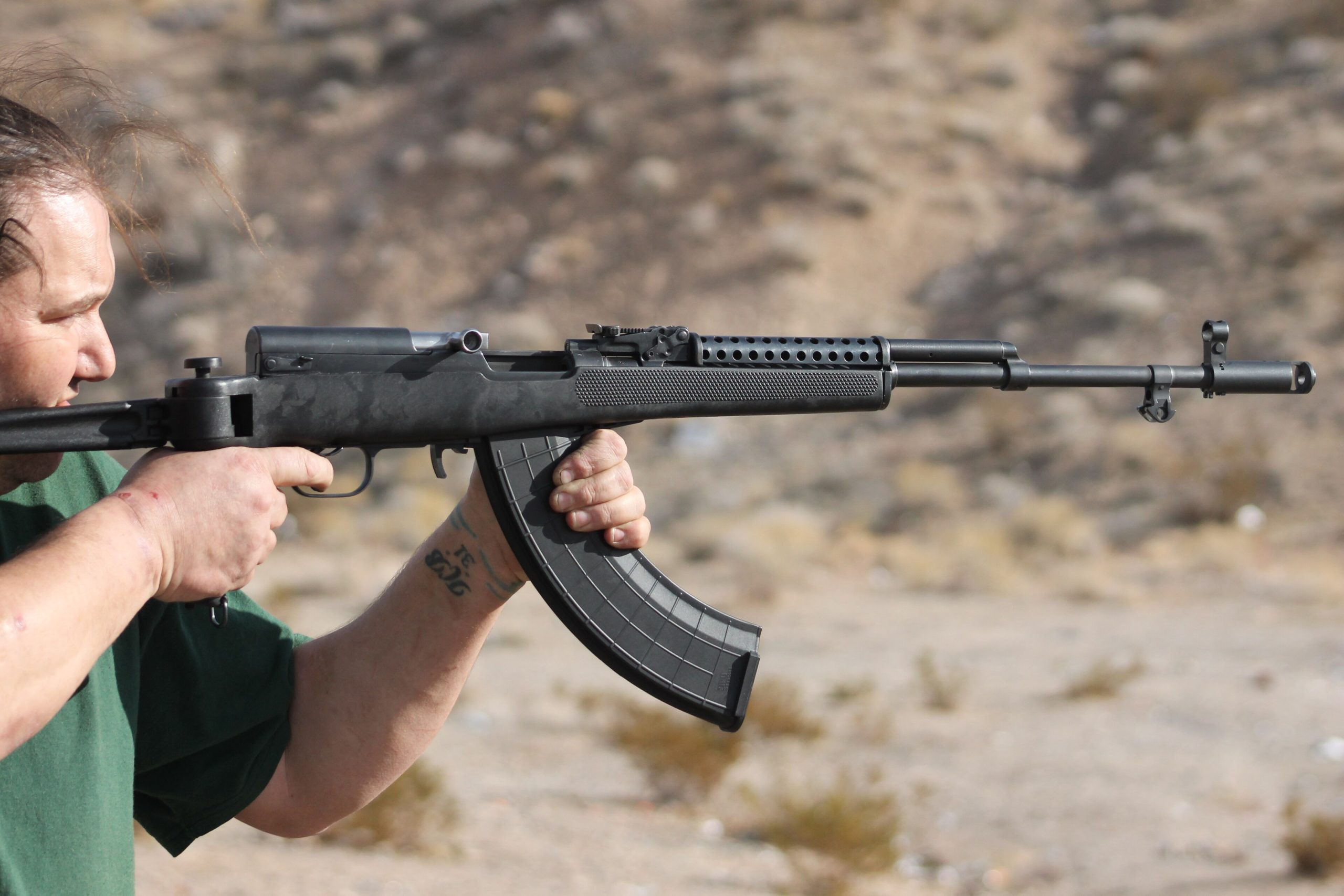
Its operating system stays deliberately familiar: the SAM7 uses the Kalashnikov-style long-stroke gas piston and a rotating bolt. There is no attempt to turn the rifle into a radically different platform. That simplicity is part of its appeal, especially for enthusiasts who value the traditional AK layout but want higher-end manufacturing. The basic control arrangement, receiver cover, bolt carrier, and right-side charging handle retain the recognizable pattern. That familiar layout is intentional.
5. “Bulgarian” Does Not Mean Every Arsenal Model Is Identical
Arsenal’s Bulgarian connection is more substantial than a marketing label. The company’s military-industrial history includes decades of small-arms production, and its Bulgarian facilities have produced Kalashnikov-pattern rifles for domestic and export markets. Earlier SA M-7 variants and Bulgarian-produced SAM7 rifles can involve different production arrangements, which create confusion among collectors. Buyers should identify the exact model and receiver markings rather than assume every Arsenal rifle shares one production route. The distinction matters to collectors.
6. The SAM7SF Adds a Folding-Stock Option
The SAM7 platform has appeared in several configurations, and the SAM7SF is among the most recognizable. Its side-folding stock gives the rifle a compact folded profile while preserving the full-length rifle format when extended. One documented SAM7SF measured about 38.2 inches with the stock extended and 28.5 inches folded. Other SAM7 variants use fixed or adjustable stocks, so the dimensions are not universal. This variety helped Arsenal serve collectors who wanted traditional styling as well as buyers seeking a more modern, compact configuration.
7. Precision Machining Is Part of the Appeal
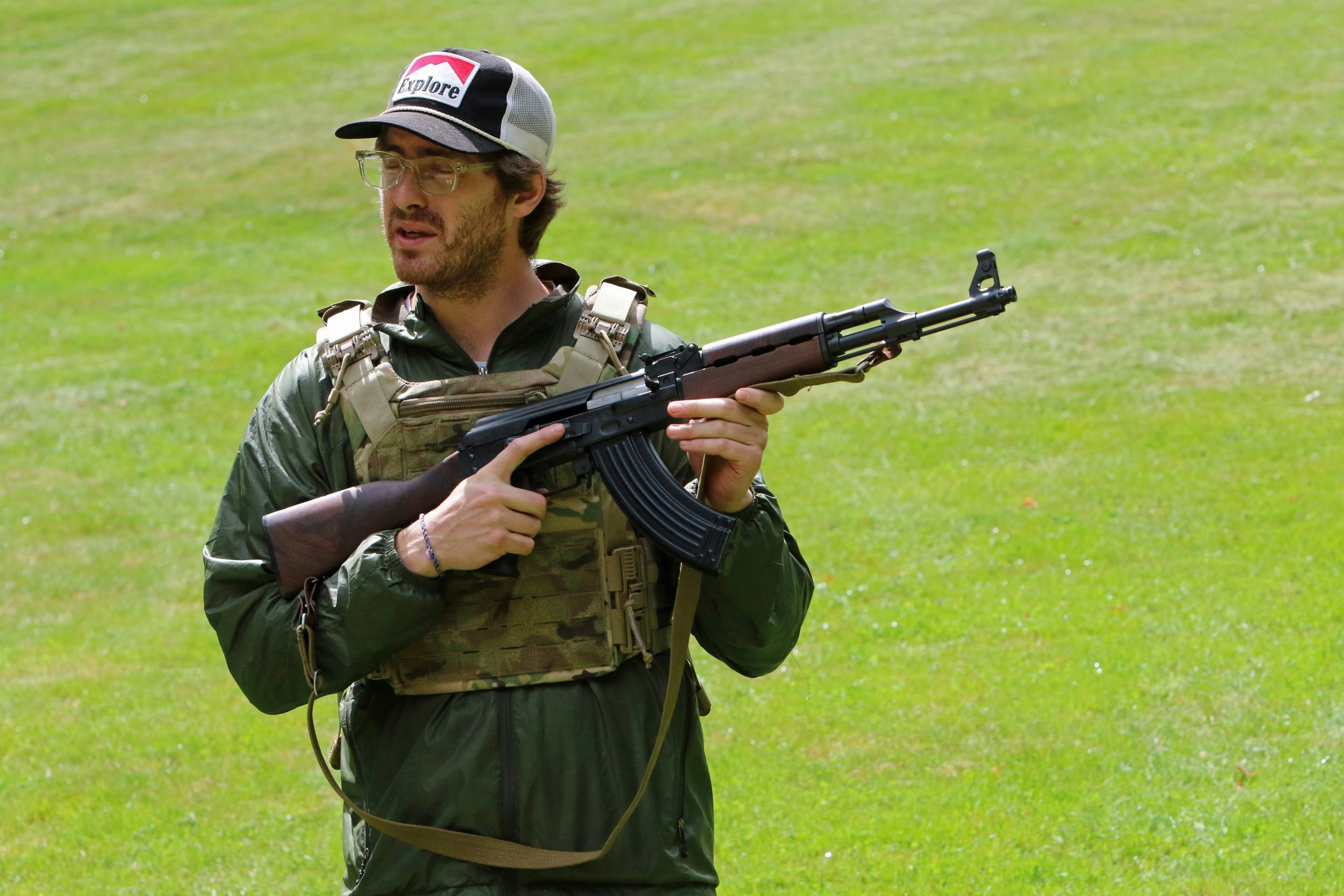
The rifle’s premium reputation also comes from the level of machining visible in its components. Arsenal has described forged components and precision machining across important parts, while independent evaluations have noted the receiver’s clean machining and tight overall fit. The SAM7 is not simply a stamped AK with cosmetic upgrades; its manufacturing approach is intended to make the receiver and major components feel substantial. It does not guarantee superior accuracy over every stamped rifle, but it helps explain the SAM7’s premium standing among AK enthusiasts.
8. Its Numbers Tell the Story of a Heavy-Duty AK
A useful number for understanding the SAM7 is 16.3 inches: that is the approximate barrel length listed for representative SAM7R models. Another is 7.62×39 mm, the standard chambering for the classic SAM7R family. Weight varies by configuration, but one tested SAM7SF example came in at roughly 8.2 pounds unloaded with a 10-round magazine. These figures show the trade-off clearly: the milled Bulgarian rifle is built more like a substantial traditional AK than an ultra-light modern carbine. Exact dimensions, furniture, and magazine capacity should always be checked against the specific model.
9. “Best AK” Is Really a Matter of Priorities
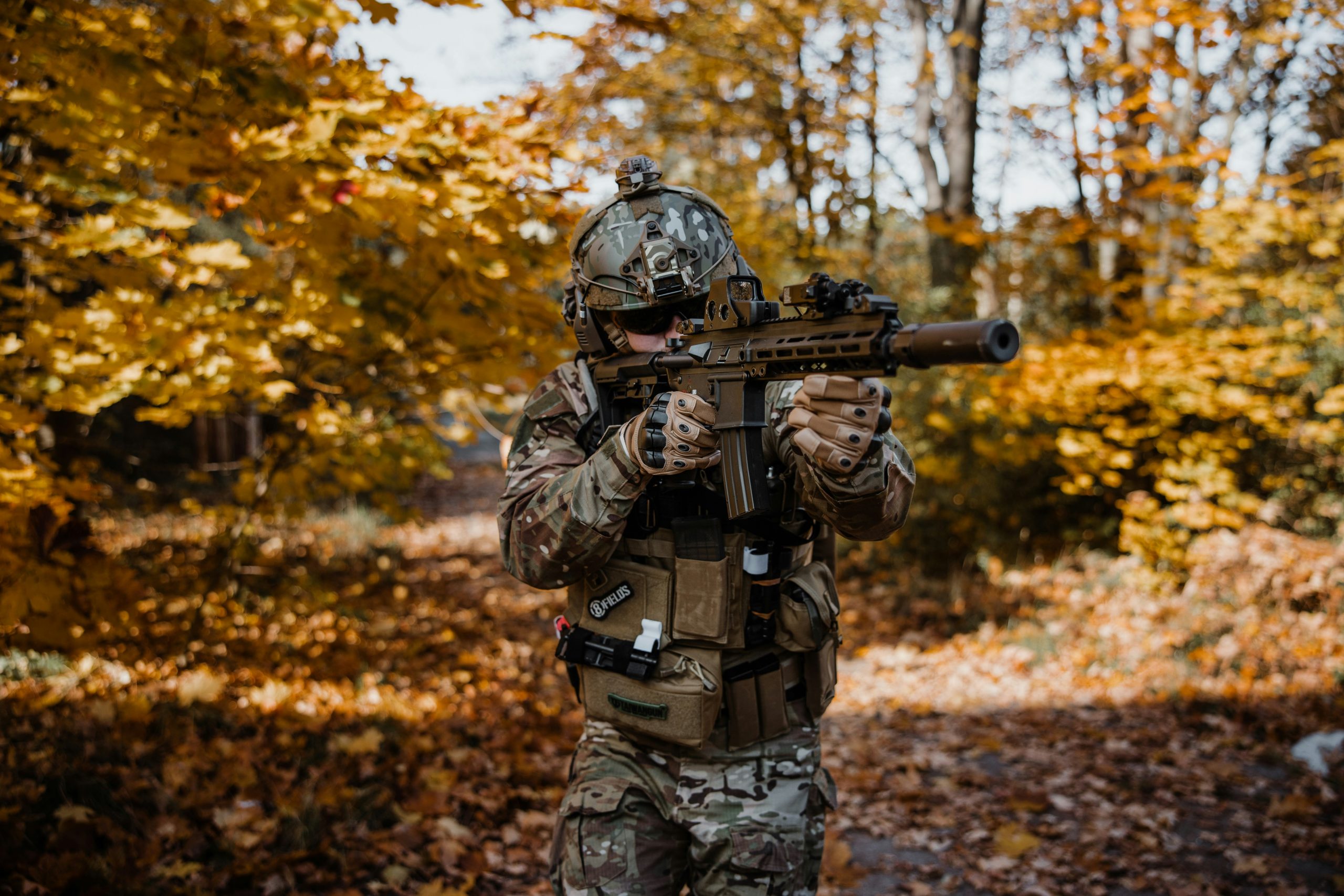
Calling the SAM7 the “best” AK is ultimately a matter of taste, because stamped receivers, Russian-pattern rifles, and other Bulgarian models all have devoted followings. What makes the SAM7 unusual is the combination of Bulgarian manufacturing heritage, forged-and-milled receiver construction, cold-hammer-forged barrel work, and consistent new-production parts. Those details explain the premium reputation without relying on exaggerated claims. In that sense, the SAM7 is less about proving one receiver type universally superior and more about offering a carefully manufactured, unmistakably Bulgarian version of a familiar design. That balance defines its appeal.