Trespassing problems rarely begin with a dramatic confrontation. More often, they build from small misunderstandings, missing records, and fuzzy property lines. Documenting the right details early can help landowners protect themselves, communicate clearly, and respond calmly if a situation starts to escalate.
Property boundaries and survey records

Before anything else, make sure you know exactly where your property begins and ends. A current survey, legal description, plat map, and deed can keep a disagreement from turning into a guessing game. If a trespassing issue develops, vague assumptions about the line are rarely helpful.
Keep both digital and paper copies in an easy to access place. If markers are missing or the survey is outdated, it may be worth having the property professionally reviewed. Clear records give you a stronger starting point when speaking with neighbors, law enforcement, or an attorney.
Photos of boundary markers and fences
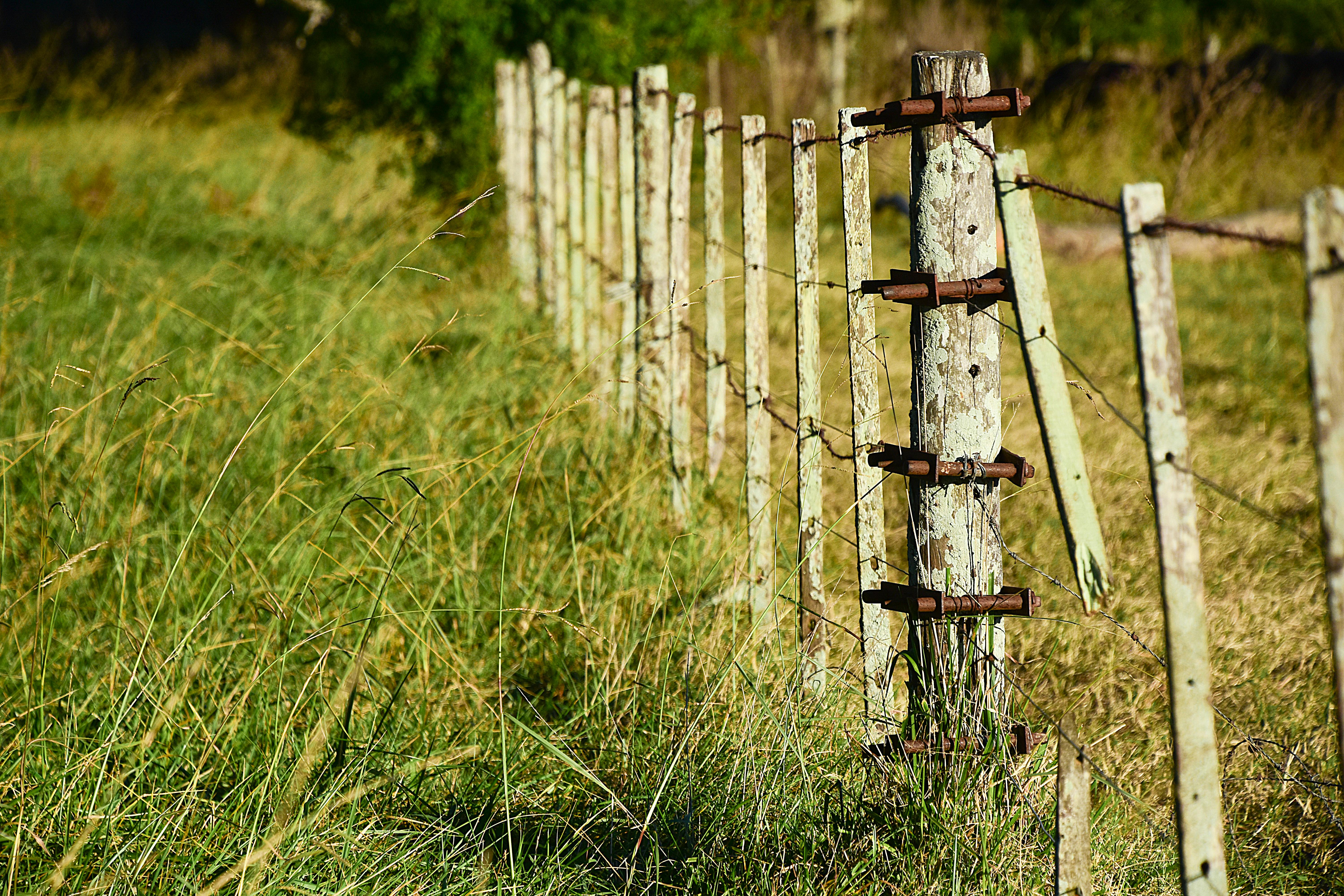
Take dated photos of your fence lines, gates, corner pins, tree markings, and any posted boundaries. These images can show what the property looked like before a dispute, especially if someone later claims a fence was open, a sign was missing, or a marker was never there.
Try to photograph the same spots from multiple angles and update the images regularly. Seasonal growth can change visibility, and storm damage can alter a fence quickly. A simple photo archive creates a visual timeline that is often more persuasive than memory alone.
Posted signs and their locations

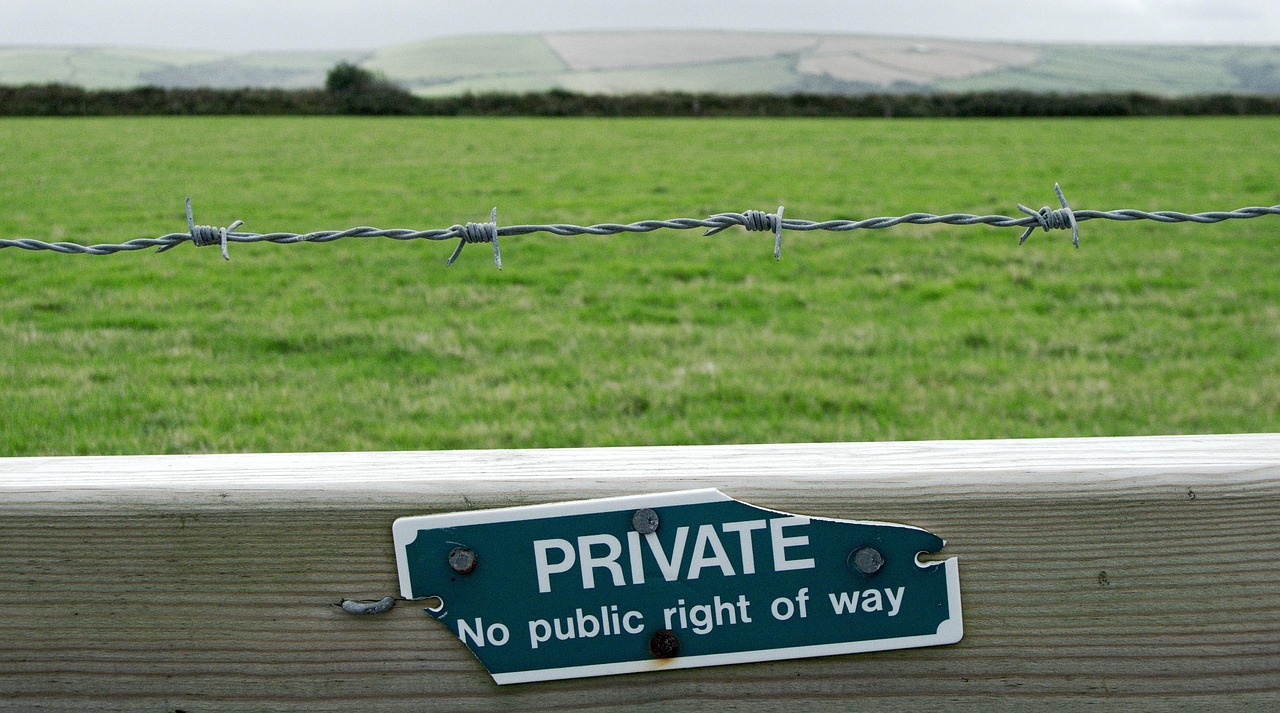
Signs matter more than many landowners realize. Document every no trespassing, private property, and warning sign on the land, along with where each one is placed. If someone later says they did not see a notice, your records can help show the property was clearly marked.
Photograph each sign in context so its visibility is obvious from roads, trails, or entry points. It also helps to note when a sign was installed, replaced, or repaired. Faded lettering, fallen posts, or hidden placement can weaken your position if the dispute grows more serious.
Records of previous incidents
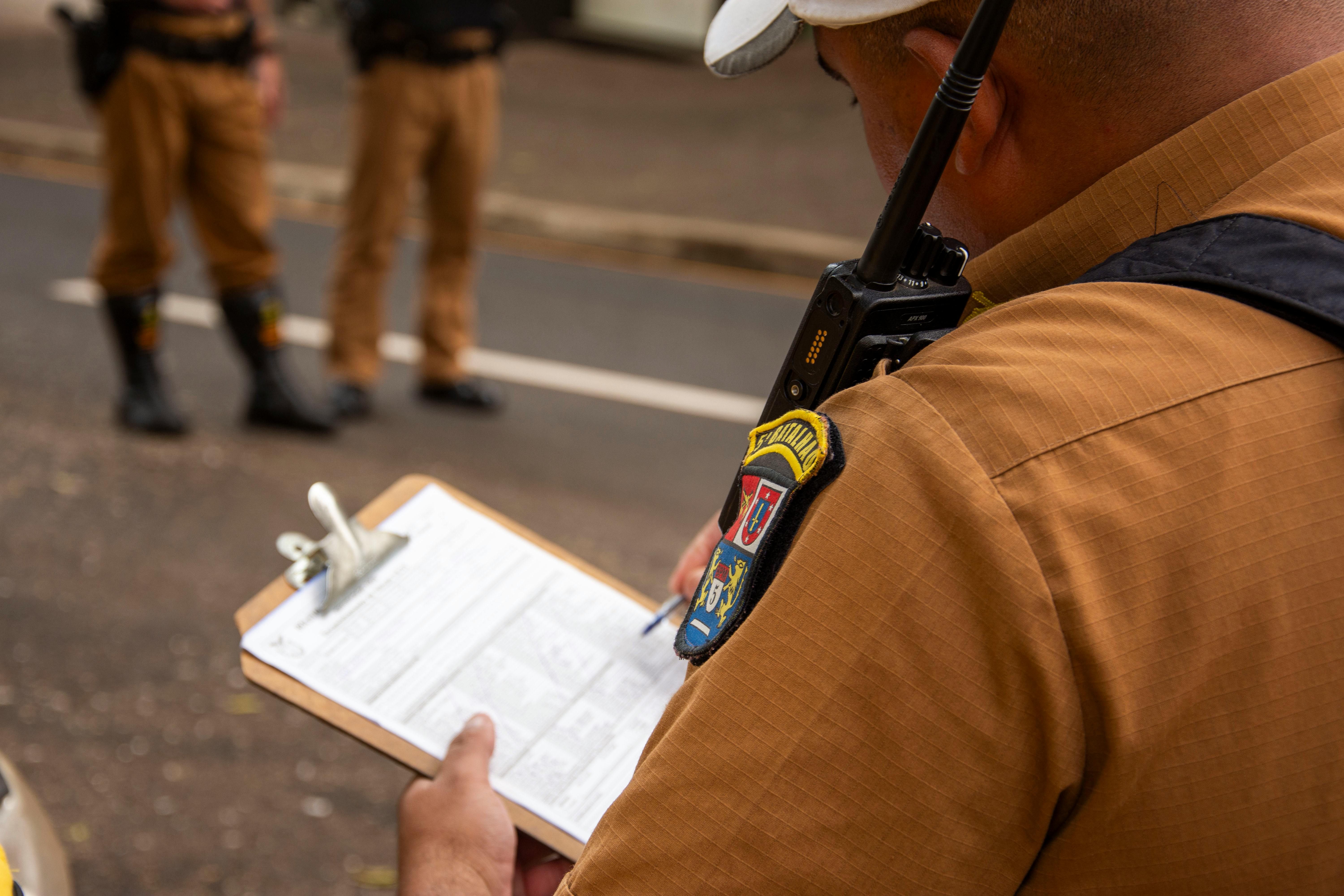
One isolated event may look minor, but a pattern tells a different story. Keep a written log of dates, times, locations, and short descriptions of any suspected trespassing, property damage, or repeated unauthorized entry. Consistency matters more than dramatic detail.
A notebook, spreadsheet, or secure digital file can all work if you update it promptly. Include what you observed, who was present, and how the situation ended. Over time, this log can help establish that the issue is ongoing rather than a one time misunderstanding.
Security camera footage and placement

If you use cameras, document where they are installed, what areas they cover, and when they were active. Footage can be useful, but so can proof that your cameras were positioned to monitor entrances, roads, gates, or other vulnerable areas in a reasonable way.
Save important clips quickly and back them up before they are overwritten. It is also smart to keep still images from key moments and note the time stamps. A camera system is most helpful when the footage is organized, accessible, and tied to a clear record of the event.
Vehicle descriptions and license plates

When unauthorized visitors arrive by vehicle, details can matter a great deal. Write down the make, model, color, distinguishing features, and license plate if it can be observed safely and legally. Even partial plate information can help identify repeat visitors.
Photos can be especially useful if they show where the vehicle was parked in relation to your property. Avoid confrontational attempts to collect information up close. The goal is to build an accurate record, not intensify the encounter in the moment.
Damage to land, crops, or structures
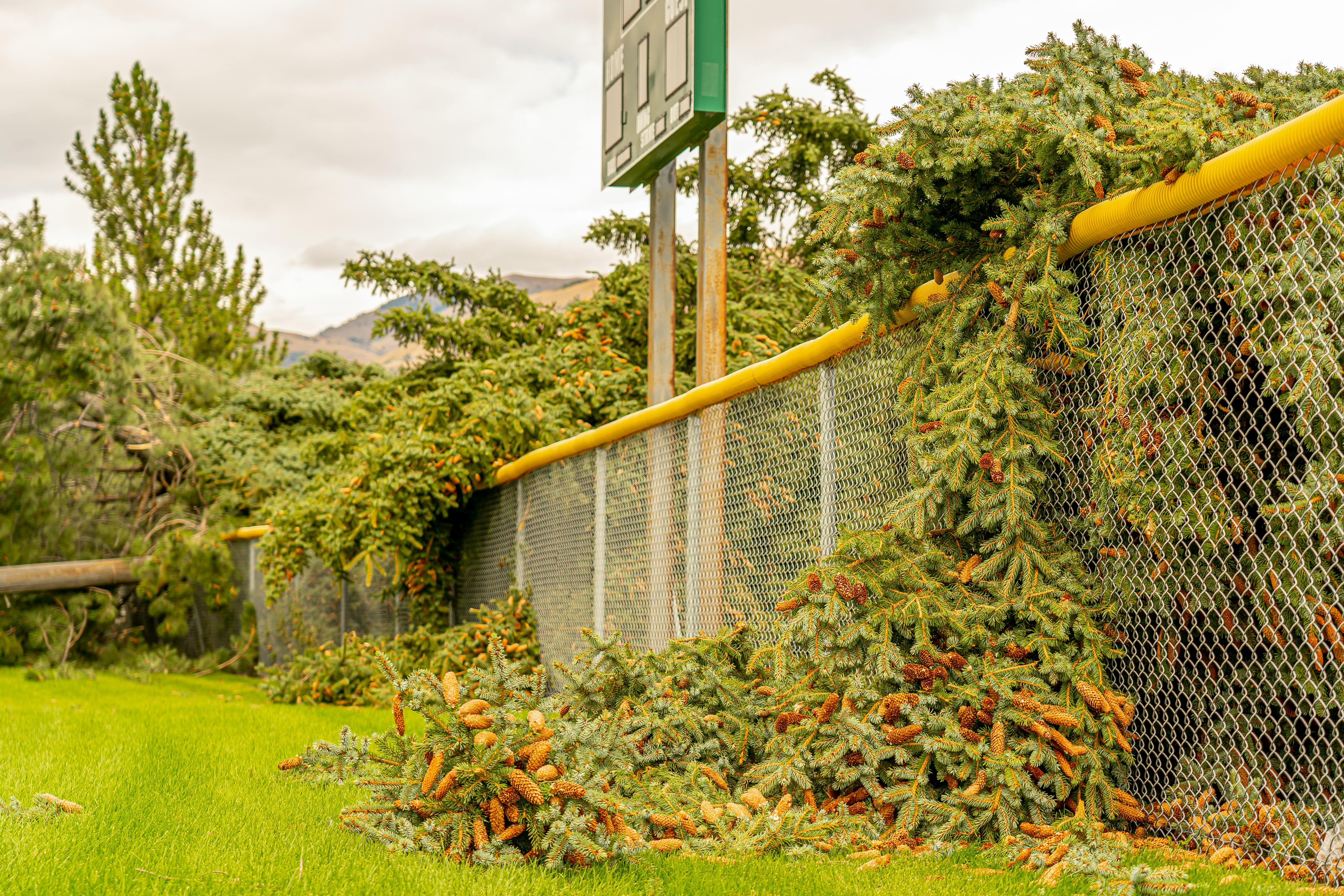
Trespassing can leave behind more than footprints. Photograph and describe any ruts, broken fences, cut locks, litter, damaged crops, disturbed livestock areas, or harm to sheds and equipment. The sooner you document damage, the easier it is to connect it to a specific incident.
Use wide shots to show location and close ups to capture detail. If repairs are needed, keep estimates, invoices, and receipts so the financial impact is clear. Good documentation turns an emotional complaint into a concrete record of loss.
Conversations with neighbors and visitors
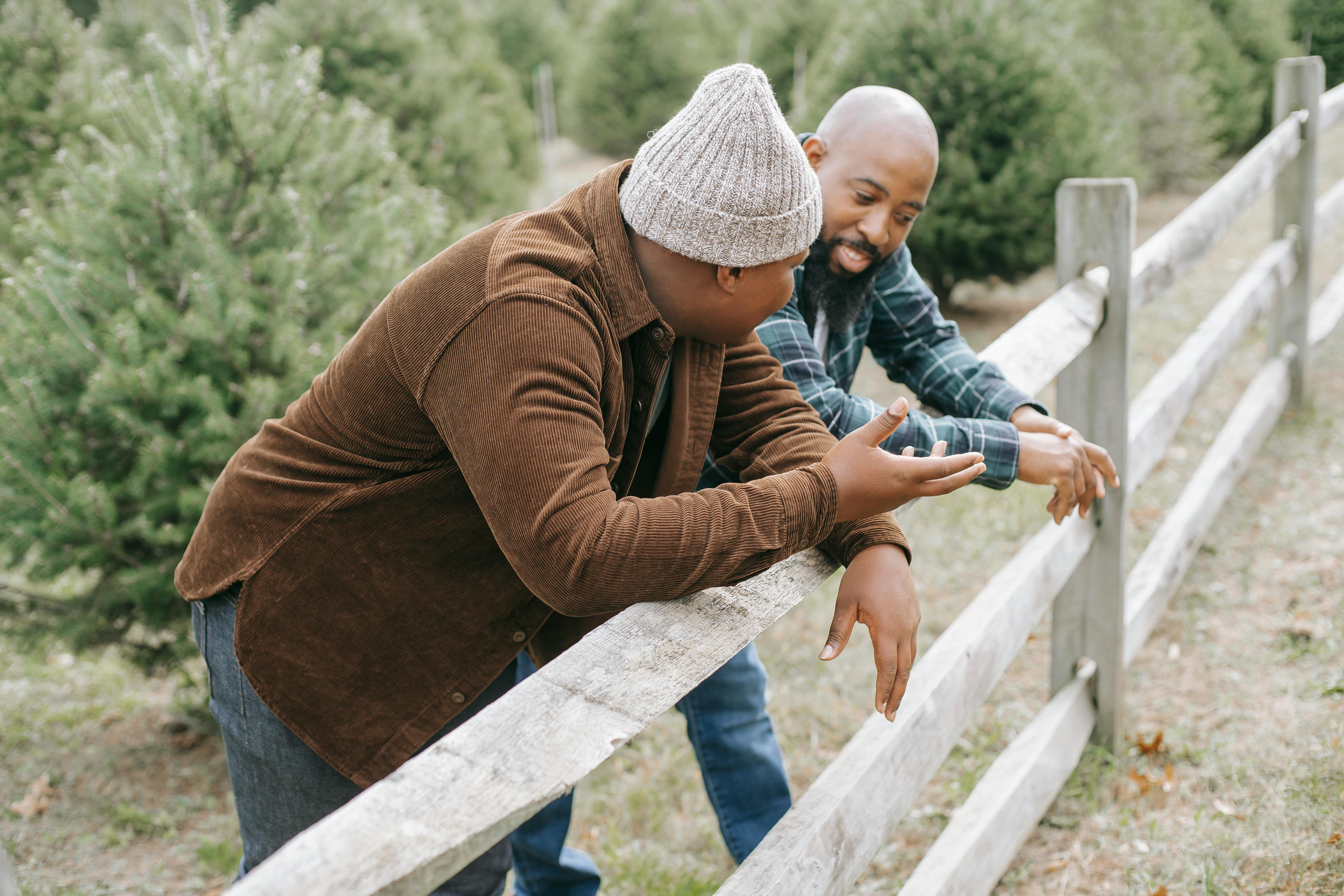
Not every trespassing situation starts with bad intent. Sometimes a neighbor, hunter, hiker, or delivery driver believes they have permission or are using an old access route. After any conversation about entry onto your land, make a brief note of what was said and when.
Try to capture the tone, any claimed reason for being there, and whether you clearly asked the person to leave or stay off the property. If a dispute later shifts into a he said, she said scenario, contemporaneous notes can become surprisingly valuable.
Local access easements and shared use agreements
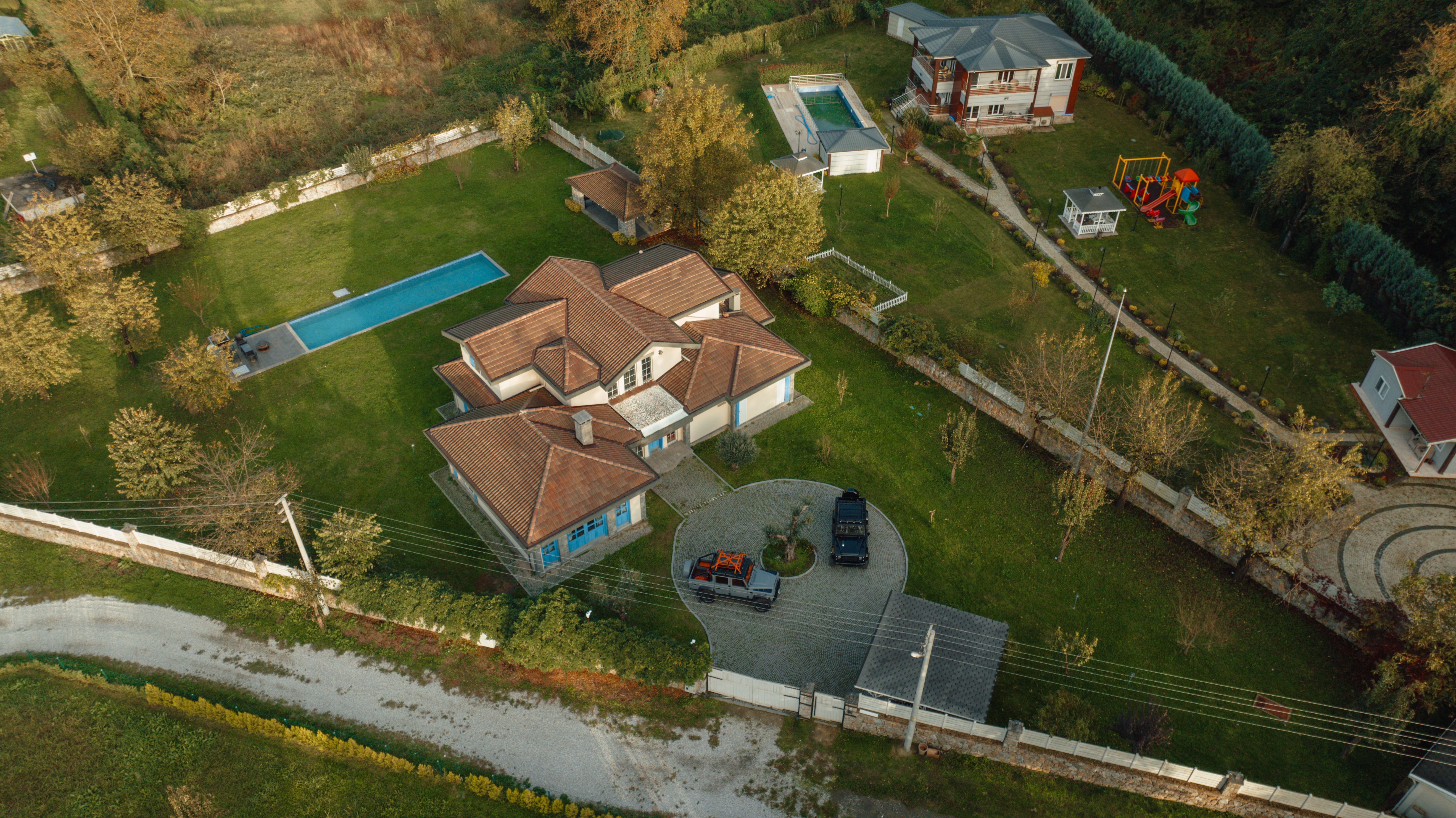
Some of the most complicated trespassing disputes involve land that is not as private as it first appears. Utility easements, shared driveways, agricultural access routes, and recorded rights of way can all affect who may legally enter certain parts of a property.
Gather any easement documents, maintenance agreements, and county records tied to access. If there is a longstanding informal arrangement with a neighbor, write down what has actually been allowed. Understanding these details early can prevent you from treating a legal use area like an unlawful intrusion.
Contacts with law enforcement or legal counsel

If you have already called law enforcement, spoken with a game warden, or consulted an attorney, keep a careful record of every contact. Save report numbers, names, dates, and summaries of what guidance you received. These details help create continuity if the problem continues over time.
Organized records also make follow up easier and reduce the chance of conflicting recollections later. Even if the first report does not lead to immediate action, a documented history can show that you tried to address the issue responsibly before it escalated further.