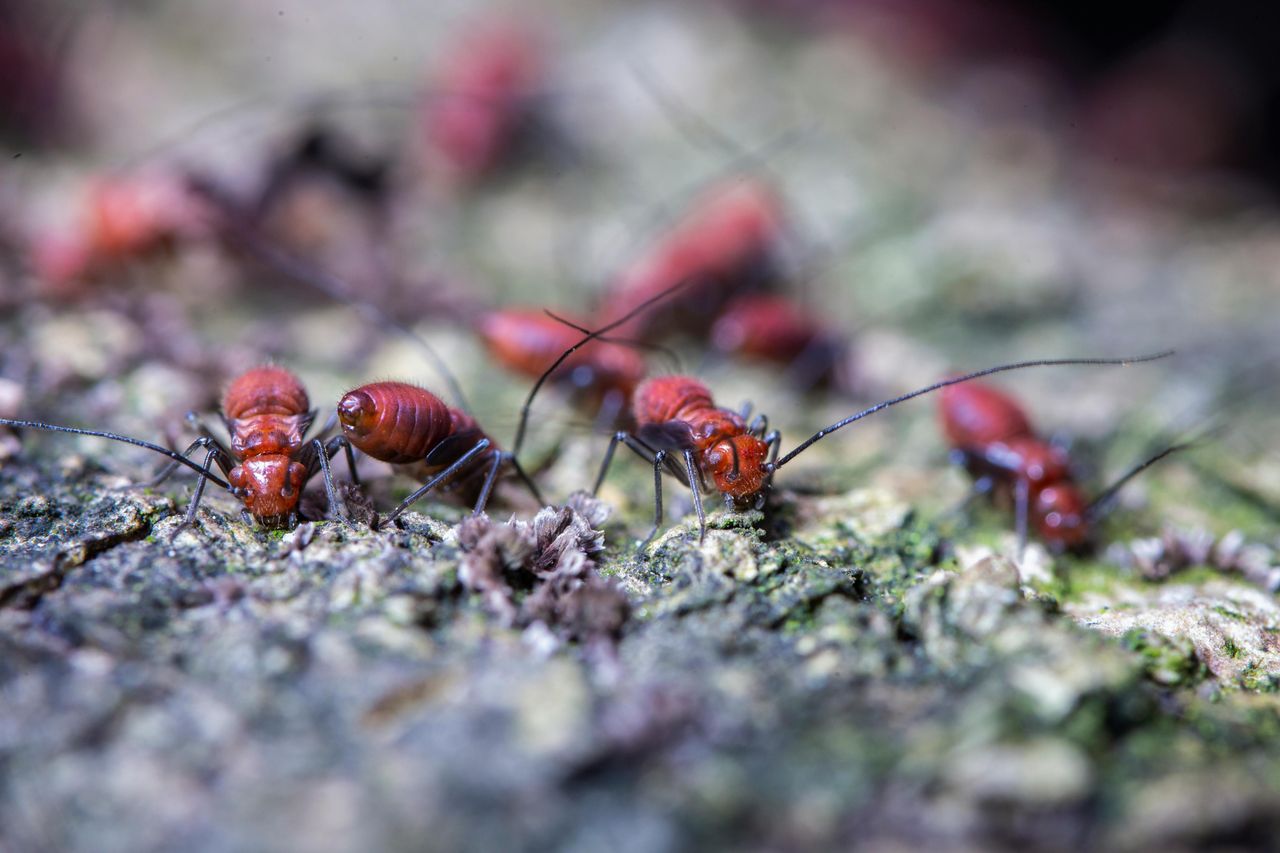
For many people, the idea of eating bugs lands somewhere between dare and nightmare. In a survival situation, though, these tiny creatures can become fast, protein-rich fuel that experienced outdoors experts recognize immediately. This gallery explores nine edible insects that are commonly cited in survival circles, along with what makes them worth considering when food is scarce.
Crickets
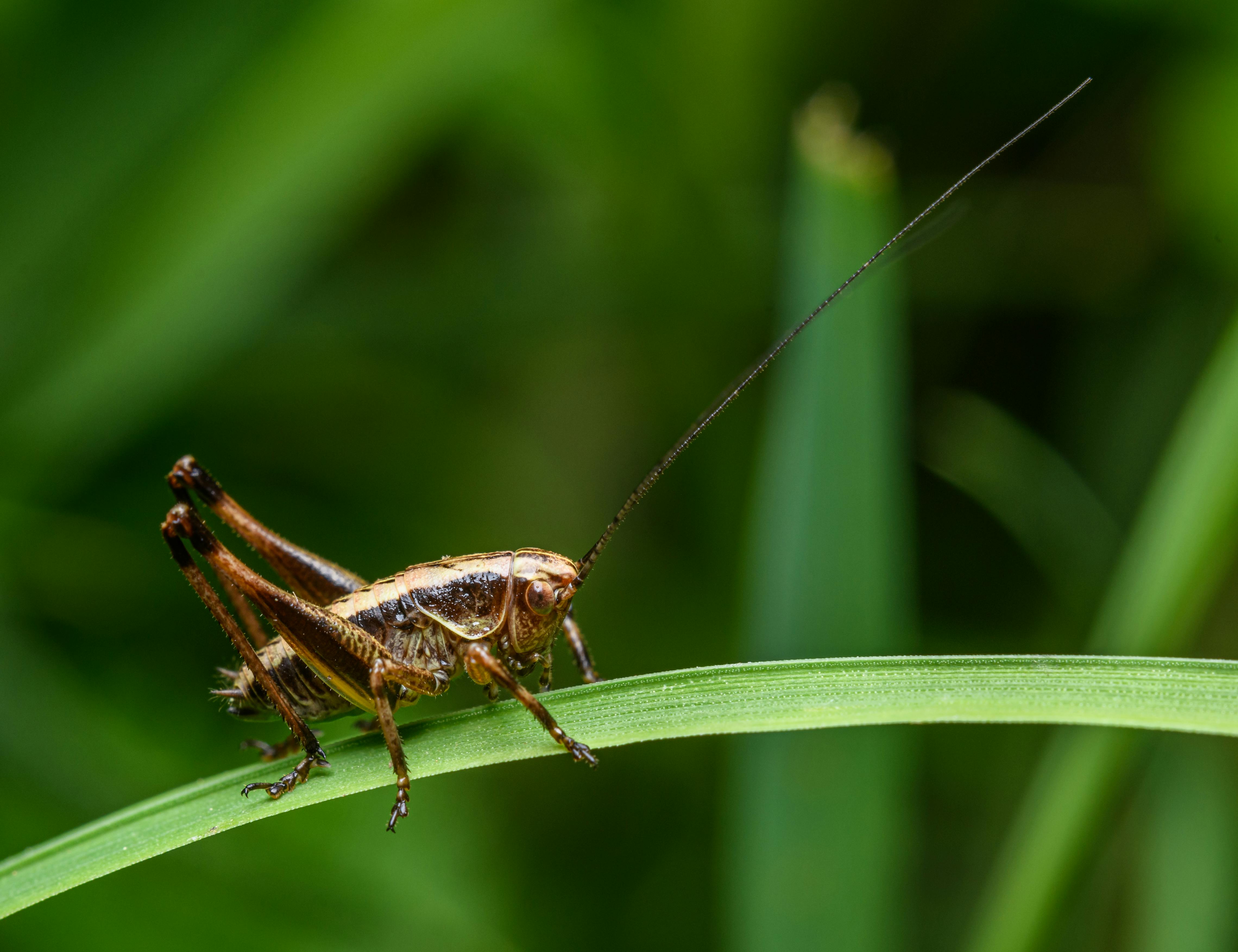
Crickets are often one of the first insects people hear about as edible, and for good reason. They are widely eaten in many parts of the world, and survival instructors often point to them as a relatively approachable bug because they are familiar, easy to spot, and packed with protein.
In the wild, they are usually collected from grassy areas, under rocks, or near lights at night. Survival experts generally recommend cooking them to improve texture and reduce risk, turning a jumpy backyard insect into something closer to a crunchy snack than most people expect.
Grasshoppers

Grasshoppers are a classic survival food because they are large enough to catch, common in open fields, and provide a decent bite for the effort. Their size makes them less tedious to gather than tiny insects, which matters when energy is limited and every calorie counts.
Experienced foragers usually remove the legs and wings before cooking, since those parts can be prickly and unpleasant. Once roasted over heat, grasshoppers can become nutty and crisp, which helps explain why people in several food traditions eat them by choice, not just necessity.
Mealworms

Mealworms may look more pet-store than dinner-table, but they are one of the most commonly discussed edible insects in both survival and modern food circles. Technically the larval stage of darkling beetles, they are valued because they are rich in protein and fat, a useful combination when the body needs concentrated energy.
Their mild flavor is one reason they are often described as beginner-friendly by adventurous eaters. Toasted in a pan or roasted until crisp, mealworms can take on a savory, almost nutty quality that feels far less extreme than their wriggling appearance suggests at first glance.
Ants

Ants are small, but their sheer numbers make them a notable survival food. In many environments they are easy to find under logs, around mounds, and along busy ground trails, which is exactly why experienced survivalists keep them in mind when larger food sources are nowhere in sight.
Different species taste different, and some have a sharp, citrus-like tang because of the compounds they produce. That bright sourness can be surprising, even pleasant, and it is part of why chefs and foragers sometimes use ants as a flavor accent rather than treating them purely as a last-resort emergency bite.
Termites
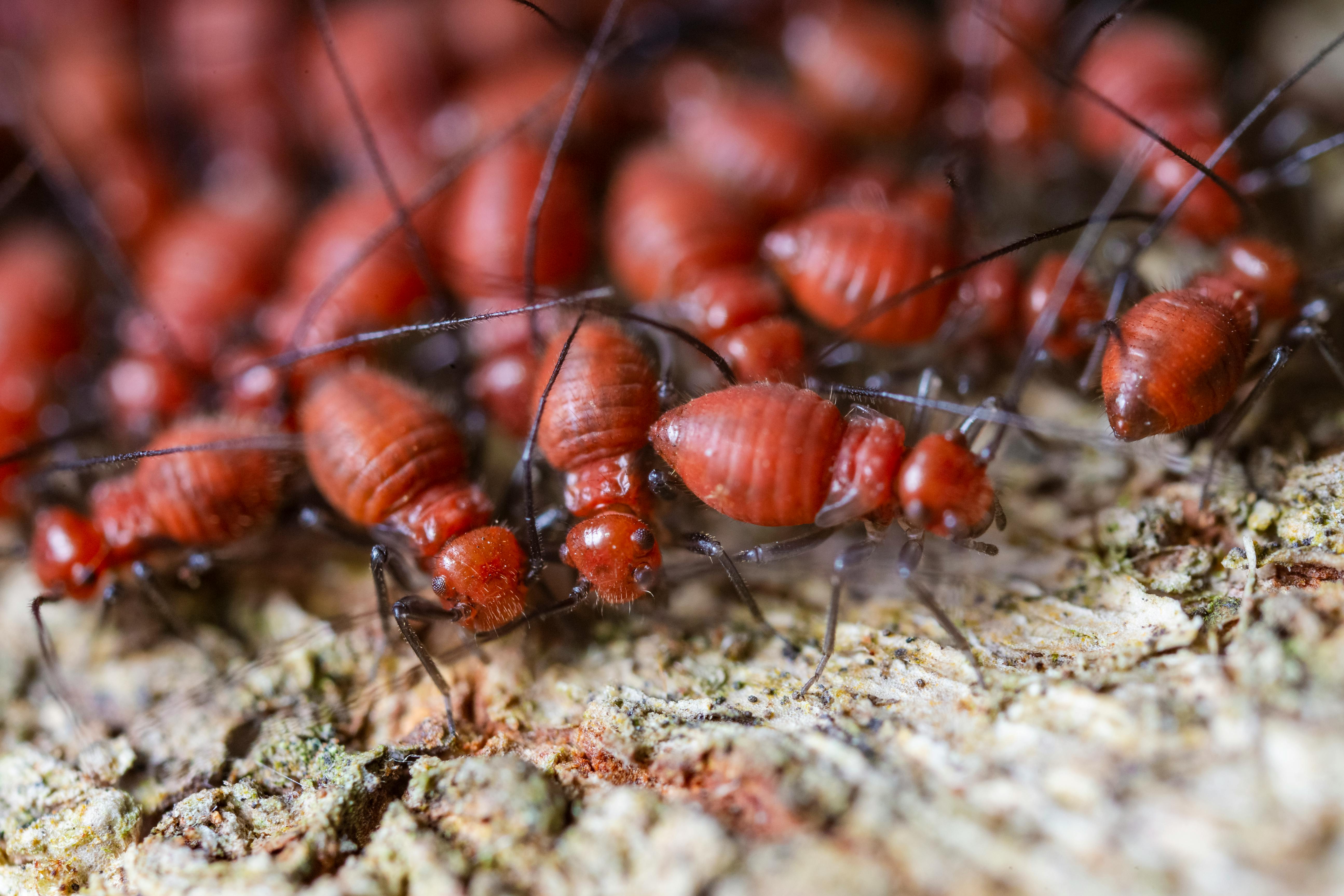
Termites are one of those insects survival experts mention with almost no hesitation because they can be abundant, easy to gather, and soft-bodied enough to eat with minimal fuss. Break open a mound or rotting wood in the right environment, and you may find a concentrated food source that requires far less chasing than flying or jumping insects.
They are often described as having a mild flavor, especially when lightly toasted. Because they contain useful fat as well as protein, termites can be especially appealing in genuine survival conditions, when food is not about culinary bragging rights but about fast, efficient nourishment.
Beetle Larvae
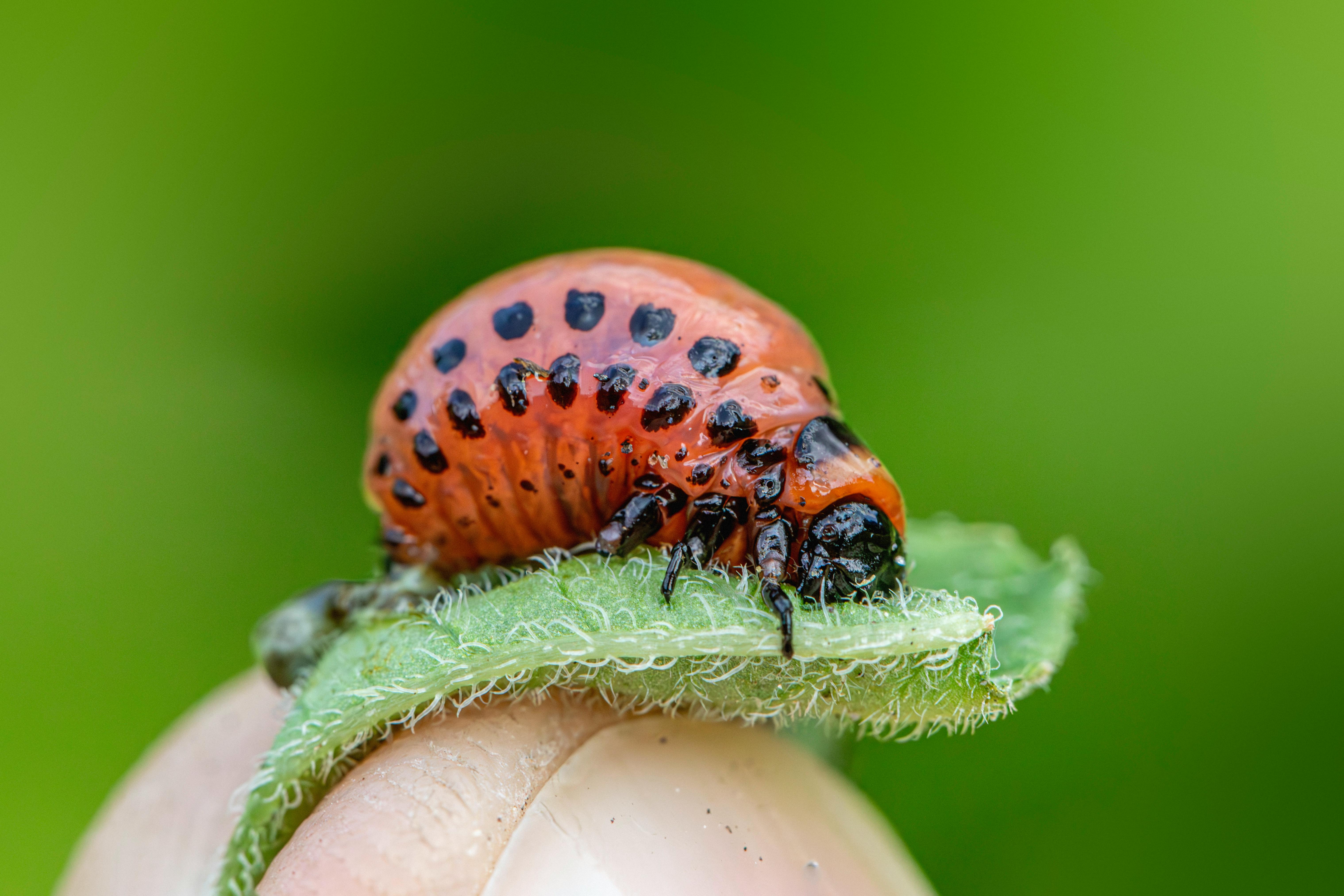
Beetle larvae, including grubs found in rotting logs, are among the most energy-dense insect foods survival experts talk about. They are not visually appealing to most people, which is exactly why they fit this list so well, but their fat content makes them extremely valuable when calories are hard to come by.
Foragers often find them by splitting decaying wood or checking beneath bark in the right habitat. Cooked over fire, they can turn creamy inside with a crisp exterior, and while that description may test some readers, in a survival situation it is the kind of high-reward food experienced outdoors people notice immediately.
Waxworms

Waxworms are another larval insect that survival-minded eaters recognize as compact fuel. Best known to many people as feed for reptiles or fishing bait, they are actually edible and valued for their fat content, which can make a real difference when someone needs energy rather than a perfectly balanced meal.
Their soft texture means they cook quickly, and roasting helps make them more palatable for anyone uneasy about the idea. They are not usually the first insect found in the wild, but among edible bug options, waxworms are frequently mentioned as small, rich, and efficient nutrition in a pinch.
Cicadas
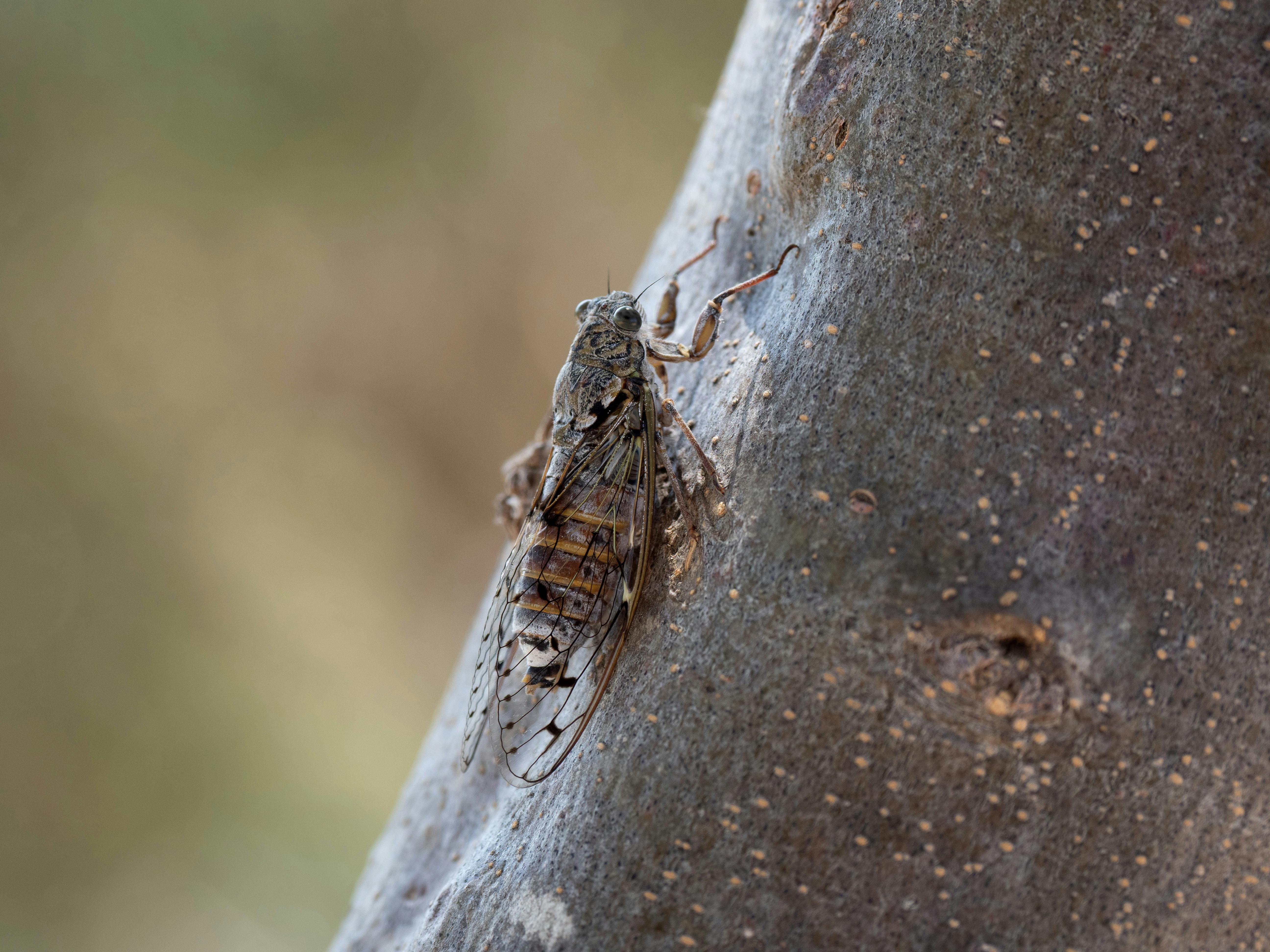
Cicadas get attention whenever they emerge in huge numbers, and survival experts see that abundance as a temporary buffet. When these noisy insects appear, they can be collected in volume with relatively little effort, which is exactly the kind of opportunity practical foragers are trained to notice.
People who cook them often compare the flavor to something nutty or shrimp-like, depending on preparation. Freshly molted cicadas are especially sought after because their bodies are softer, making them easier to eat. For most people they are a loud summer soundtrack, but to informed foragers they can also be a short-lived seasonal food source.
Bee Larvae
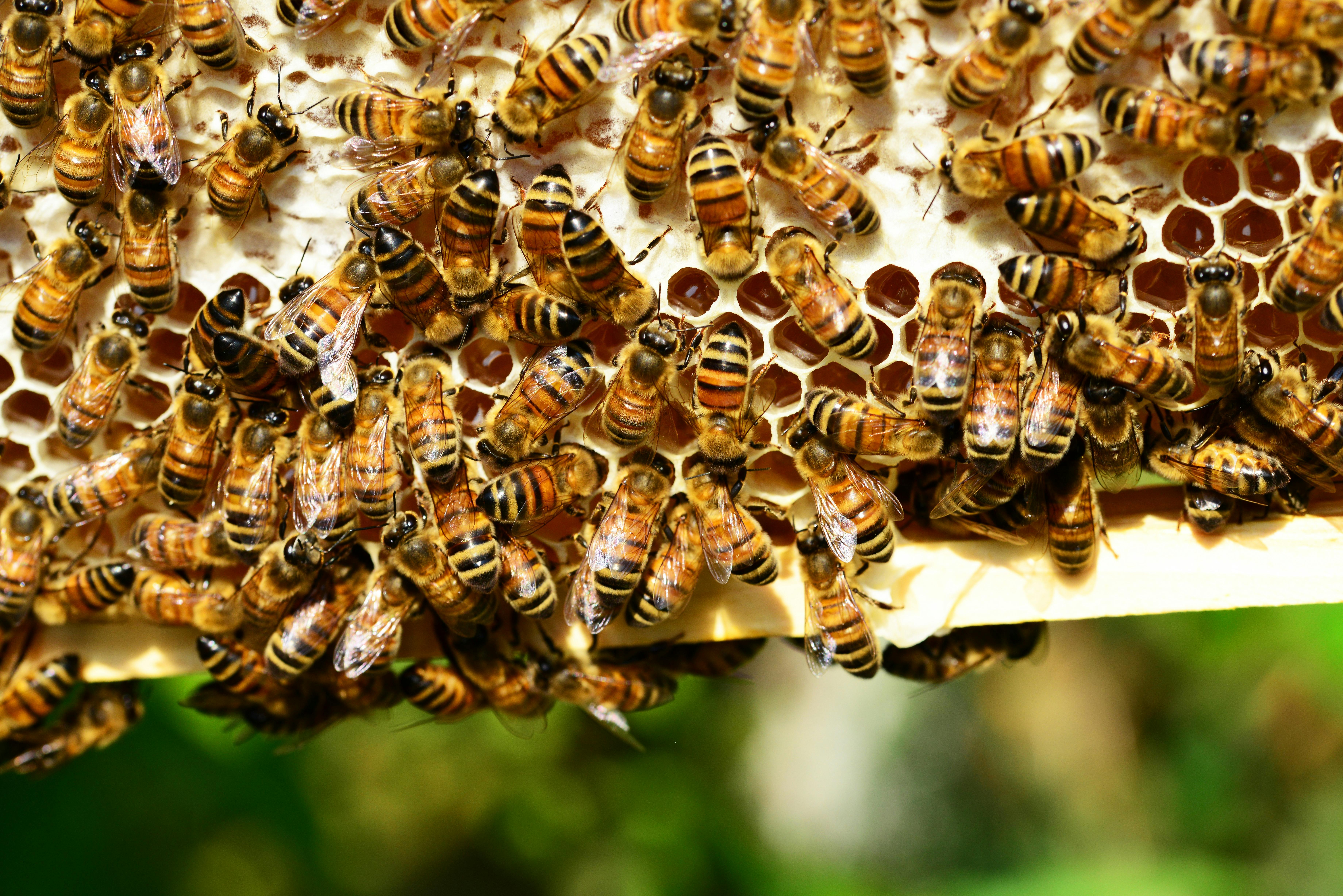
Bee larvae may sound like a step too far for many readers, but they have long been eaten in some culinary traditions and are also noted in survival discussions. Found inside honeycomb, they offer protein and fat in a compact package, and some people describe them as surprisingly mild and delicate.
Of course, gathering them is not as simple as flipping over a rock, and experienced handling matters around bees. Still, survival experts and adventurous cooks alike recognize that insect life stages can be highly nutritious. Bee larvae are a good example of how the foods people reject at first glance can carry serious value in the right context.